15 North Carolina Barbecue Styles That Confuse Outsiders Every Time
North Carolina takes barbecue seriously – so seriously that locals have created distinct styles that often leave visitors scratching their heads.
From fierce regional rivalries to unexpected side dishes, the Tar Heel State’s barbecue traditions go way beyond throwing meat on a grill.
These unique cooking methods and flavor profiles have developed over generations, creating a rich culinary landscape that’s both delicious and downright baffling to the uninitiated.
1. Eastern-Style Whole Hog
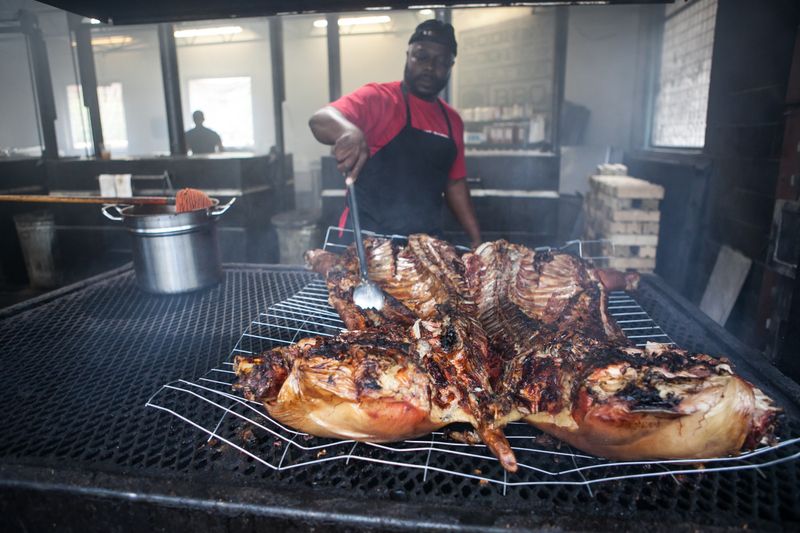
Nothing bewilders barbecue tourists quite like seeing an entire pig splayed out over smoking coals. Eastern North Carolina’s signature style cooks the whole animal, from snout to tail, creating a mix of meat varieties in every serving.
The resulting pulled pork gets doused with that famous vinegar-pepper sauce – no tomato in sight! Locals will tell you this method, dating back to colonial times, is the only authentic way to experience true Carolina barbecue.
2. Lexington-Style Pork Shoulder
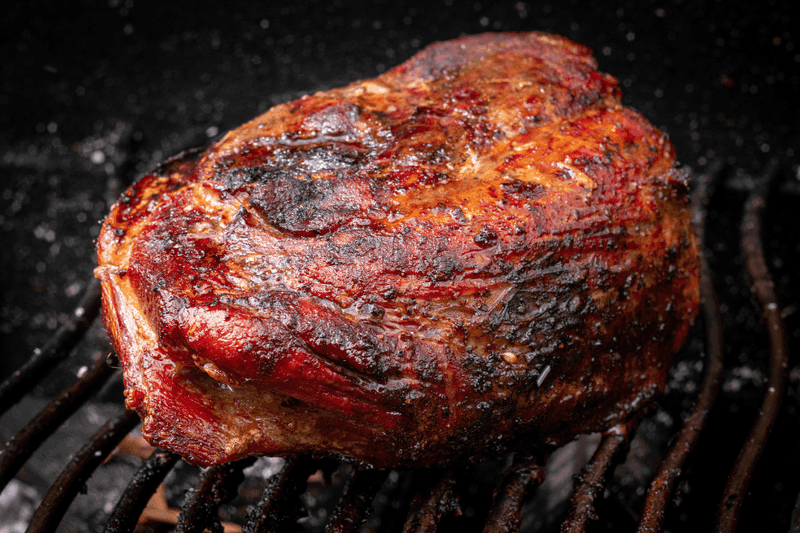
Western North Carolina folks swear by pork shoulders only – a practice that makes easterners roll their eyes dramatically. In Lexington and surrounding areas, pitmaster attention focuses exclusively on this cut, slow-smoking it until the meat practically melts.
The shoulder’s higher fat content creates a distinct flavor profile that loyal fans claim outshines whole hog any day. This regional preference has sparked family feuds and heated debates across picnic tables for generations.
3. Chopped vs. Pulled Pork Debate
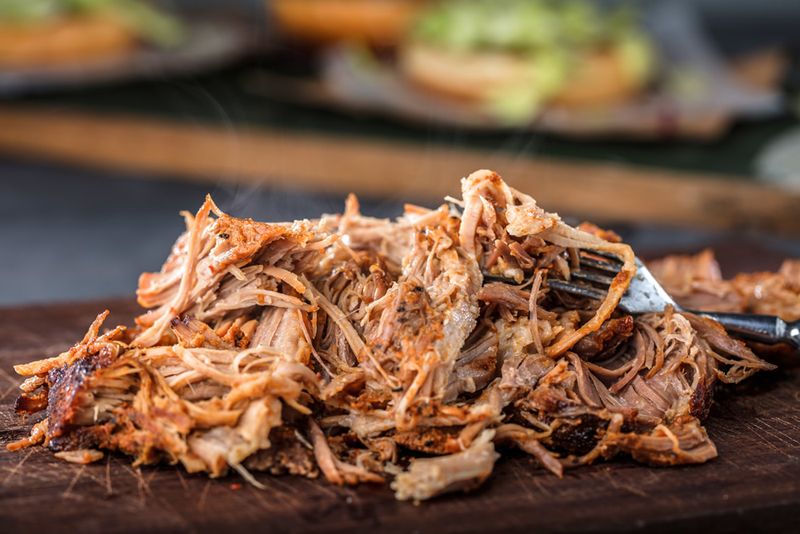
Walk into the wrong joint asking for pulled pork when they serve chopped, and watch locals give you the side-eye. This textural preference divides communities with surprising passion!
Chopped barbecue features meat cut with cleavers into small, uniform pieces that soak up sauce beautifully. Pulled pork, with its stringy, hand-shredded texture, offers a different mouthfeel entirely. The debate rages on about which preparation honors the meat’s character best.
4. Vinegar-Pepper Sauce
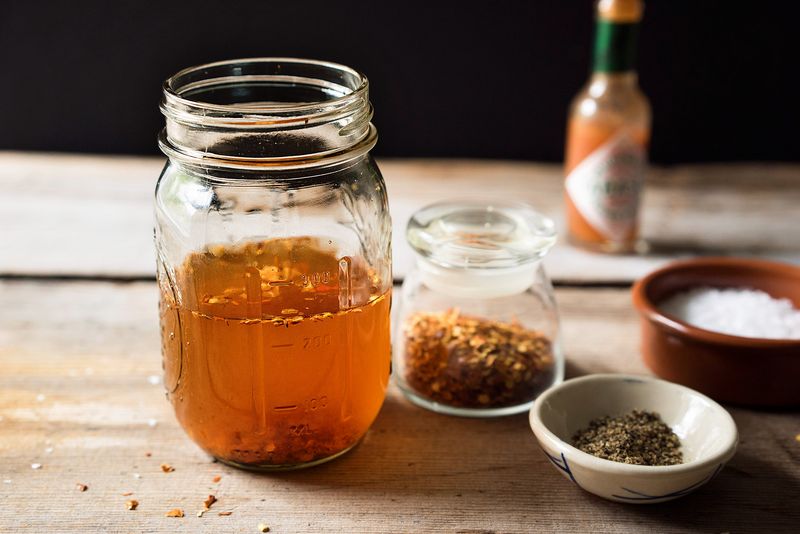
First-timers often recoil in shock when handed a bottle of clear liquid instead of the thick, sweet sauce they expected. Eastern Carolina’s signature condiment looks deceptively simple – just vinegar, crushed red pepper, and minimal seasonings.
Yet this thin, fiery elixir cuts through fatty pork perfectly while amplifying smoky flavors. No molasses, no ketchup, no brown sugar – a concept that horrifies visitors from Kansas City or Texas, who wonder if someone forgot the rest of the ingredients.
5. Lexington “Dip”
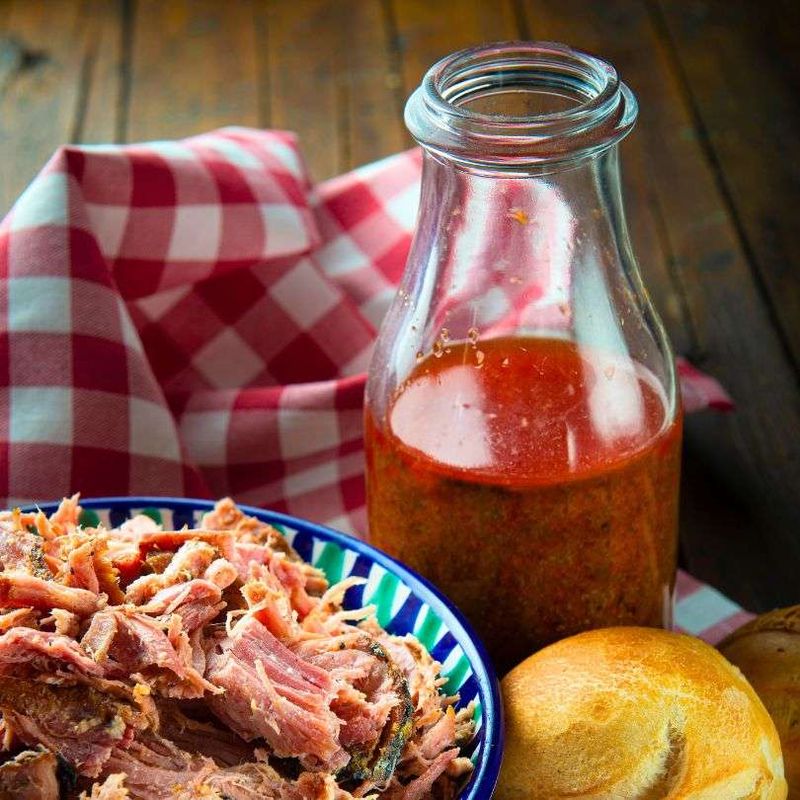
Venture into Piedmont territory and you’ll encounter their signature sauce, affectionately called “dip” – confusing newcomers who expect something to dunk their meat into. This Western Carolina creation adds a touch of ketchup to the vinegar base, creating a slightly red, still-thin sauce.
The subtle sweetness and deeper color distinguish it from eastern counterparts. Locals mop it onto meat during cooking and splash more on before serving, creating layers of tangy flavor that make tourists question everything they thought they knew about barbecue sauce.
6. Red Slaw vs. White Slaw
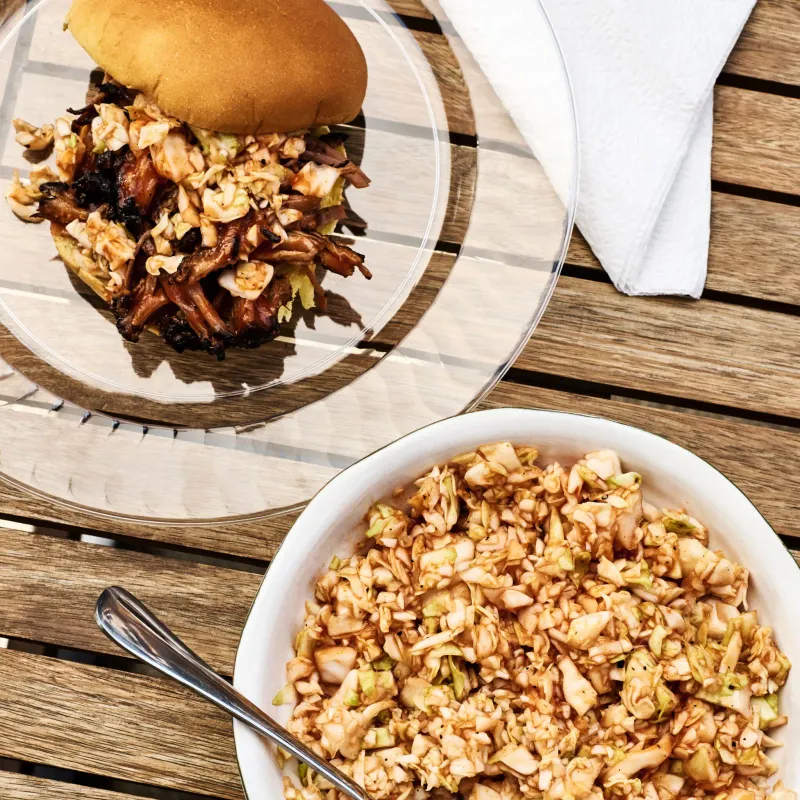
“What in tarnation is red slaw?” ask bewildered visitors when served this crimson side dish. Lexington-style barbecue joints serve coleslaw dressed with their signature dip instead of mayonnaise, creating a vibrant, tangy accompaniment that’s nothing like the creamy white stuff.
Eastern joints stick with traditional mayo-based slaw, setting up another regional battle line. The color difference alone startles newcomers, but locals will argue passionately about which version provides the perfect counterpoint to smoked pork.
7. Barbecue Sandwich with Slaw On Top
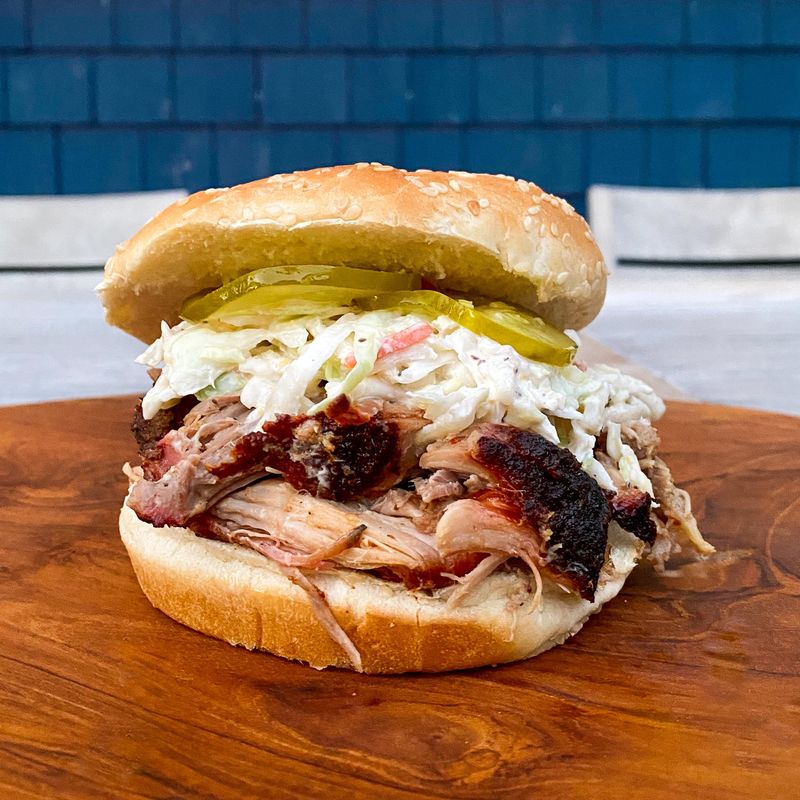
Outsiders often stare in confusion when handed a sandwich with coleslaw already piled inside. This isn’t a mistake – it’s tradition! North Carolina pitmasters insist that proper barbecue sandwiches come with slaw directly on the meat.
The cool crunch against warm, smoky pork creates a textural masterpiece that locals consider non-negotiable. First-timers sometimes try scraping it off, earning disapproving glances from everyone in the restaurant. The slaw-on-top method has been perfected over generations.
8. Hushpuppies as the Default Side
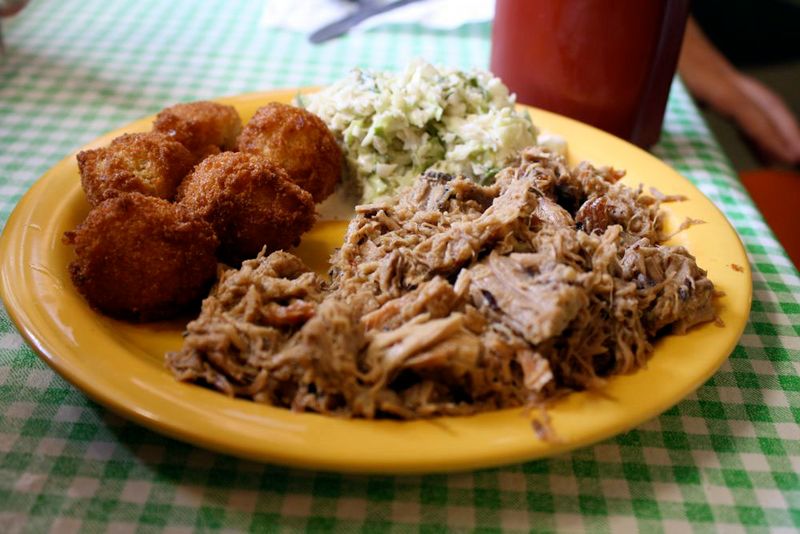
“Where are the baked beans?” newcomers wonder when served golden-fried cornmeal balls instead of expected barbecue sides. Hushpuppies reign supreme in Carolina barbecue culture, leaving outsiders puzzled by their prominence.
These crispy-outside, fluffy-inside treats have deep regional roots. Legend claims they got their name when cooks tossed cornmeal fritters to barking dogs to “hush puppies” during outdoor fish fries. Now they’re the non-negotiable companion to proper Carolina barbecue plates.
9. Light Bread with Barbecue
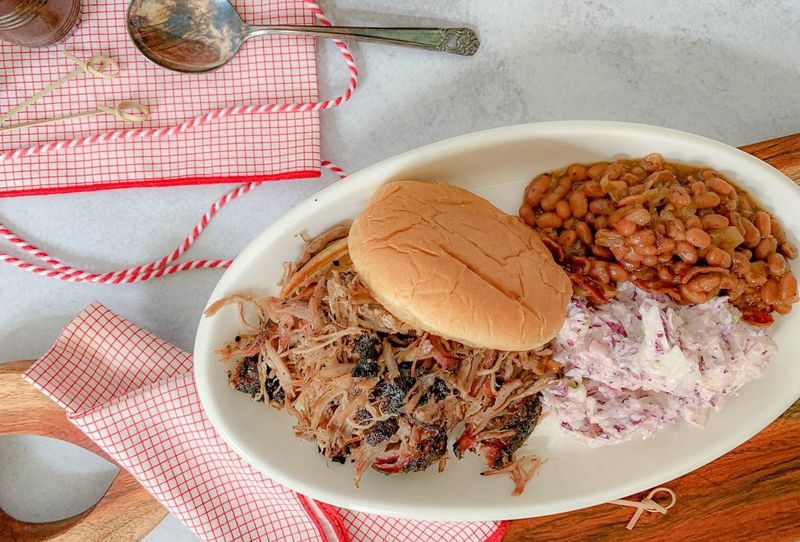
Asking for “light bread” anywhere else might earn confused stares, but in North Carolina, locals know exactly what this means. This pillowy, store-bought white bread serves as the traditional accompaniment to barbecue.
Not fancy artisan bread or even Texas toast – just simple, squishy white sandwich bread. Old-school joints serve it straight from the package, sometimes still in the wrapper! The bread’s purpose? Sopping up every last drop of that precious vinegar sauce and catching stray bits of meat.
10. Chopped Fat Mixed In
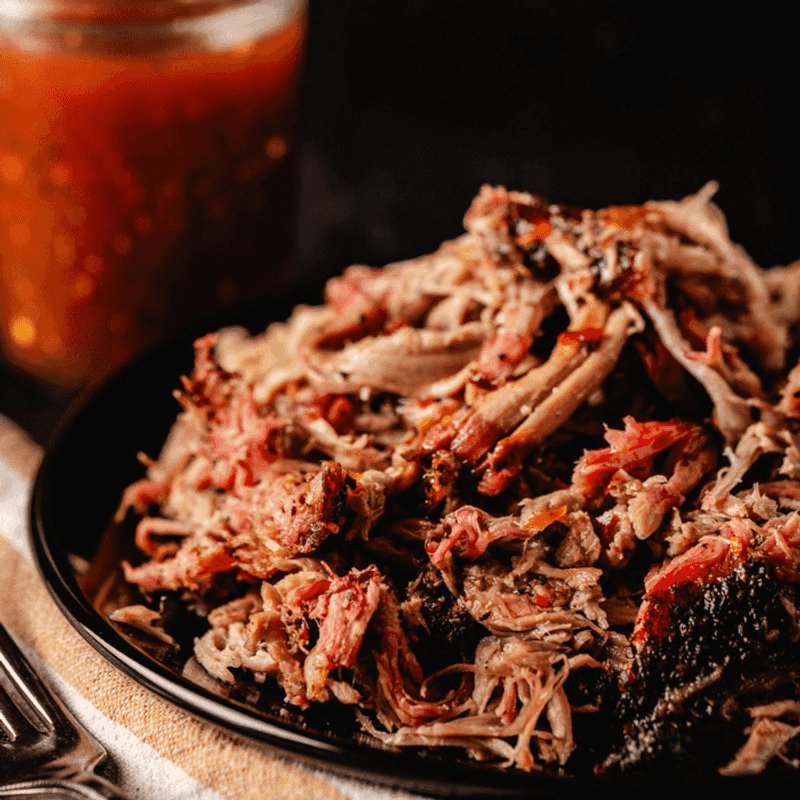
Visitors often do a double-take when they spot glistening bits of fat throughout their barbecue. Unlike other regions that trim meat aggressively, Carolina pitmasters intentionally incorporate chopped fat pieces into the final product.
This practice enhances flavor and juiciness, creating the signature mouthfeel that defines authentic Carolina ‘cue. Health-conscious tourists might hesitate, but locals know these fatty morsels carry concentrated smoke flavor. The technique dates back generations when no part of the precious pig went to waste.
11. Pork Skins as a Side
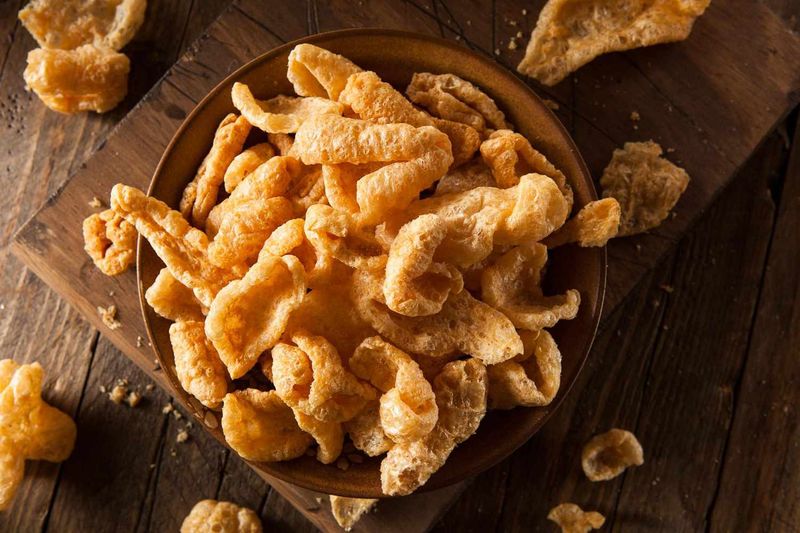
Crispy crackling surprises many barbecue tourists who expect fries or potato salad with their meal. These aren’t bagged pork rinds from the snack aisle – they’re freshly made crackling from the same pig that provided your barbecue.
When whole hogs cook, the skin transforms into crunchy, salty perfection. Authentic joints serve these pieces as premium sides or mixed into the meat. The textural contrast between tender pork and shatteringly crisp skin creates an experience that confuses first-timers but delights those in the know.
12. Barbecue Chicken with Vinegar Mop
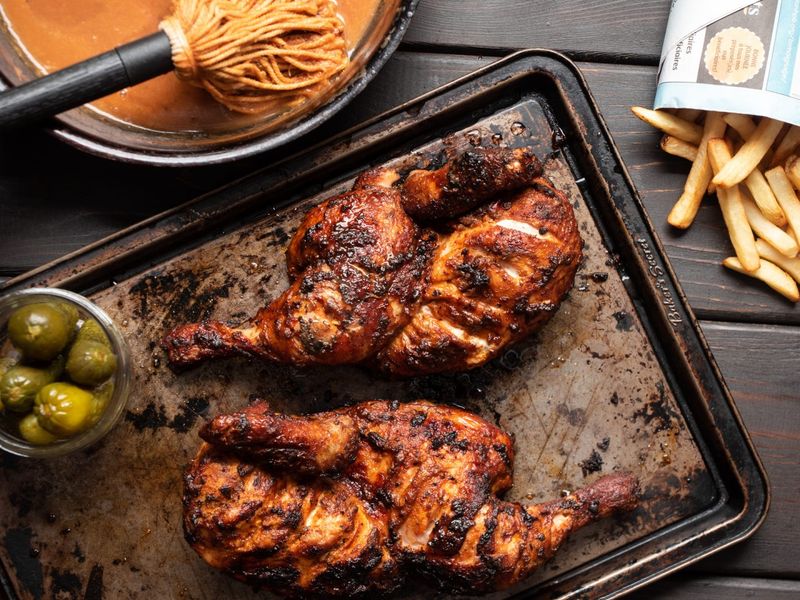
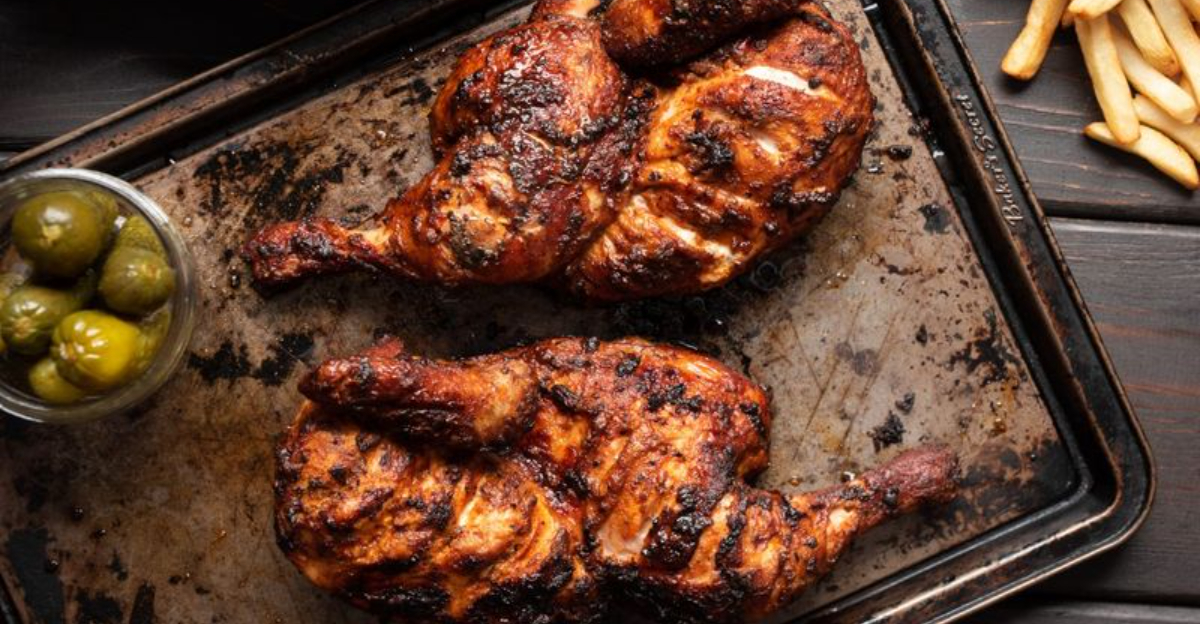
Chicken getting the same vinegar treatment as pork throws visitors for a loop. In North Carolina, barbecued chicken doesn’t mean sweet, sticky glazed pieces but rather smoke-kissed poultry repeatedly basted with that signature vinegar sauce.
The result? Golden skin with a tangy kick unlike anything found elsewhere. Pitmaster secrets include frequent mopping with sauce-soaked brushes throughout the cooking process. This technique keeps the meat moist while infusing it with that distinctive Carolina flavor.
13. Barbecue Turkey
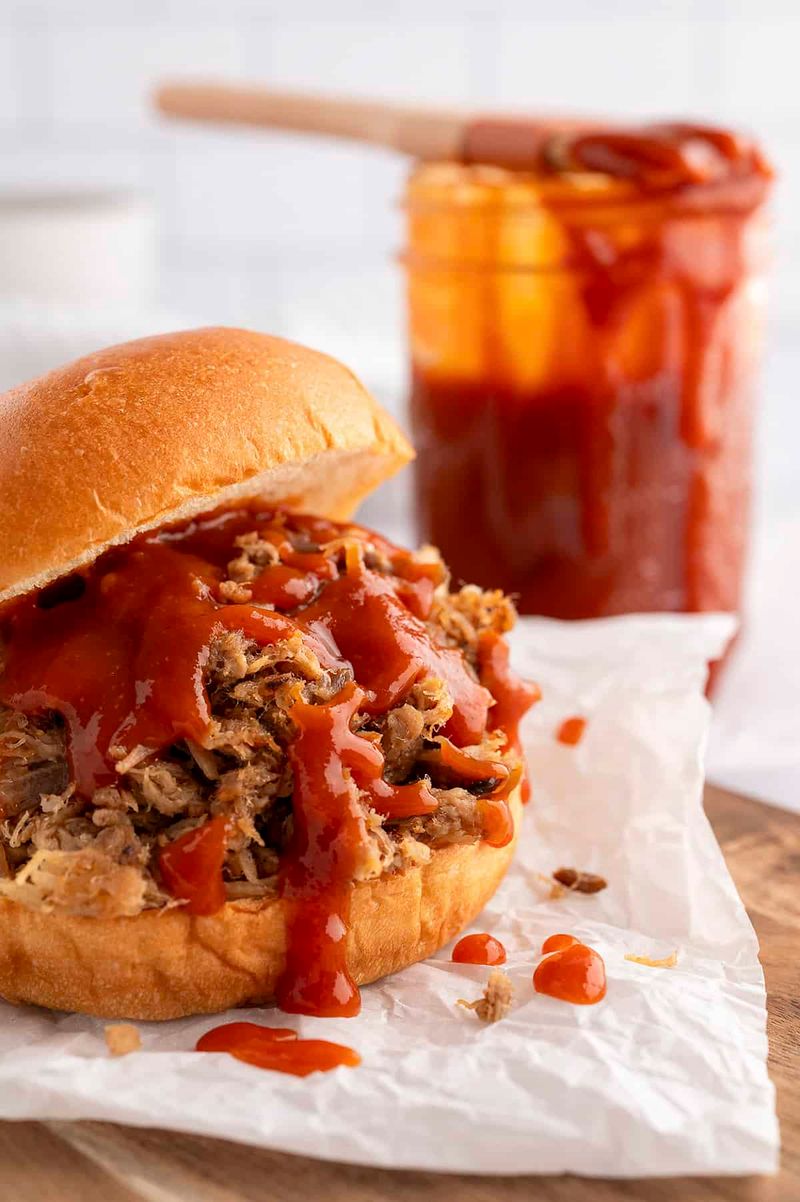
Jaws drop when North Carolinians mention barbecued turkey outside of Thanksgiving. This regional specialty treats turkey just like pork – slow-smoked and dressed with vinegar sauce, creating a mind-bending flavor combination for unprepared visitors.
The lean meat soaks up smoke beautifully, while the acidic sauce cuts through any dryness. Found year-round at traditional joints, this unexpected offering shows how deeply barbecue culture runs in the state.
14. Brunswick Stew
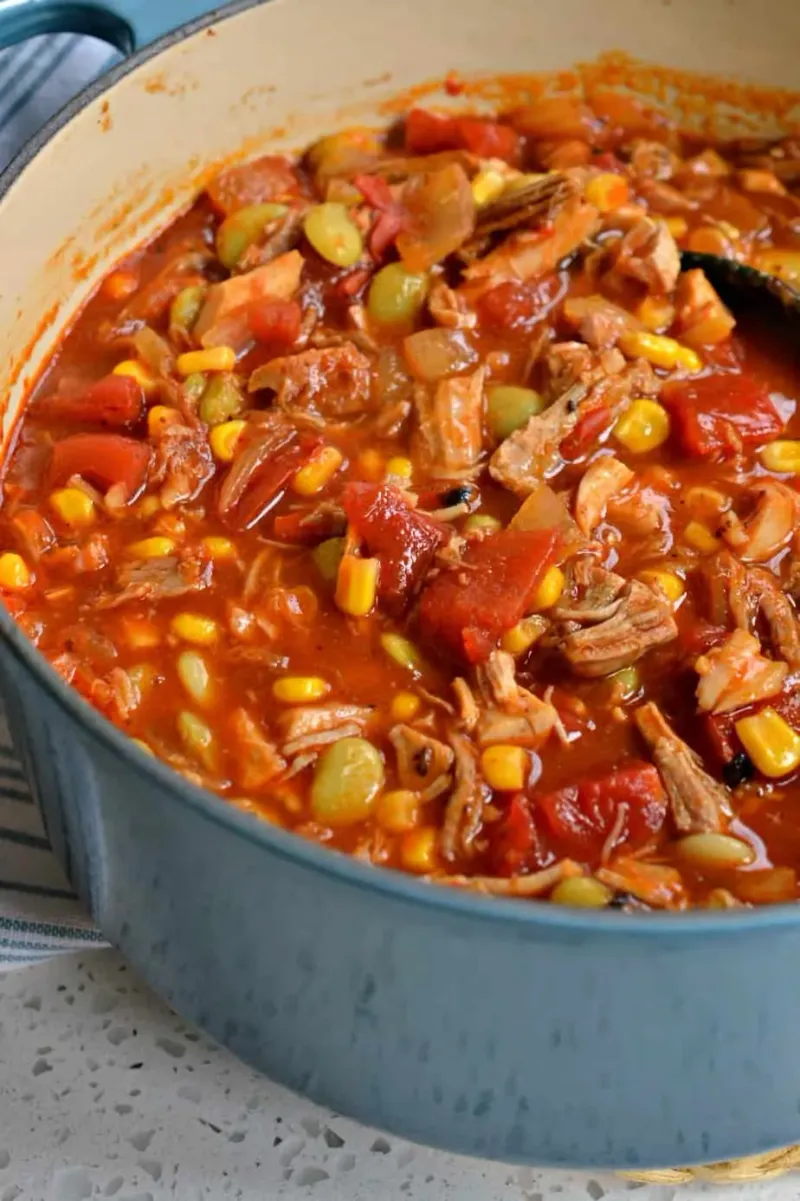
“Is this supposed to be a side dish or a main course?” wonder confused visitors when served a bowl of this thick, rustic stew alongside their barbecue. Brunswick stew – a hearty mix of pulled pork, corn, lima beans, tomatoes, and potatoes – plays a crucial supporting role in Carolina barbecue tradition.
Both Georgia and Virginia claim to have invented it, but North Carolinians have made it their own. The stew originally used squirrel or rabbit meat, though modern versions stick with leftover barbecued pork, creating a rich, smoky flavor that complements the main attraction.
15. Cooked Over Hardwood Coals Only
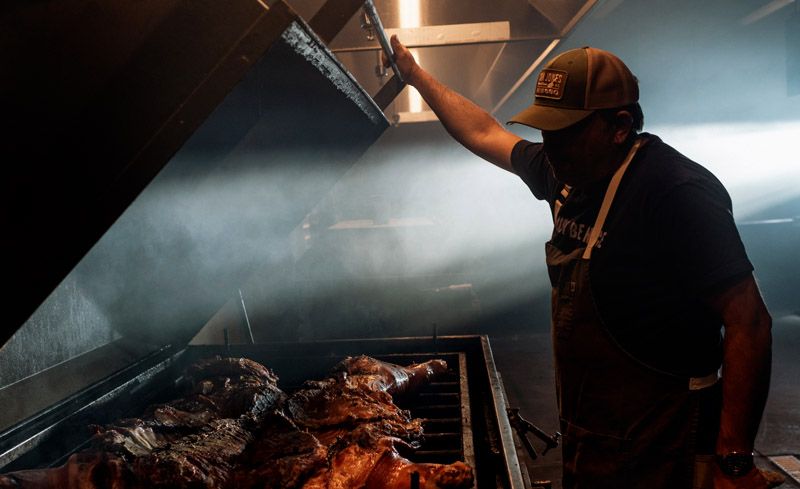
Gas grills and electric smokers make traditionalists scoff loudly. Authentic North Carolina barbecue demands hardwood coals – usually hickory or oak – burned down to glowing embers before cooking begins.
This labor-intensive process bewilders visitors from regions where shortcuts are acceptable. Dedicated pitmasters start fires hours before cooking, carefully managing heat without temperature gauges. The distinctive smoke flavor can’t be replicated with liquid smoke or gas-powered smokers.