
19 New Ingredients And Flavors Discovered This Year That Are Going To Change Your Cooking
The culinary world is always evolving with exciting new flavors and ingredients making their way into our kitchens. This year has brought an amazing array of unique tastes that can transform even your simplest recipes into extraordinary meals.
These discoveries will inspire you to experiment and elevate your cooking to new heights.
1. Yuzu: Japan’s Prized Citrus Treasure
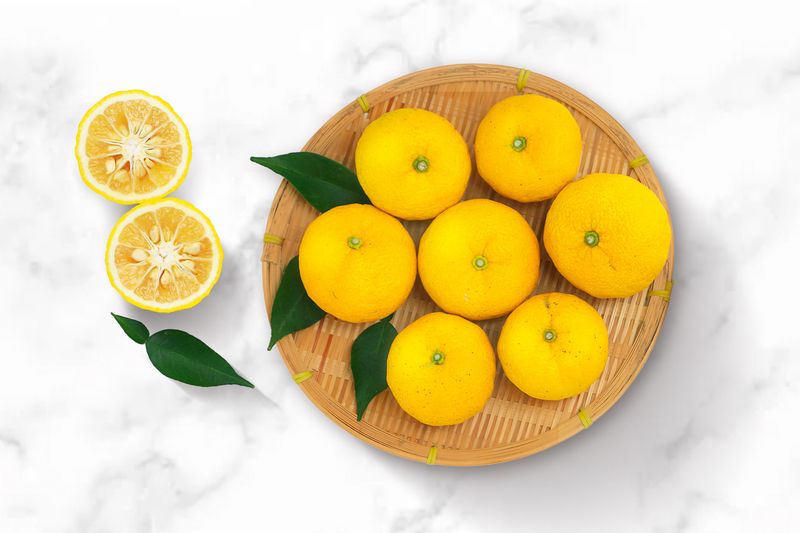
Imagine a lemon and mandarin orange had a zesty baby with floral notes. That’s yuzu! Japanese chefs have treasured it for centuries.
The aromatic peel and tart juice add brightness to dressings, marinades, and cocktails. Just a small amount transforms ordinary dishes into something extraordinary.
2. Ube: The Purple Yam Taking Desserts By Storm
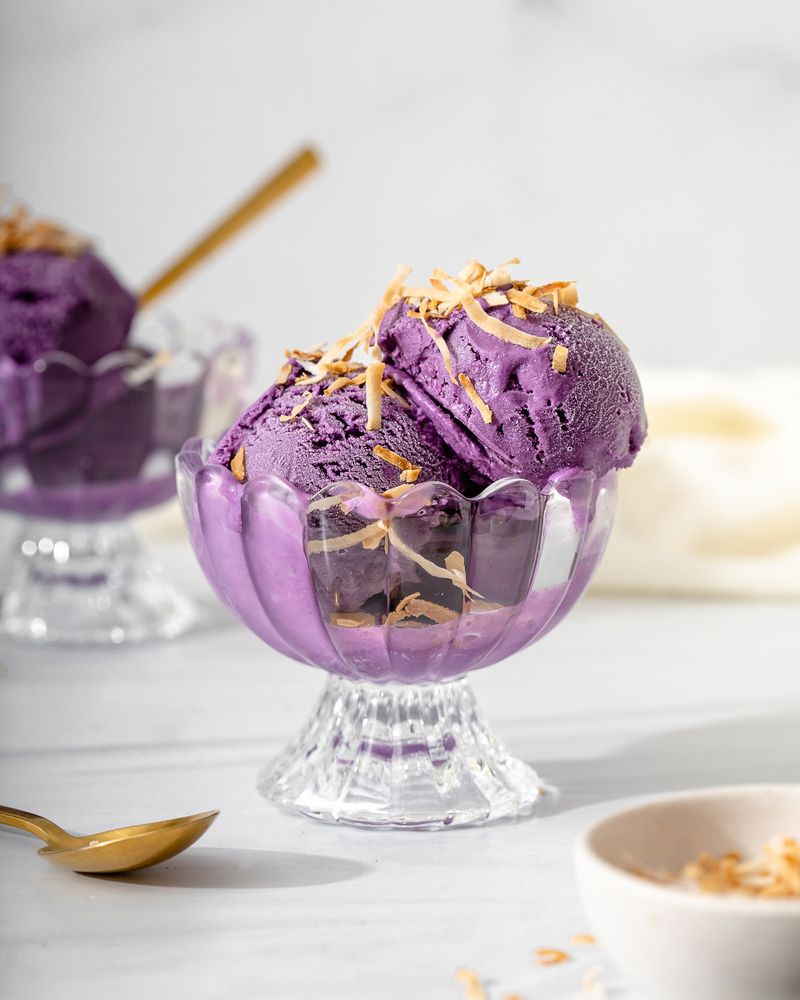
This vibrant purple root vegetable from the Philippines isn’t just Instagram-worthy—it tastes amazing too! Ube offers a subtle, vanilla-like sweetness with nutty undertones.
Bakers worldwide are incorporating it into ice cream, cakes, and pastries. The natural purple color creates stunning desserts without artificial dyes.
3. Seaweed Beyond Sushi: Ocean’s Versatile Gift
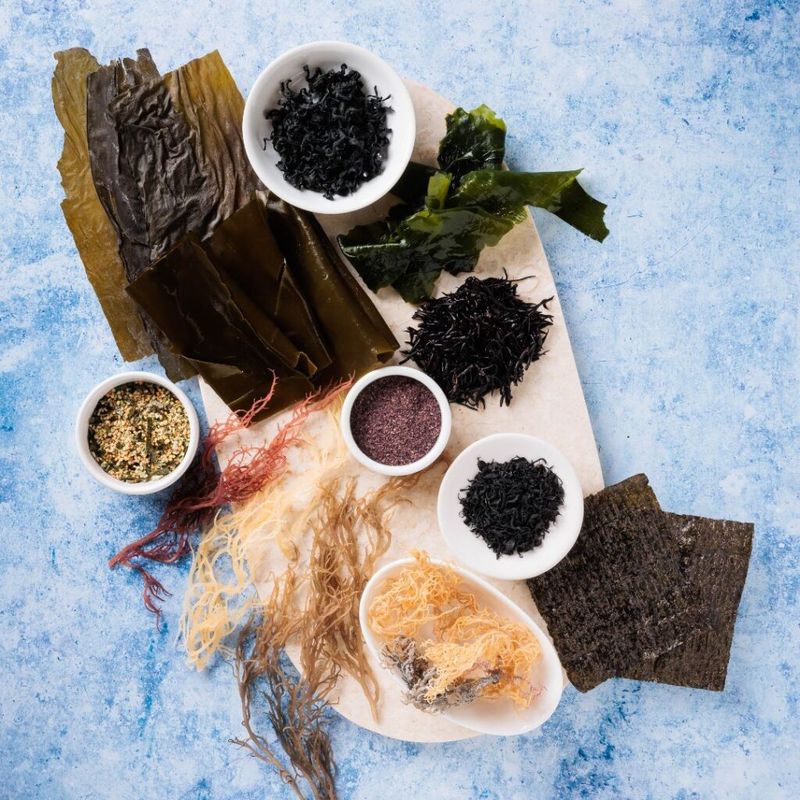
Forget seaweed just for wrapping sushi! Varieties like dulse, nori, and kombu are making waves in everyday cooking.
Rich in umami and packed with minerals, these ocean vegetables add depth to broths, salads, and even as crispy snacks. Their natural saltiness means you can reduce added sodium while boosting flavor.
4. Pistachios: The New Star Of Plant-Based Cooking
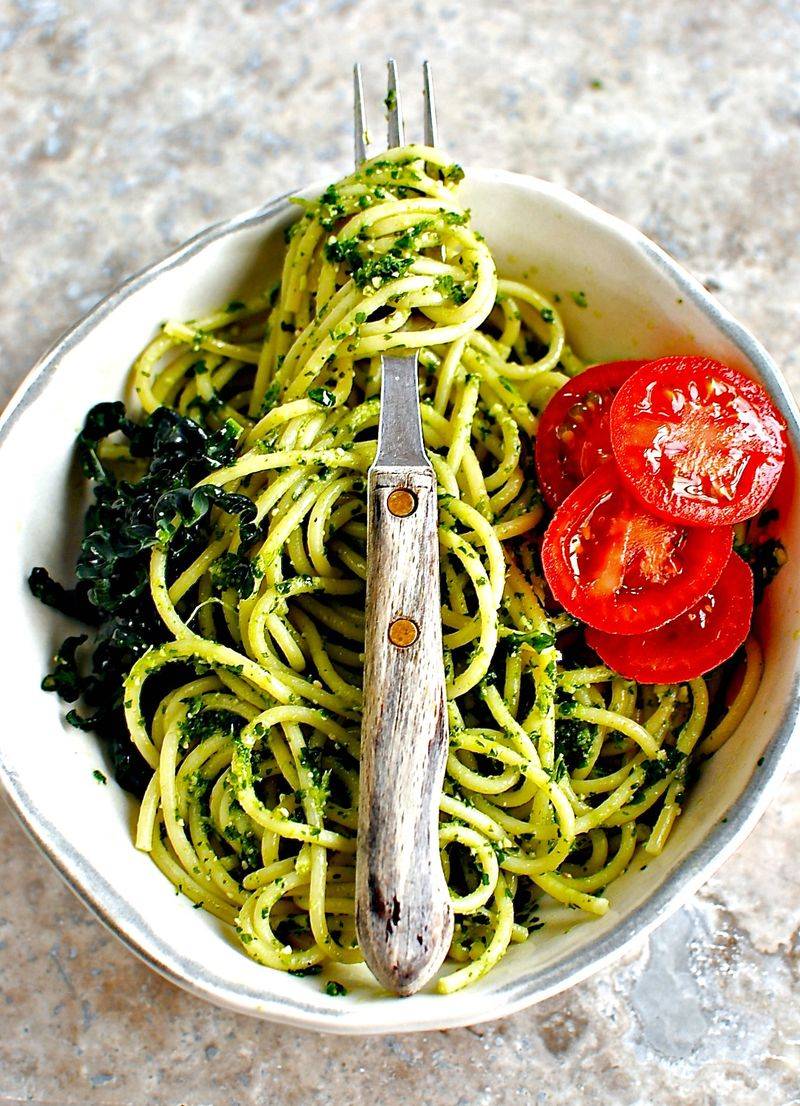
Move over almonds! Pistachios are claiming the spotlight with their distinctive flavor and gorgeous green hue. Chefs are creating pistachio milks, butters, and flours.
Their natural sweetness and colorful appearance make them perfect for both sweet and savory dishes. Try them crushed as a crust for fish or sprinkled over roasted vegetables.
5. Sour Cherries: Tart Gems For Culinary Magic
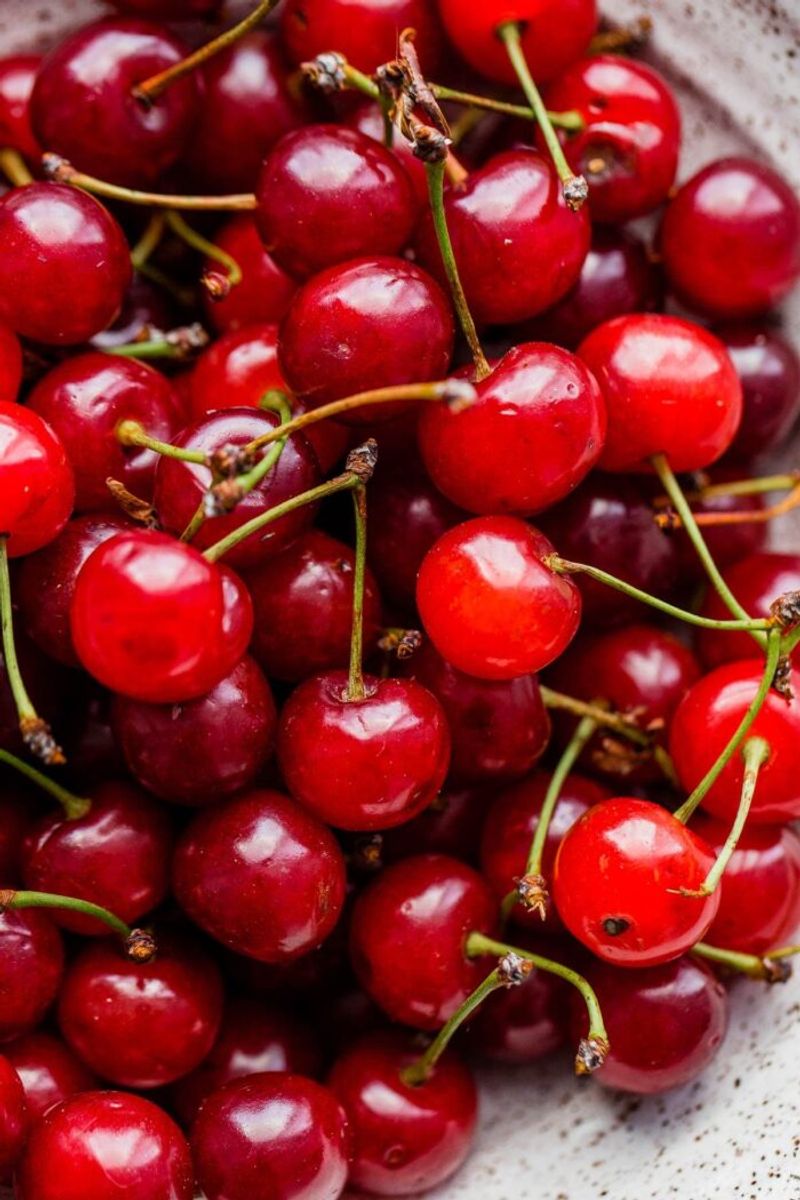
Unlike their sweet cousins, these ruby jewels pack a mouth-puckering punch that transforms ordinary recipes. Traditionally hidden in pies, sour cherries now star in savory dishes too.
Their bright acidity cuts through rich meats and adds complexity to sauces. Dried or frozen, they’re available year-round, bringing summer’s tang to winter meals.
6. Dried Peppers: Flavor Bombs From Around the World
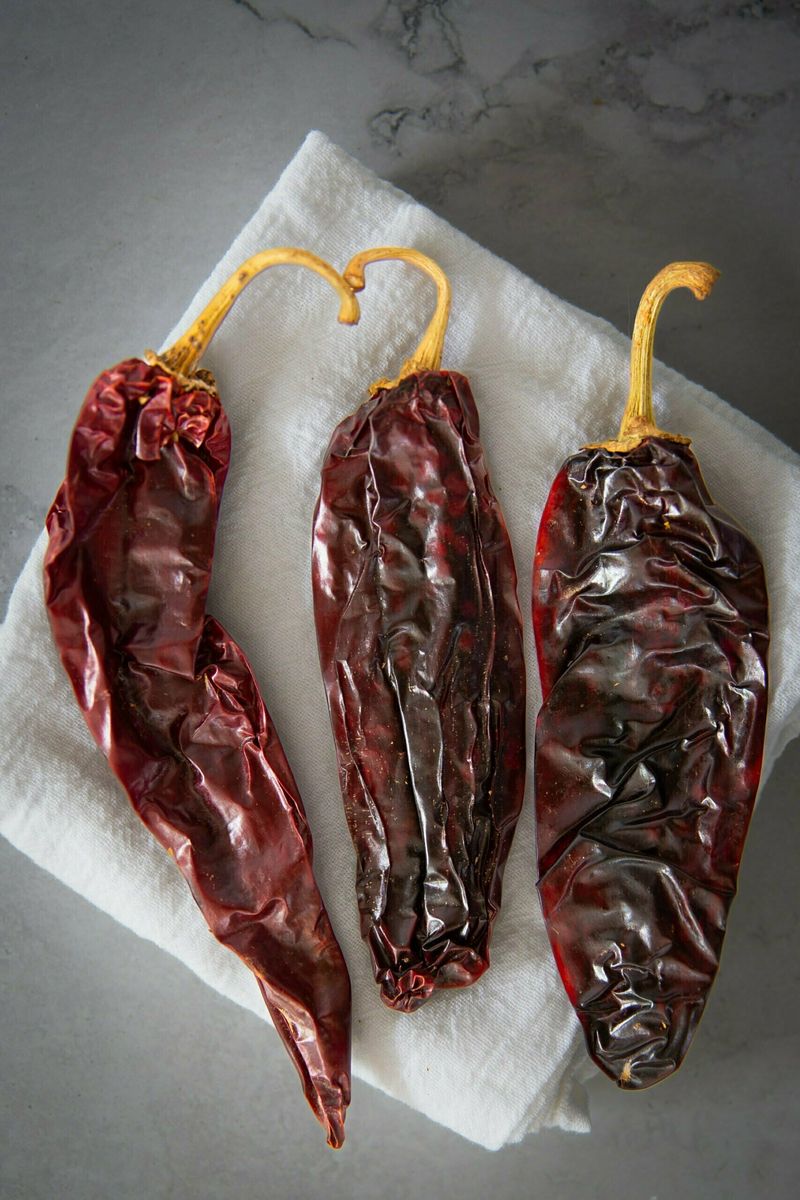
Ancho, guajillo, cascabel, Aleppo—each dried pepper variety tells a different spicy story! Food explorers are discovering these flavor-packed treasures beyond their traditional cuisines.
Rehydrate them for sauces, grind into custom spice blends, or infuse oils. They bring complex heat, smokiness, and depth that fresh peppers simply can’t match.
7. Black Lime: Middle Eastern Secret Weapon
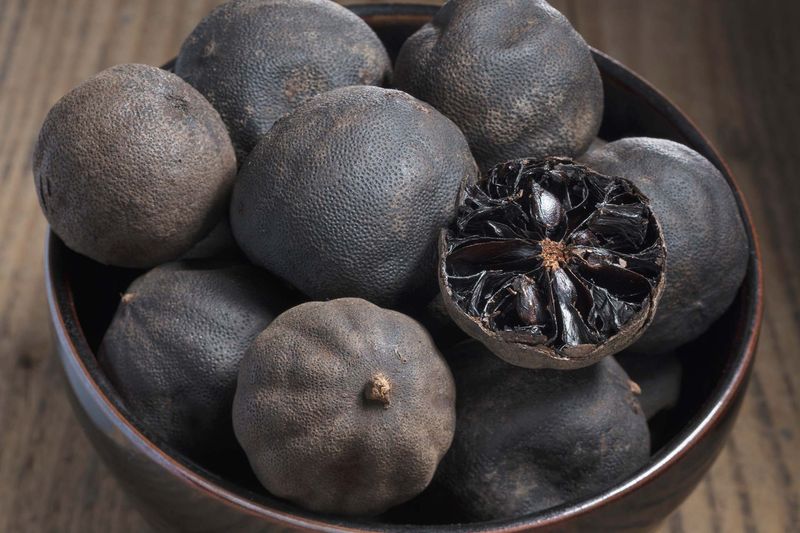
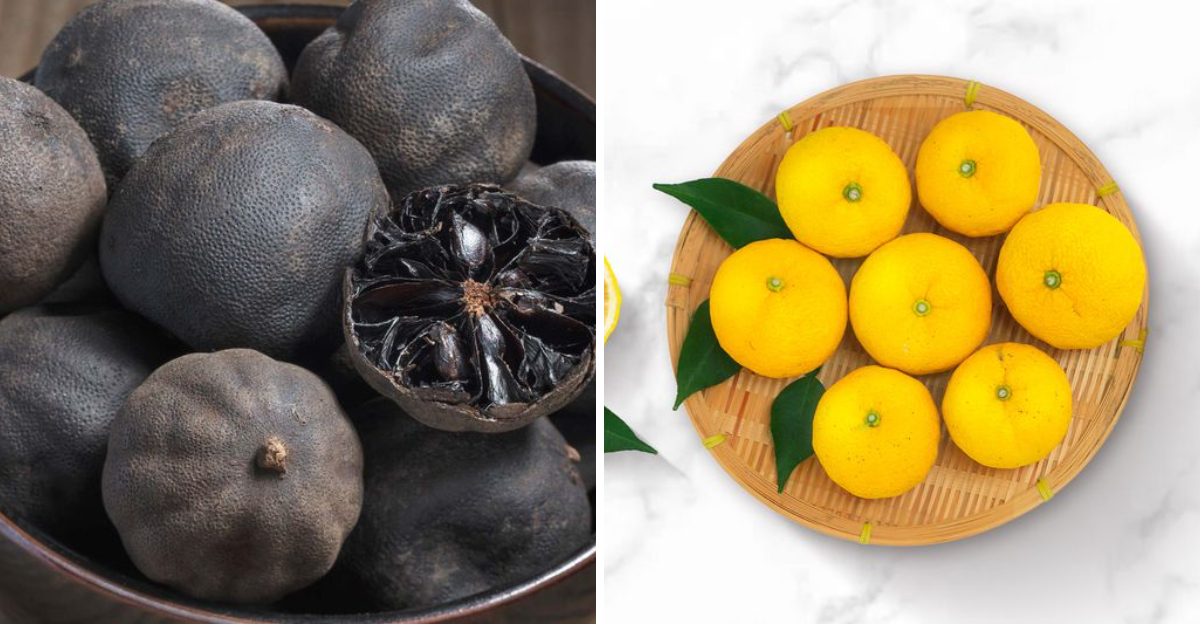
Sun-dried limes that turn black and develop an incredible fermented, tangy-sweet flavor profile. They’ve been a Middle Eastern staple for centuries but are now capturing global attention.
Crush them into powders, add them whole to stews, or grate into spice blends. Their complex citrus punch with earthy undertones works magic in both meat dishes and vegetable preparations.
8. Hawaij: Yemen’s Aromatic Spice Blend
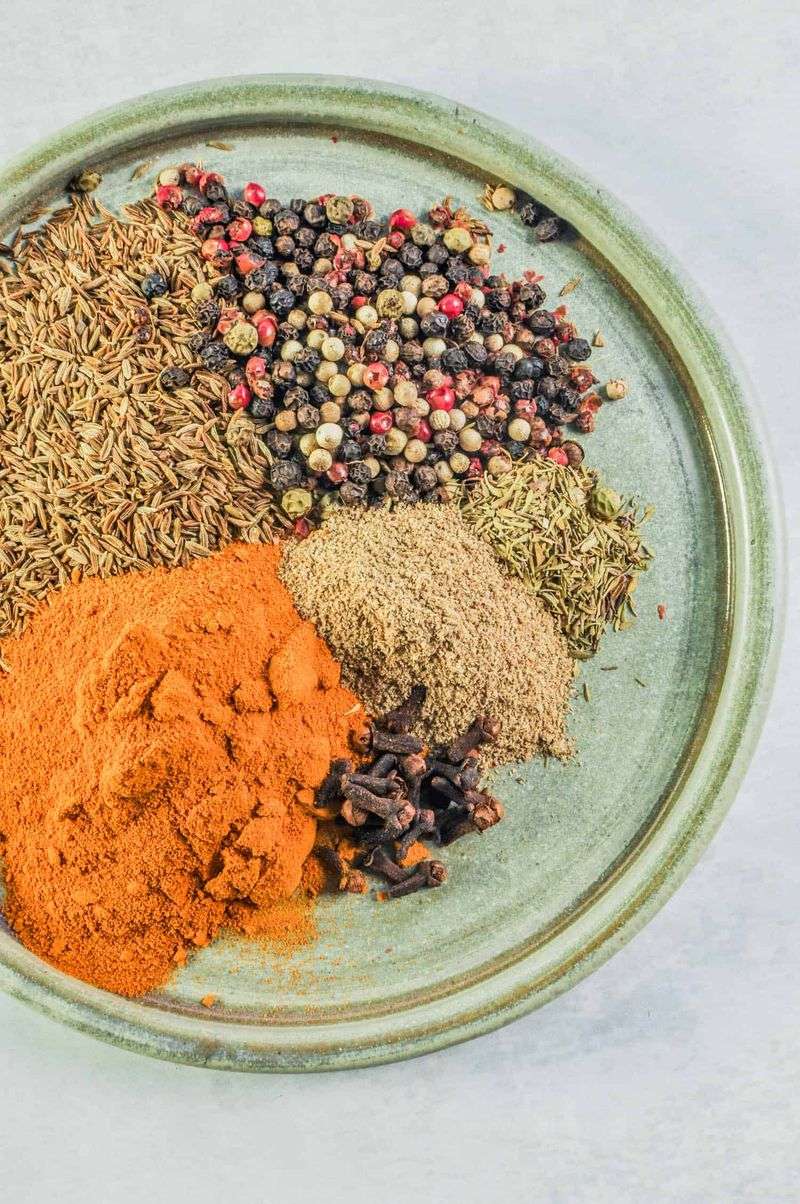
Fun fact: There are actually two versions of this Yemeni spice mix—one for coffee and one for soup! The savory blend combines cumin, black pepper, turmeric, and cardamom.
Sprinkle it on roasted vegetables, rub onto meats before grilling, or stir into rice. The coffee version with ginger and cinnamon transforms ordinary brews into fragrant experiences.
9. Tamarind: Sweet-Sour Fruit For Culinary Balance
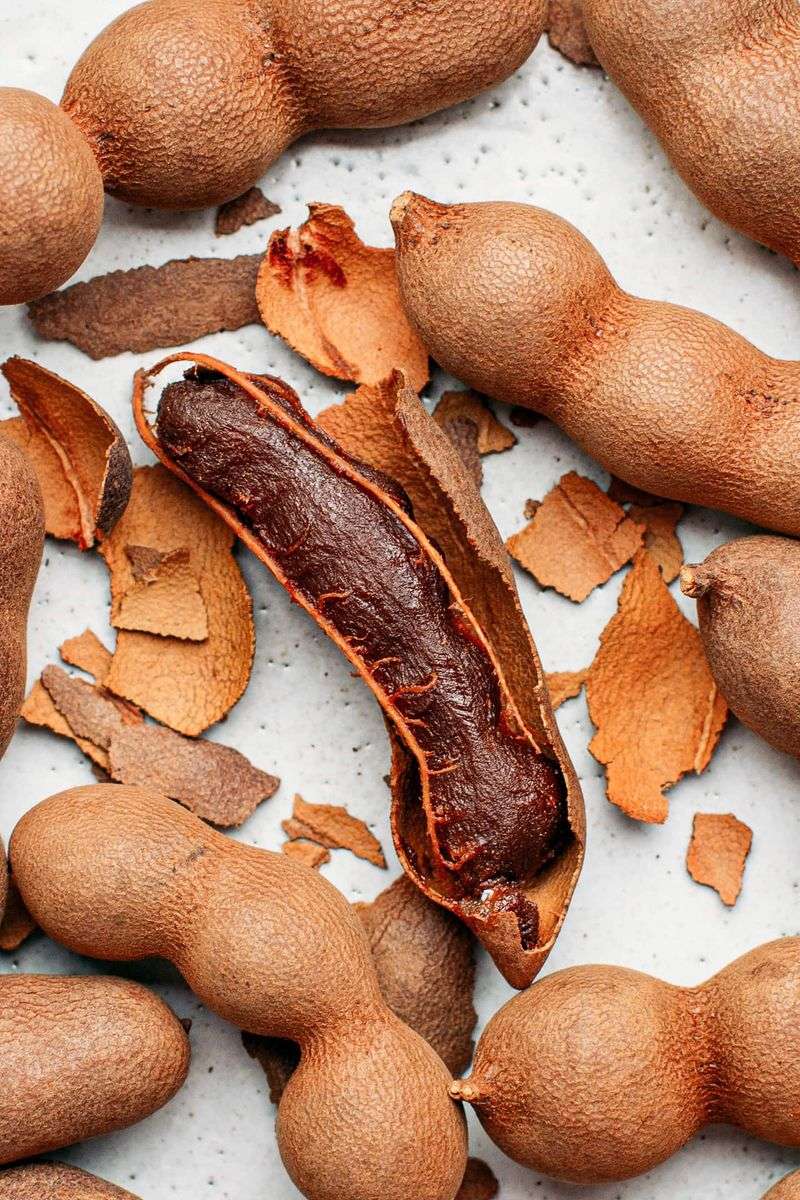
This pod-like fruit contains sticky, date-like pulp with an unmistakable sweet-sour profile. Long used in Asian and Latin cuisines, tamarind is now appearing in unexpected places.
Add it to barbecue sauces for depth, mix into dressings, or use in desserts. Its natural sourness provides balance without vinegar or citrus, creating more complex flavor layers.
10. Kimchi & Fermented Ingredients: Probiotic Flavor Enhancers
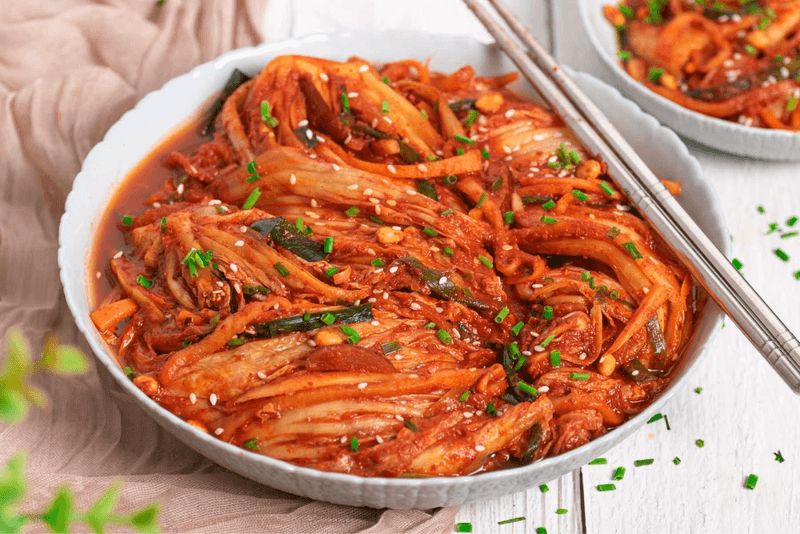
Fermentation isn’t just for kombucha anymore! Chefs are creating kimchi from unexpected vegetables like brussels sprouts or fennel.
These living foods add complexity through natural umami development. Beyond Korean cuisine, they’re being folded into pasta sauces, stirred into dips, or used as sandwich toppings for a surprising tangy crunch.
11. Functional Mushrooms: Adaptogens For Everyday Meals
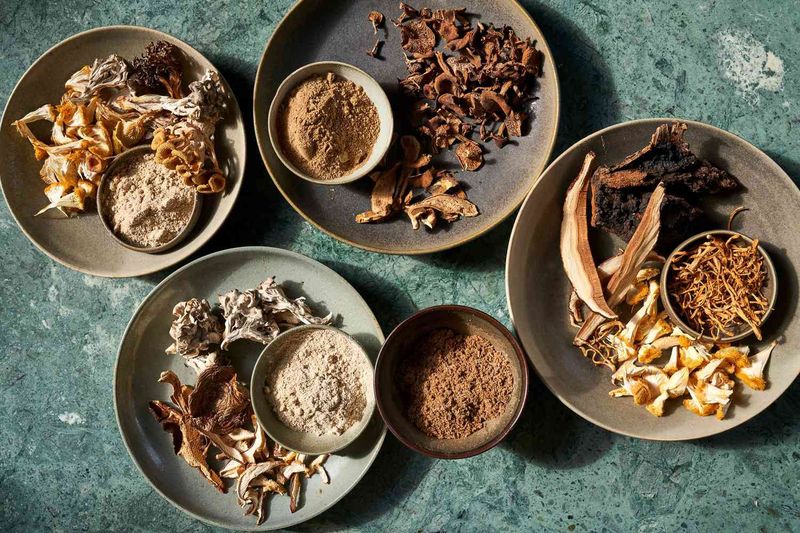
Lion’s mane, reishi, and chaga are stepping out of the wellness world and into everyday cooking. These aren’t your typical button mushrooms!
Powdered forms blend easily into coffee, soups, and sauces. Their earthy flavors complement chocolate and coffee particularly well. Many home cooks appreciate both their unique taste and potential health benefits.
12. Edible Flowers: Botanical Flavors Beyond Garnishes
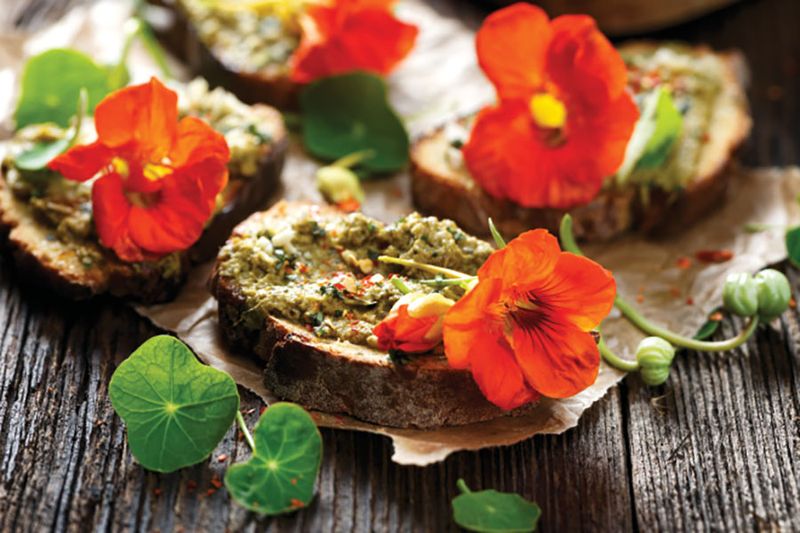
Nasturtiums taste peppery like arugula. Lavender brings subtle sweetness. Marigolds offer a saffron-like quality. Edible flowers are finally being recognized for their flavors, not just their pretty looks.
Freeze them in ice cubes, infuse into vinegars, or fold into batters. Each variety brings its own distinct taste profile that can transform ordinary dishes into botanical adventures.
13. Brown Sugar Variations: Complex Sweetness Redefined
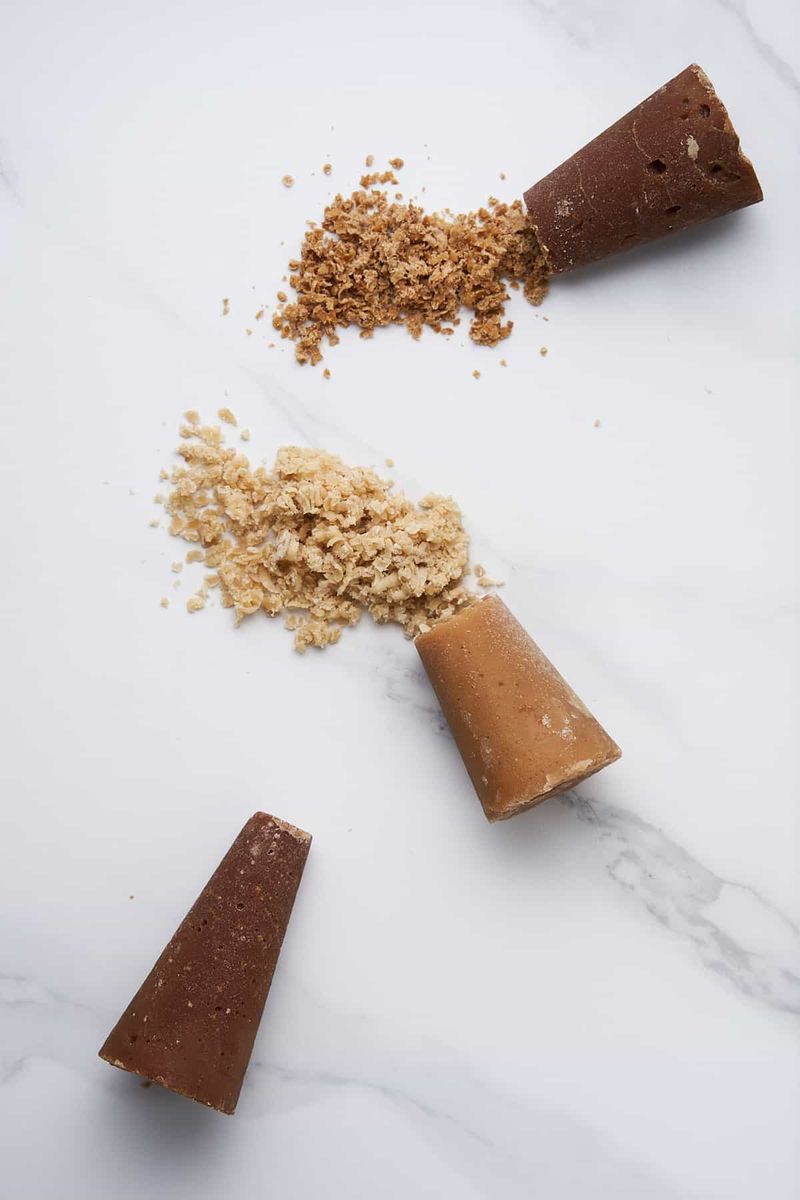
Piloncillo, jaggery, muscovado, and kokuto are revealing that “brown sugar” can mean so many things! These minimally processed sugars retain natural molasses and minerals.
Each variety brings distinct flavor notes from caramel to smoke to rum-like complexity. They’re transforming everything from morning coffee to sophisticated cocktails and marinades with their deep, complex sweetness.
14. Calamansi: The Philippine Citrus Marvel
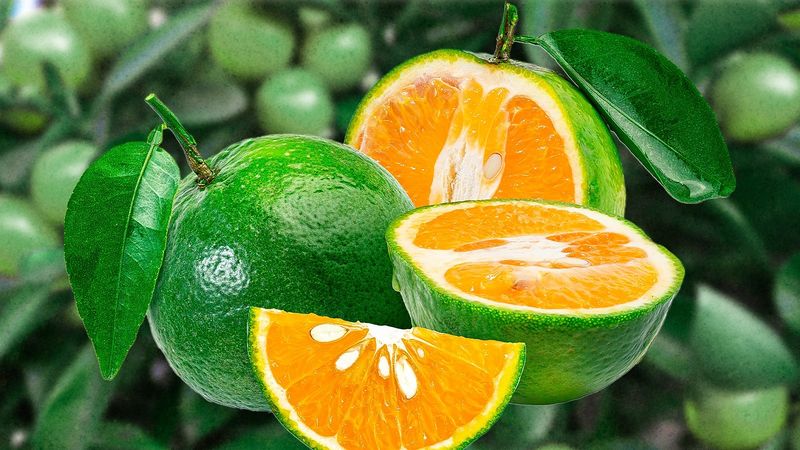
Smaller than a lime with orange flesh, this citrus jewel delivers a unique flavor that’s both sweet and sour. Filipinos have enjoyed it forever, but global chefs are just discovering its magic.
The juice brightens seafood dishes, makes incredible vinaigrettes, and creates refreshing beverages. Its complex flavor profile means it works in both savory applications and desserts.
15. Local Miso: Artisanal Ferments With Terroir

Did you know? Traditional Japanese miso can take years to ferment! American artisans are now creating unique versions using local ingredients like chickpeas, black beans, or even pecans.
These small-batch ferments reflect regional flavors and ingredients. Their complex umami depth works in everything from dressings to desserts, bringing unexpected richness to any dish.
16. Hot Honey: Sweet Heat Revolution
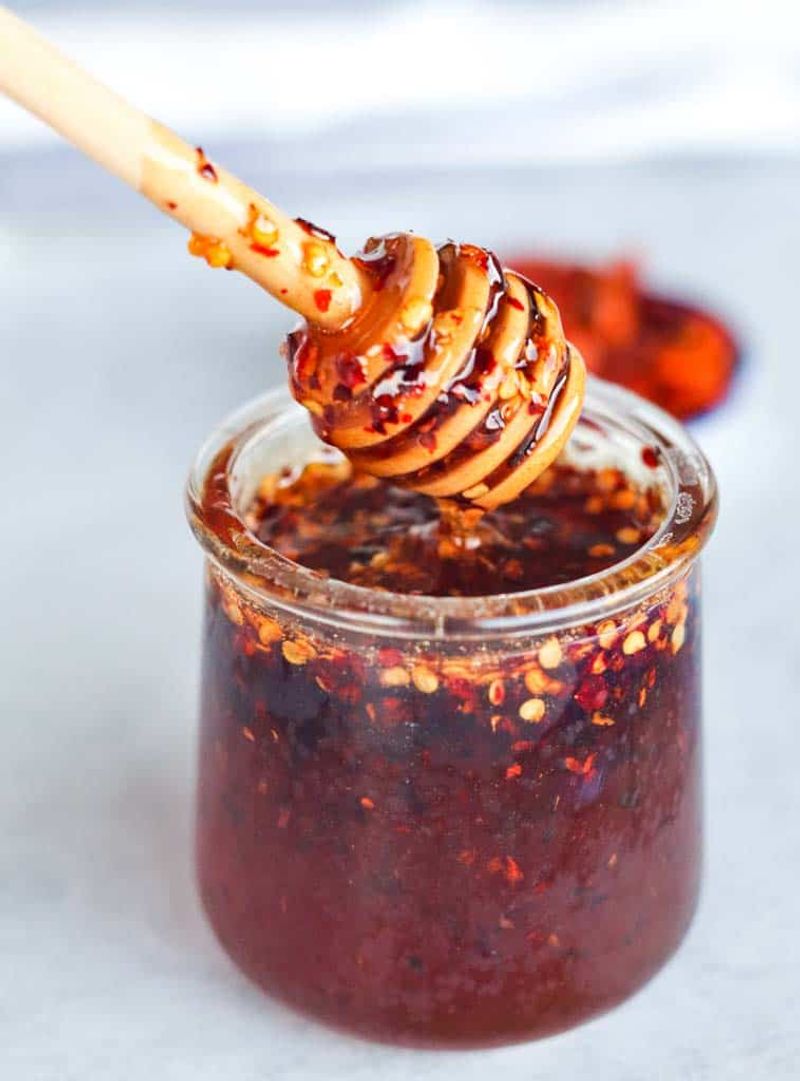
The marriage of honey’s sweetness with chili’s heat creates an irresistible combination that’s enhancing everything from pizza to fried chicken. Artisanal producers are experimenting with different pepper varieties for unique heat profiles.
Drizzle it over cheese boards, brush onto grilled meats, or add to vinaigrettes. The complex interplay of sweet and spicy creates depth that simple honey simply can’t match.
17. Shio Koji
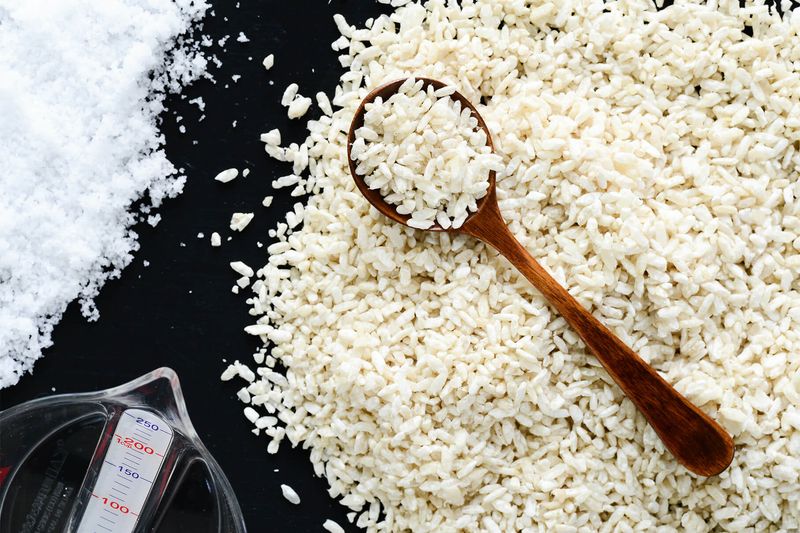
Shio koji may look unassuming, but it’s a flavor bomb waiting to happen. This Japanese fermented mixture of rice, salt, and koji mold is like liquid umami—perfect for marinating meats, tenderizing vegetables, and seasoning soups.
It’s subtly sweet, salty, and funky in the best possible way. Once you try it in a quick chicken marinade or stirred into salad dressing, there’s no going back.
18. Berbere
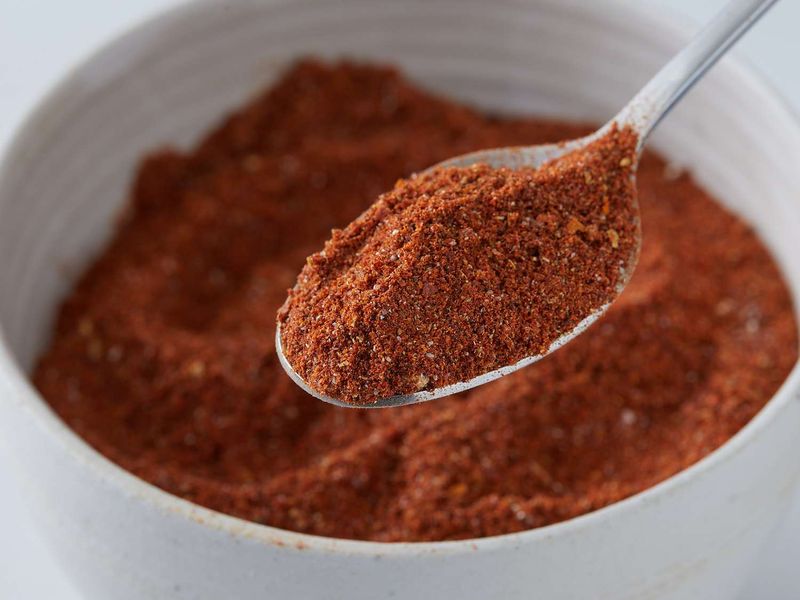
Fiery, complex spice blend from Ethiopia that turns any dish into a flavor explosion. Made with ingredients like chili powder, fenugreek, ginger, and cinnamon, it’s the definition of bold. It’s traditionally used in dishes like doro wat, but it’s just as amazing on roasted carrots or in a smoky lentil stew.
A little goes a long way—and your spice rack will never be the same.
19. Pandan
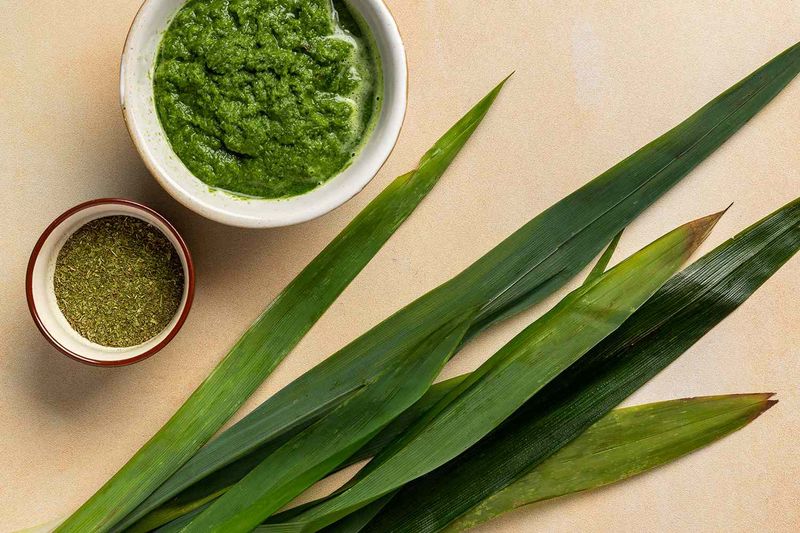
Southeast Asia’s best-kept secret, and it smells like vanilla met a green forest. Its distinct floral, nutty aroma gives desserts, drinks, and rice a mesmerizing flavor that’s hard to describe but impossible to forget. In pandan chiffon cakes, ice creams, or even lattes, it’s a game-changer.
If you haven’t cooked with pandan yet, you’re missing out on one of the most enchanting ingredients around.