15 Foods That Are Naturally Rich In Melatonin
Melatonin helps your body know when it’s time to sleep, and certain foods naturally contain this sleep-supporting hormone. While it’s common to see melatonin in supplement form, some fruits, nuts, grains, and veggies already come with it built in.
Adding these foods to your dinner or evening snack might help you fall asleep faster and sleep more deeply.
This list includes 15 tasty, nutrient-packed options that dietitians often recommend for better rest.
1. Tart Cherries
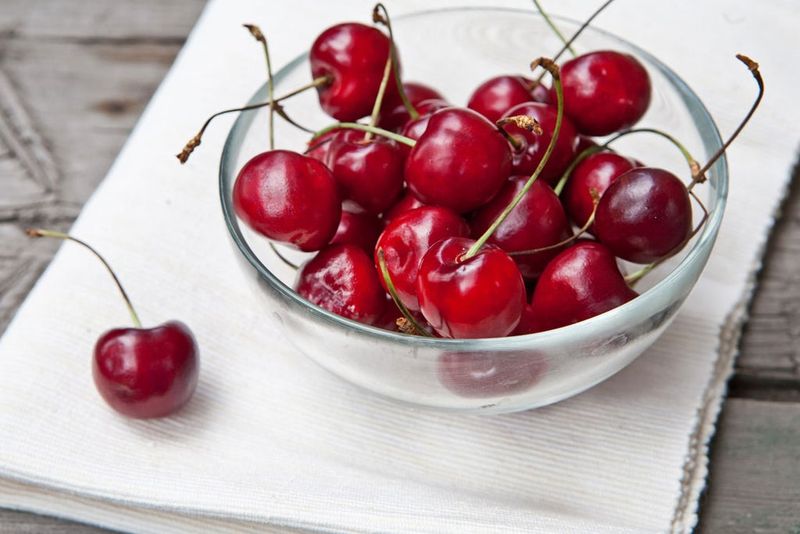
Tart cherries are among the highest natural sources of melatonin found in food. The Montmorency variety, in particular, has been studied for its sleep-promoting benefits.
Drinking tart cherry juice twice a day has been shown to improve sleep duration and quality in adults with insomnia. Try a small glass in the evening, or toss frozen tart cherries into a smoothie or warm compote.
2. Walnuts
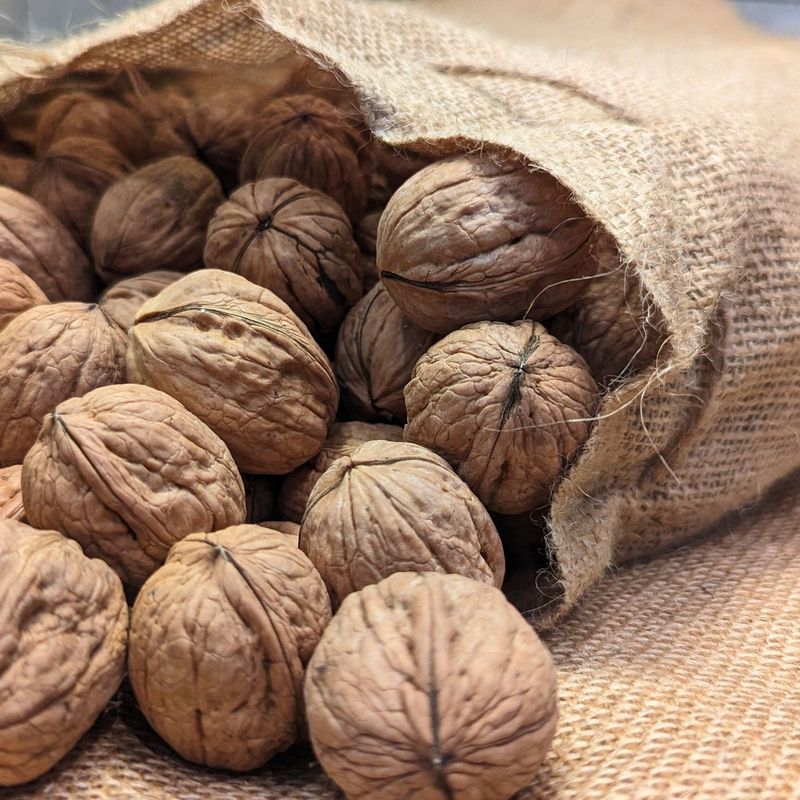
These hearty nuts deliver a gentle melatonin boost alongside omega-3 fatty acids and magnesium, both important for calm and rest. A serving of about 7 whole walnuts also offers tryptophan, a precursor to melatonin.
They make a great topping for oatmeal or a bedtime snack on their own. Lightly toast them for better flavor and digestibility.
3. Almonds
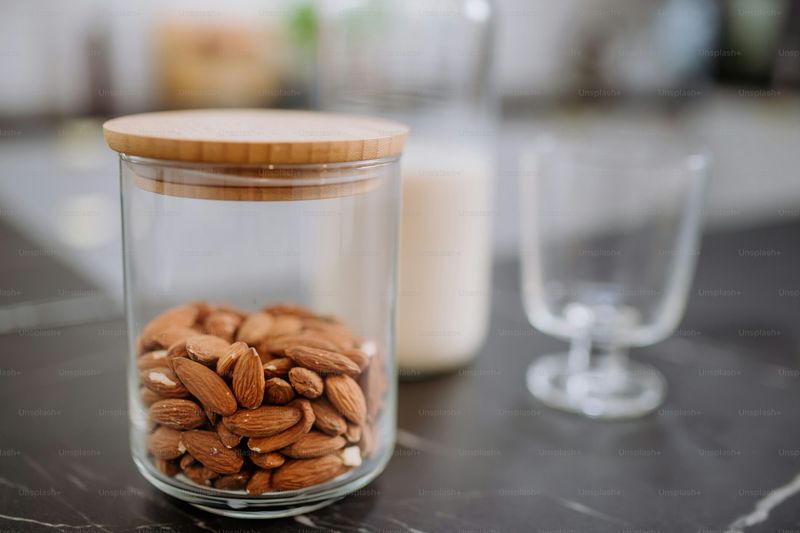
Almonds contain a modest amount of melatonin and are packed with magnesium, which supports healthy sleep patterns by relaxing muscles and nerves. They also stabilize blood sugar, preventing nighttime dips that can disrupt rest.
Stick to a handful before bed, or use almond butter on whole-grain toast for a sleep-friendly snack. Choose unsalted, dry-roasted almonds for best results.
4. Bananas

This fruit’s mellow sweetness hides a powerful mix of sleep helpers—melatonin, magnesium, and potassium all in one peel. Bananas also raise serotonin levels, which helps the body produce melatonin naturally.
Blend one into a smoothie or enjoy sliced with peanut butter for a calming, satisfying evening bite. They’re especially good about 1–2 hours before bed.
5. Oats
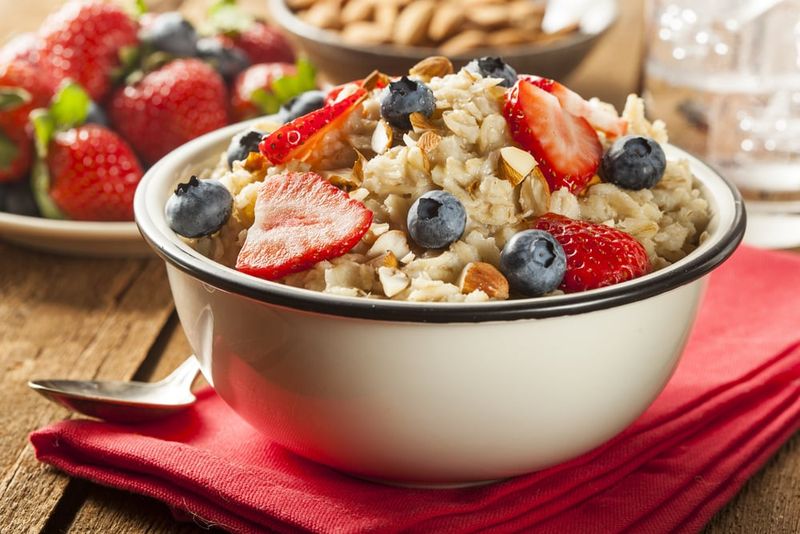
Whole oats naturally contain melatonin and complex carbohydrates, which help tryptophan reach the brain and support melatonin production. They also stabilize energy levels and support gut health, both of which affect sleep.
A warm bowl of oatmeal made with milk can double the benefit. Add cinnamon, banana, or tart cherries for a triple sleep-friendly combo.
6. Milk
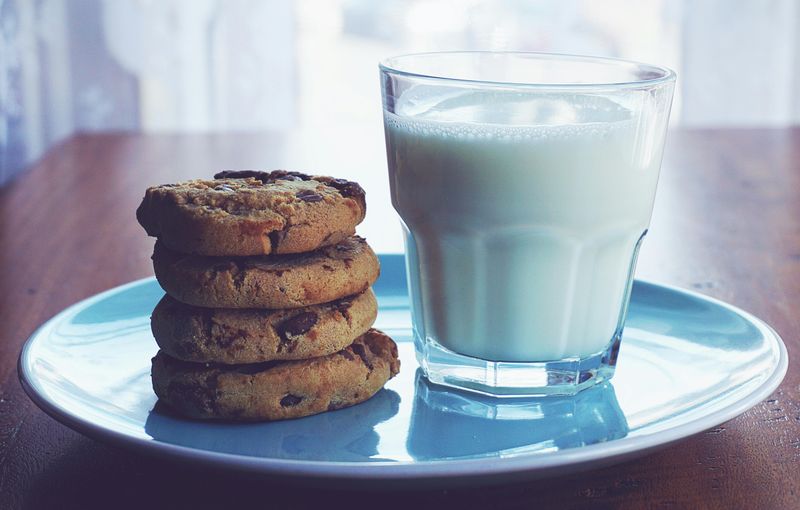
Classic and comforting, milk has melatonin and tryptophan—making it a time-tested choice for bedtime. Studies show that warm milk may have a calming psychological effect as well.
Use it in your evening oatmeal or drink it on its own. For extra support, try a warm turmeric milk (golden milk) made with almond milk and spices.
7. White Rice

Though lower in fiber, white rice has a high glycemic index, which may help increase the body’s natural melatonin production when eaten 1–2 hours before sleep. It also contains small amounts of melatonin directly.
Japanese researchers found that people who regularly ate rice slept better than those who ate less. Serve it with steamed veggies and a protein for a balanced evening meal.
8. Eggs

Eggs are a solid source of melatonin, as well as protein, vitamin D, and B12—all of which are tied to sleep health. Both yolks and whites contain the hormone, making the whole egg a helpful part of your diet.
Try a hard-boiled egg as a simple snack, or include eggs in your dinner through omelets, frittatas, or grain bowls.
9. Pineapple

Juicy and bright, pineapple has been shown to increase blood melatonin levels significantly after consumption. It’s also rich in vitamin C, which helps reduce oxidative stress and may support deeper sleep.
Cut fresh pineapple into chunks for a refreshing dessert. Avoid canned varieties with added sugar, which could interfere with sleep.
10. Barley
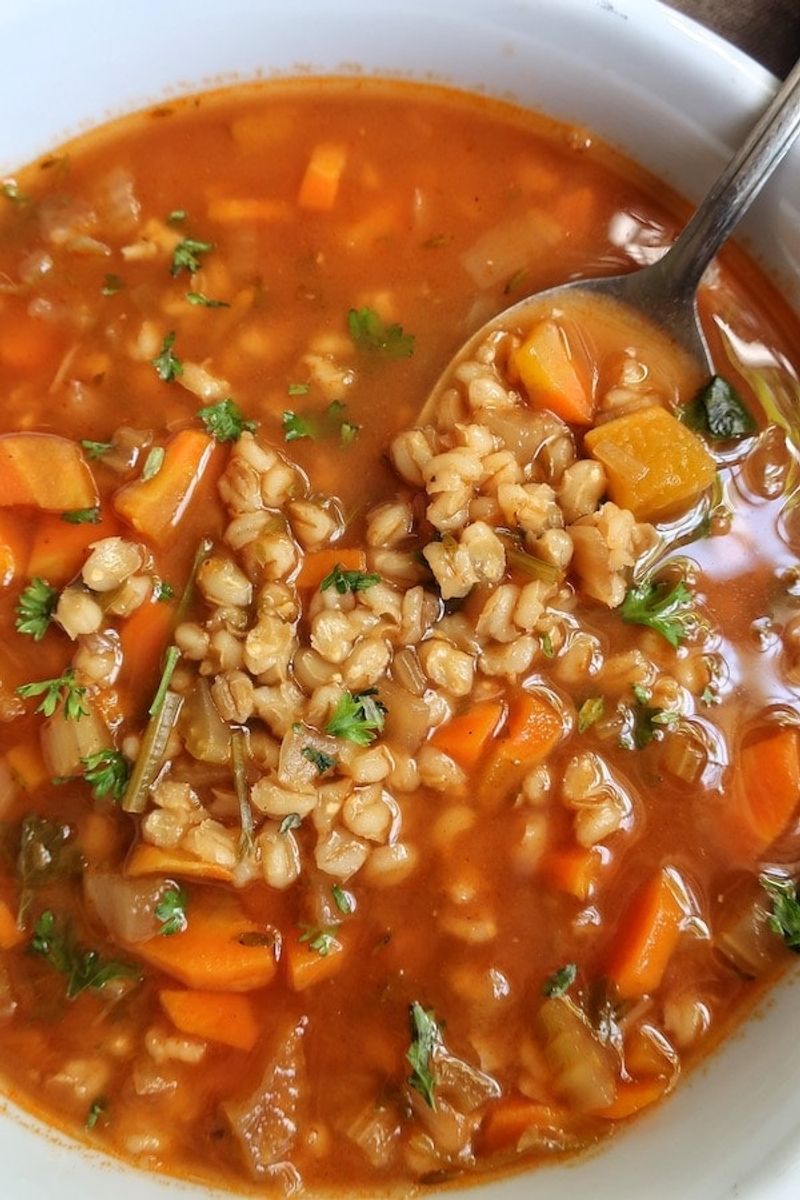
This ancient grain holds natural melatonin and provides complex carbs that support the brain’s uptake of tryptophan. It’s also high in beta-glucan, a fiber that balances blood sugar through the night.
Cook barley as a side dish or base for soups and stews. Leftover barley can be chilled and tossed into grain salads for the next day.
11. Tomatoes
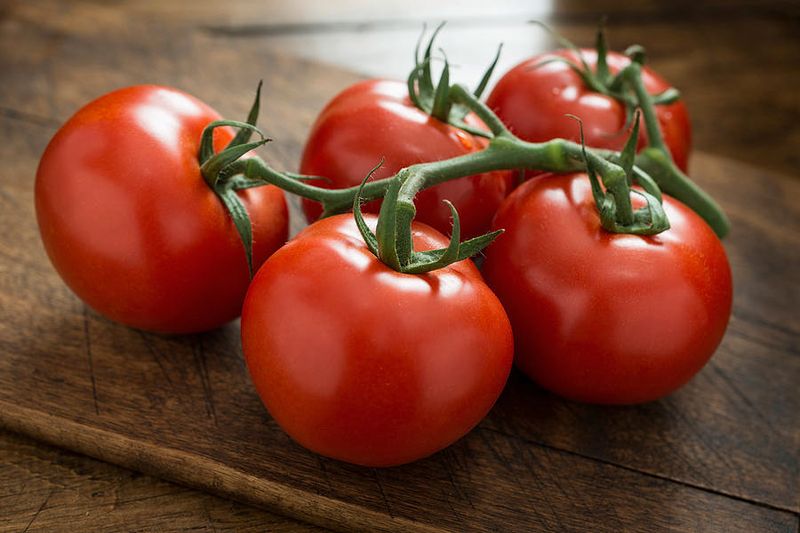
Bright, fresh tomatoes contain melatonin along with lycopene, a powerful antioxidant that may reduce inflammation and support circadian rhythm. Cooked tomatoes retain much of their melatonin, especially in sauces.
Enjoy tomatoes roasted, stewed, or fresh in a salad with olive oil and herbs. Try a slice of tomato on whole-grain toast for a light evening snack.
12. Strawberries
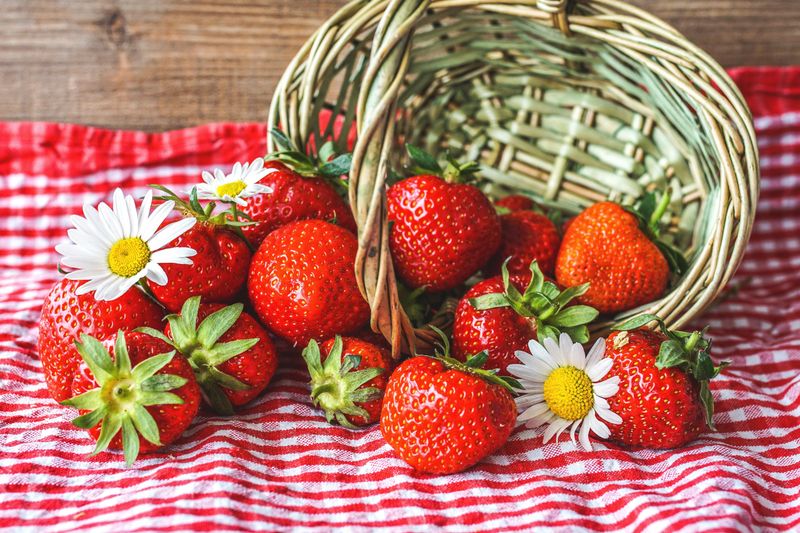
These juicy berries offer a small melatonin boost along with vitamin C, fiber, and polyphenols that support metabolic and immune health. Their light sweetness and freshness make them easy to include after dinner.
Use them in yogurt parfaits, blend into smoothies, or simply snack on a bowl before bedtime. Aim for organic when possible to reduce pesticide exposure.
13. Goji Berries
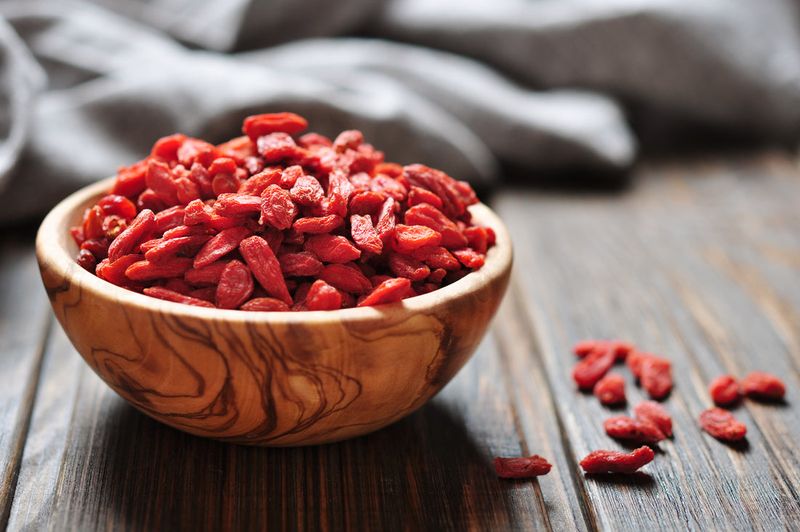
Goji berries contain one of the highest amounts of melatonin found in fruit. They’ve been used in traditional Chinese medicine for centuries to aid sleep and overall vitality.
Add dried goji berries to trail mix, oatmeal, or herbal tea. Soaking them in water before eating can make them easier to digest and more hydrating.
14. Mushrooms
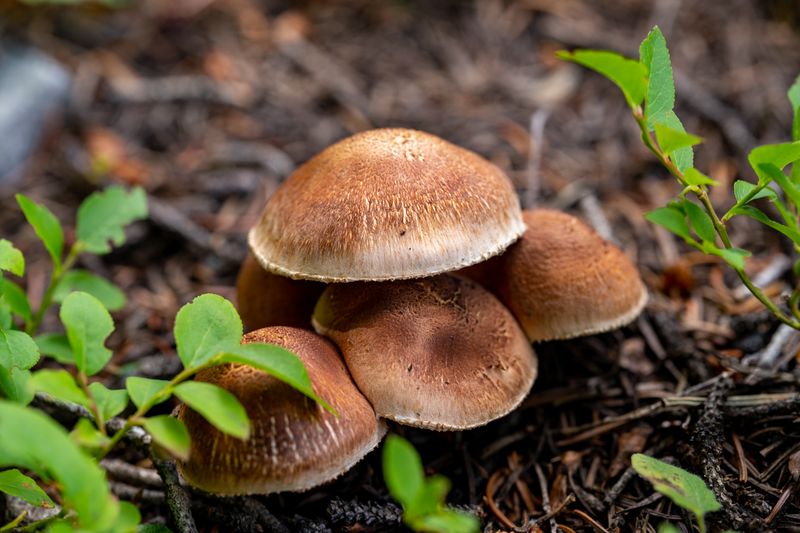
Certain mushrooms like shiitake, maitake, and reishi contain small amounts of melatonin along with important antioxidants and vitamin D. Reishi, in particular, is prized for its calming effects.
Try sautéing mushrooms in olive oil as a side dish or add them to stews and broths. For deeper benefits, explore powdered mushroom blends in teas or supplements.
15. Corn

Corn naturally contains melatonin and supports serotonin production with its complex carbohydrates. It’s especially beneficial when eaten in minimally processed forms.
Enjoy corn as grilled cobs, a warm corn salad, or polenta. Pair it with protein and greens to round out an evening meal that’s kind to your sleep cycle.