9 Louisiana Seafood Orders To Avoid And 9 Locals Swear By
Louisiana’s seafood scene is legendary, but not all dishes are created equal. Locals know exactly which seafood treasures are worth your time and which ones might leave you disappointed.
Whether you’re visiting the Bayou State or just want to eat like a true Louisianan, knowing the difference between tourist traps and authentic delicacies can make or break your dining experience.
1. Out-of-Season Crawfish
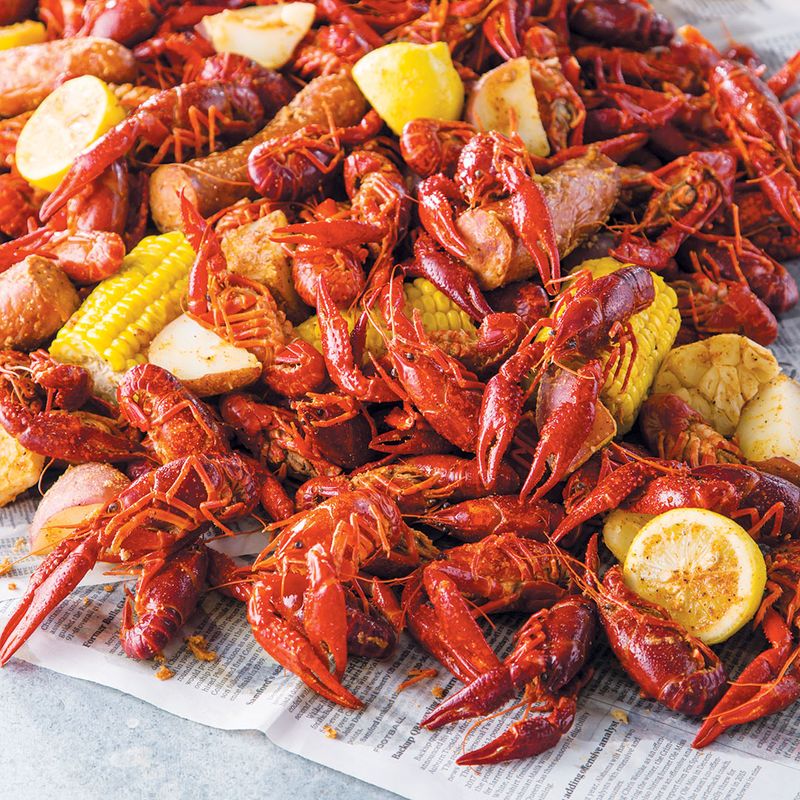
Louisiana crawfish have a distinct season, typically running from February through May. Ordering these mudbugs out of season often means you’re getting imported, frozen substitutes that lack the sweet, tender qualities locals crave.
True crawfish enthusiasts wait patiently for the season to arrive, knowing that timing is everything. The smaller, less flavorful off-season varieties simply can’t compare to the plump, juicy crawfish harvested during peak months.
2. Shrimp Cocktail
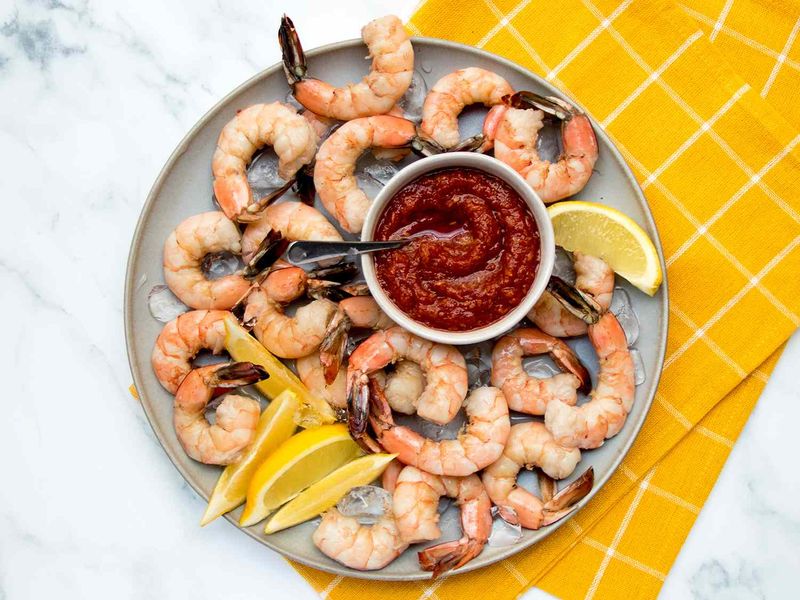
Ordering shrimp cocktail in Louisiana is like asking for ketchup on your filet mignon. This bland appetizer found on chain restaurant menus nationwide doesn’t showcase the incredible Gulf shrimp that Louisiana is famous for.
Gulf shrimp deserve better treatment, whether blackened, stuffed, barbecued, or swimming in a rich étouffée. Most locals would raise an eyebrow at anyone passing up authentic regional preparations for this boring standby.
3. Gumbo from Tourist-Trap Restaurants
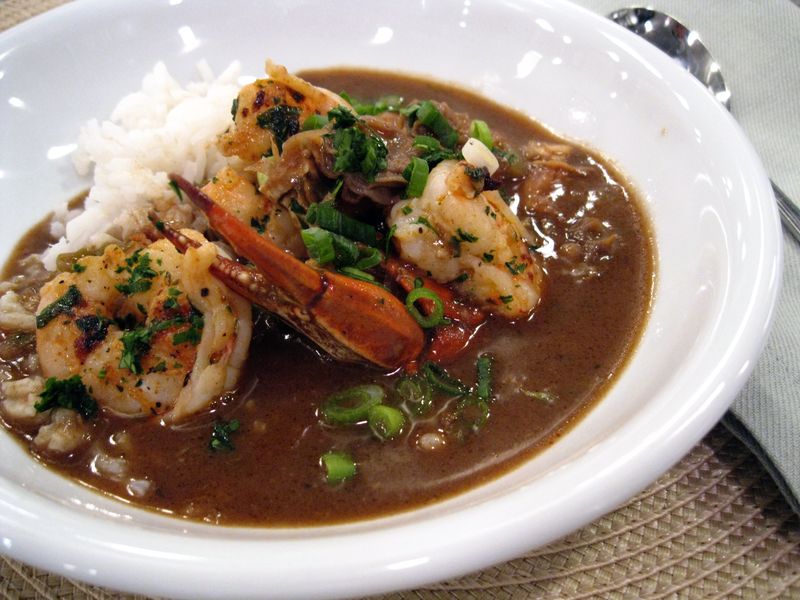
The French Quarter’s tourist hotspots often serve watery, flavorless versions of Louisiana’s beloved gumbo. Real gumbo starts with a dark roux that takes patience and skill, something mass-production kitchens rarely invest in.
A telltale sign of tourist gumbo? Bright red broth and vegetables that still have crunch. Authentic gumbo features a rich, complex broth where seafood flavors meld perfectly with smoky undertones.
4. Generic Fried Seafood Platters in Tourist Areas
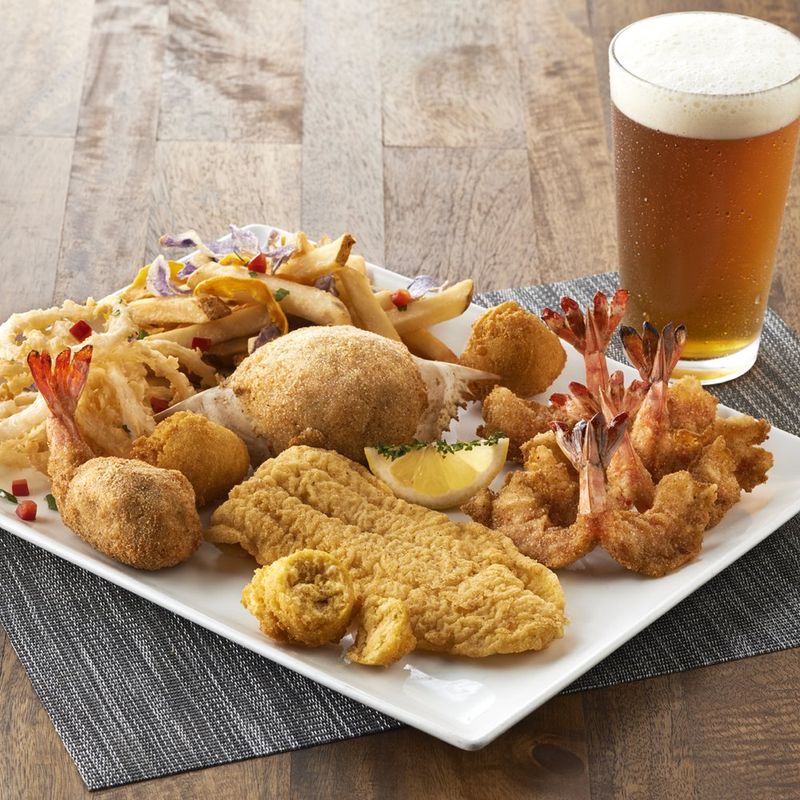
Those massive fried seafood platters advertised in neon along Bourbon Street? Hard pass from the locals. These greasy mountains of overbreaded, previously-frozen seafood hide the natural flavors rather than enhance them.
The breading often tastes the same whether you’re eating shrimp, oysters, or catfish. Authentic Louisiana frying techniques use lighter batters that complement each type of seafood differently, preserving their distinct characters rather than smothering them.
5. Imported or Non-Gulf Oysters
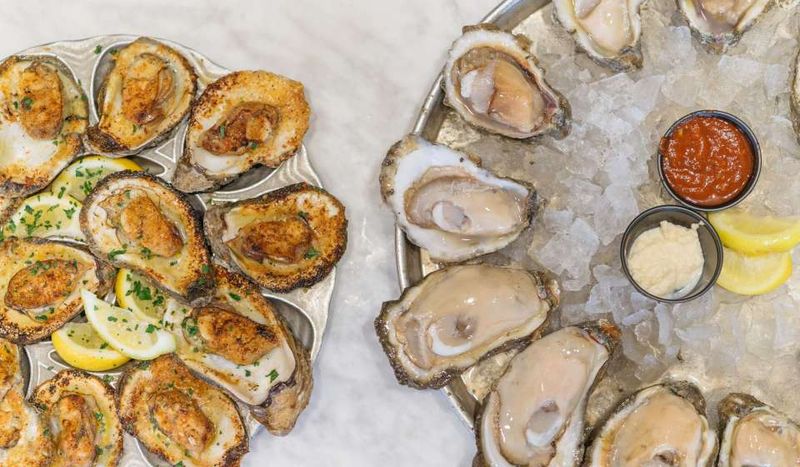
Louisiana locals can spot an imported oyster from a mile away. The briny, mineral-rich flavor profile of Gulf oysters can’t be replicated by their West or East Coast cousins.
Many high-end restaurants try to impress with exotic oyster varieties from colder waters. While these may please some palates, they miss the point of Louisiana seafood culture. Gulf oysters have a unique sweetness and plumpness that’s central to classic dishes like Oysters Rockefeller.
6. Turtle Soup from Non-Authentic Spots
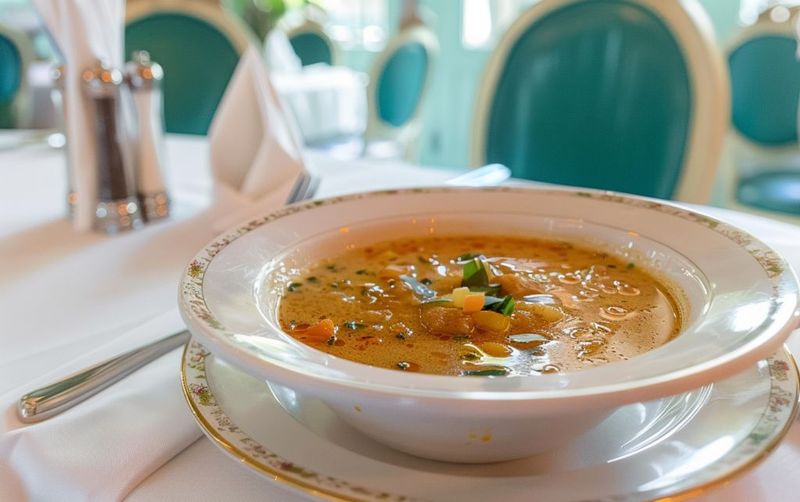
Turtle soup has deep roots in Louisiana cuisine, but many restaurants cut corners. The real deal simmers for hours with a complex blend of spices and a splash of sherry added tableside.
Skip the watered-down versions served at chain restaurants. They often use minimal turtle meat (if any) and compensate with thickeners and artificial flavors.
An authentic bowl should have a mahogany color and rich, almost gamey flavor that’s unmistakable.
7. Overpriced Seafood Pasta with Frozen Shrimp
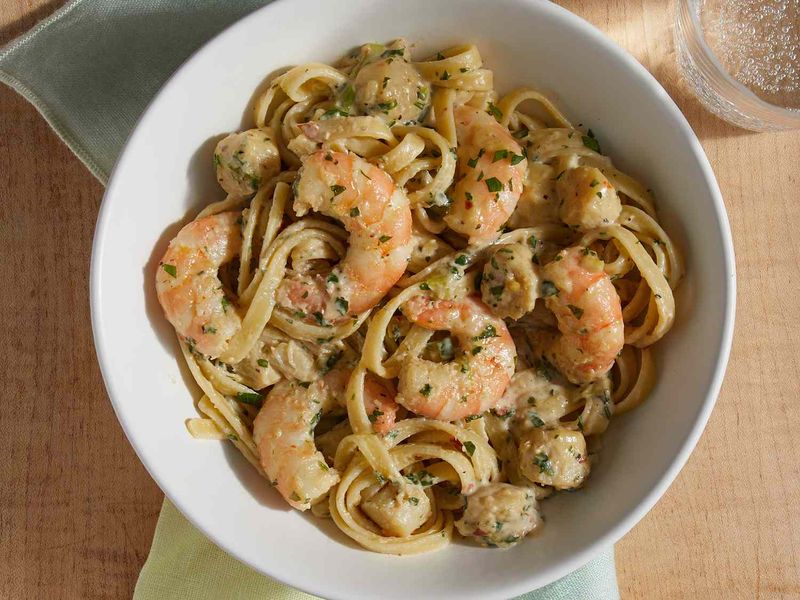
Those fancy seafood pasta dishes with tiny, perfectly uniform shrimp? Dead giveaway of frozen, imported seafood. Louisiana chefs who respect their craft use fresh, local catch that varies naturally in size.
The cream sauces in these tourist-targeted dishes often mask the freezer burn taste of old seafood. A genuine Louisiana seafood pasta should showcase Gulf shrimp’s natural sweetness, not bury it under heavy sauce.
8. Non-Seafood Orders at Seafood-Focused Chains
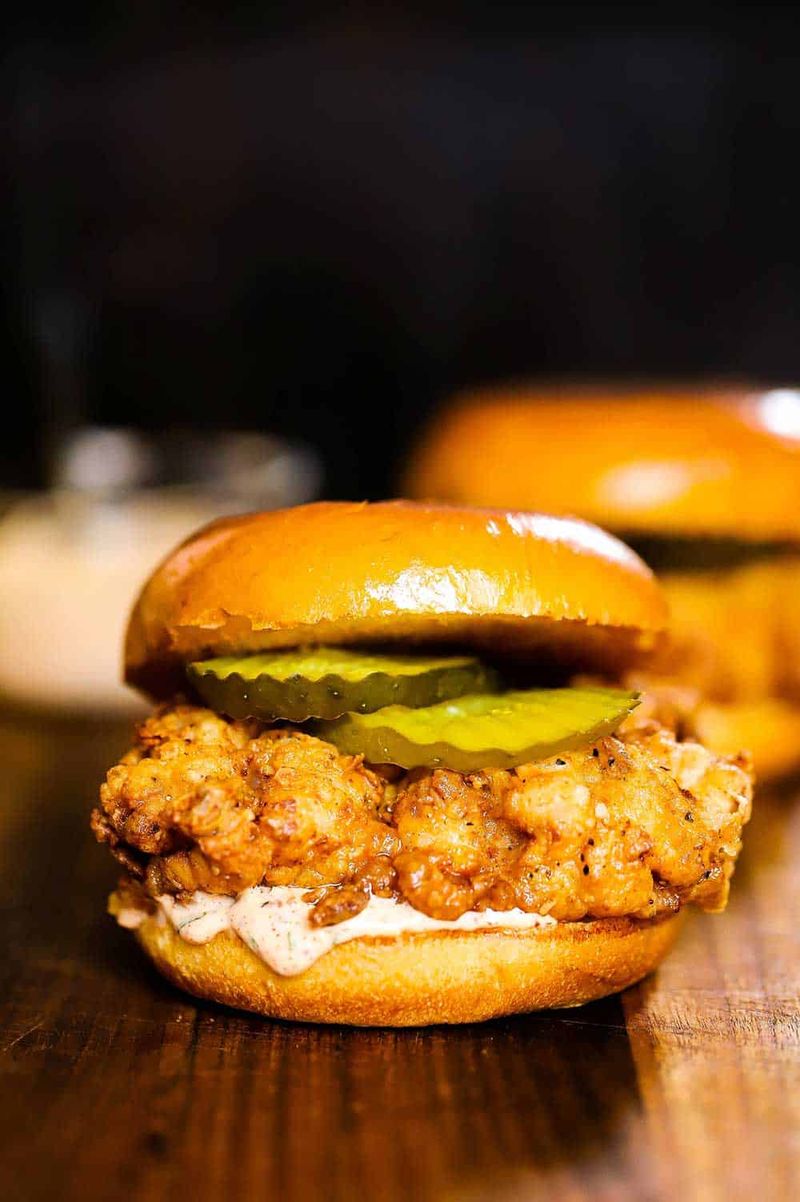
Ordering a chicken sandwich at a Louisiana seafood joint is like visiting the Grand Canyon and staring at your phone. Why waste the opportunity to experience what the region does best?
Chain restaurants that offer everything from burgers to pasta typically excel at nothing. Their seafood options are afterthoughts, not specialties.
Local wisdom says: when in a seafood restaurant in Louisiana, eat seafood, otherwise, you’re missing the whole point of the culinary tradition.
9. Frozen Alligator Bites or Other Gimmicky Seafood Items
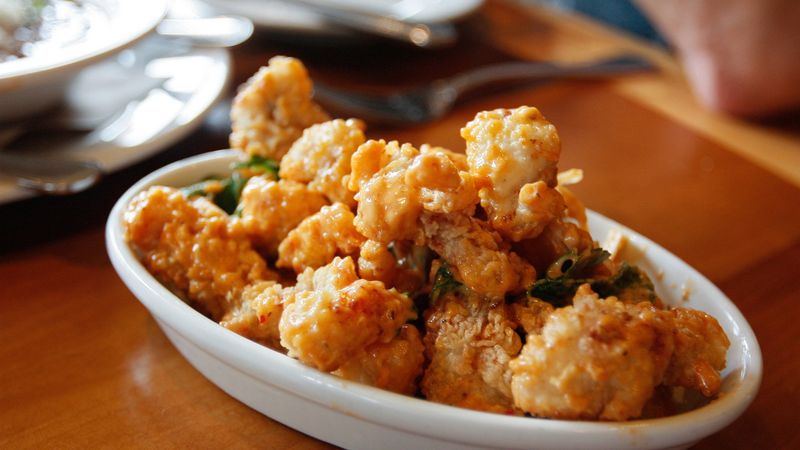
Those pre-packaged alligator nuggets sold as novelty items? Pure tourist bait. Fresh alligator meat has a delicate flavor similar to chicken but with a unique texture that’s completely lost in frozen, over-seasoned nuggets.
Authentic alligator dishes are prepared with respect for the ingredient. The meat is marinated to tenderize it properly and cooked by someone who understands its properties.
Skip the gimmicky presentation and seek restaurants where locals actually eat their gator.
1. Stuffed Flounder
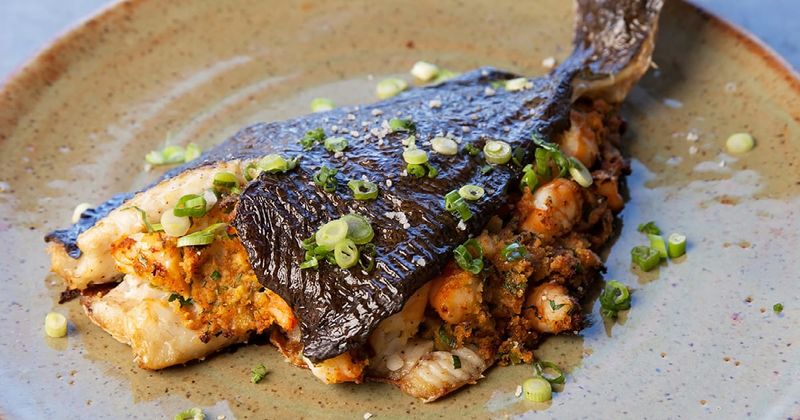
A properly prepared stuffed flounder represents Louisiana seafood artistry at its finest. The delicate white fish serves as a canvas for a savory stuffing of crabmeat, shrimp, breadcrumbs, and Cajun seasonings.
Locals treasure this dish for special occasions. The contrast between the flaky fish and rich, seafood-packed stuffing creates a perfect harmony of textures.
Many family recipes have been handed down for generations, with each cook adding their special touch to the stuffing mixture.
2. Turtle Soup
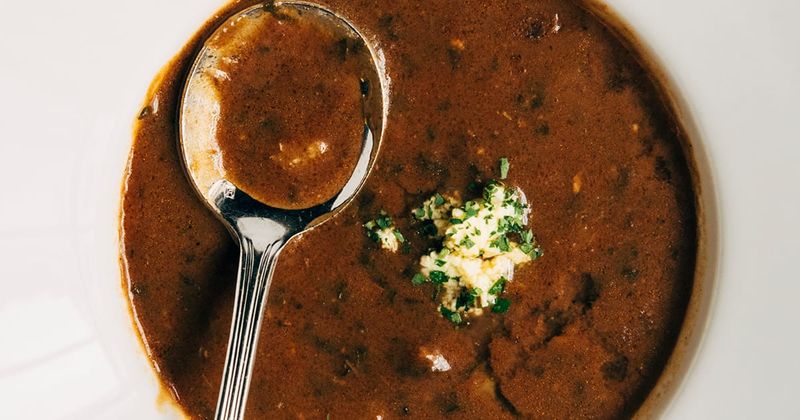
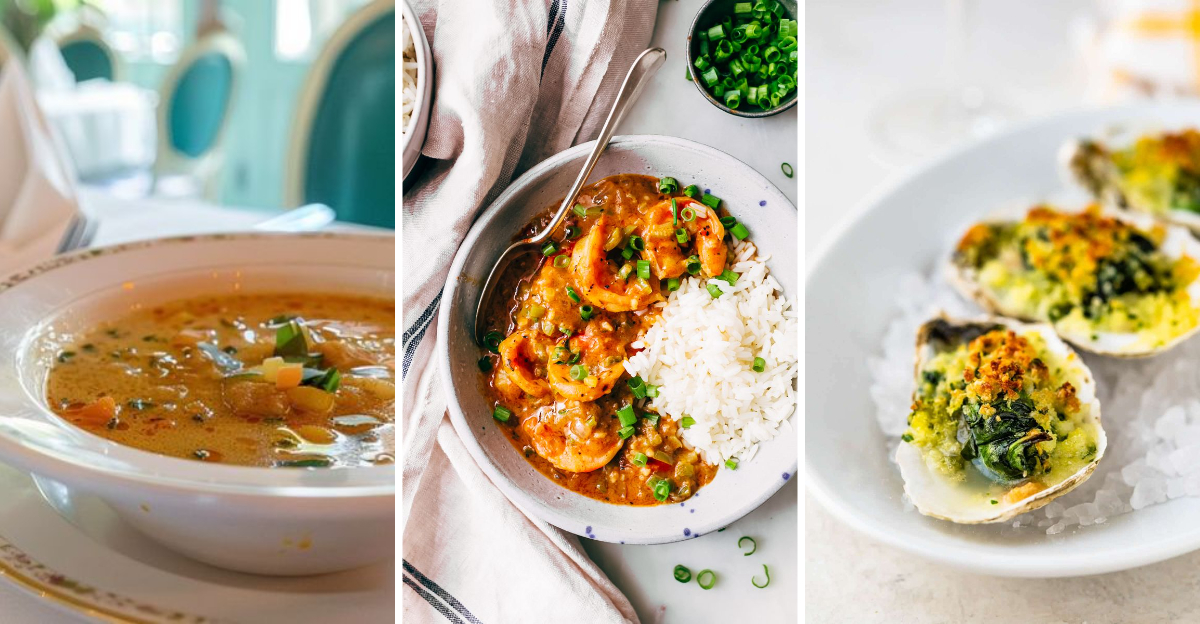
Commander’s Palace in New Orleans serves what many consider the gold standard of turtle soup, rich, complex, and finished with a splash of sherry tableside. This centuries-old delicacy showcases the French influence on Louisiana cuisine.
The soup’s deep flavor comes from slow-simmering turtle meat with a dark roux, trinity vegetables, and a blend of spices that varies by restaurant and family tradition. Finding an authentic version is worth the effort.
3. Cajun Shrimp Étouffée
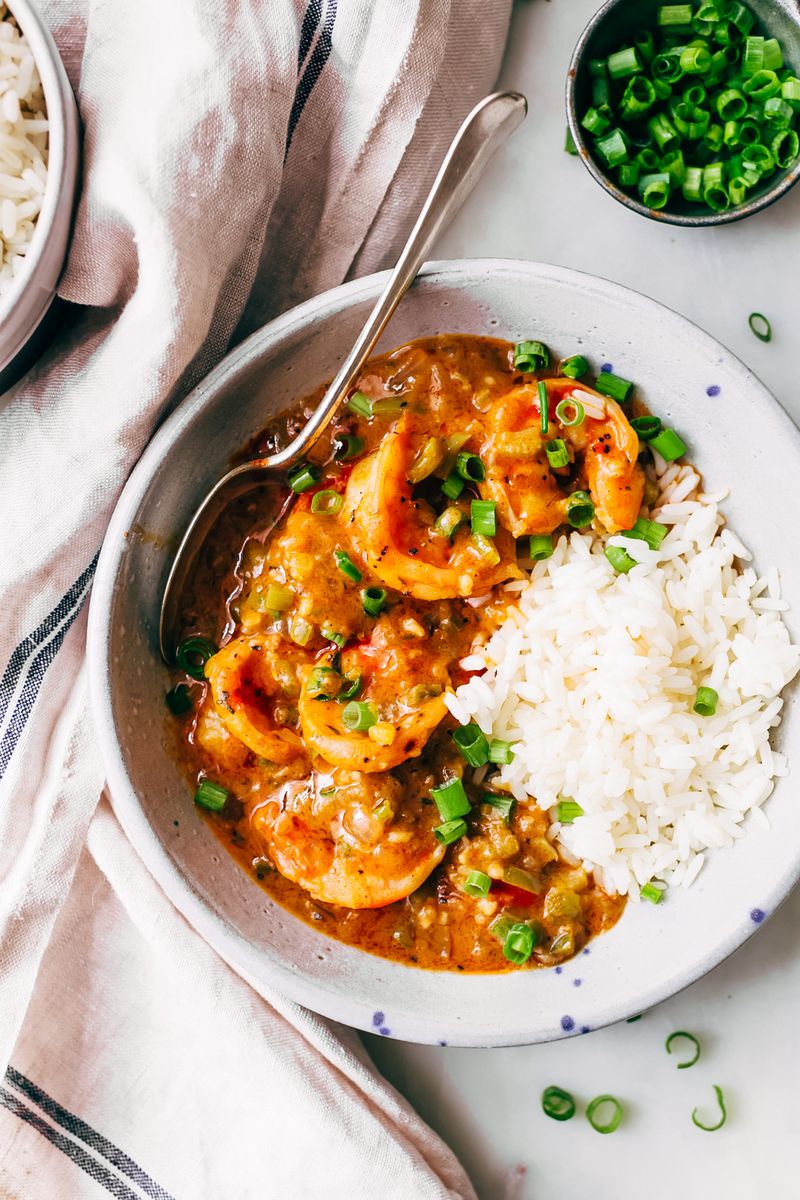
“Étouffée” means “smothered” in French, perfectly describing this beloved dish where plump Gulf shrimp are bathed in a thick, spicy sauce. The secret lies in the roux, cooked just until it reaches a peanut butter color, striking the perfect balance between flavor and thickening power.
Locals judge an étouffée by its depth of flavor and whether the shrimp remain tender. A proper version should have a complex taste that unfolds with each bite, revealing layers of flavor from the holy trinity base.
4. Crawfish Pie
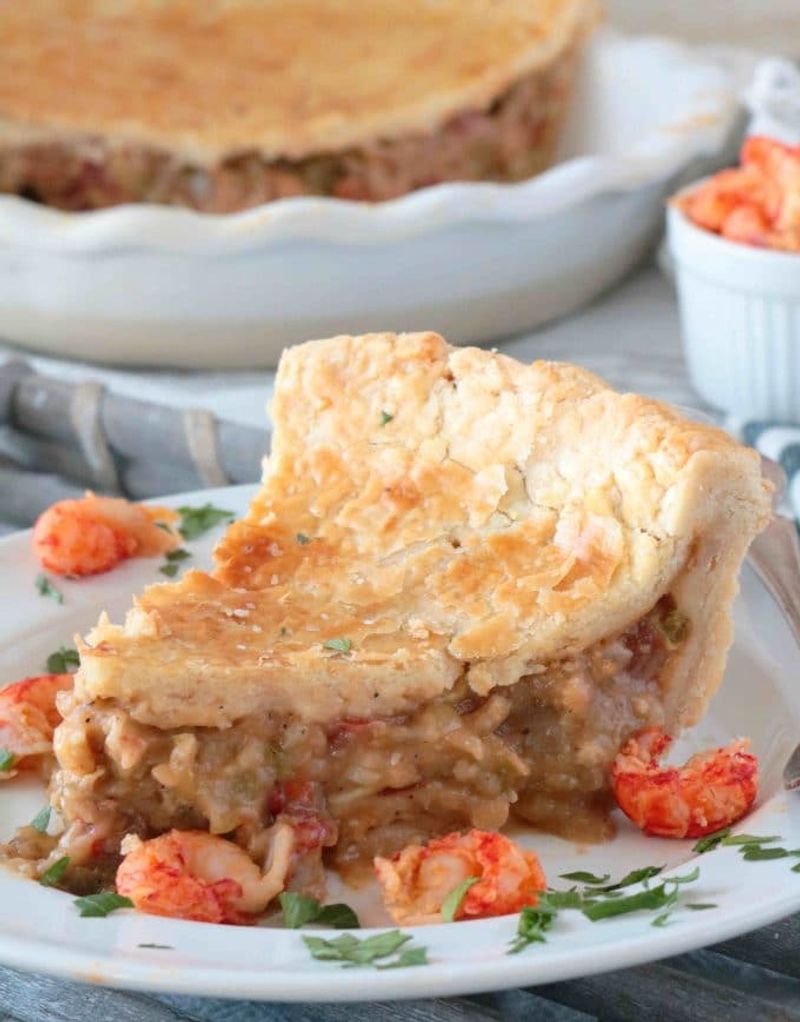
Found at family gatherings across Louisiana, crawfish pie combines the state’s favorite crustacean with a savory filling encased in flaky pastry. The best versions use only tail meat harvested during peak season when crawfish are at their sweetest.
Every Louisiana grandmother has her secret recipe, often featuring a touch of heat from cayenne pepper balanced with cream. The filling should be rich but not so heavy that it masks the delicate crawfish flavor.
5. Oysters Rockefeller
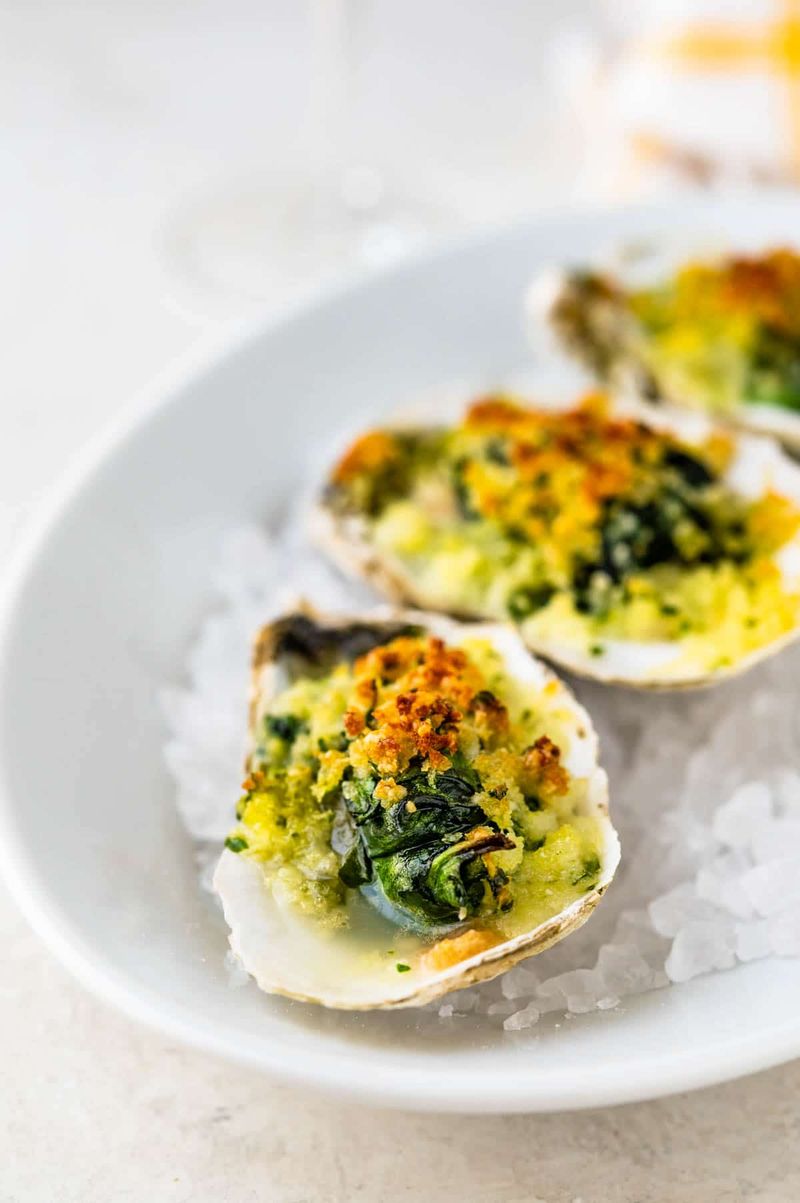
Born at Antoine’s Restaurant in 1899, Oysters Rockefeller remains one of New Orleans’ most treasured contributions to American cuisine. The dish was named for John D. Rockefeller because the rich sauce was considered as wealthy as the man himself!
While many imitations exist, authentic versions never use spinach, a common misconception. The true recipe remains a closely guarded secret, but locals know it involves herbs, bread crumbs, and other greens baked to perfection atop fresh Gulf oysters.
6. Oysters Bienville
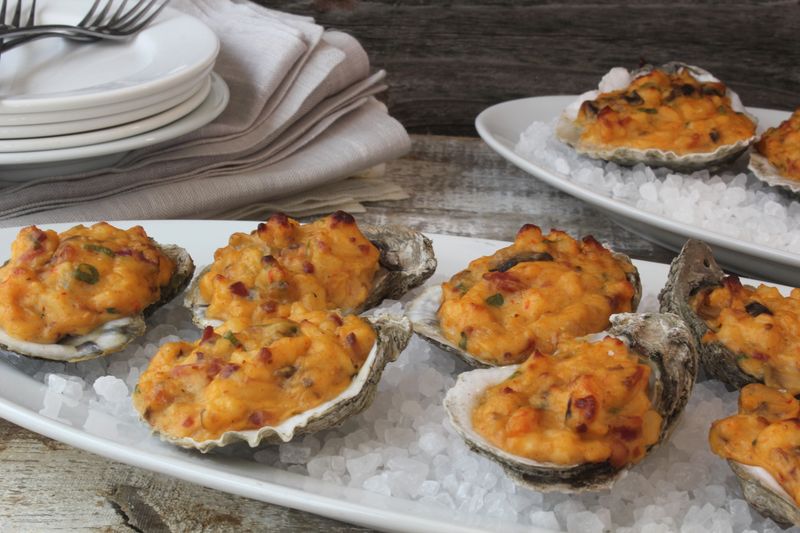
Named after the founder of New Orleans, Jean-Baptiste Le Moyne de Bienville, this luxurious dish showcases Gulf oysters topped with a decadent mixture of shrimp, mushrooms, bell peppers, sherry, and seasonings, all bound with a béchamel sauce and baked golden.
Local chefs take pride in their Bienville sauce, with each restaurant claiming theirs as definitive. The oysters should remain plump and juicy beneath the rich topping.
Galatoire’s version has been pleasing discerning palates since 1905.
7. New Orleans Style Gumbo
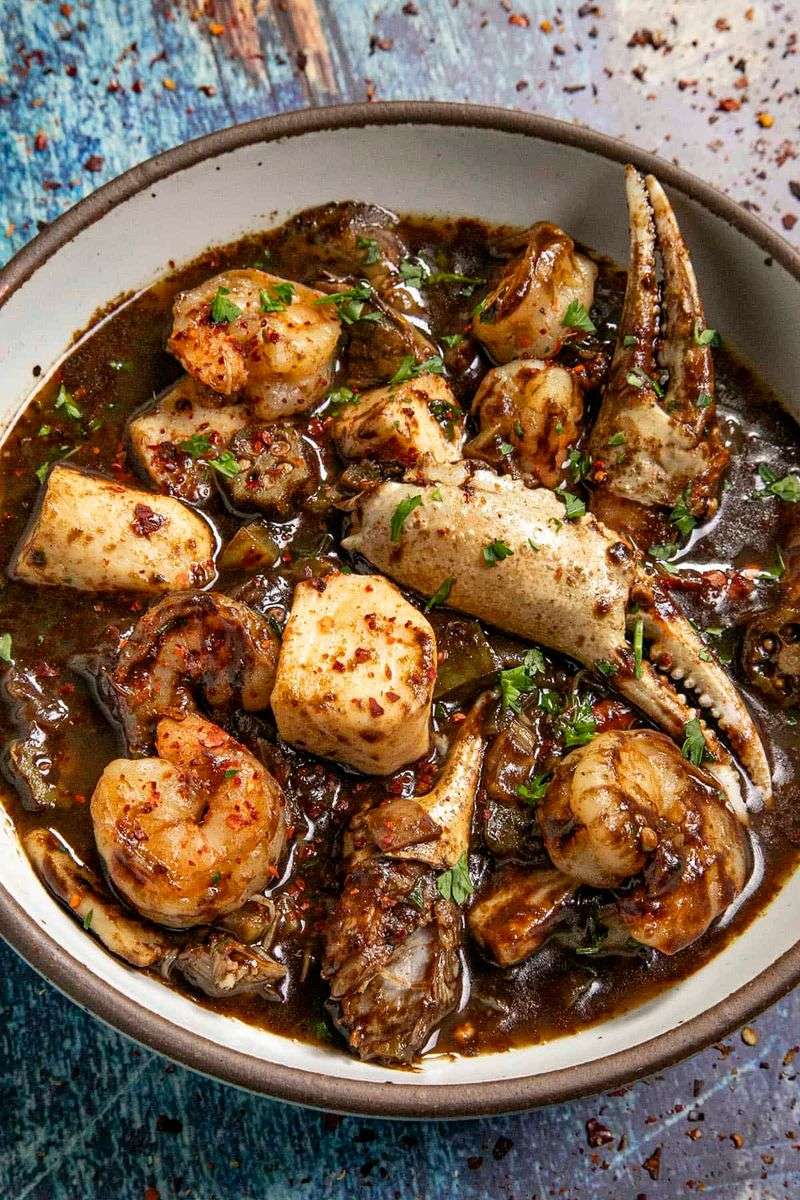
The soul of Louisiana cuisine, a proper seafood gumbo starts with a roux the color of dark chocolate, taking up to an hour of constant stirring to achieve. Patience separates tourist gumbo from the real deal.
Locals debate endlessly about including okra, filé powder, or both as thickeners. Whatever the choice, authentic gumbo should be rich with Gulf shrimp, blue crab, and sometimes oysters swimming in a complex broth.
Each family’s recipe tells a story of Louisiana’s cultural melting pot.
8. Crawfish Étouffée
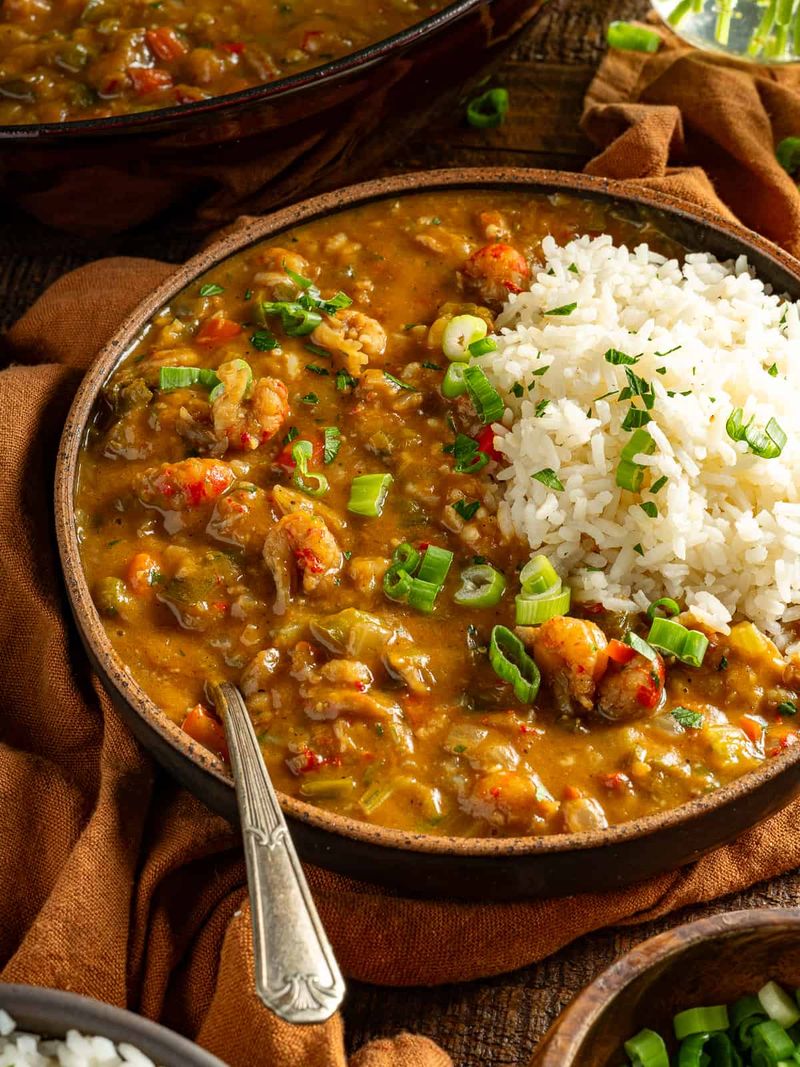
During crawfish season, locals flock to their favorite spots for this quintessential Cajun comfort food. Unlike its reddish Creole cousin, authentic Cajun crawfish étouffée has a lighter, sometimes blonde roux base that lets the sweet crawfish flavor shine through.
The trinity of onions, bell pepper, and celery forms the backbone of flavor. Debates rage about whether tomatoes belong, most Cajun purists say absolutely not!
Served over fluffy white rice, it’s Louisiana on a plate.
9. Jambalaya with Seafood
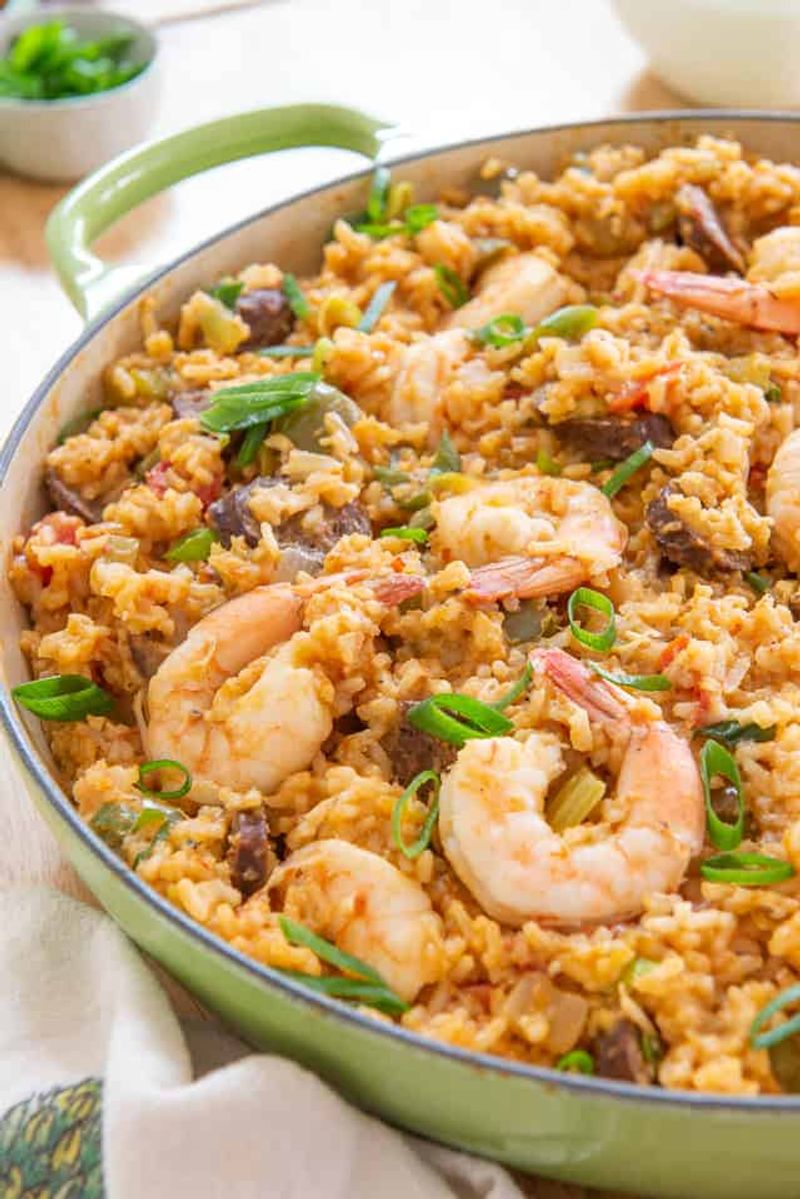
Seafood jambalaya showcases Louisiana’s Spanish and French heritage in one aromatic pot. Unlike the tomato-heavy Creole version found in New Orleans, Cajun jambalaya gets its brown color from caramelized meats and vegetables.
Fresh Gulf shrimp, local sausage, and sometimes oysters or crab make this one-pot wonder a celebration of local bounty. The rice absorbs all the seafood flavors as it cooks directly in the same pot.
Family recipes are guarded jealously and passed down with the same reverence as heirlooms.