
10 Least Healthy Fruits, And 10 Better Picks
Fruit is always better than candy, but not every fruit is equally healthy. Some have loads of natural sugar and very little fiber, making them less ideal for people watching their blood sugar or trying to eat lighter. Others pack in nutrients, fiber, and flavor without the sugar crash.
This list highlights 10 fruits that might not be the best everyday pick, plus 10 better options that still taste amazing and help you feel your best.
20. Bananas
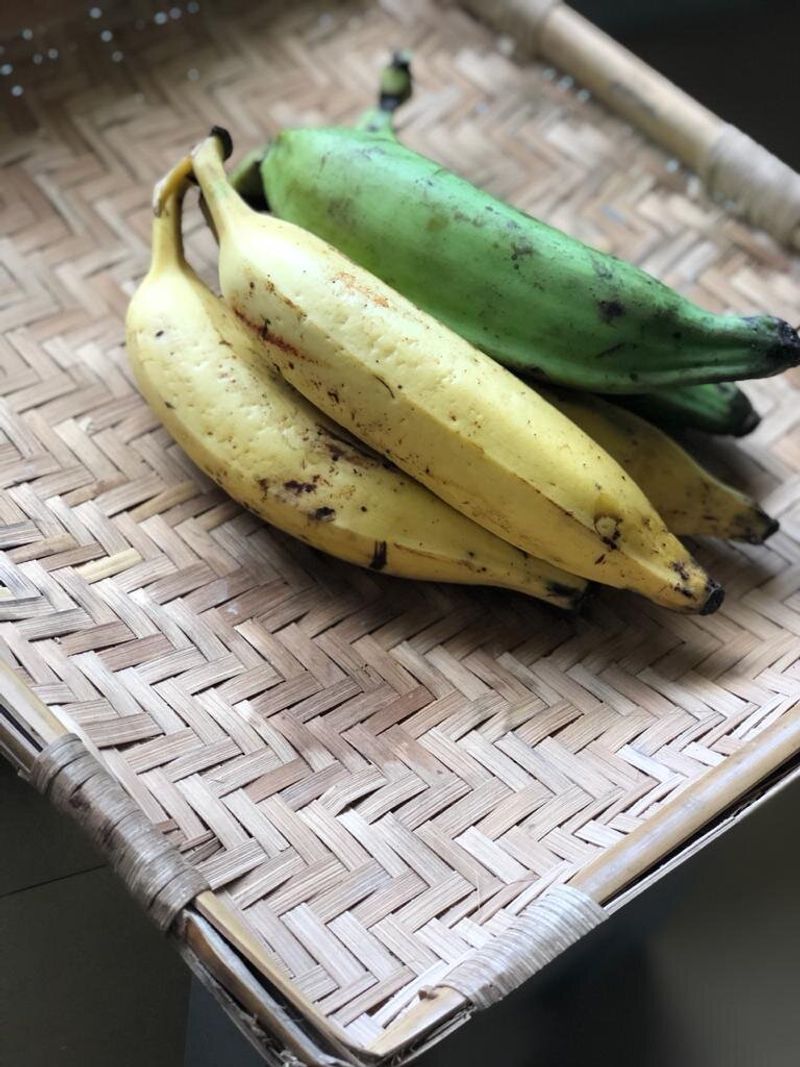
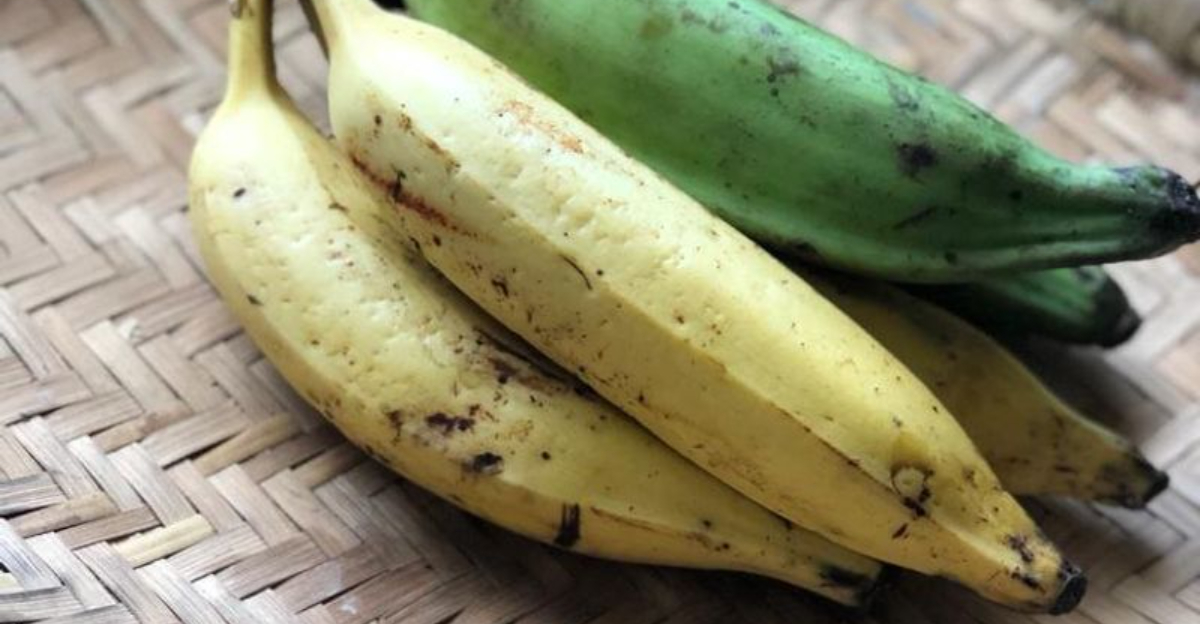
Ripe bananas are soft, sweet, and loaded with fast-digesting carbs. They spike blood sugar quickly without offering much fiber.
One banana can contain over 14 grams of sugar and almost no protein. They’re fine for quick energy, but not ideal for balance.
19. Grapes
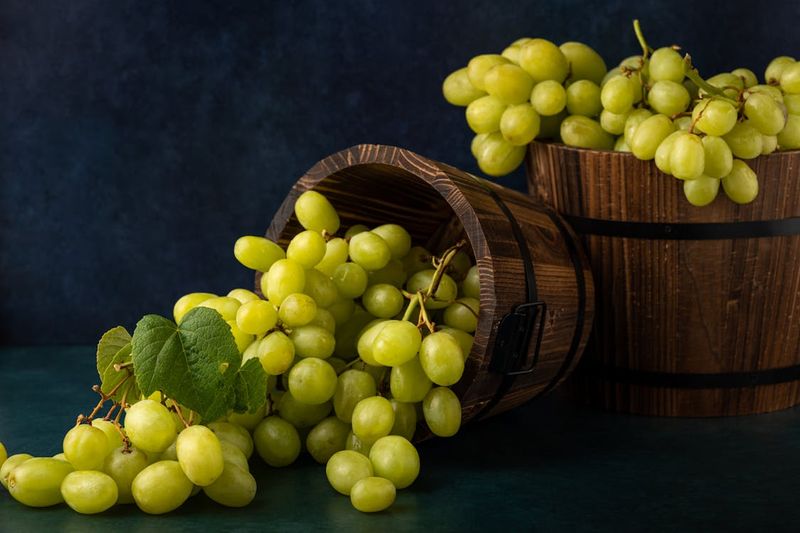
Grapes are poppable and delicious but easy to overeat. A handful adds up fast in sugar and offers little satiety.
They’re low in fiber and high in natural sugar, with over 23 grams per cup. That’s more than a chocolate chip cookie.
18. Mangoes
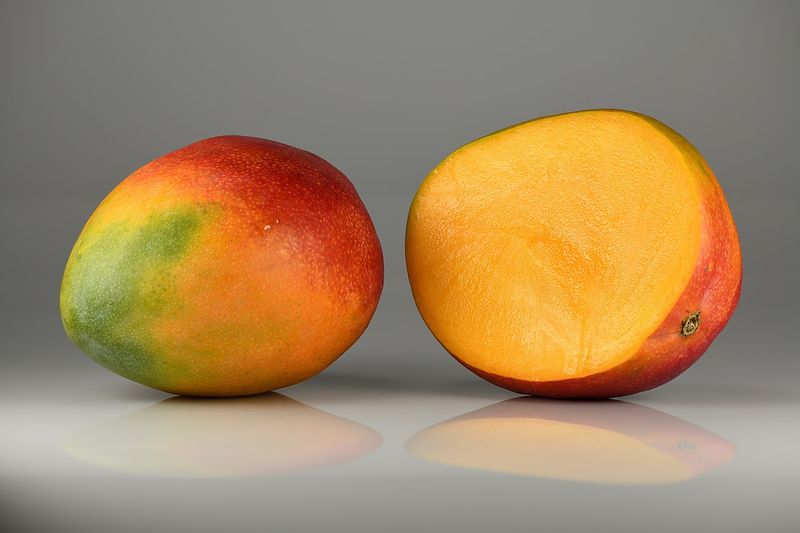
This tropical favorite is packed with juicy flavor but also dense in sugar. A single mango can hold nearly 45 grams.
It’s rich in vitamin C but offers minimal fiber. Eat in moderation or balance it with protein or fat to slow absorption.
17. Cherries
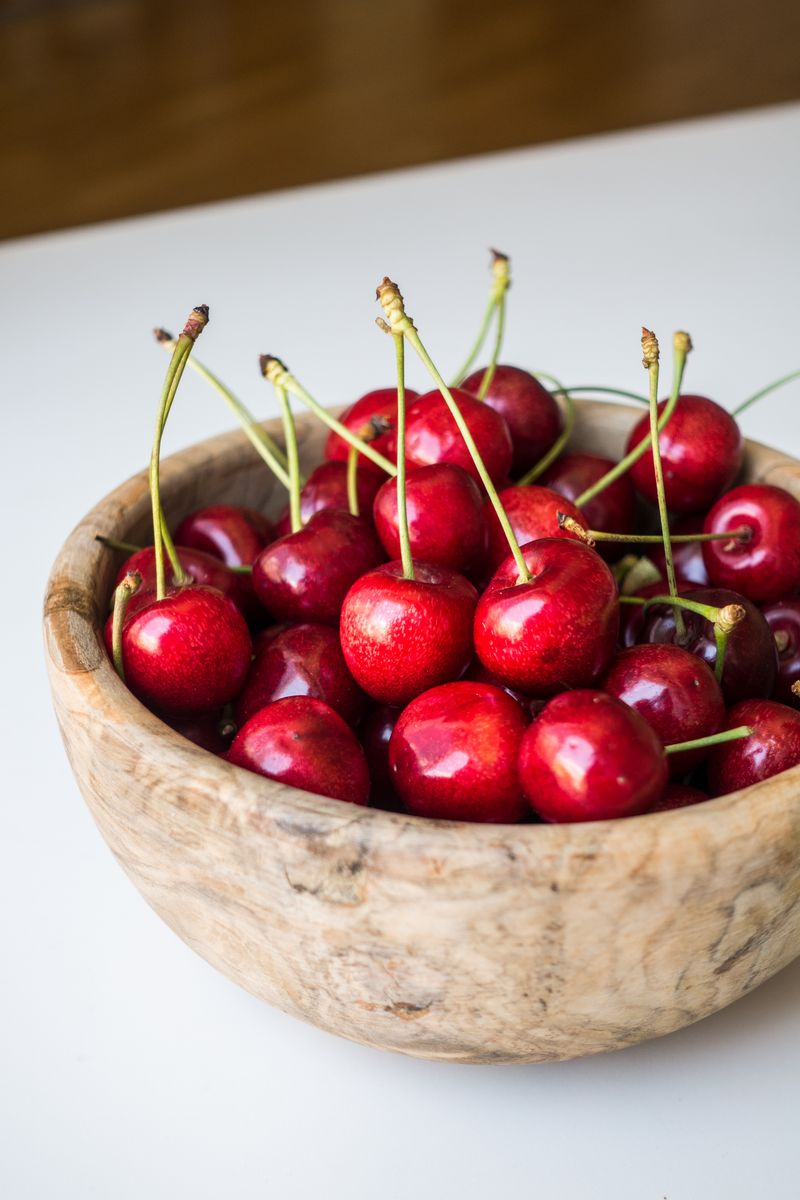
Cherries bring a bold, sweet punch—but that intensity comes from high sugar content. One cup has close to 20 grams.
They’re also small and hard to portion. It’s easy to eat too many in one sitting, especially when they’re in season and chilled.
16. Figs
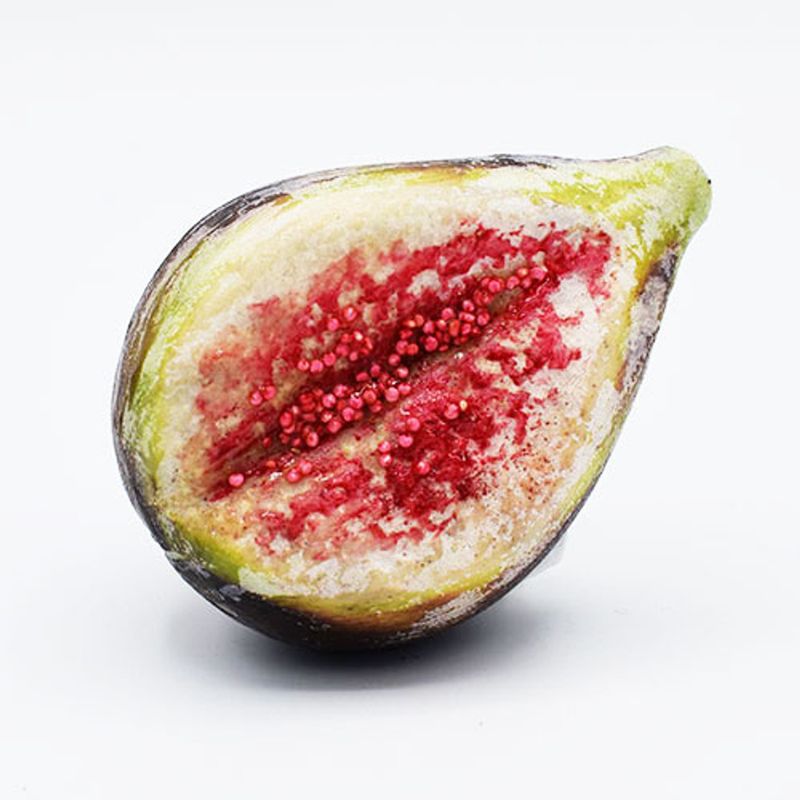
Fresh figs are sticky-sweet with a soft bite, but they’re sugar bombs in disguise. Four figs pack about 30 grams of sugar.
While they contain some fiber, the high sugar-to-fiber ratio makes them more like nature’s candy than a daily snack.
15. Lychee
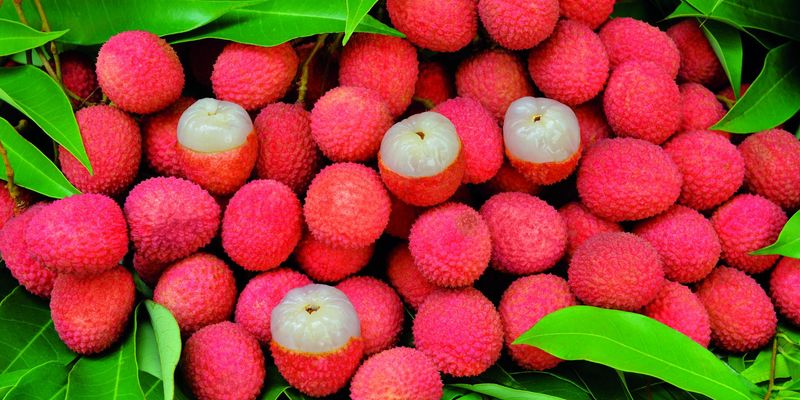
This floral fruit tastes like perfume in the best way—but a cup contains around 29 grams of sugar and little fiber.
Its glycemic load is high, meaning it quickly raises blood sugar. Enjoy occasionally rather than making it a daily go-to.
14. Pineapple

Pineapple’s zingy sweetness masks its sugar density. One cup holds more than 16 grams of sugar with less than 2 grams of fiber.
The acidity also affects sensitive stomachs and teeth. It’s better as a garnish or blend-in than the centerpiece of a meal.
13. Persimmons
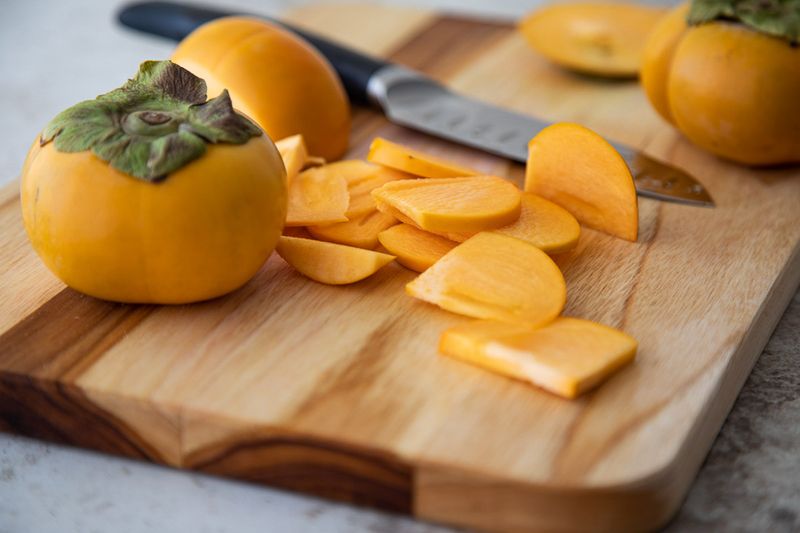
A ripe persimmon is sugary-smooth but low in fiber. A medium one can reach 30 grams of sugar with little to slow it down.
They’re delicious when in season, but best shared or eaten with protein to avoid a sugar rush.
12. Dates
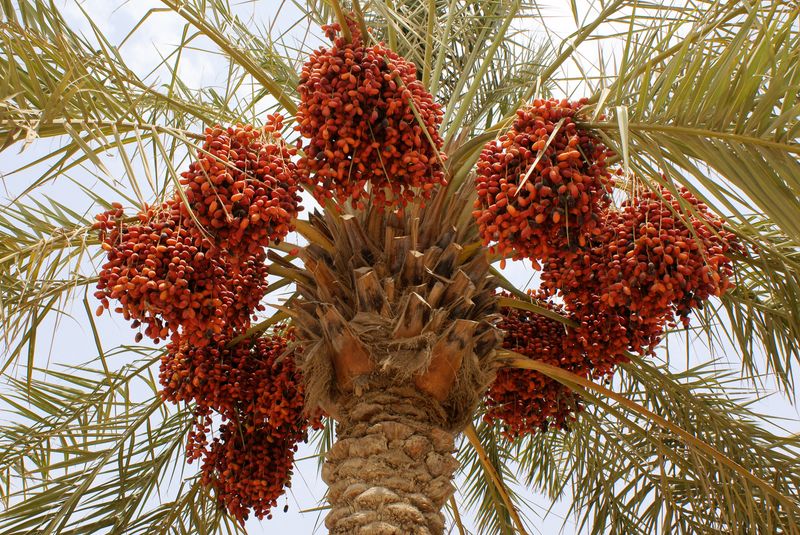
Just two Medjool dates can top 30 grams of sugar. They’re rich and chewy but more like nature’s caramels than true fruit snacks.
They’re great in baking or energy bites but shouldn’t be treated as a free-for-all snack. Their sweetness is extremely concentrated.
11. Canned Fruit In Syrup
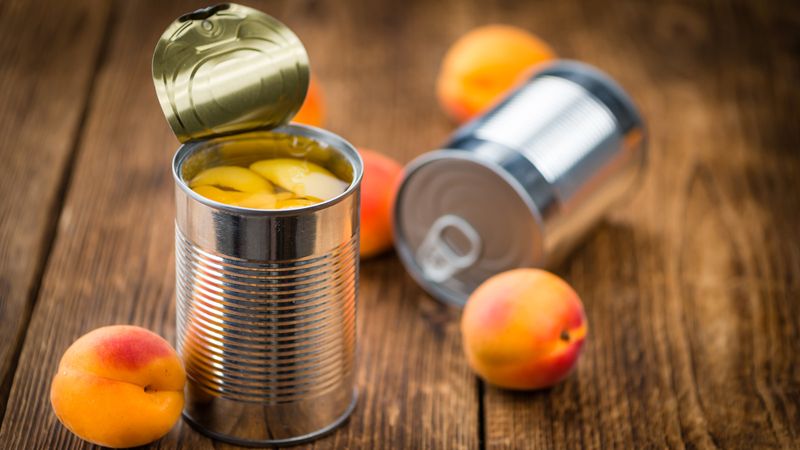
Fruit packed in heavy syrup turns a healthy item into dessert. Syrup adds refined sugar on top of the fruit’s natural sweetness.
Even light syrup contains added sugars. Choose fruit packed in water or juice to avoid the sticky overload.
10. Berries
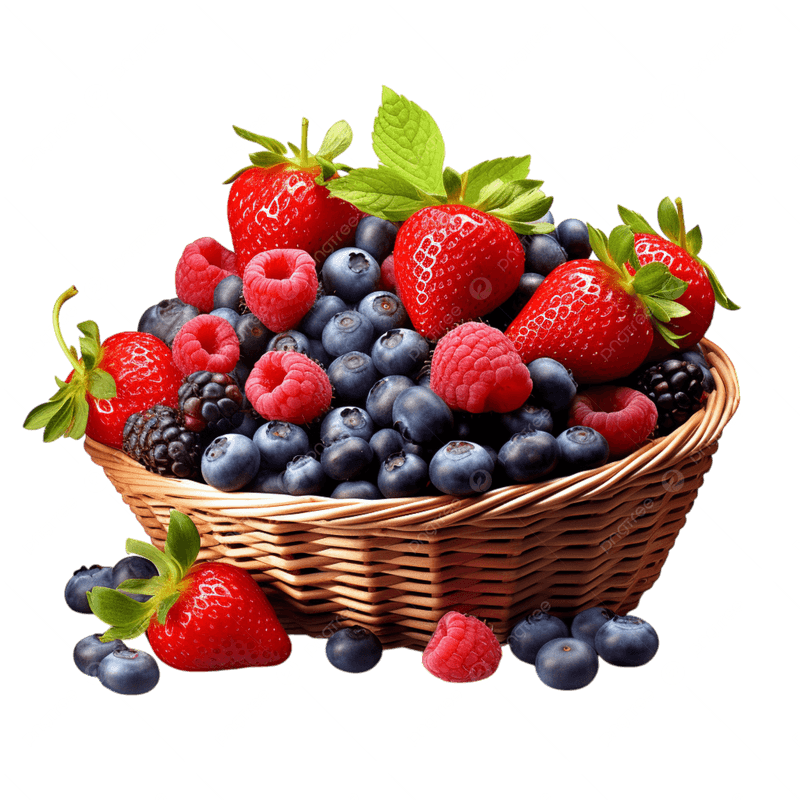
Strawberries, blueberries, raspberries, and blackberries are low in sugar and high in fiber. One cup has under 10 grams of sugar.
They’re packed with antioxidants and perfect for adding sweetness without a crash. Fresh or frozen, they’re always a smart pick.
9. Apples
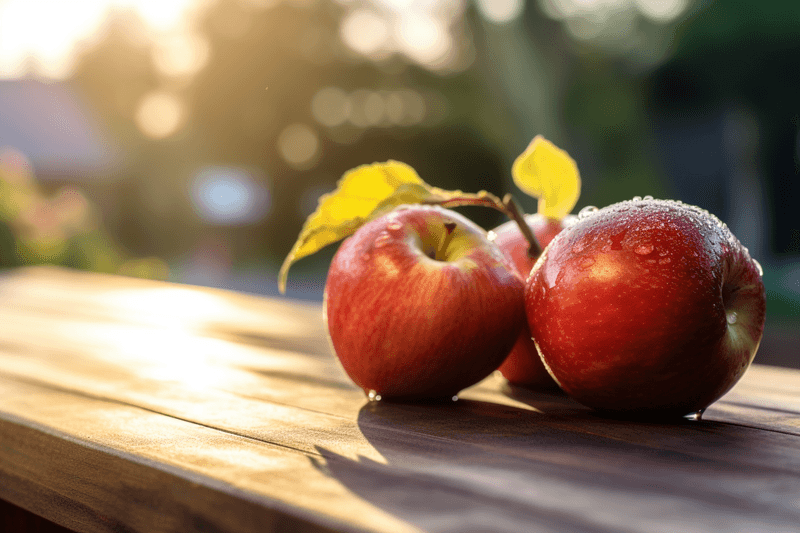
Apples are fiber-rich and versatile. Their natural sweetness is balanced by pectin, which slows digestion and supports fullness.
They travel well, keep your teeth busy, and come in endless varieties to suit every preference from tart to candy-sweet.
8. Kiwis
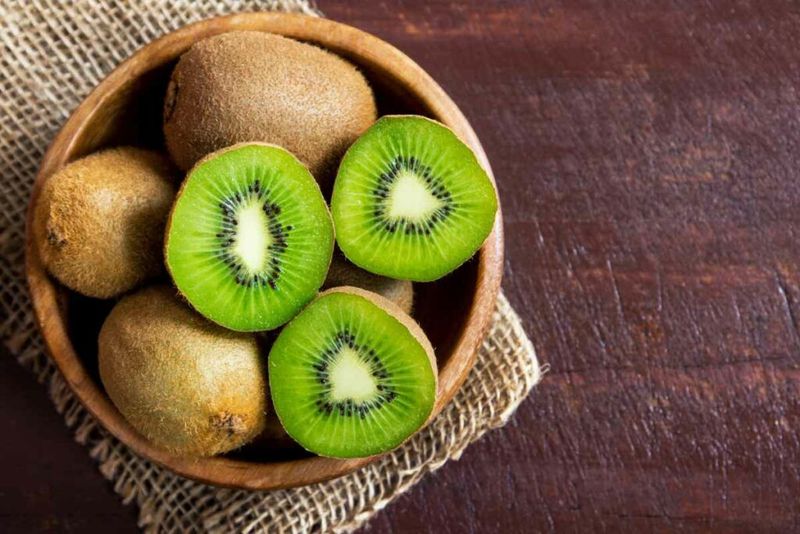
These fuzzy gems are vitamin C powerhouses with only around 6 grams of sugar per fruit. They’re juicy, bright, and fiber-filled.
Eat the seeds and even the skin for extra nutrients. Their tangy punch satisfies with minimal sugar hit.
7. Clementines
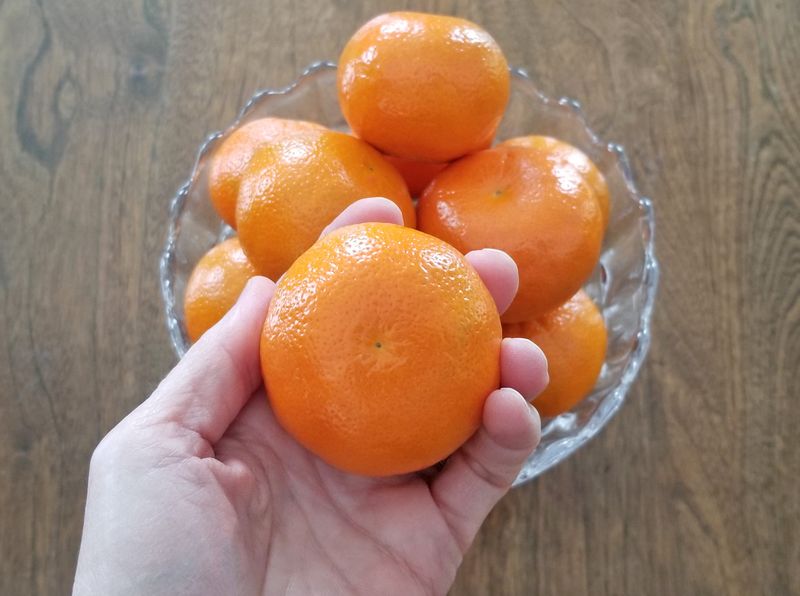
Easy to peel and naturally portioned, clementines make a perfect light snack. They’re sweet, but two fruits still land under 20 grams of sugar.
They’re rich in vitamin C and low in calories. Their balanced carb load makes them a kid- and blood-sugar-friendly choice.
6. Pears
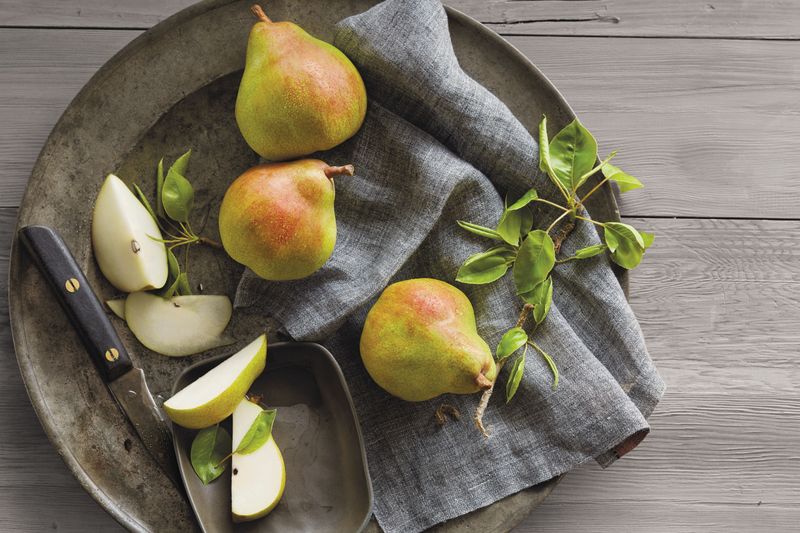
Pears offer fiber and gentle sweetness. One medium pear provides about 5 grams of fiber to balance 17 grams of sugar.
They’re soft, hydrating, and pair well with nuts or cheese for a rounded snack. Great for digestion and gentle on the stomach.
5. Watermelon
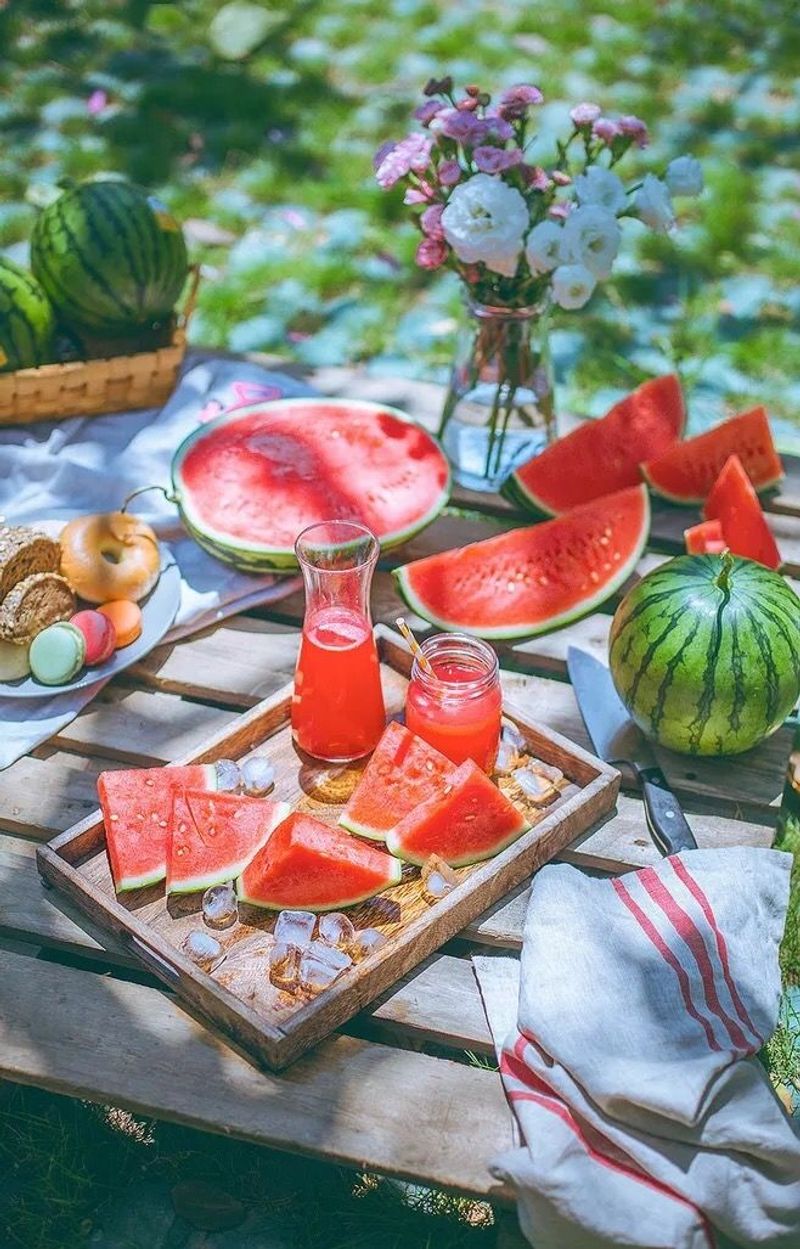
Despite its sweet flavor, watermelon has high water content and low calories. One cup contains less than 10 grams of sugar.
It’s refreshing, hydrating, and easy to digest. The high volume makes it hard to overeat, even when it’s served cold on a hot day.
4. Papaya
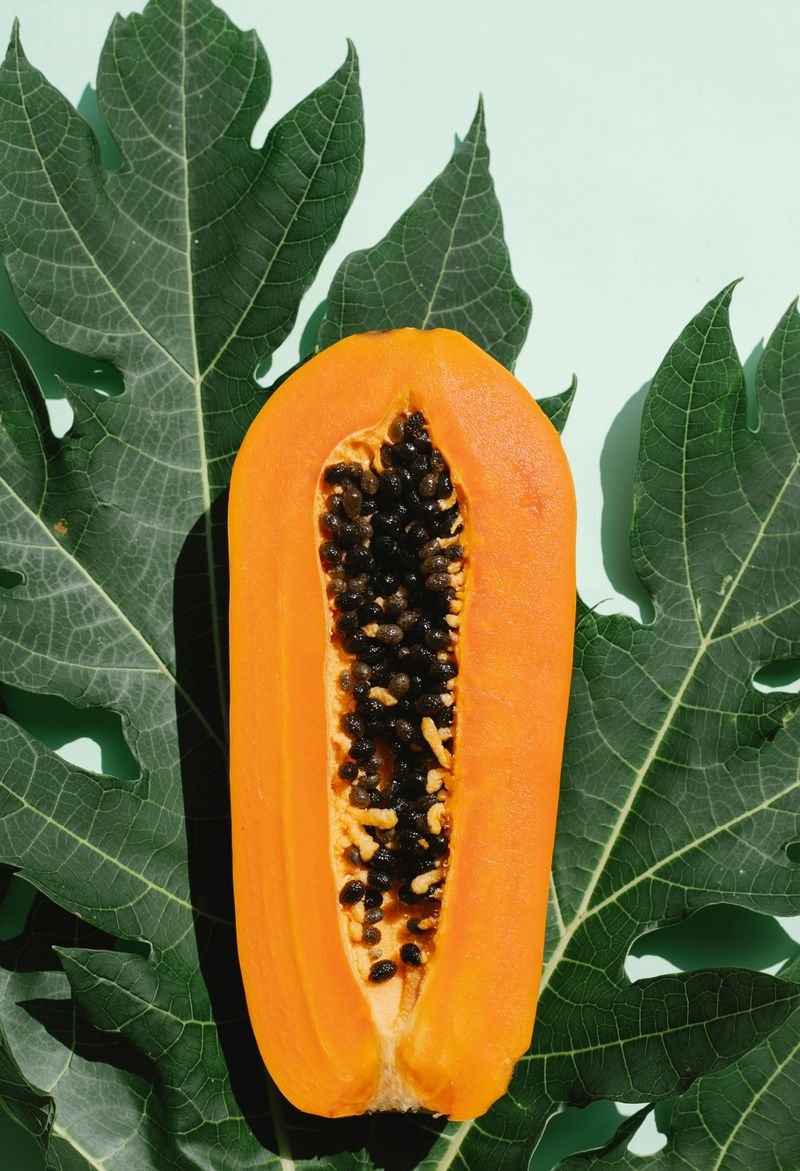
Papaya brings a tropical vibe with a surprisingly modest sugar count. A cup holds around 11 grams, plus digestion-supporting enzymes.
Its soft texture and mellow sweetness make it perfect for smoothies or breakfast bowls without the sugar overload.
3. Grapefruit
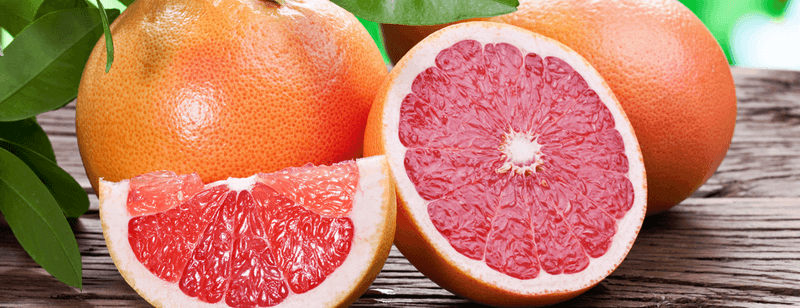
This tangy citrus fruit has a low glycemic index and just 8–9 grams of sugar per half. Its tartness curbs cravings naturally.
Rich in antioxidants and vitamin C, it’s a strong choice for balancing breakfast or resetting your palate after sweet meals.
2. Avocado
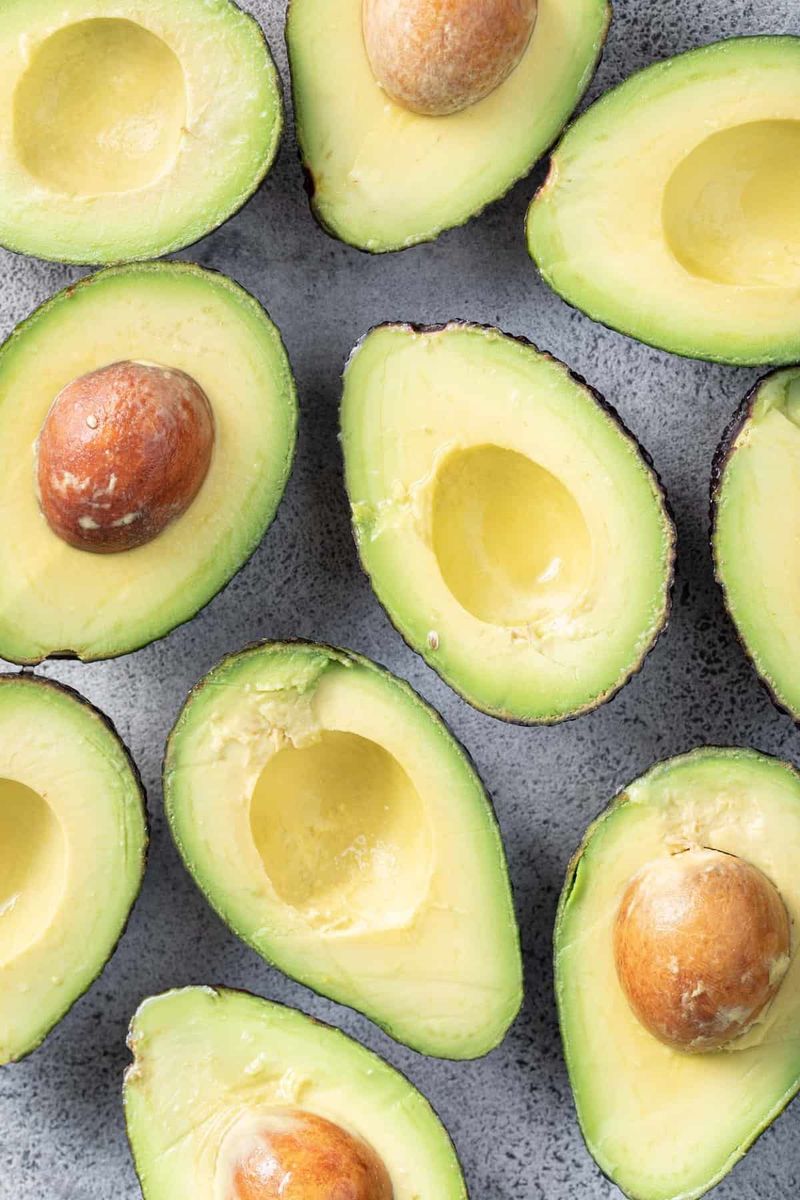
Technically a fruit, avocado is all healthy fat and fiber with almost no sugar. It’s creamy, filling, and nutrient-dense.
Its richness adds satisfaction to meals and supports blood sugar stability. Use it in everything from toast to smoothies for a smarter twist.
1. Plums
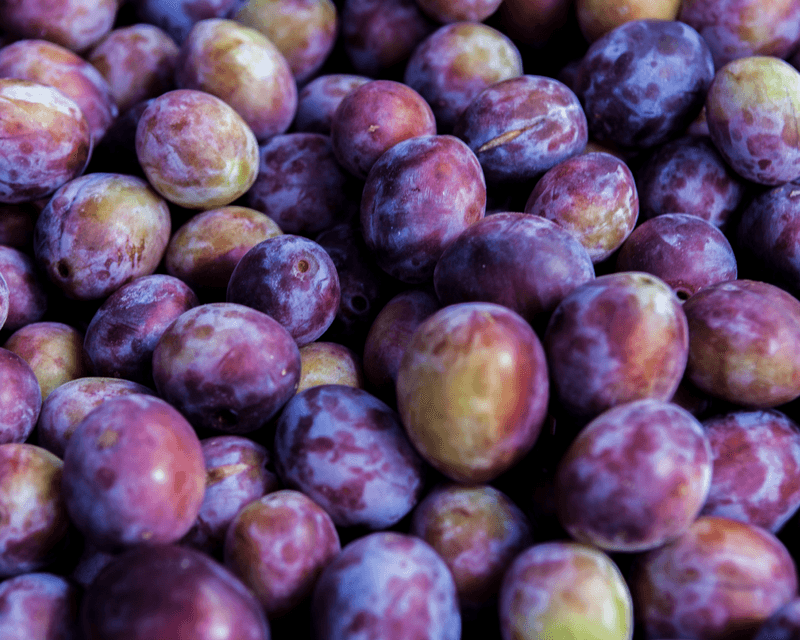
Plums bring juicy sweetness in a compact package. One plum contains about 7 grams of sugar and a modest amount of fiber.
They’re great for digestion and don’t spike blood sugar like higher-sugar fruits. Their deep color signals antioxidant power, too.