19 Iconic Dishes You Didn’t Know Originated From New Orleans
New Orleans has gifted the world with some of the most mouth-watering food on the planet. This magical city, where French, Spanish, African, and Caribbean influences blend together, created dishes that are now famous worldwide.
Get ready for a tasty journey through 19 incredible foods born in the Big Easy that might surprise you with their NOLA roots!
1. Gumbo
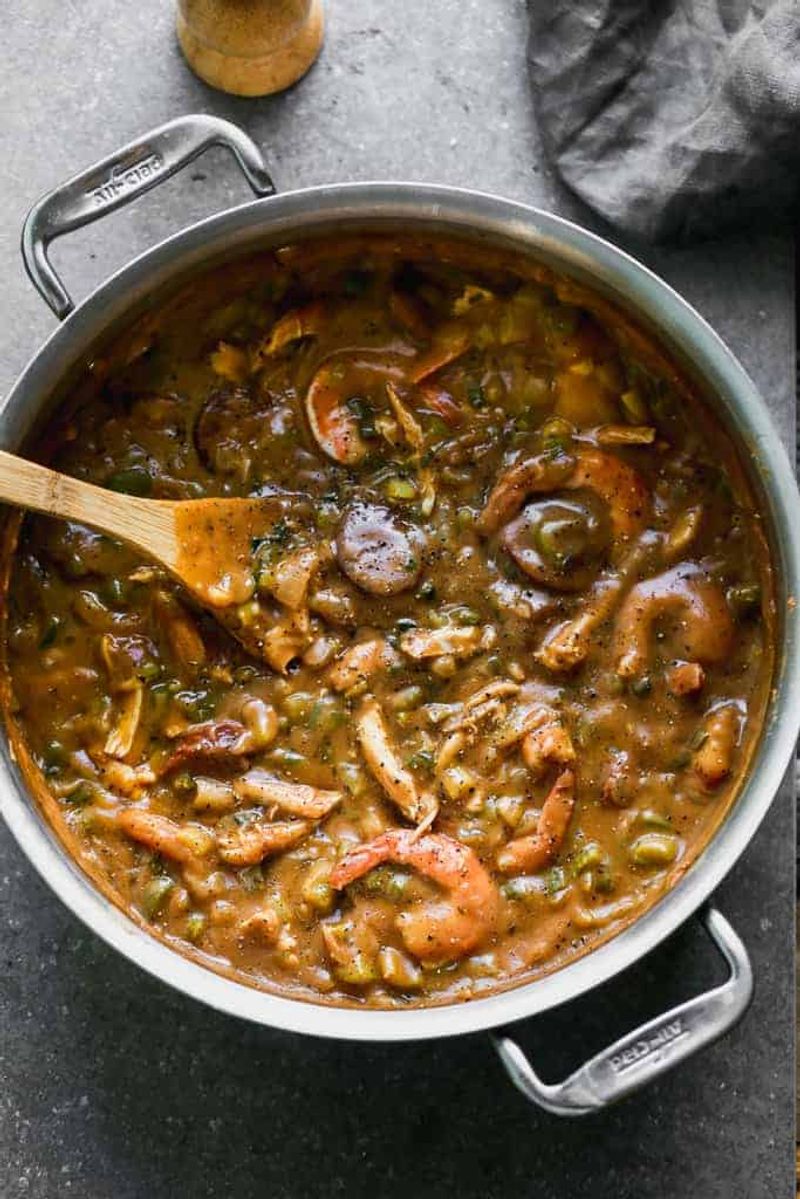
Louisiana’s famous hearty stew began as a humble pot of whatever was available to early New Orleans settlers. African okra, Native American filé powder, and French roux techniques merged to create this thick, flavorful masterpiece.
Family recipes vary wildly – some swear by okra, others by filé powder, but all agree the perfect gumbo starts with a dark chocolate-colored roux. Whether seafood or chicken-and-sausage, this one-pot wonder captures New Orleans’ cultural melting pot in every spoonful.
2. Jambalaya
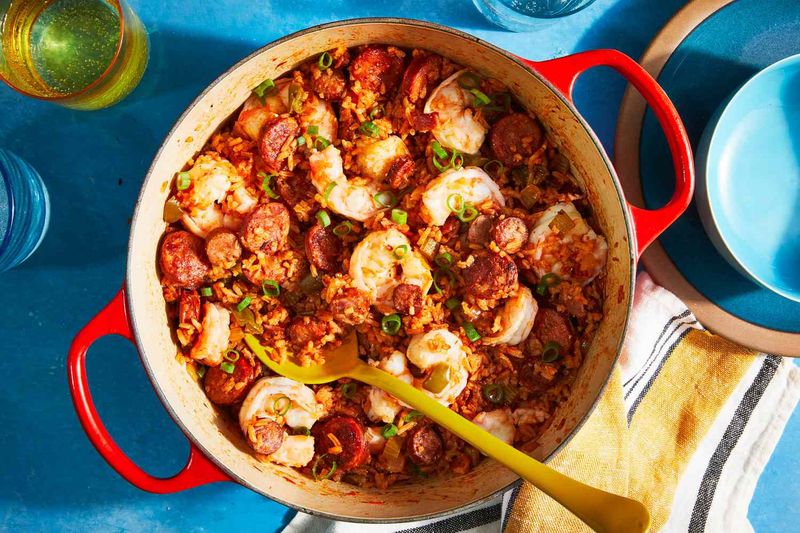
Spanish settlers tried recreating their beloved paella but lacked saffron, so they substituted tomatoes and local ingredients instead. The result? A spectacular one-pot rice dish that’s now synonymous with Louisiana cooking.
Cajun versions skip tomatoes (known as ‘brown jambalaya’), while Creole styles embrace them (‘red jambalaya’). The name likely comes from the Provençal word ‘jambalaia’ meaning mishmash – perfectly describing this delicious hodgepodge of rice, meats, and vegetables that feeds crowds at every New Orleans celebration.
3. Crawfish Étouffée
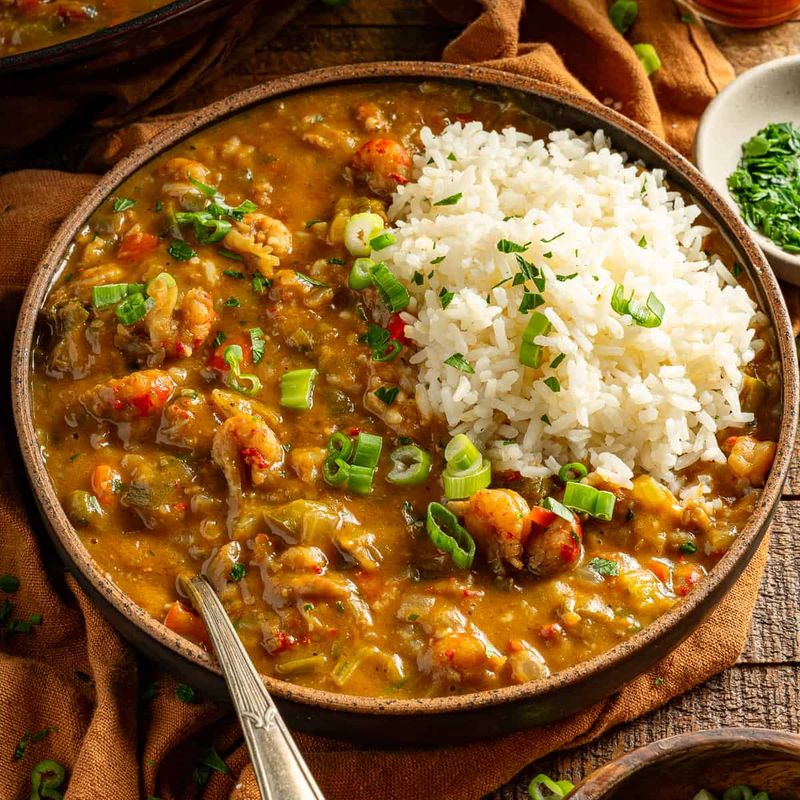
Smothered in love – that’s what ‘étouffée’ means in French, and it perfectly describes this luxurious crawfish dish. Created in the mid-20th century in the Bayou, this copper-colored delicacy made its way to New Orleans restaurants where it became legendary.
The magic happens when tail meat from mudbugs (that’s local slang for crawfish) gets smothered in a rich, buttery sauce. Unlike gumbo, étouffée uses a lighter roux and fewer ingredients, allowing the sweet crawfish flavor to shine through. Locals know spring crawfish season means it’s étouffée time!
4. Red Beans and Rice
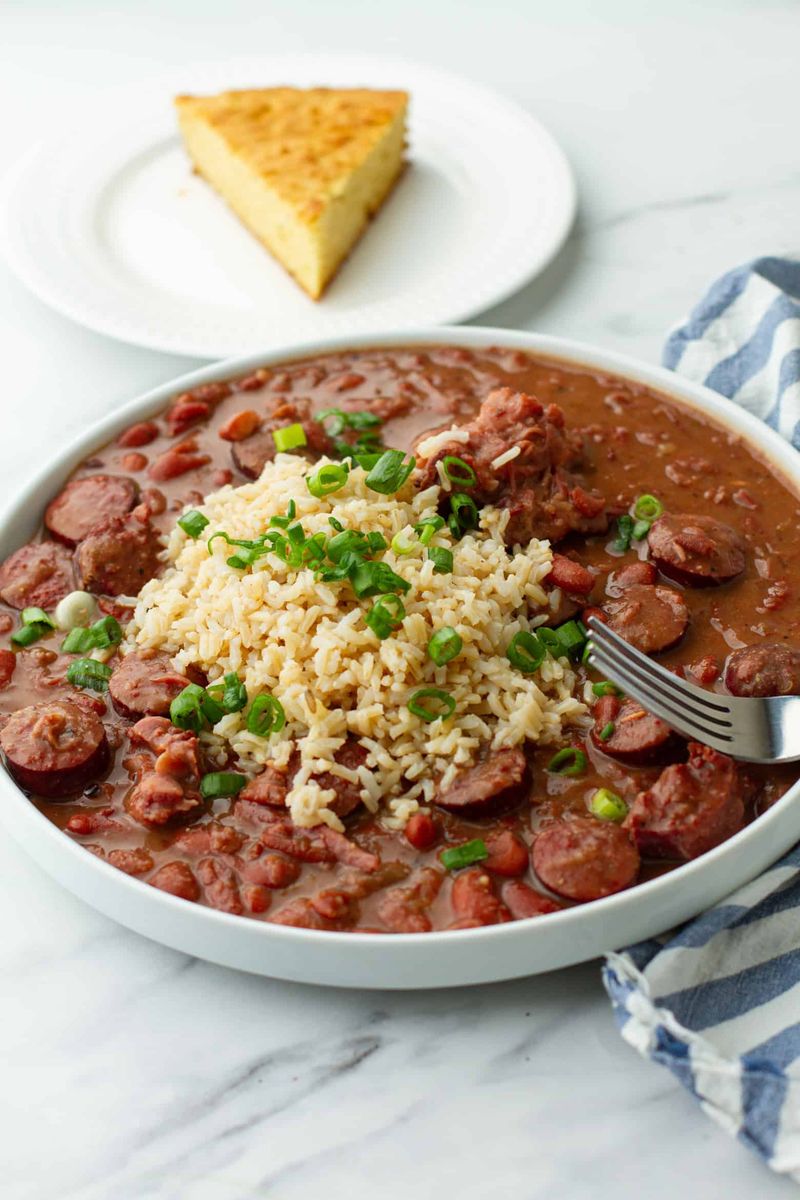
Monday’s traditional washday meal has become a year-round New Orleans staple. Legend says it began because women needed a dish that could simmer unattended while they handled the week’s laundry.
Kidney beans slowly cook with the trinity (bell peppers, onions, celery), garlic, and smoky ham hocks until velvety smooth. Louis Armstrong famously signed letters “Red beans and ricely yours” – that’s how beloved this dish is to New Orleanians!
The secret? Creamy beans that practically melt against fluffy white rice, with just enough spice to make you reach for your napkin.
5. Muffuletta Sandwich
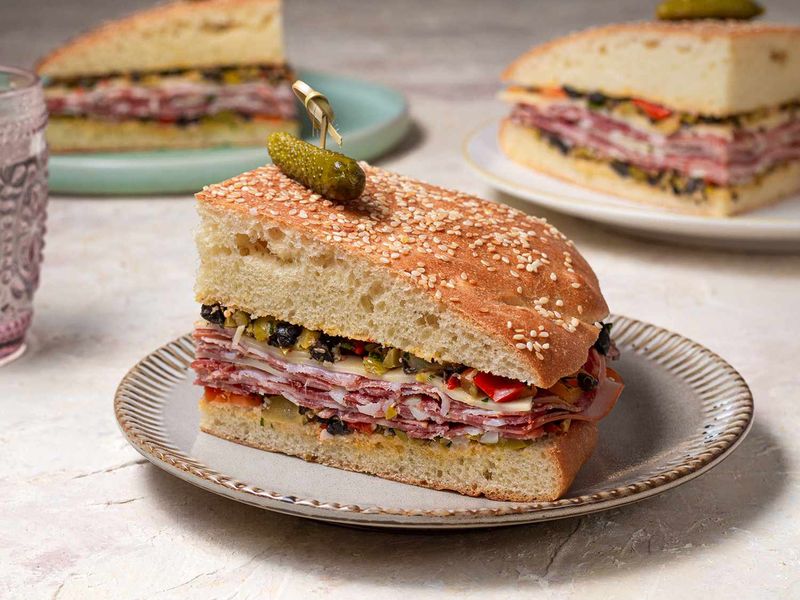
Born at Central Grocery in 1906, this mammoth sandwich was created for Sicilian workers looking for a convenient lunch. Owner Salvatore Lupo noticed they struggled balancing separate plates of meats, cheeses, and olives, so he combined everything between bread.
The star of the show is the olive salad – a marinated mix of olives, vegetables, and herbs that gives the sandwich its distinctive tangy kick. Layers of mortadella, salami, ham, and provolone complete this masterpiece.
True muffulettas use round Sicilian sesame bread and improve with time as flavors meld together – making them perfect picnic fare!
6. Po’ Boy Sandwich
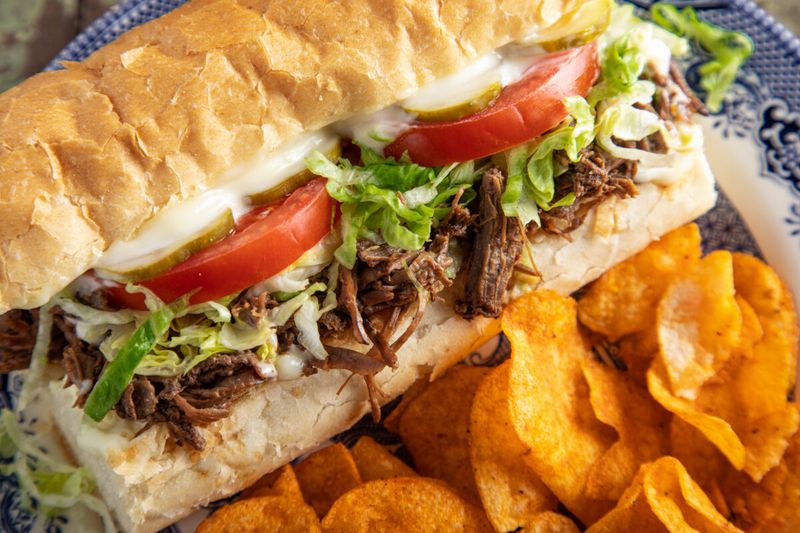
During a 1929 streetcar strike, restaurant owners Benny and Clovis Martin (former streetcar conductors themselves) promised free sandwiches to the striking workers or “poor boys.” The name stuck, eventually shortening to po’ boy.
The perfect po’ boy features French bread with a crackling crust and pillowy interior. While fried seafood versions get all the glory, don’t overlook roast beef dripping with gravy – a true local favorite.
Ordering like a native means specifying “dressed” (with lettuce, tomato, pickles, and mayo) or “naked” (without toppings). Either way, napkins are non-negotiable!
7. Bananas Foster
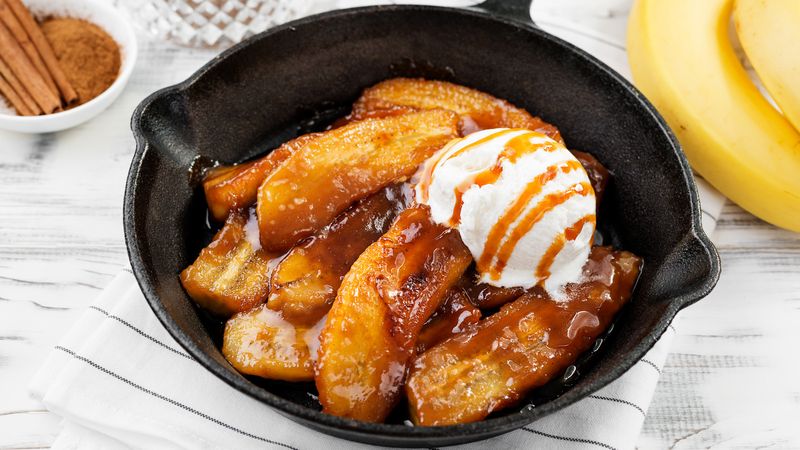
Flaming tableside drama meets incredible flavor in this 1951 creation from Brennan’s Restaurant. Owner Owen Brennan challenged his chef to create a dessert featuring bananas, which were abundantly imported through the port of New Orleans.
Named after Richard Foster, a friend and loyal customer who served on the New Orleans Crime Commission, this dessert transforms humble bananas into something magical. Caramelized in butter and brown sugar, spiked with rum, then set dramatically aflame, the bananas develop a rich toffee flavor.
Served over vanilla ice cream, it’s the perfect hot-cold combination that keeps tourists and locals coming back for more.
8. Oysters Rockefeller
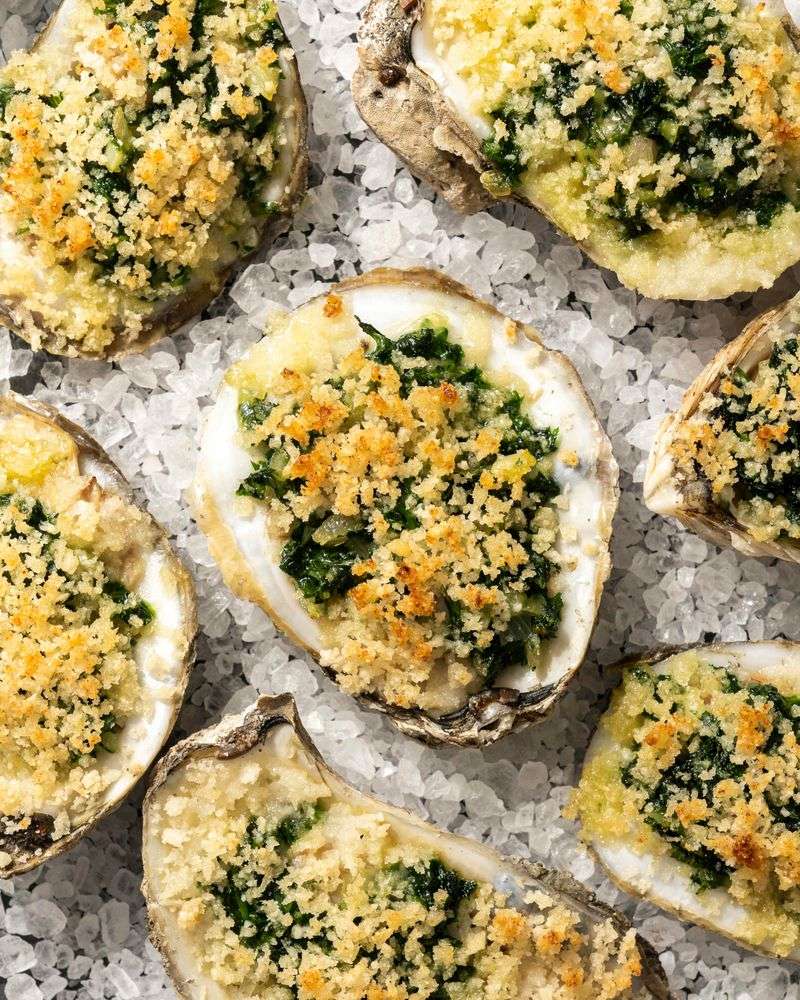
Created in 1899 at Antoine’s Restaurant when snails from France were unavailable, this dish was named after John D. Rockefeller – the richest American at the time – because of its incredibly rich sauce.
The exact recipe remains a closely guarded secret over 120 years later! While most modern versions use spinach, the original contains no spinach at all but rather a blend of herbs and greens.
Fresh oysters on the half-shell are topped with the signature green sauce, then baked or broiled until bubbly. The contrast between the briny oysters and the herb-butter topping creates an unforgettable bite that’s quintessentially New Orleans.
9. Beignets
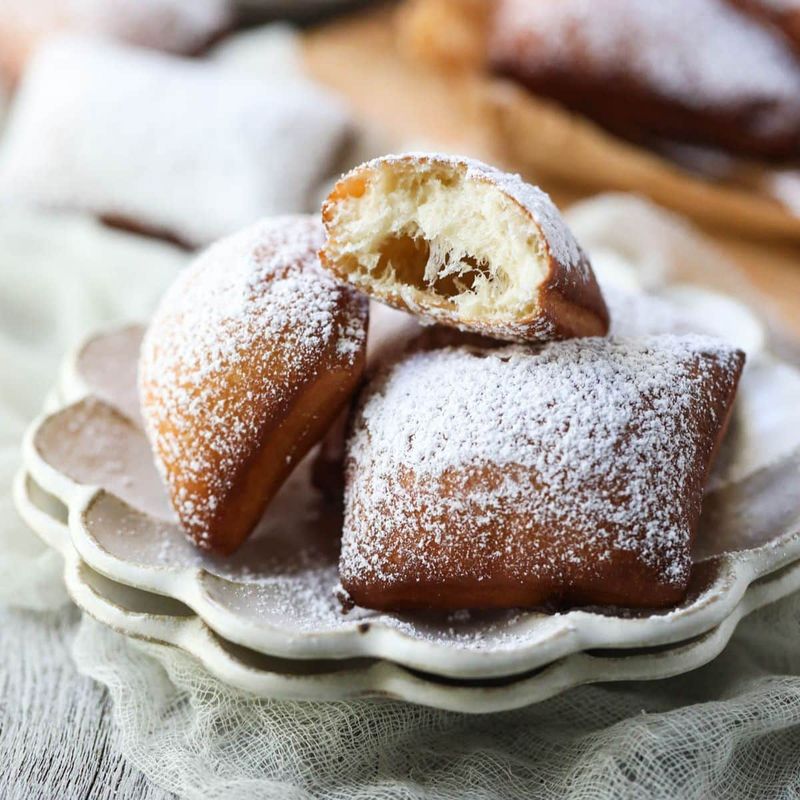
Square pillows of fried dough buried under mountains of powdered sugar – beignets are what breakfast dreams are made of! French colonists brought these treats to New Orleans in the 18th century, where they evolved into the city’s official donut.
Café du Monde made them famous, serving these addictive pastries 24/7 since 1862. The dough contains no eggs, making them lighter than traditional donuts. Proper beignet etiquette? Wear dark clothes (to hide inevitable sugar spills) and never, ever inhale while taking a bite!
Locals pair them with café au lait for the perfect morning – or midnight – snack.
10. Turtle Soup
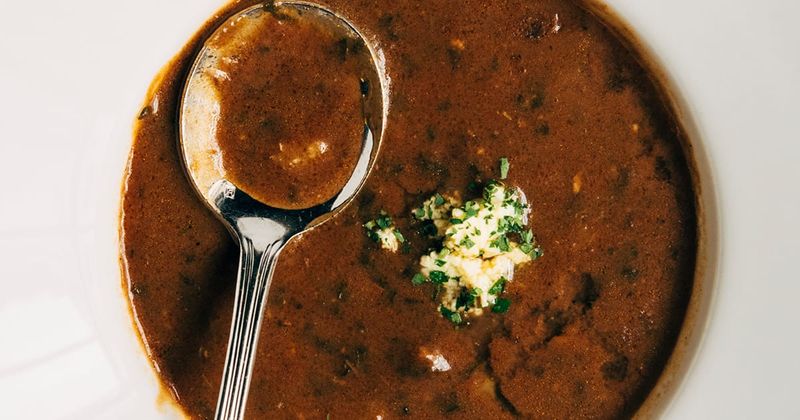
Sounds strange until you taste it! This luxurious soup dates back to the 1700s when it was served at fancy Creole dinner parties. Unlike the clear broth English version, New Orleans turtle soup is thick, almost stew-like, enriched with a dark roux.
Commander’s Palace restaurant famously finishes each bowl tableside with a splash of sherry. While originally made with snapping turtle meat (still used in authentic versions), some restaurants substitute veal or alligator due to conservation concerns.
The complex flavor comes from the trinity vegetables, tomatoes, lemon, and hard-boiled eggs in a rich stock that simmers for hours.
11. Shrimp Creole
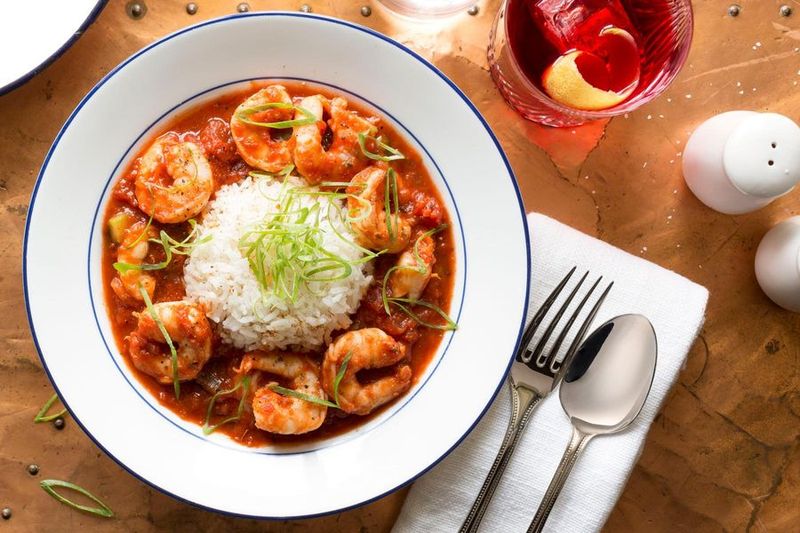
Fresh Gulf shrimp swimming in a spicy tomato sauce – this dish screams New Orleans! The sauce starts with the holy trinity (onions, celery, bell pepper) and develops complex flavors as it simmers with tomatoes, garlic, and Creole spices.
Unlike many New Orleans dishes that blend multiple cultural influences, Shrimp Creole has distinct French and Spanish roots. Home cooks often claim their grandmother’s recipe is the best in town.
The vibrant red sauce should be thick enough to cling to the rice but not so thick it becomes paste-like. When done right, the plump shrimp remain tender while soaking up all that tangy tomato goodness.
12. Courtbouillon
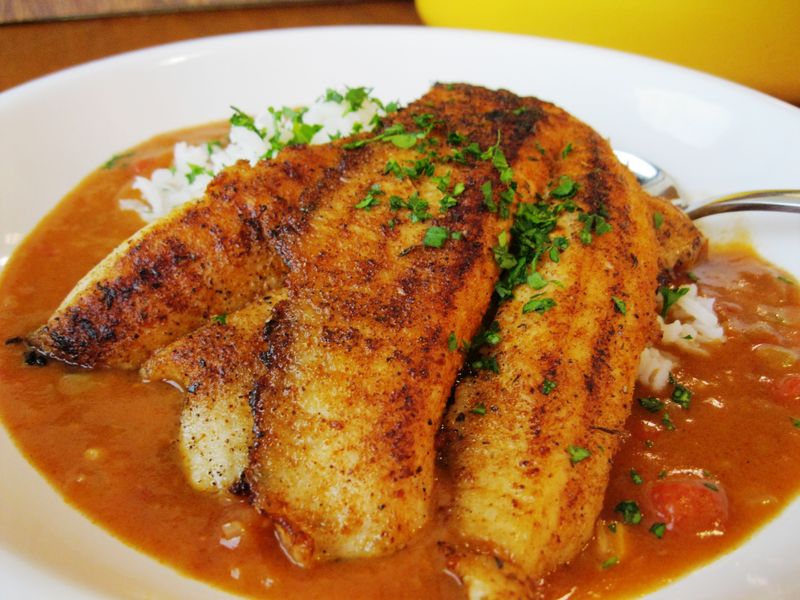
Pronounced “coo-bee-yon,” this rich fish stew showcases the Creole knack for transforming simple ingredients into something extraordinary. French in origin but pure New Orleans in execution, courtbouillon features firm white fish (typically redfish) poached in a spicy tomato gravy.
Unlike its French namesake, which is a quick cooking broth, New Orleans courtbouillon simmers low and slow until the flavors meld into something transcendent. The roux-thickened sauce gets depth from wine and the trinity of vegetables.
Traditionally served over rice, this rustic dish appears at family Sunday dinners and upscale restaurants alike.
13. Grillades And Grits
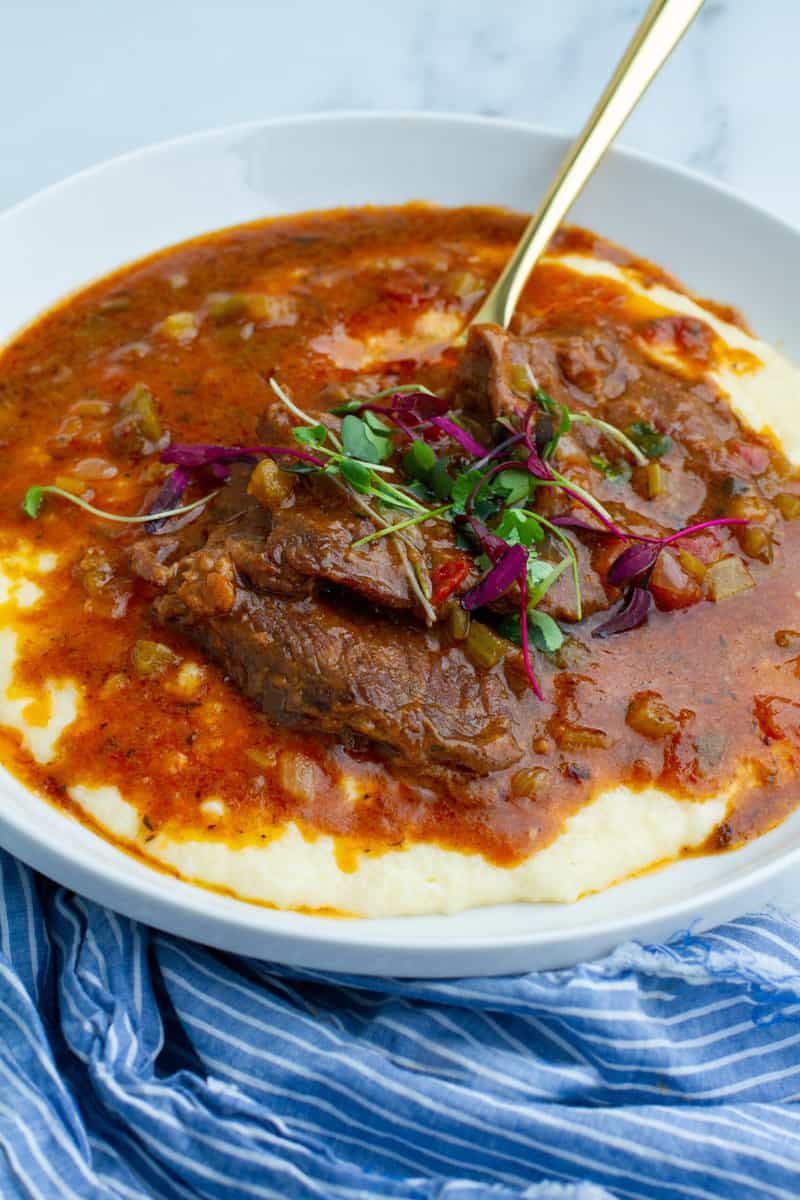
Weekend brunch reaches its pinnacle with this savory combination of tender beef medallions smothered in rich gravy over creamy stone-ground grits. Dating back to the 1800s, grillades (pronounced “gree-yahds”) were originally breakfast fuel for plantation workers.
The beef is pounded thin, seasoned aggressively, then braised in a flavorful sauce with tomatoes, bell peppers, and a splash of wine until fork-tender. Some modern versions substitute veal or even pork.
The real magic happens when the meat juices mingle with buttery grits. Old-school restaurants serve this dish with crusty French bread for sopping up every last drop of gravy.
14. Pralines
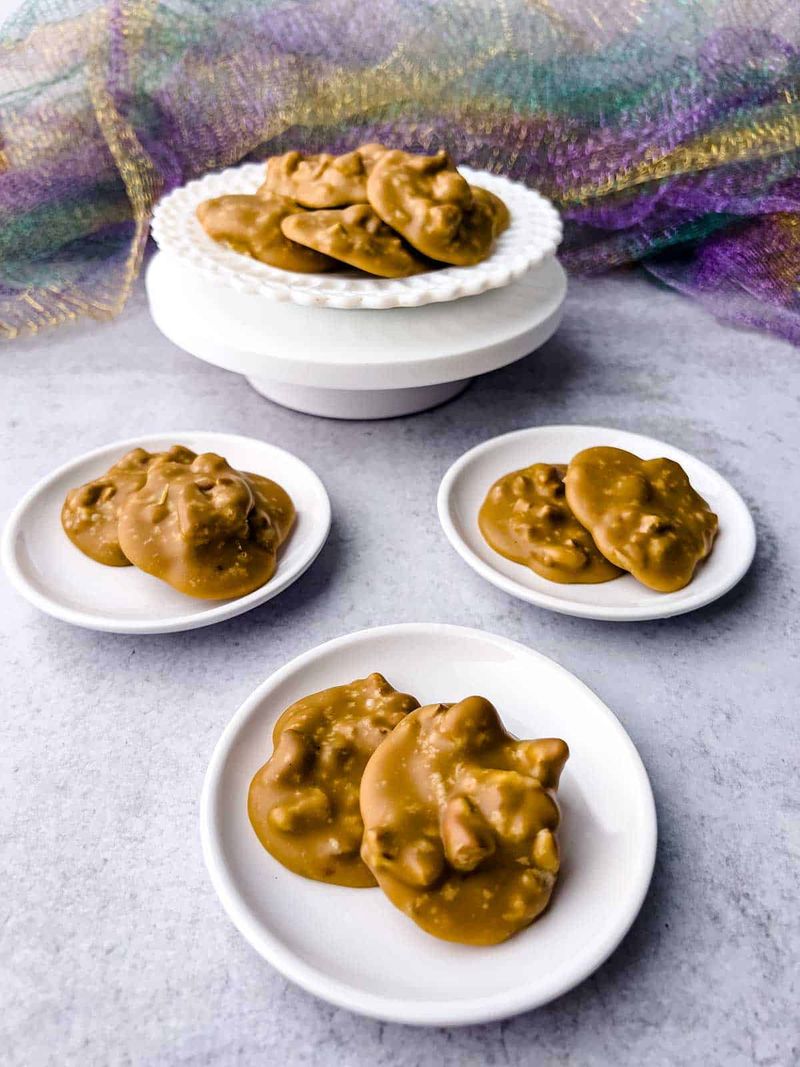
These sweet, pecan-studded confections arrived with French settlers but transformed in the hands of African-American candy makers who substituted abundant local pecans for the almonds used in France. The result? A distinctly New Orleans treat that’s been satisfying sweet tooths for centuries.
Pronounced “prah-leens” by locals (never “pray-leens”), these sugar bombs combine pecans, butter, sugar, and cream into a patty that’s somewhere between candy and cookie. When made perfectly, pralines have a creamy interior that melts in your mouth with a slight crunch from the nuts.
The scent of pralines cooking wafts through the French Quarter daily.
15. Café Au Lait With Chicory Coffee
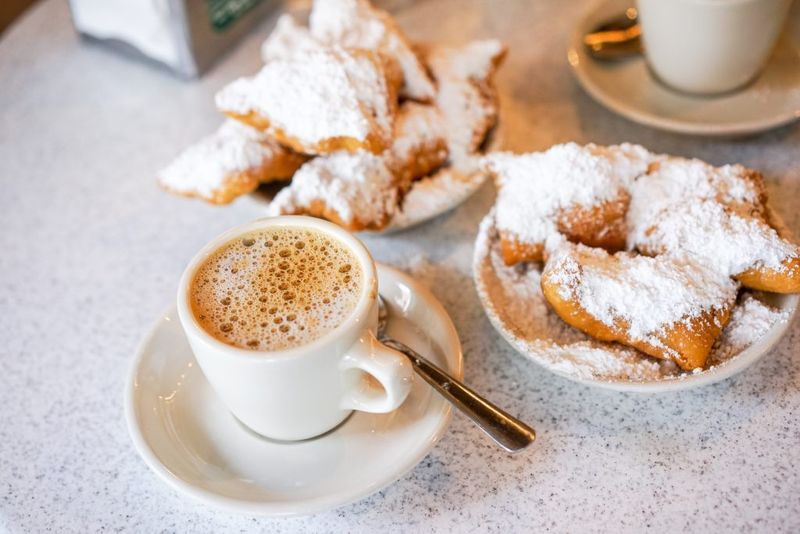
During Civil War blockades, New Orleanians stretched scarce coffee supplies by adding ground chicory root. Surprise – they loved the result and kept drinking it even after coffee became plentiful again!
The bitter chicory balances perfectly with hot milk in the signature café au lait. Unlike regular coffee, chicory has no caffeine but adds a distinctive woody, slightly chocolate flavor that’s become synonymous with New Orleans coffee culture.
Café du Monde serves thousands of cups daily, always in thick white mugs perfect for warming hands on foggy mornings. The chicory tradition lives on as one of the city’s most beloved Civil War-era adaptations turned cultural touchstone.
16. Barbecue Shrimp
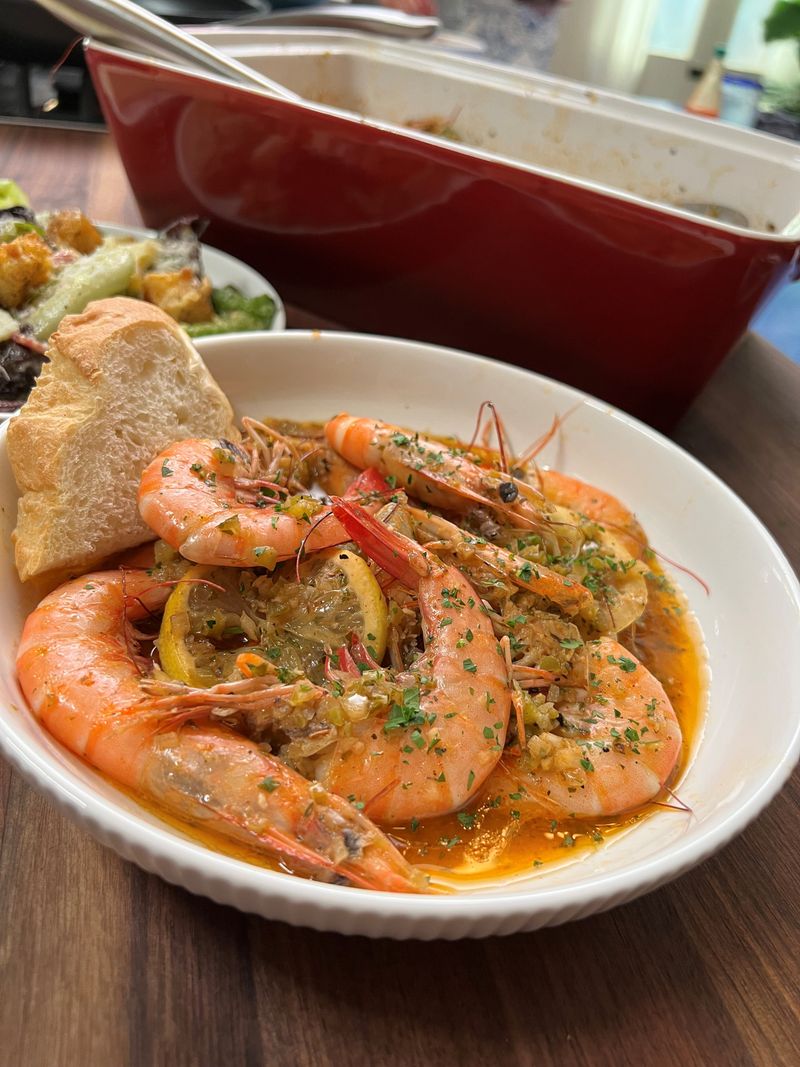
Despite its misleading name, New Orleans barbecue shrimp involves no grill or barbecue sauce whatsoever! This magnificent dish was created at Pascal’s Manale restaurant in 1954 when a customer tried describing a dish he’d enjoyed in Chicago.
The chef’s interpretation became a New Orleans classic – head-on shrimp swimming in a buttery sauce spiked with Worcestershire, garlic, and black pepper. The heads and shells infuse the sauce with incredible flavor as they cook.
Served with French bread for essential sauce-sopping, this messy, finger-licking dish requires a bib and plenty of napkins. The butter-to-shrimp ratio is wonderfully obscene!
17. Trout Meunière Amandine
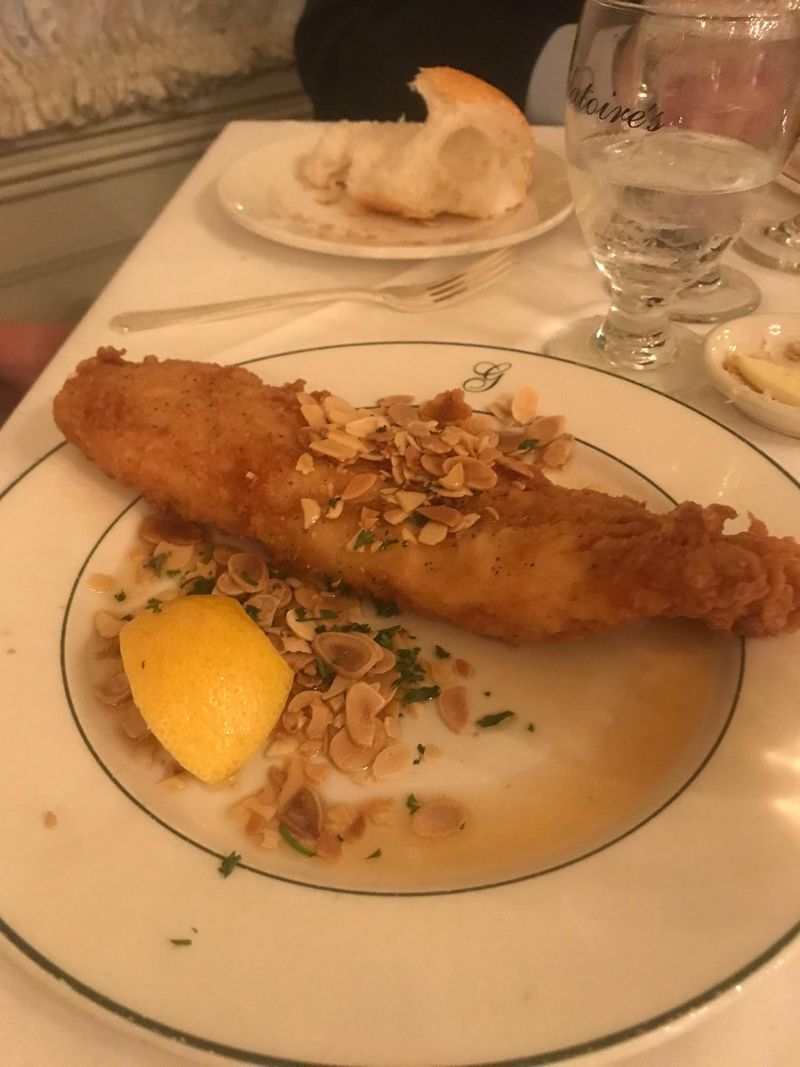
French technique meets Gulf seafood in this elegant dish that’s been gracing New Orleans tables since the 1800s. Local speckled trout fillets are dredged in flour (“meunière” means “miller’s wife”), then pan-fried until golden and topped with a sauce of browned butter, lemon, and toasted almonds.
Galatoire’s Restaurant on Bourbon Street famously serves this dish exactly as they did a century ago. The nuttiness of the browned butter and almonds perfectly complements the delicate fish.
While seemingly simple, achieving the perfect balance of acid, richness, and texture requires a deft hand – making this a test of any New Orleans chef’s skills.
18. Daube Glacé
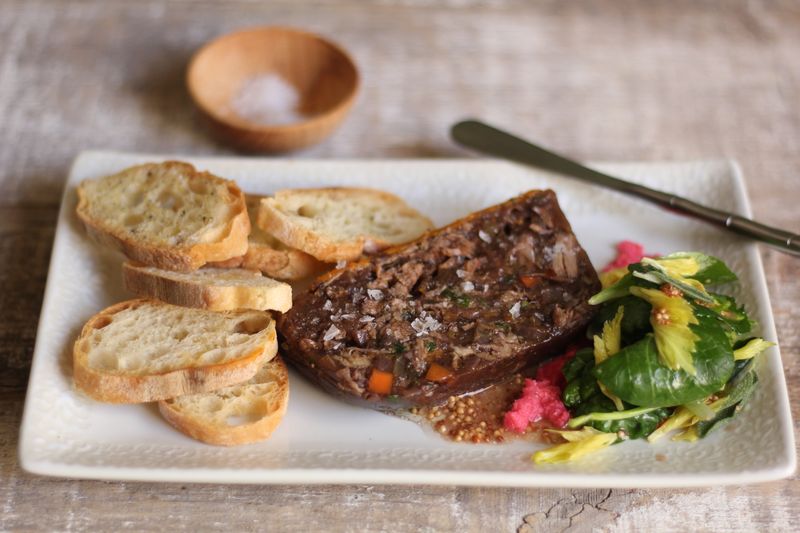
This forgotten gem from old Creole kitchens transforms humble beef into an elegant cold appetizer. Daube (pronounced “dobe”) is beef slowly braised with aromatics until fork-tender, then the cooking liquid is reduced and fortified with gelatin.
The mixture sets into a savory meat jelly – much more delicious than it sounds! Traditionally served at room temperature with crackers or toast points, this was once a standard offering at ladies’ luncheons and holiday buffets.
While less common today, several old-line restaurants and Creole families still prepare this dish for special occasions. The aspic-like texture might surprise modern palates, but the concentrated beef flavor wins over skeptics.
19. Dirty Rice
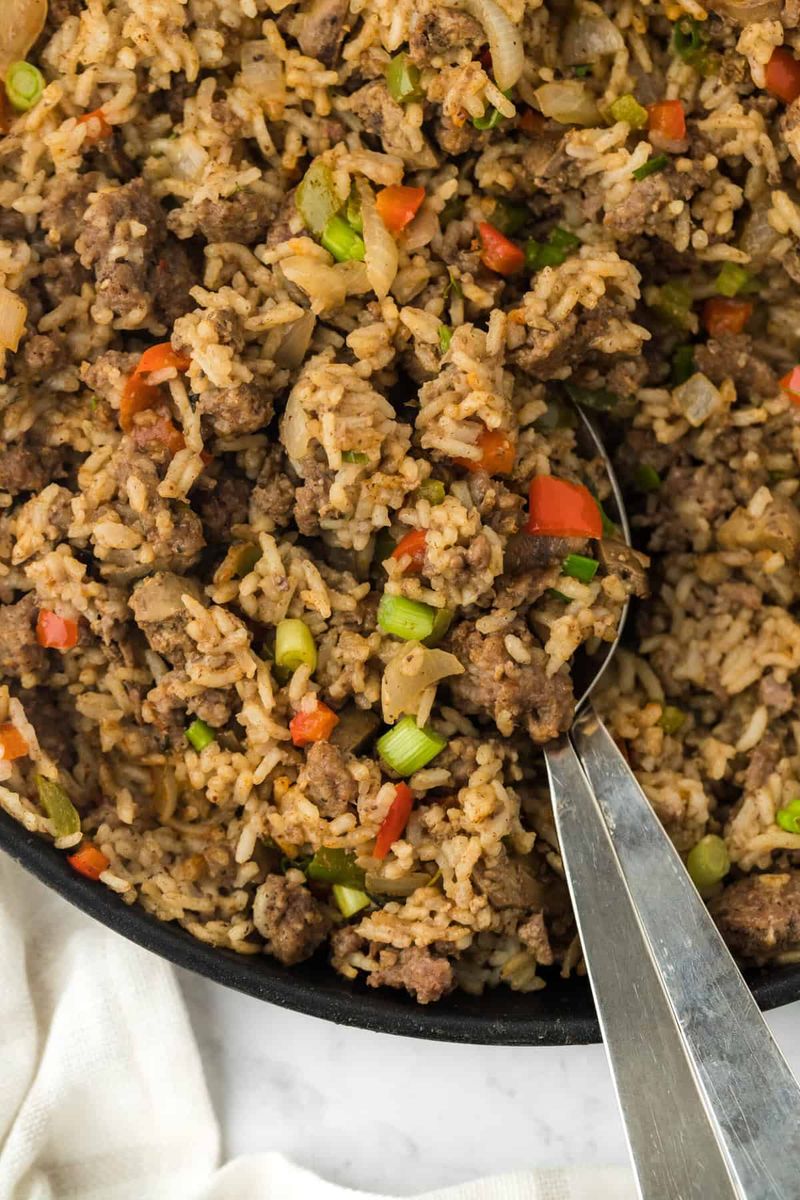
Not actually dirty at all, this flavorful rice gets its distinctive color and name from chicken livers and gizzards that are ground and sautéed until dark brown. Originally a clever way for Creole cooks to stretch inexpensive organ meats into a filling meal.
The holy trinity of onions, celery, and bell peppers adds aromatic backbone, while Cajun spices bring the heat. Each family’s recipe varies slightly – some add ground pork or beef, others keep it traditional with only chicken parts.
Modern restaurants sometimes tone down the offal flavor for tourist palates, but authentic dirty rice embraces the earthy, mineral richness that gives this dish its soul.