20 Superfoods That Help Seniors Stay Healthy
As we age, our bodies need more nutritional support to maintain health and vitality. Superfoods—those nutrient-dense powerhouses—can be game-changers for seniors looking to boost their wellbeing naturally.
These foods fight inflammation, strengthen bones, sharpen memory, and even help manage chronic conditions that commonly affect older adults.
1. Blueberries
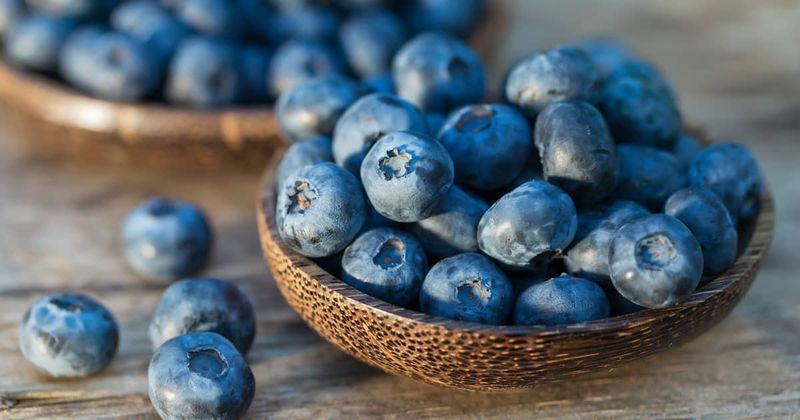
Forget expensive supplements! These tiny blue gems pack more age-fighting punch than foods twice their size. Loaded with antioxidants called anthocyanins, blueberries actively combat the brain fog and memory hiccups that often come with aging.
Research shows just one cup daily can improve cognitive function and delay brain aging by up to 2.5 years. The natural compounds in blueberries also support eye health by strengthening tiny blood vessels in the retina.
2. Fatty Fish
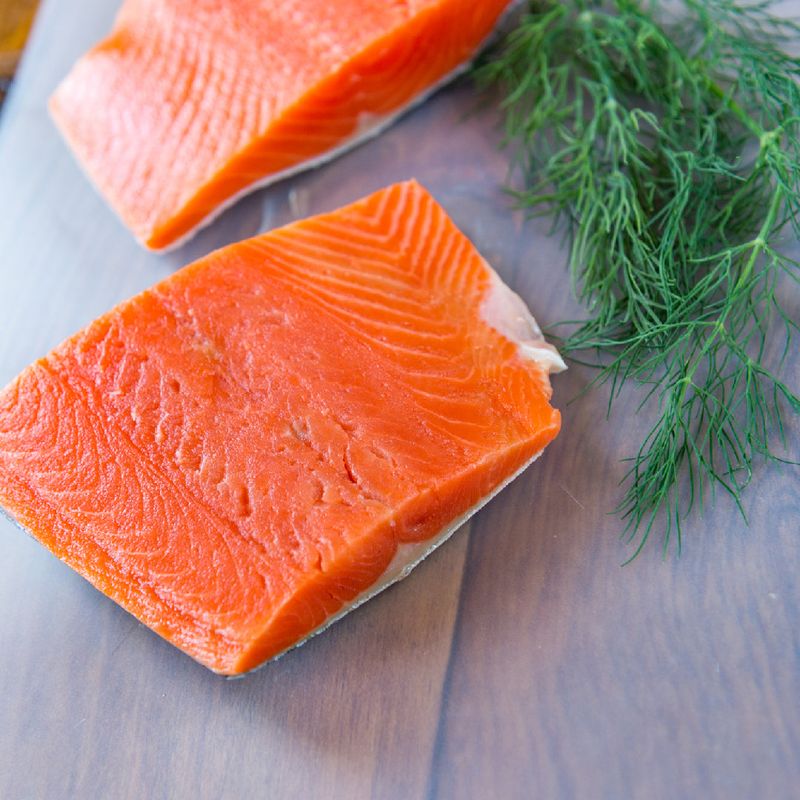
Salmon, mackerel, and sardines aren’t just dinner options—they’re medicine for your heart and brain! The omega-3 fatty acids in these swimmers reduce inflammation throughout the body, particularly in joints where arthritis loves to settle.
Two servings weekly can lower heart attack risk by nearly 36% according to cardiovascular research. Beyond heart health, these fats maintain brain cell membranes, improving neuron communication and potentially slowing cognitive decline.
3. Greek Yogurt
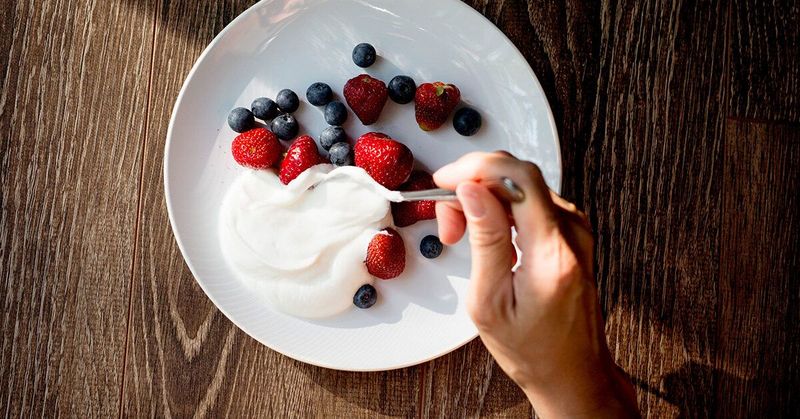
Holy protein punch! Just one cup of Greek yogurt delivers nearly twice the protein of regular yogurt with fewer carbs. This thick, creamy delight supports muscle maintenance—crucial after 60 when we naturally lose about 3% muscle mass yearly if we’re not careful.
The live probiotics in Greek yogurt transform gut health, improving digestion and boosting immune function. Studies show regular consumption can reduce bloating and constipation—common complaints among older adults taking certain medications.
4. Leafy Greens
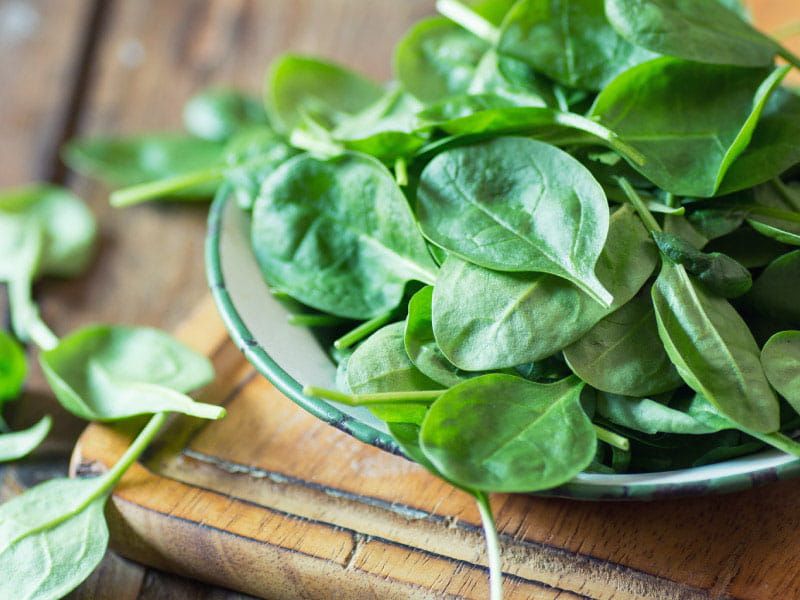
Kale, spinach, and their leafy cousins might as well wear superhero capes! These nutritional powerhouses contain lutein and zeaxanthin—compounds that protect aging eyes from macular degeneration. The vitamin K in these greens is a bone-building essential that many seniors dangerously lack.
Surprisingly versatile, leafy greens can be sneaked into smoothies, soups, and even desserts (spinach brownies actually taste amazing). Their folate content supports healthy red blood cells, preventing the fatigue that many mistake for an inevitable part of aging.
5. Nuts And Seeds
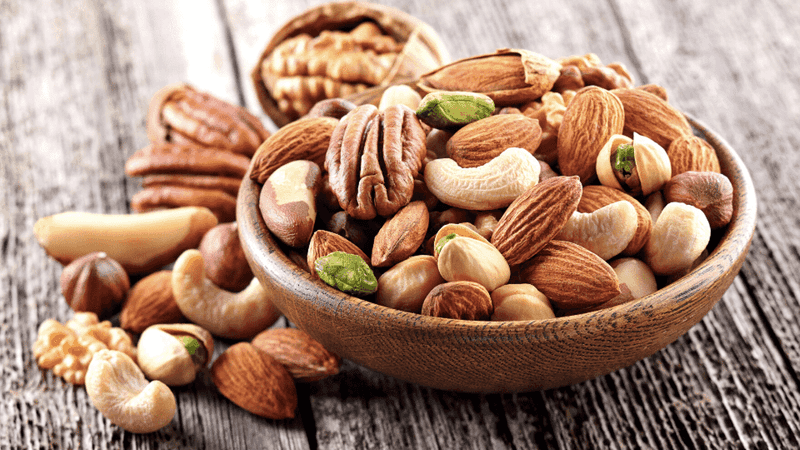
Small but mighty, nuts and seeds are portable powerhouses of nutrition! Walnuts, flaxseeds, and chia seeds deliver alpha-linolenic acid—a plant-based omega-3 that helps lower cholesterol and reduce inflammation. Just a handful daily can slash heart disease risk by 20%.
Magnesium-rich pumpkin seeds support muscle function and help regulate blood pressure. Almonds contribute calcium for bone health while pistachios offer lutein for eye protection. The protein and fiber combination keeps hunger at bay for hours.
6. Avocados
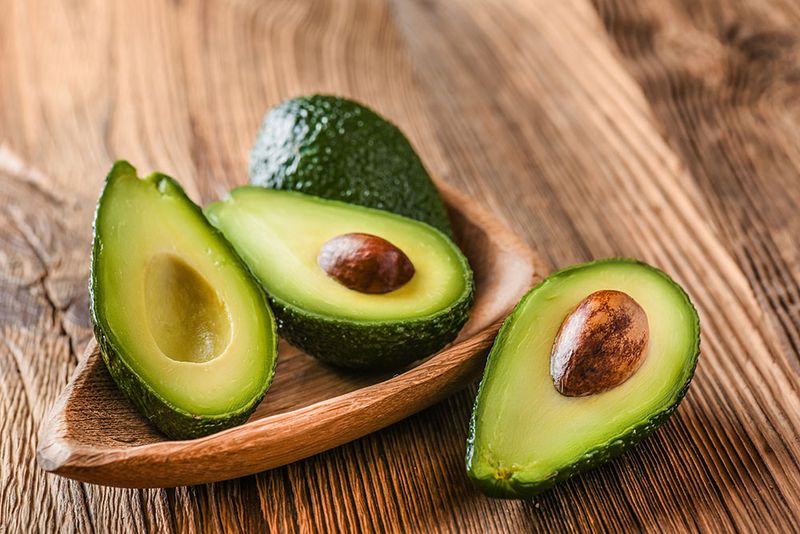
Butter’s healthier cousin deserves all the hype! Avocados deliver monounsaturated fats that nourish brain cells and reduce inflammation. These green gems contain more potassium than bananas—crucial for maintaining healthy blood pressure and preventing muscle cramps that plague many seniors.
Their natural plant sterols actively lower bad cholesterol while boosting the good kind. The creamy texture makes avocados perfect for smoothies and as spreads for those with dental issues or swallowing difficulties.
7. Berries
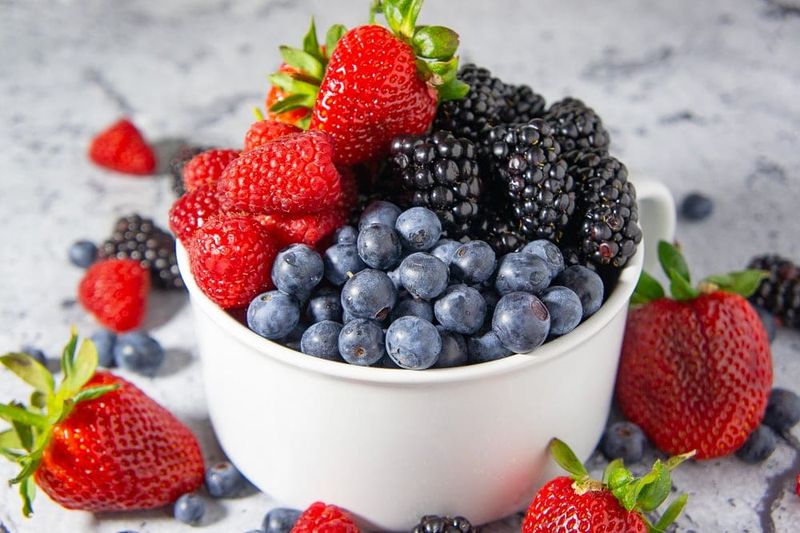
Mother Nature’s candy comes with serious health credentials! Strawberries, raspberries, and blackberries contain ellagic acid that fights cancer-causing free radicals. Their vibrant colors signal the presence of anthocyanins—compounds that reduce inflammation in aging joints and blood vessels.
Berry eaters show measurably better balance and coordination in studies of older adults. The natural fiber in berries supports digestive health while helping to regulate blood sugar—particularly important for seniors managing diabetes or pre-diabetic conditions.
8. Beans And Lentils
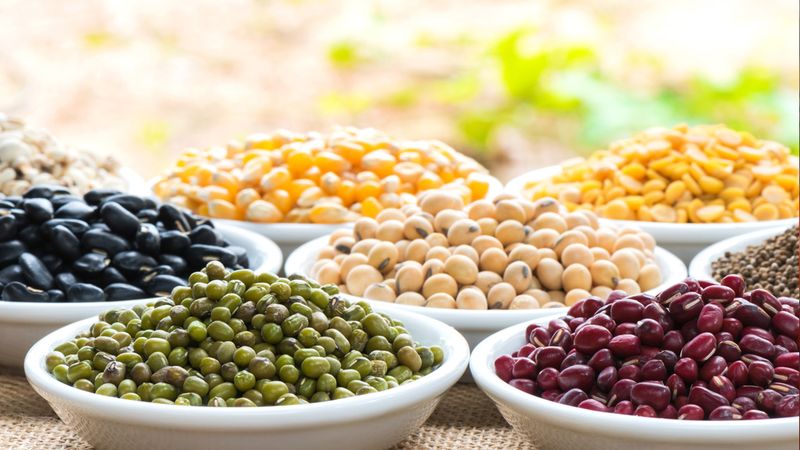
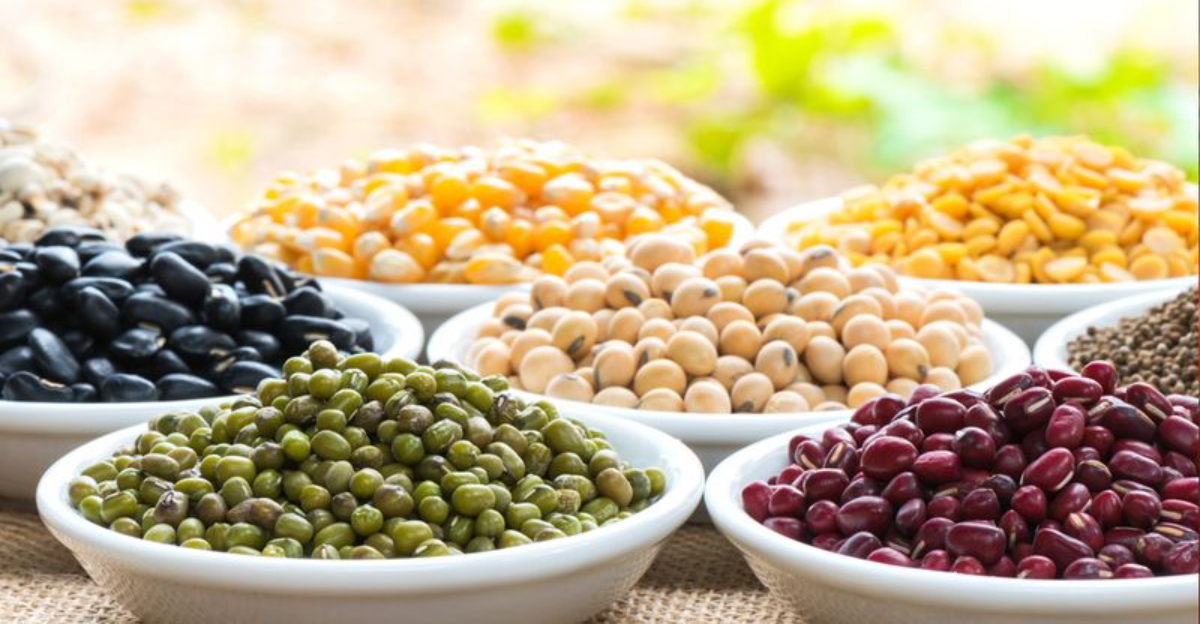
Budget-friendly nutrition superstars! Beans and lentils deliver plant protein without the saturated fat found in many animal sources. Their remarkable fiber content—about 15 grams per cup—helps lower cholesterol and stabilize blood sugar, crucial for seniors managing diabetes or heart concerns.
The potassium, magnesium, and iron trifecta supports healthy blood pressure and prevents anemia—a common issue for older adults. Studies show bean eaters typically have smaller waistlines and lower risk of metabolic syndrome.
9. Turmeric
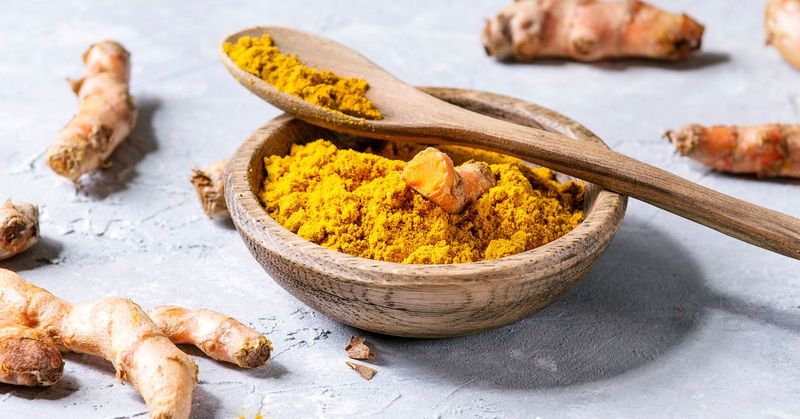
This vibrant yellow spice does more than brighten curries! Turmeric contains curcumin—a compound with anti-inflammatory powers rivaling some prescription medications. Regular consumption has been linked to reduced joint pain and improved mobility in arthritis sufferers.
Brain benefits are equally impressive. Studies show turmeric may help clear the amyloid plaques associated with Alzheimer’s disease. The antioxidant properties protect cells throughout the body from oxidative damage—essentially slowing the aging process at a cellular level.
10. Sweet Potatoes
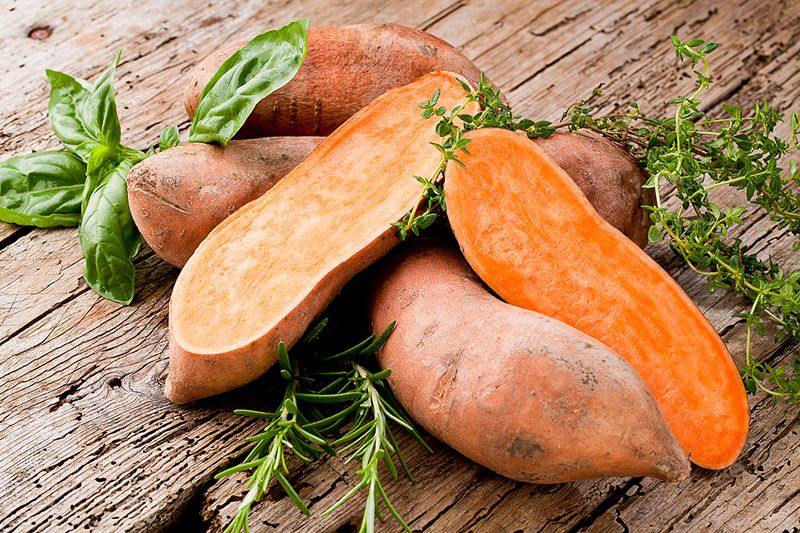
Orange you glad these aren’t regular potatoes? Sweet potatoes pack a massive vitamin A punch—one medium spud provides over 400% of daily needs! This nutrient is crucial for maintaining healthy vision and preventing night blindness that often worsens with age.
Their natural sweetness comes with a surprisingly low glycemic impact. The fiber slows digestion, preventing the blood sugar spikes that regular potatoes can cause. Potassium content helps control blood pressure while the complex carbs provide sustained energy without crashes.
11. Olive Oil
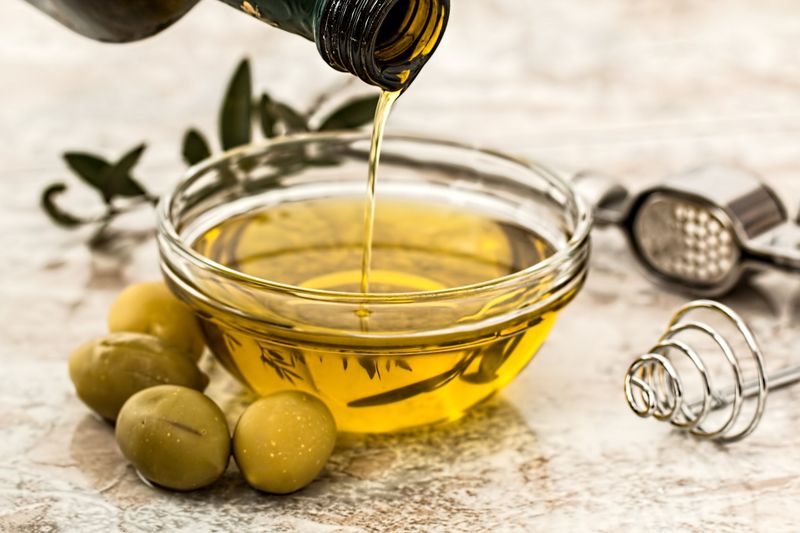
Liquid gold for your arteries! Extra virgin olive oil contains polyphenols that protect blood vessels from inflammation and oxidative damage. The monounsaturated fats actively lower bad cholesterol while preserving the good kind—exactly what aging hearts need.
Research from the landmark PREDIMED study found those consuming olive oil daily had 30% fewer cardiovascular events. Beyond heart benefits, the vitamin E content supports skin health, helping maintain elasticity and moisture that naturally diminish with age.
12. Cruciferous Vegetables
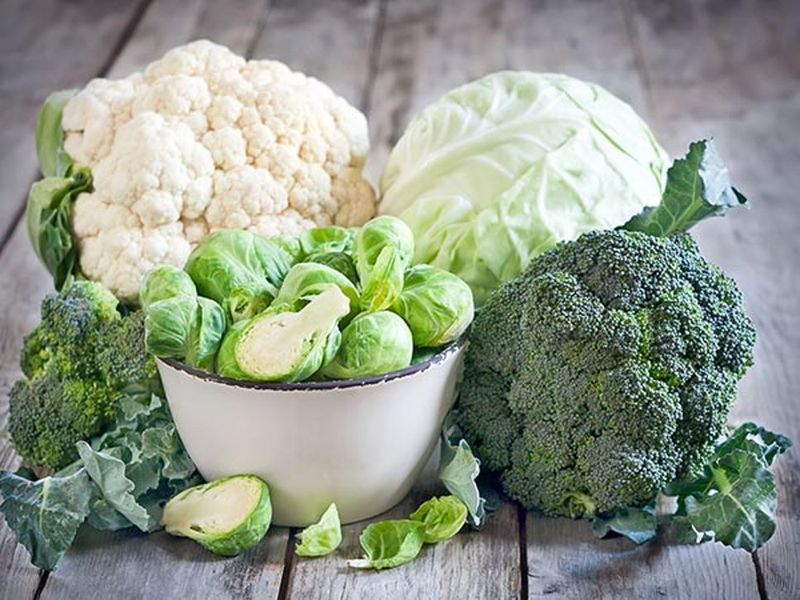
Broccoli, cauliflower, and brussels sprouts might make you wince, but your cells are cheering! These veggies contain sulforaphane—a compound that activates the body’s natural detoxification systems and may help prevent cancer cell growth.
The vitamin K abundance supports bone health by helping calcium properly integrate into bone tissue. Their fiber content feeds beneficial gut bacteria, improving digestive health and strengthening immune function that naturally weakens with age.
13. Tomatoes
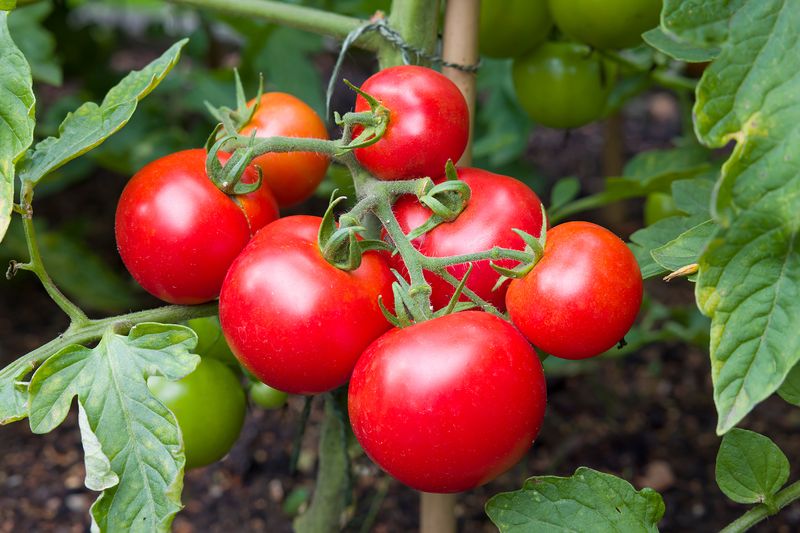
Technically fruits but nutritionally superstars! Tomatoes contain lycopene—a powerful antioxidant linked to reduced prostate cancer risk and improved heart health. The concentration actually increases when tomatoes are cooked, making sauce and paste nutritional powerhouses.
Potassium content helps regulate blood pressure while the vitamin C supports collagen production for skin, joint, and blood vessel health. Studies show regular tomato consumption may help protect skin from UV damage—working like an internal sunscreen supplement.
14. Oats
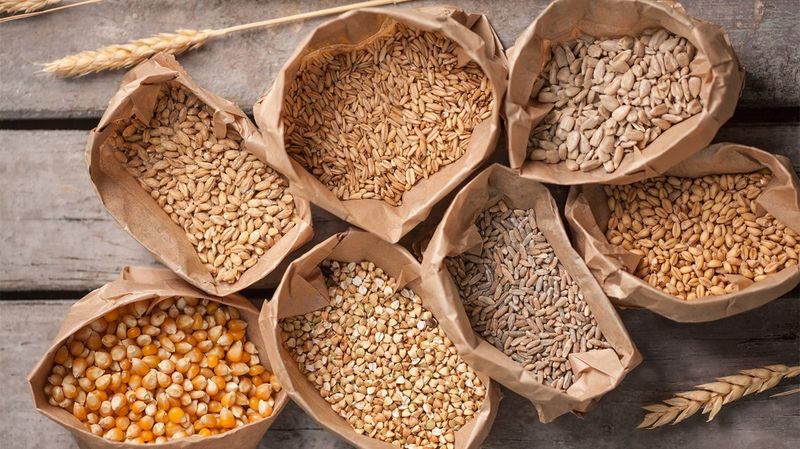
Not your ordinary grain! Oats contain beta-glucan—a special type of soluble fiber that forms a gel-like substance in the digestive tract, effectively trapping cholesterol and escorting it out of the body. Just one daily serving can lower LDL (bad) cholesterol by 5-10%.
The complex carbs provide steady energy without blood sugar spikes, while the protein content (higher than most grains) helps preserve muscle mass. Studies show regular oat eaters have better-controlled blood pressure and improved gut health.
15. Bell Peppers
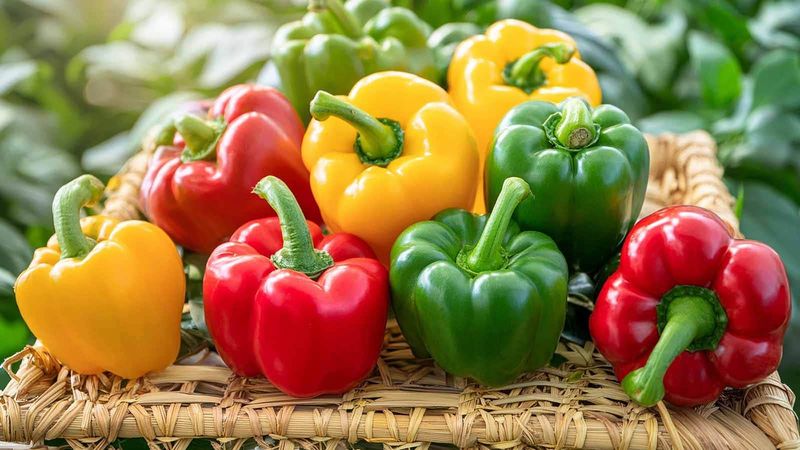
Move over, oranges! Red bell peppers contain nearly three times more vitamin C than citrus fruits—crucial for seniors since absorption efficiency decreases with age. This immune-boosting vitamin also supports collagen production for healthier skin, joints, and blood vessels.
The rainbow of colors signals different antioxidant profiles. Red peppers offer lycopene similar to tomatoes, while yellow and orange varieties provide lutein and zeaxanthin for eye health. Their natural sweetness and satisfying crunch make them perfect low-calorie snacks.
16. Dark Chocolate
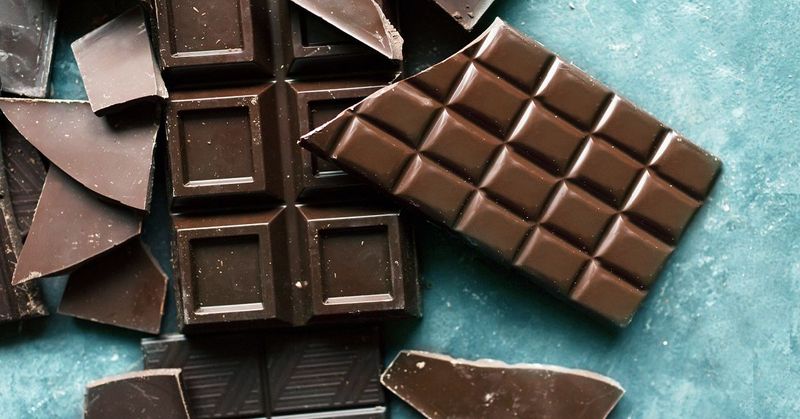
Finally, a guilty pleasure that’s actually good for you! Dark chocolate (70%+ cacao) contains flavanols that improve blood flow to the brain and heart. Studies show regular small portions can lower blood pressure and improve insulin sensitivity.
The theobromine content provides a gentle mood lift without caffeine’s jittery side effects. Research suggests chocolate’s compounds may help preserve cognitive function by protecting neurons from oxidative damage and improving blood flow to the brain.
17. Garlic
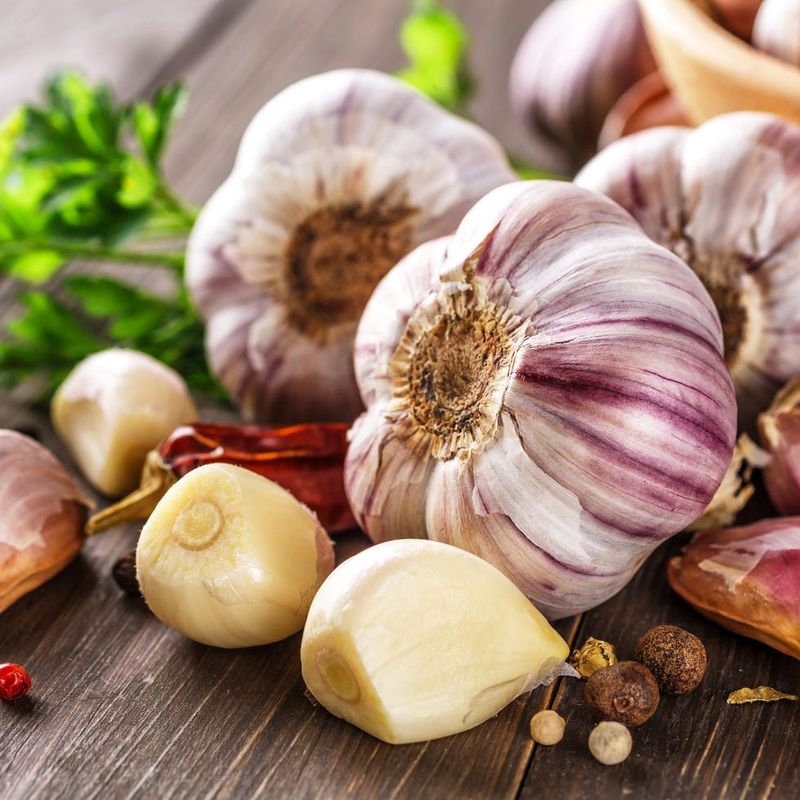
Vampires aren’t the only things garlic keeps away! This pungent bulb contains allicin—a compound with potent antimicrobial properties that help fight colds, flu, and other infections. Its natural sulfur compounds support detoxification pathways in the liver.
Cardiovascular benefits are impressive too. Regular consumption has been linked to reduced plaque buildup in arteries and modestly lower blood pressure. Some studies suggest garlic may help regulate blood sugar and reduce inflammation throughout the body.
18. Kefir
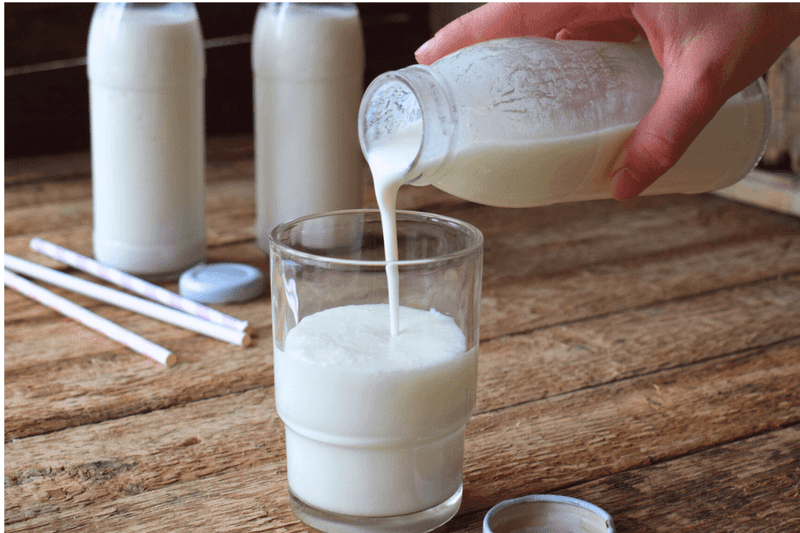
Yogurt’s more powerful cousin! Kefir contains up to three times more probiotic strains than yogurt—beneficial bacteria that support gut health and strengthen immune function. The fermentation process breaks down lactose, making it digestible even for many seniors with lactose sensitivity.
Bone health gets a triple boost from kefir’s calcium, vitamin K2, and phosphorus combination. These nutrients work synergistically to improve calcium absorption and proper bone mineralization. Studies show regular kefir consumption may help prevent osteoporosis.
19. Pomegranate
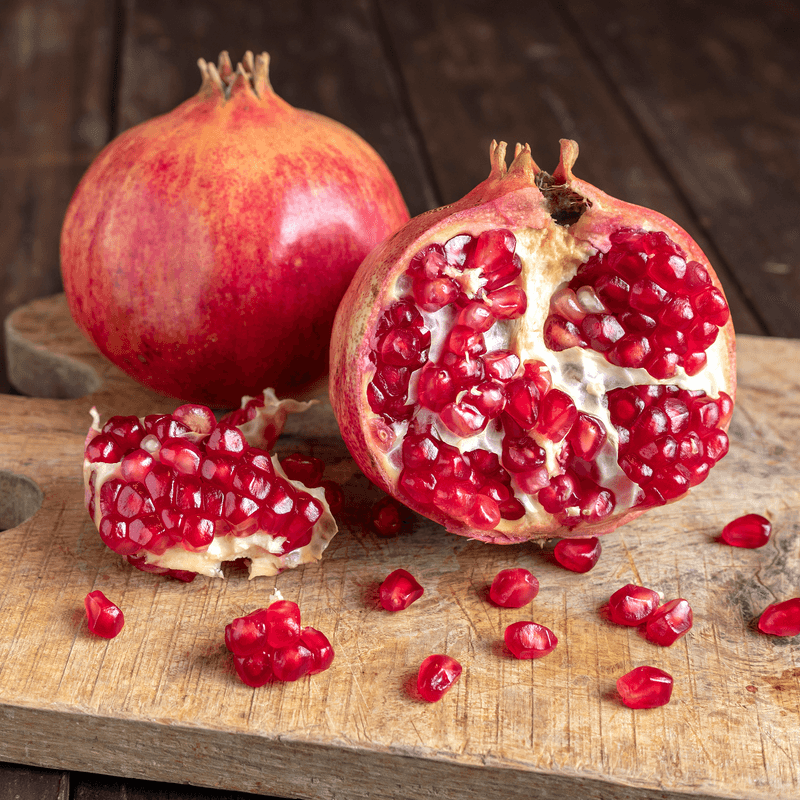
Worth the effort to deseed! Pomegranates contain punicalagins—unique antioxidants that may be three times more powerful than those in green tea or red wine. These compounds help reduce inflammation in arteries and may prevent plaque buildup.
Joint health benefits come from anthocyanins that reduce inflammation and oxidative damage in cartilage. Studies suggest regular consumption improves memory and cognitive function by protecting brain cells from the oxidative stress that accelerates aging.
20. Green Tea
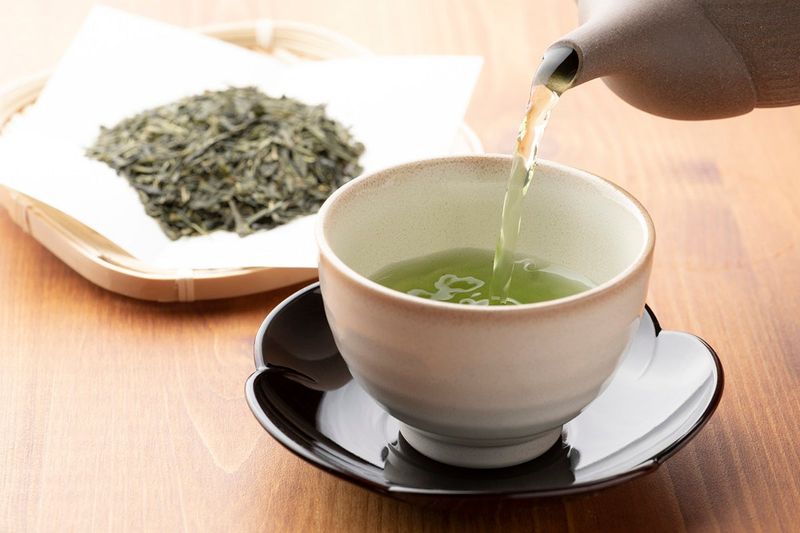
Sip your way to better health! Green tea contains catechins—powerful antioxidants that protect cells throughout the body from oxidative damage. EGCG, the most abundant catechin, has been linked to improved brain function and fat metabolism.
The L-theanine content creates a state of calm alertness without the jitters often associated with caffeine. This amino acid crosses the blood-brain barrier and may help protect neurons from age-related damage.