
15 Of The Healthiest Fruits You’ll Find At The Store, Plus 4 Low-Key Winners Nutritionists Love
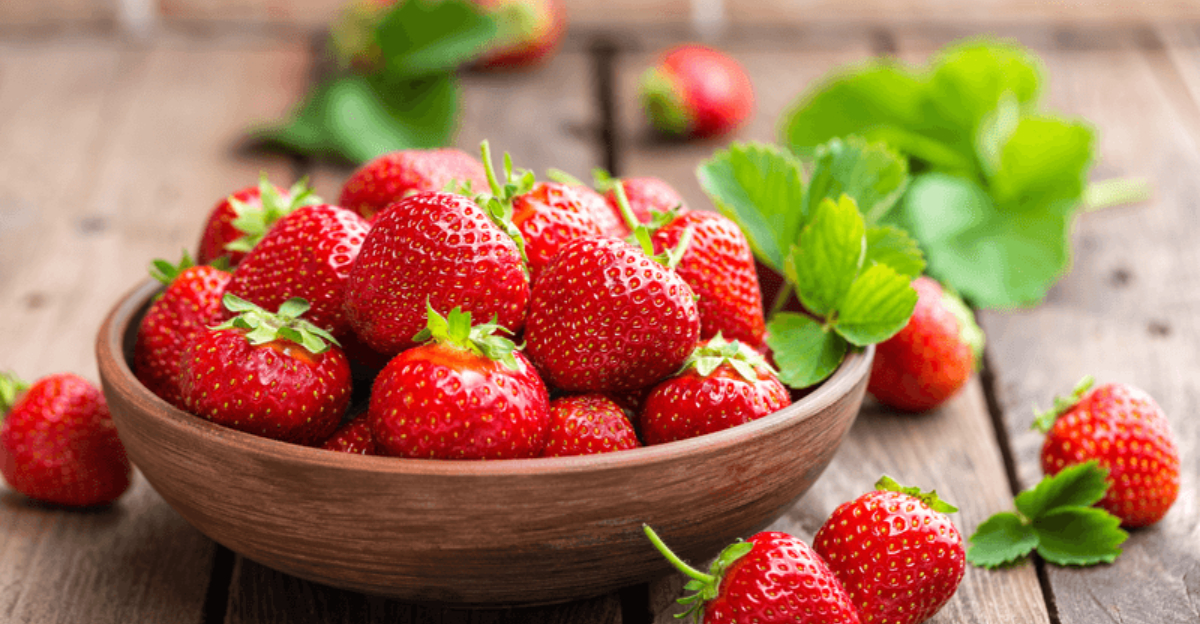
Fruits are nature’s candy – sweet, delicious, and packed with vitamins, minerals, and fiber that our bodies need to thrive. Unlike processed snacks, these natural treats deliver powerful antioxidants that fight disease while satisfying our sweet cravings.
From tropical varieties bursting with vitamin C to berries loaded with cancer-fighting compounds, adding more fruits to your diet is one of the simplest ways to boost your health.
1. Blueberries
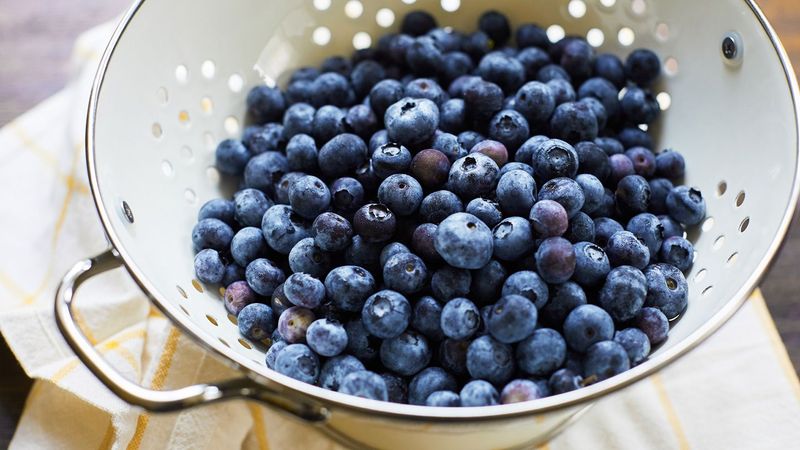
Tiny but mighty, blueberries pack more antioxidants than almost any other fruit on the planet. Their deep blue color comes from anthocyanins, compounds that protect your brain cells from aging and may even improve your memory.
Studies show regular blueberry eaters have better balance, stronger thinking skills, and healthier hearts. Just one cup delivers 24% of your daily vitamin C and 4 grams of fiber.
2. Avocados
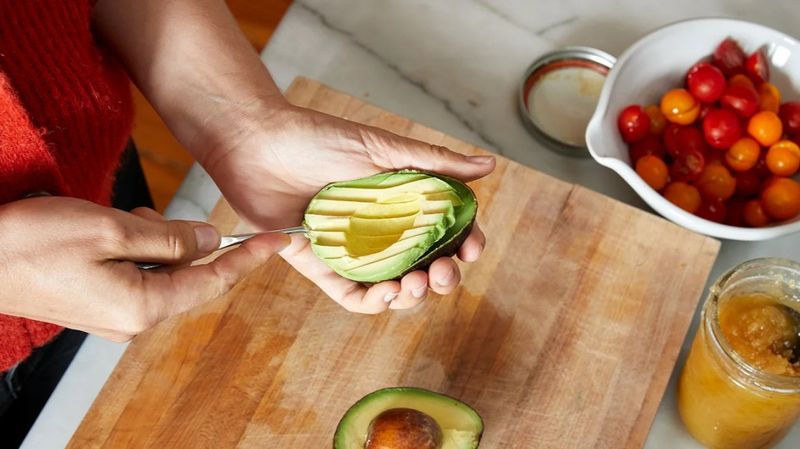
Surprise! Avocados are technically fruits, not vegetables. These creamy green gems contain more potassium than bananas and are loaded with heart-healthy monounsaturated fats that help lower bad cholesterol.
Half an avocado provides about 10% of your daily fiber needs, helping you feel full longer while supporting digestive health. Their natural oils also boost absorption of fat-soluble vitamins from other foods you eat.
3. Strawberries
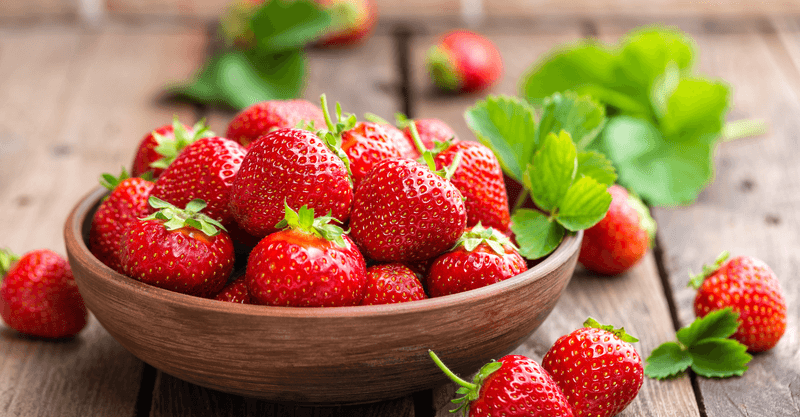
Bright red and naturally sweet, strawberries deliver more vitamin C than oranges—ounce for ounce. Just eight berries provide your entire daily requirement! These juicy gems also contain ellagic acid, a compound that fights cancer and reduces inflammation.
Unlike many fruits, strawberries actually have their seeds on the outside—about 200 per berry. Their natural sweetness comes with minimal sugar impact, making them perfect for diabetics.
4. Pomegranates
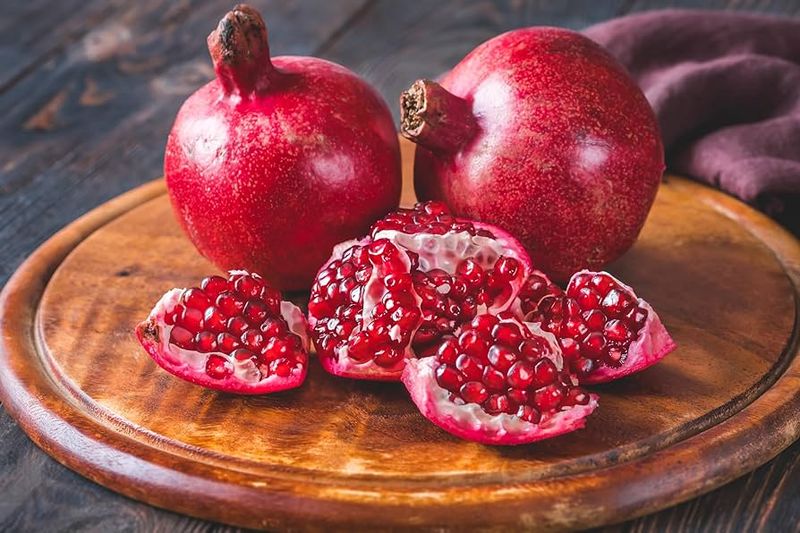
Crack open a pomegranate and you’ll find hundreds of glistening ruby-red seeds called arils. Ancient cultures considered this fruit a symbol of fertility and eternal life—modern science suggests they weren’t far off!
Pomegranates contain potent antioxidants called punicalagins that may help prevent heart disease and reduce joint pain. Some studies show their juice has three times the antioxidant power of green tea or red wine.
5. Oranges
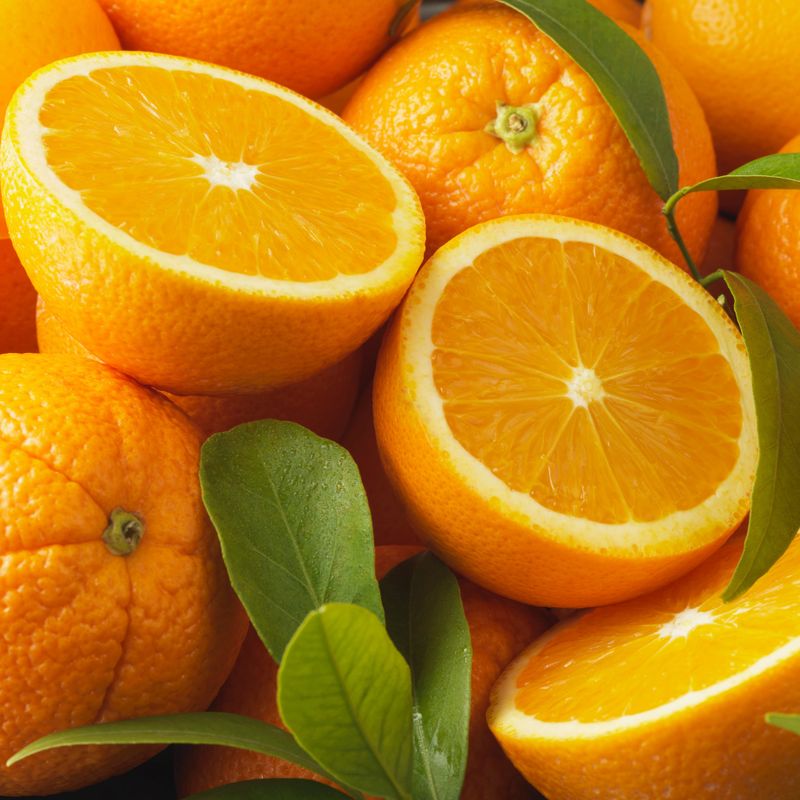
Nothing beats peeling an orange and feeling that refreshing citrus mist! These sunshine-colored fruits contain over 170 different phytochemicals and more than 60 flavonoids, many with anti-inflammatory and antioxidant properties.
Beyond their famous vitamin C content (one medium orange provides your entire daily need), oranges offer thiamin, folate, and potassium. The white pith between the peel and fruit, though slightly bitter, contains valuable hesperidin that supports heart health.
6. Kiwi
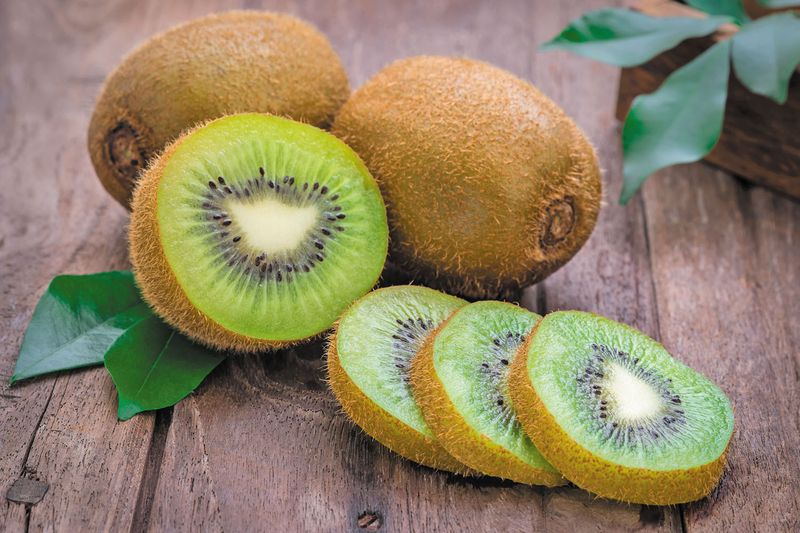
Beneath that fuzzy brown exterior hides a bright green surprise packed with more vitamin C than oranges! Kiwis also contain an enzyme called actinidin that helps digest proteins, making them perfect after heavy meals.
Research suggests eating two kiwis an hour before bedtime may improve sleep quality and duration. Their high serotonin content could be the reason some people report falling asleep faster after enjoying this tropical treat.
7. Watermelon
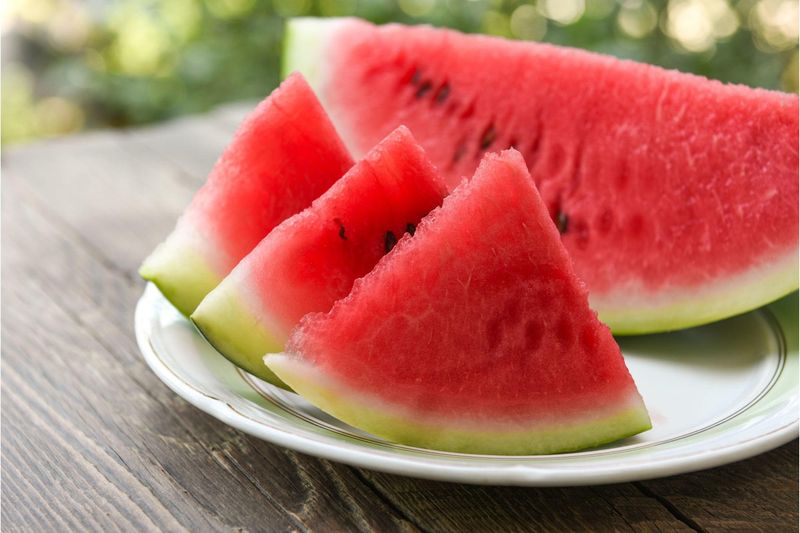
Biting into a cold slice of watermelon on a hot day feels like pure joy—and your body agrees! At 92% water, this summer favorite hydrates while delivering nutrients like lycopene, the compound that gives it that gorgeous red color.
Surprisingly, watermelon contains more lycopene than fresh tomatoes, helping protect your cells from damage and potentially reducing cancer risk. The amino acid citrulline in watermelon may also improve exercise performance by reducing muscle soreness.
8. Pineapple
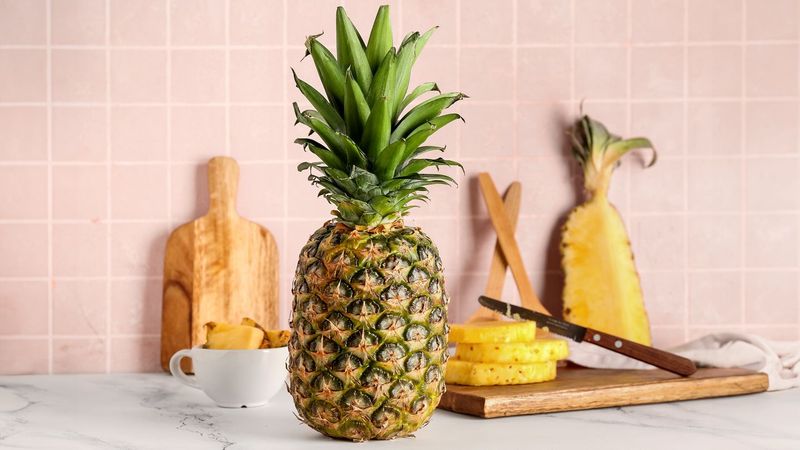
Sweet, tangy pineapple does more than transport your taste buds to the tropics—it contains bromelain, a powerful enzyme that fights inflammation and might help reduce swelling after injuries or surgery. This enzyme is so effective it’s used in commercial meat tenderizers!
Christopher Columbus brought pineapples back to Europe in 1493, where they became such rare status symbols that people would rent them for dinner parties just to display (not eat). Today, we know one cup provides 131% of your daily vitamin C needs.
9. Bananas
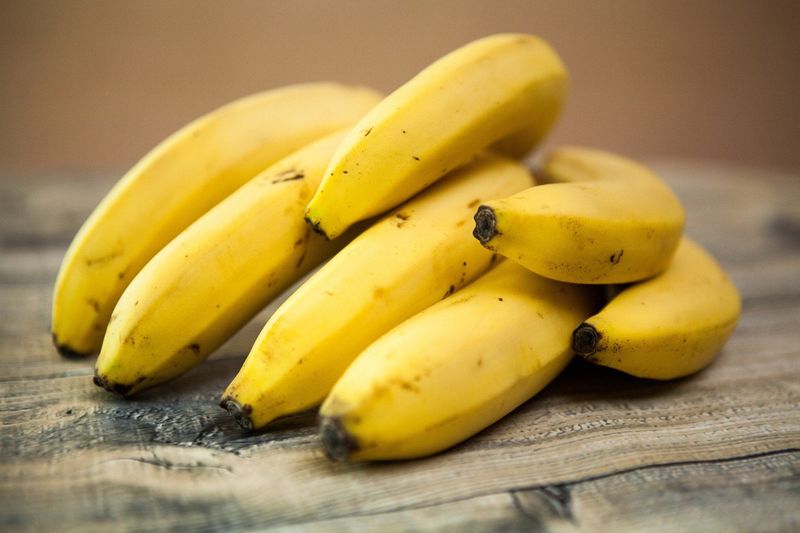
Wrapped in their own yellow packaging, bananas might be nature’s perfect on-the-go snack. Their high potassium content (about 422mg per medium fruit) helps regulate blood pressure and supports proper muscle function—making them a favorite for athletes.
Contrary to common belief, bananas aren’t the highest potassium food (avocados and sweet potatoes contain more), but they’re certainly the most convenient! Green bananas contain resistant starch that feeds beneficial gut bacteria, while fully ripened ones with brown spots have more antioxidants.
10. Grapefruit

Tangy, slightly bitter grapefruit earned its reputation as a diet food for good reason. Studies show eating half a grapefruit before meals may help control insulin levels and promote weight loss, possibly due to its high water content and fiber that keeps you feeling full.
The pink and red varieties contain lycopene, the same heart-healthy compound found in tomatoes. White grapefruits lack lycopene but still pack plenty of vitamin C and potassium. One half provides 64% of your daily vitamin C needs with just 52 calories.
11. Cherries
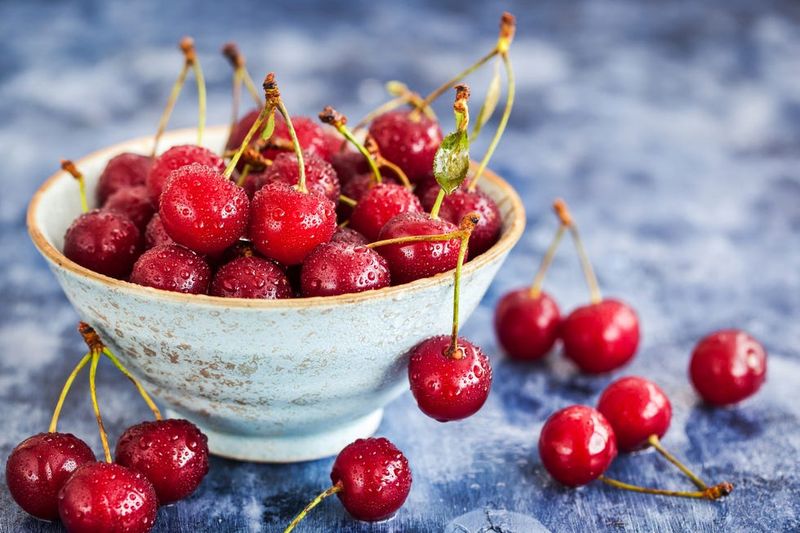
Ruby red cherries aren’t just delicious—they’re one of the few natural sources of melatonin, the hormone that regulates sleep cycles. Drinking tart cherry juice has been shown to improve sleep quality and duration in adults with insomnia.
Athletes swear by cherries for recovery. Research shows the anthocyanins that give cherries their deep color can reduce muscle pain and speed recovery after intense workouts. These compounds also fight inflammation throughout the body.
12. Apples
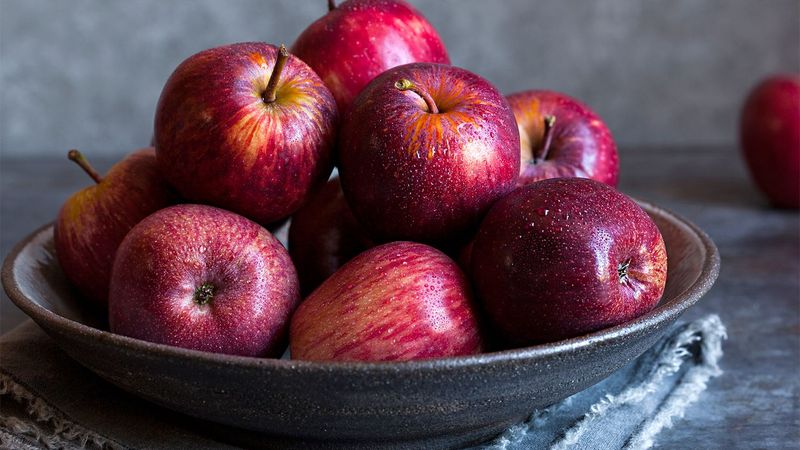
“An apple a day” isn’t just an old saying—it’s solid health advice! These crunchy fruits contain pectin, a soluble fiber that feeds beneficial gut bacteria and helps remove cholesterol from your body.
Most of an apple’s antioxidants hide in the peel, so washing well and eating unpeeled maximizes nutrition. Different colored apples offer different benefits: red ones contain anthocyanins for heart health, while green varieties have more vitamin C.
13. Mangoes
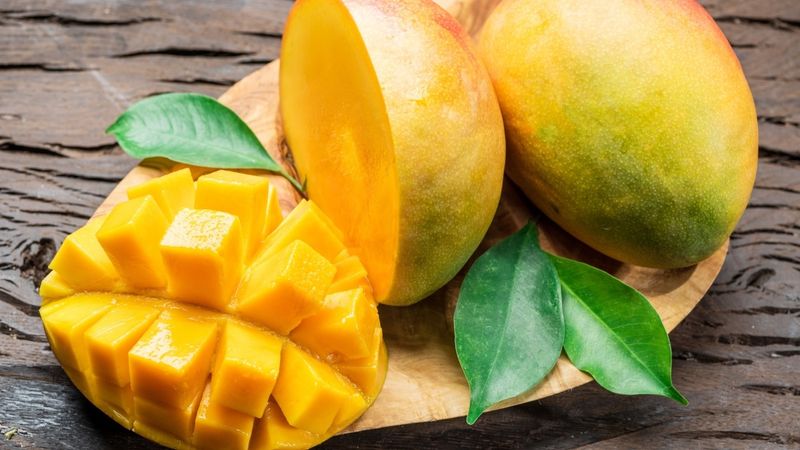
Called the “king of fruits” in many cultures, mangoes deliver an impressive 67% of your daily vitamin A needs in just one cup. This tropical delight supports healthy vision, skin repair, and immune function while tasting like pure sunshine.
Mangoes contain unique antioxidants called mangiferin that may help regulate blood sugar and reduce inflammation. The enzyme content in ripe mangoes also aids digestion, which is why they’re often served after meals in many Asian countries.
14. Dragon Fruit
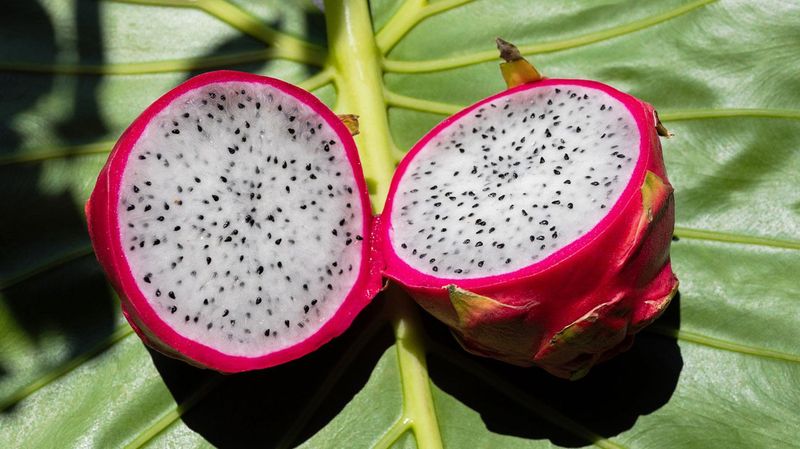
Looking like something from another planet, dragon fruit (pitaya) combines striking looks with gentle digestive benefits. Its tiny black seeds provide omega-3 fatty acids and protein, while the fiber content—about 7 grams per fruit—supports healthy digestion and prevents constipation.
The vibrant pink or white flesh contains prebiotic fiber that feeds beneficial gut bacteria. While relatively low in sugar compared to other tropical fruits, dragon fruit provides magnesium, iron, and vitamin C in a low-calorie package.
15. Cranberries
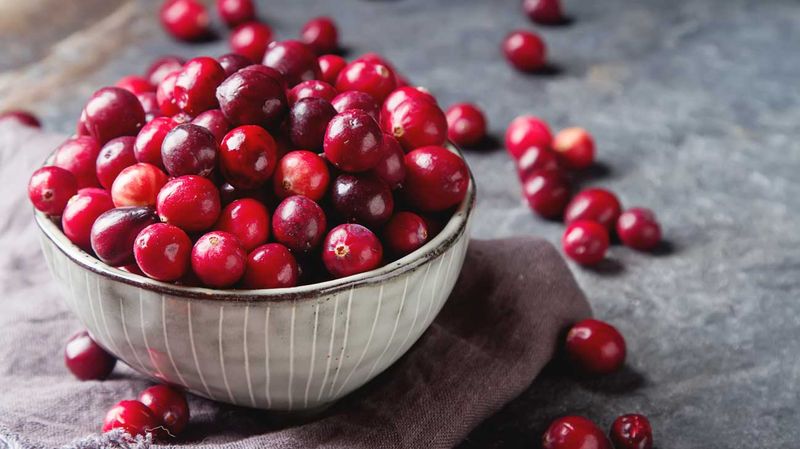
Pucker up! These ruby-red berries are famous for their tartness and their ability to prevent urinary tract infections. Cranberries contain unique A-type proanthocyanidins that stop bacteria from sticking to bladder walls—a benefit not found in most other fruits.
Fresh cranberries are incredibly low in sugar (just 4 grams per cup) while offering fiber and vitamin C. They also contain compounds that may help prevent certain types of dental plaque from forming, supporting oral health alongside bladder benefits.
16. Papaya
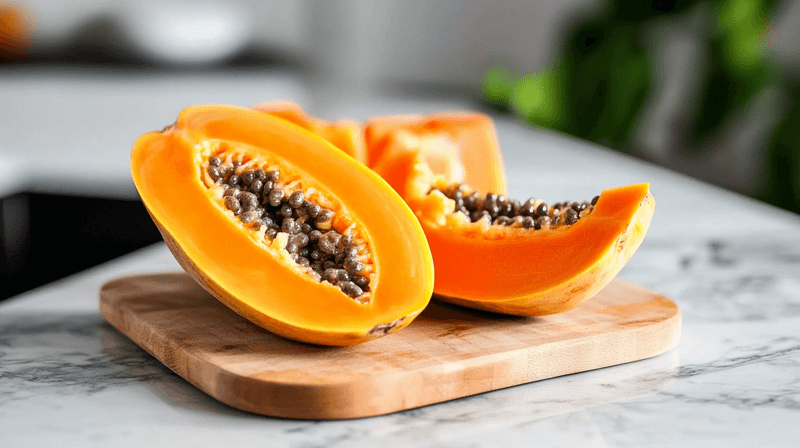
Cut open a papaya and you’ll find bright orange flesh surrounding black seeds that look like caviar. This tropical treasure contains papain, a digestive enzyme so effective it’s used in meat tenderizers and digestive supplements.
Papaya delivers more than double your daily vitamin C needs in one medium fruit, plus folate and potassium. The orange color comes from carotenoids that may reduce your risk of certain cancers and protect your eyes from age-related damage.
17. Grapes
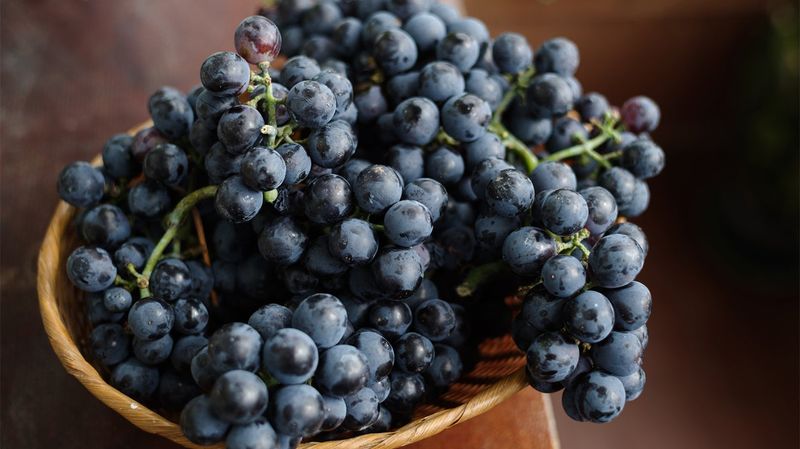
Pop a grape in your mouth and you’ll get more than just sweetness—you’ll get resveratrol, the same heart-healthy compound found in red wine. Purple and red grapes contain the highest amounts in their skins, supporting healthy blood vessels and potentially extending lifespan.
Freezing grapes transforms them into nature’s perfect mini-popsicles while concentrating their sweetness. The cold temperature changes their texture to sorbet-like consistency, making them a healthy dessert alternative.
18. Lemons
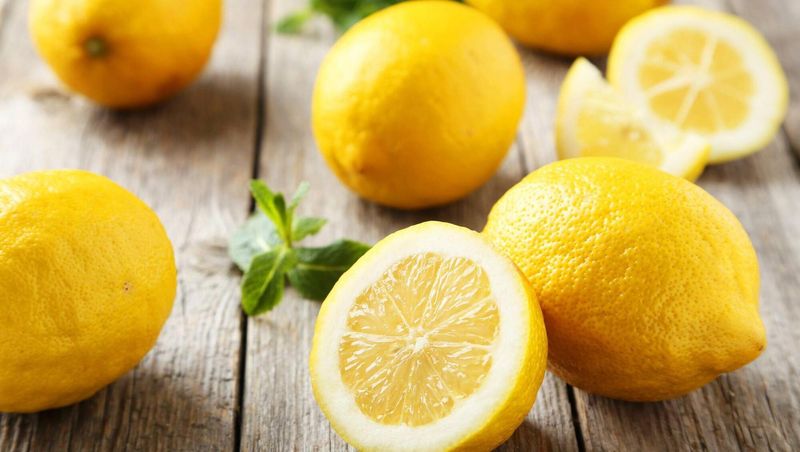
These bright yellow citrus fruits might make your face pucker, but your body celebrates their vitamin C content—one lemon provides about 51% of your daily needs. Their acidic juice becomes alkaline once metabolized, potentially helping balance your body’s pH.
Lemon peels contain even more nutrients than the juice, including compounds called limonoids that may help fight certain cancers. The white pith between peel and fruit contains hesperidin, which strengthens blood vessels and reduces inflammation.
19. Raspberries
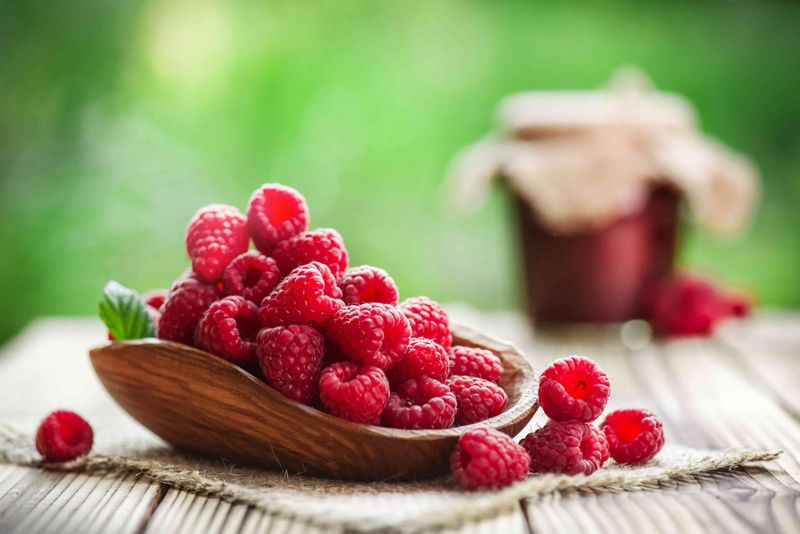
Velvety red raspberries pack an impressive 8 grams of fiber per cup—more than double what you’d find in strawberries! This fiber content, combined with their low sugar profile, makes them perfect for managing blood sugar levels.
Each raspberry is actually a cluster of tiny individual fruits called drupelets, each containing its own seed. These seeds contribute to raspberries’ high omega-3 fatty acid content, unusual for a fruit. The vibrant red color comes from anthocyanins that fight inflammation throughout the body.