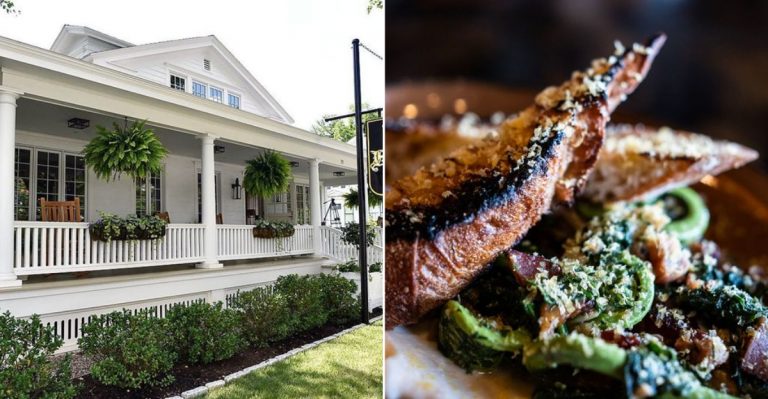
15 Hard-To-Pronounce Food Names You’ve Been Butchering At Restaurants
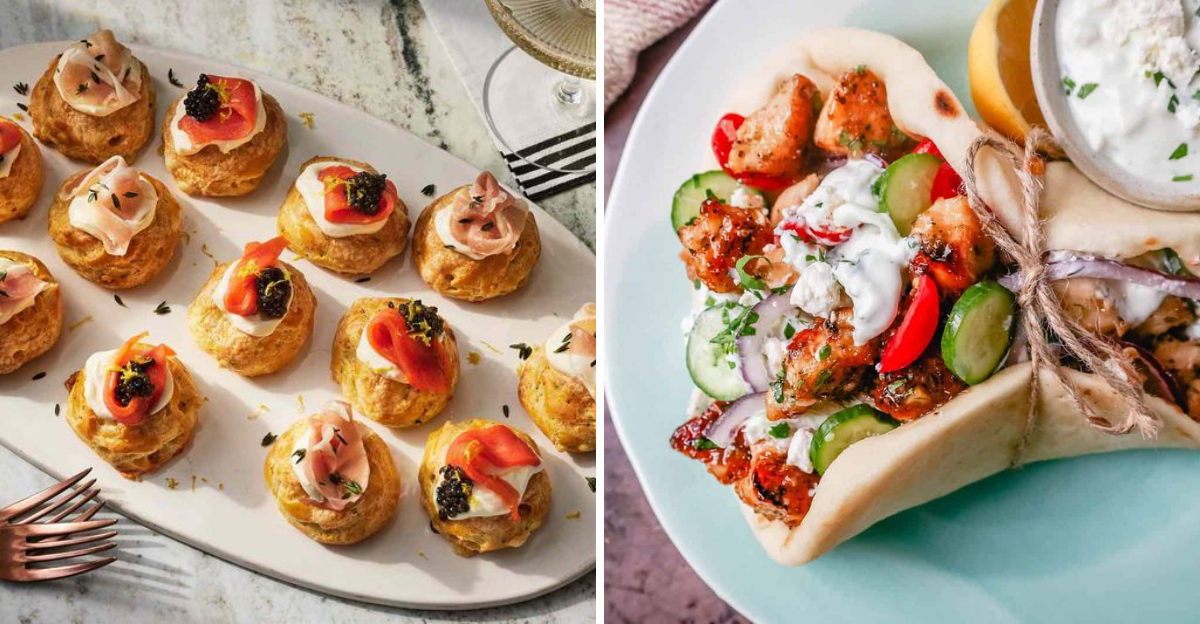
Ever stood in front of a menu, pointing sheepishly at a dish because you’re terrified of mangling its name? You’re not alone! Food names from around the world can twist our tongues into knots and leave us red-faced when ordering.
From French delicacies to Asian staples, these culinary tongue-twisters might taste amazing but saying them correctly is a whole different challenge.
1. Gnocchi
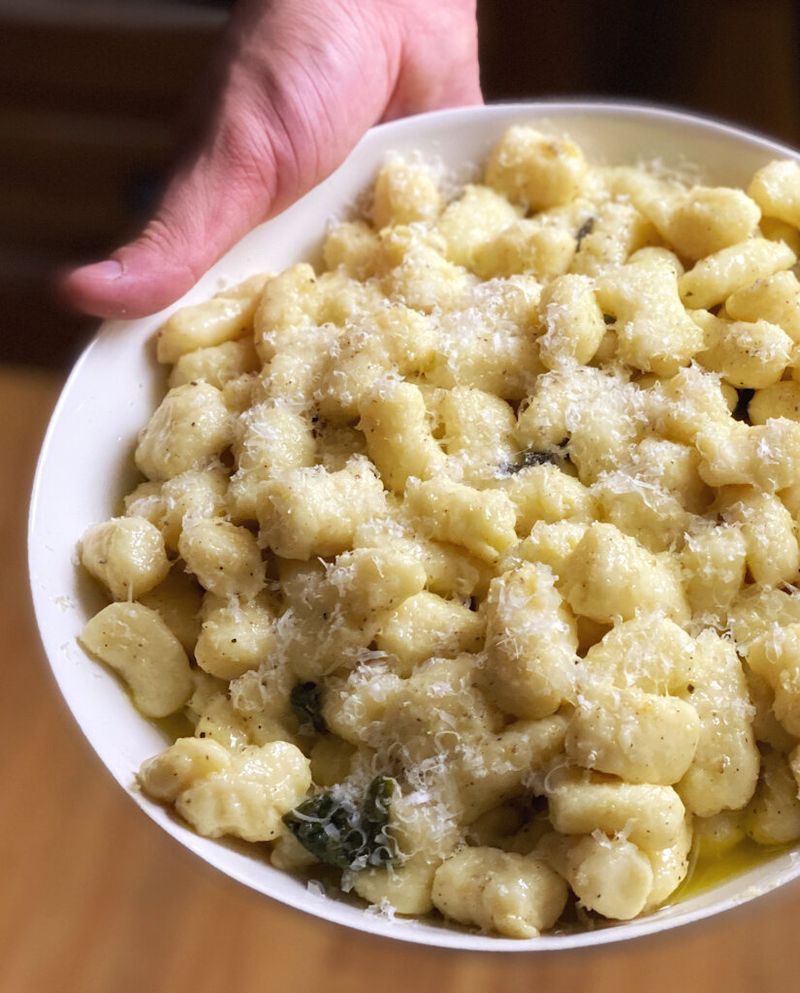
“Nyoh-kee” – not “guh-no-chee” or “no-chi” as many first-timers attempt! These pillowy Italian potato dumplings have caused more pronunciation panic than perhaps any other pasta relative.
Waiters across Italian restaurants worldwide have mastered the sympathetic smile when customers stumble over this deceptively simple word. The silent ‘g’ and that tricky double-c combo create the perfect storm of syllabic confusion.
2. Pho
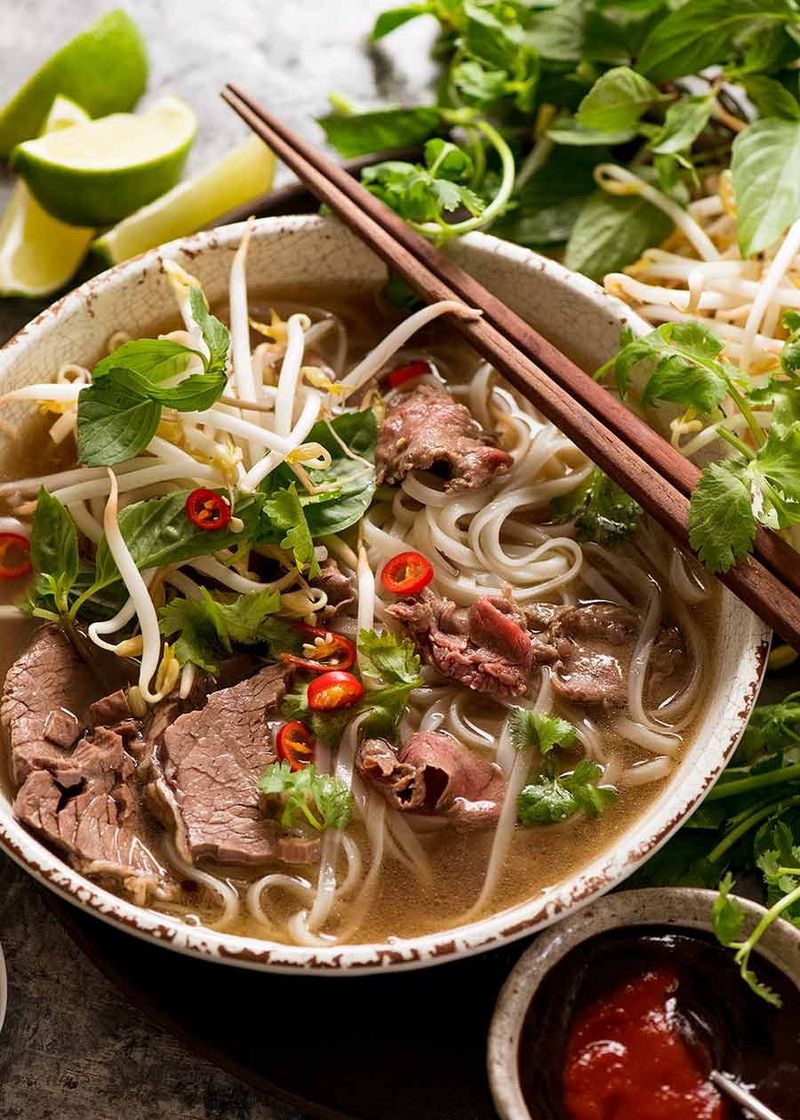
Say it with me: “fuh” (like “duh” with an f). Not “foe,” not “foo,” definitely not “poh-ho.” This Vietnamese soup sensation packs more pronunciation anxiety than actual spice for most Westerners.
Fragrant beef broth swimming with rice noodles, herbs, and thinly sliced meat has become a global comfort food phenomenon. Yet somehow its single-syllable name trips up even the most confident foodies.
3. Quinoa
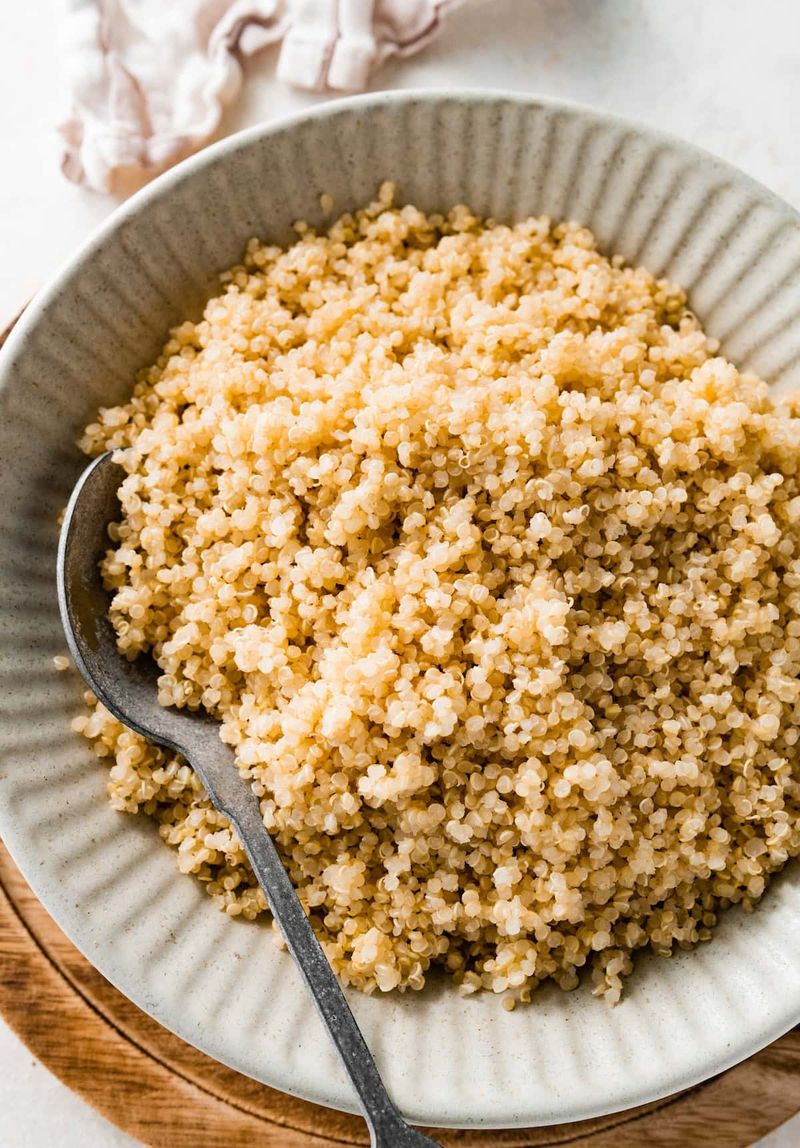
Supermarket shoppers everywhere have silently mouthed “kwin-oh-ah” while reaching for this trendy grain, only to later discover it’s actually “keen-wah.” The mismatch between spelling and pronunciation couldn’t be more misleading!
This ancient South American superfood has fueled the Andes region for thousands of years before becoming a modern health food darling. The tiny seeds pack a complete protein punch, making them popular with vegetarians and health enthusiasts worldwide.
4. Bouillabaisse
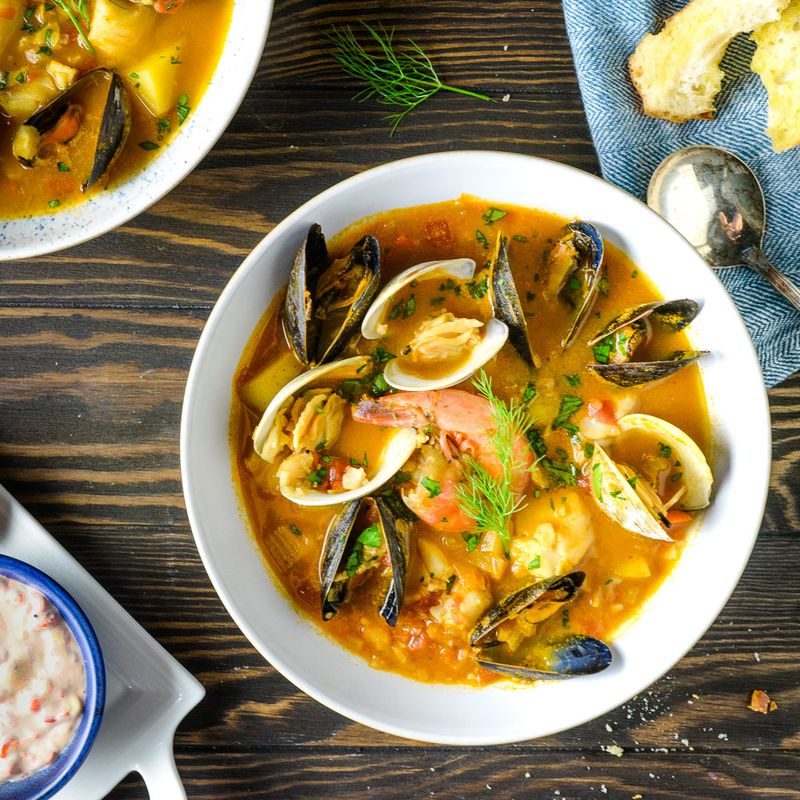
Fancy ordering this classic Provençal fish stew? First, you’ll need to master “boo-yuh-base” – a pronunciation challenge that’s sent countless diners into a cold sweat at French restaurants.
Fishermen in Marseille originally created this rustic dish using bony rockfish they couldn’t sell to restaurants. Today, it’s a celebrated seafood medley featuring whatever fresh catch is available, simmered with Mediterranean herbs, oranges, and saffron.
5. Worcestershire
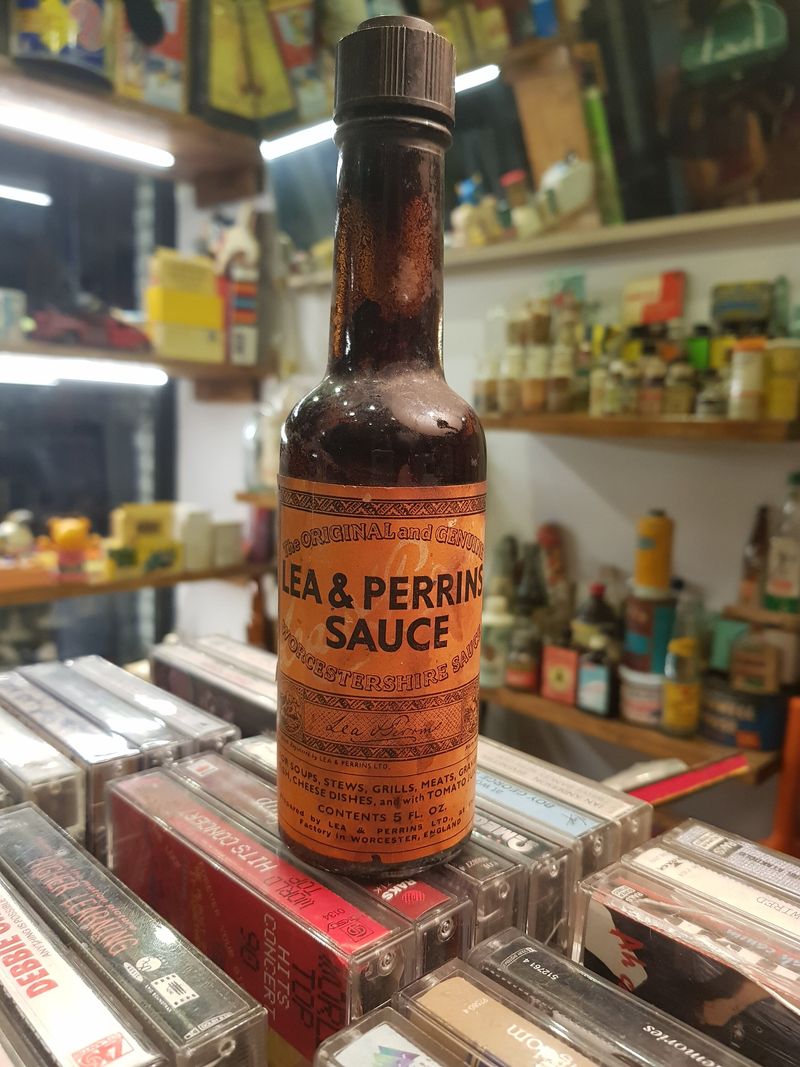
Hands down the most notorious condiment to pronounce in the English language! “Wuss-ter-sheer” is how the Brits say it, not the logical-but-wrong “war-chester-shy-er” that first-timers attempt.
This dark, umami-packed sauce contains a bizarre mix of anchovies, molasses, tamarind, onions, garlic and secret spices. Created accidentally by chemists John Lea and William Perrins in Worcester, England, it was initially considered a failure until it fermented in forgotten barrels.
6. Ratatouille
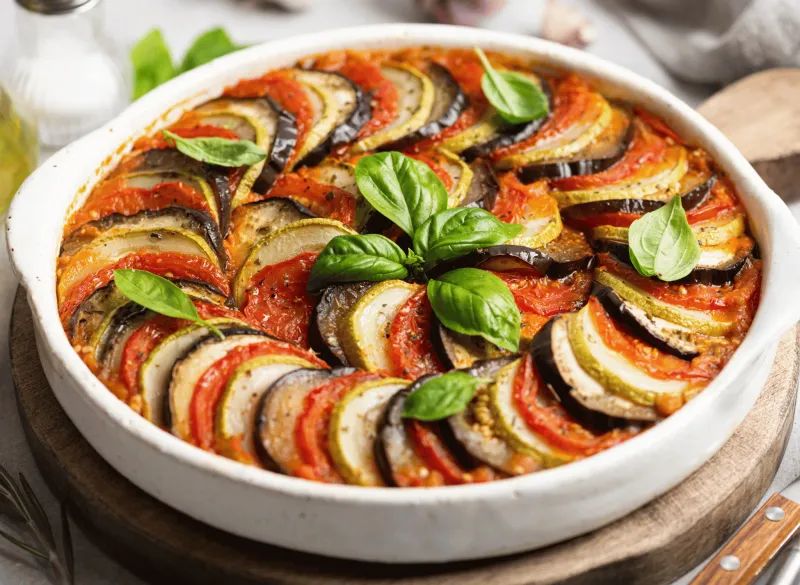
Thanks to a certain Pixar film, more people attempt this French classic’s name, but “rat-a-too-ee” still causes confusion. The correct pronunciation? “Ra-ta-twee” with emphasis on the final syllable.
Peasants in the Provence region created this colorful vegetable stew as a practical way to use summer’s abundant harvest. Eggplant, zucchini, bell peppers, tomatoes, and herbs simmer together until they create a harmonious medley of flavors.
7. Açai
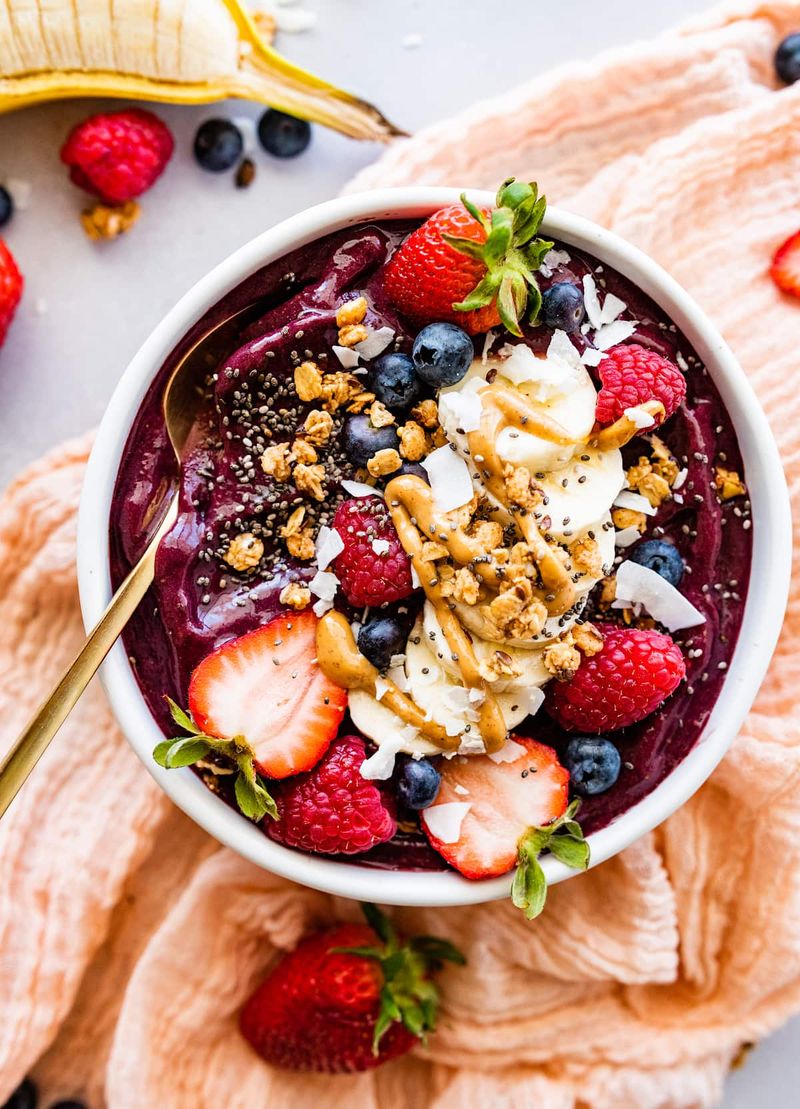
Smoothie bowl enthusiasts, listen up! That purple superfood you love is pronounced “ah-sah-EE,” not “uh-KAI” or “AK-ai” as commonly butchered in juice bars nationwide.
These deep purple berries grow on açaí palm trees throughout the Amazon rainforest. Brazilian surfers popularized açaí bowls, claiming the antioxidant-rich fruit gave them sustained energy for riding waves. The berries themselves taste like a curious mix of chocolate and wild berries with earthy undertones.
8. Gyro
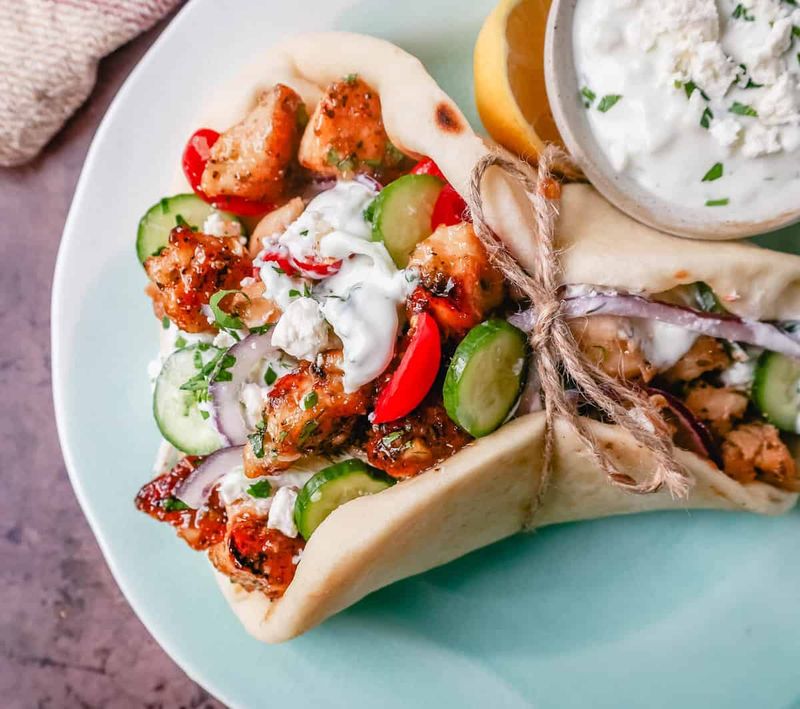
Forget “jye-row” or “gee-ro” – this Greek sandwich staple is properly pronounced “YEER-oh.” The name actually refers to the rotating vertical spit the meat cooks on, not the sandwich itself!
Seasoned meat (traditionally lamb, but often beef or chicken in America) is stacked in a cone shape and slowly roasted. As it cooks, thin slices are shaved off and tucked into warm pita with tomatoes, onions, and tzatziki sauce.
9. Charcuterie
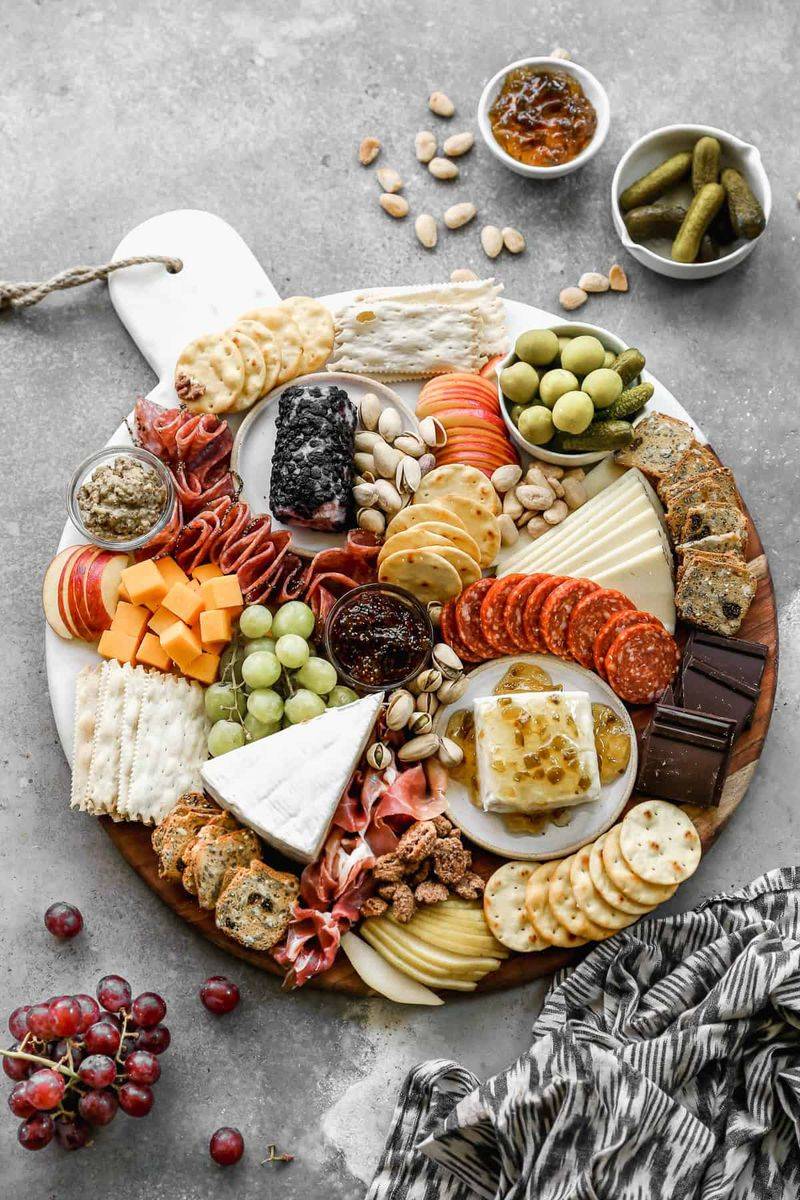
“Shar-koo-tuh-REE” – four tricky syllables that have caused countless party hosts to simply say “meat and cheese board” instead. This French word for cured meat products has become the trendiest appetizer presentation in recent years.
Dating back to 15th century France, charcuterie originally referred specifically to shops selling pork products. Modern boards feature an artful arrangement of cured meats, cheeses, fruits, nuts, and spreads – designed as much for Instagram as for eating.
10. Tzatziki
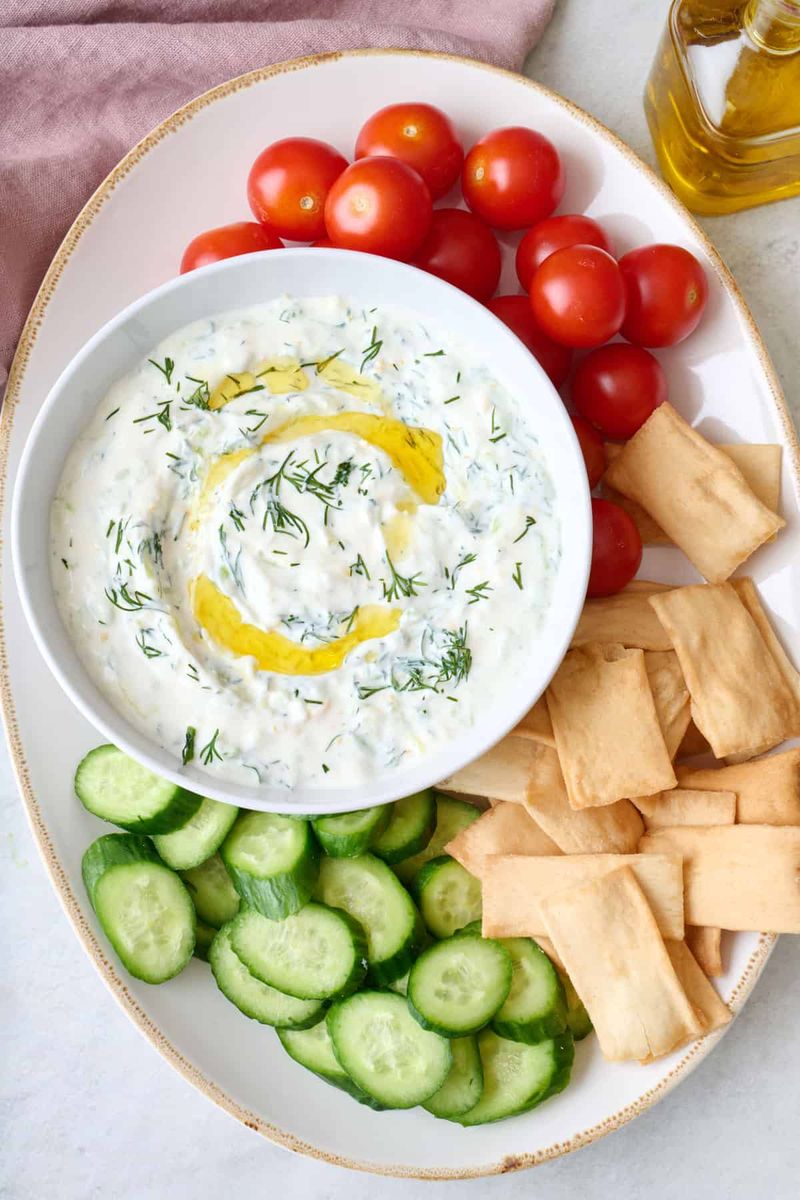
The double ‘tz’ beginning makes this Greek yogurt sauce a pronunciation minefield! Say “tsah-TZEE-kee” with confidence and you’ll impress your local gyro shop owner.
Creamy, garlicky, and refreshing, this yogurt-cucumber dip cools down spicy dishes and adds zing to grilled meats. Every Greek family claims their recipe is best, but the basics remain consistent: strained yogurt, cucumbers, garlic, olive oil, and herbs (usually dill or mint).
11. Bruschetta
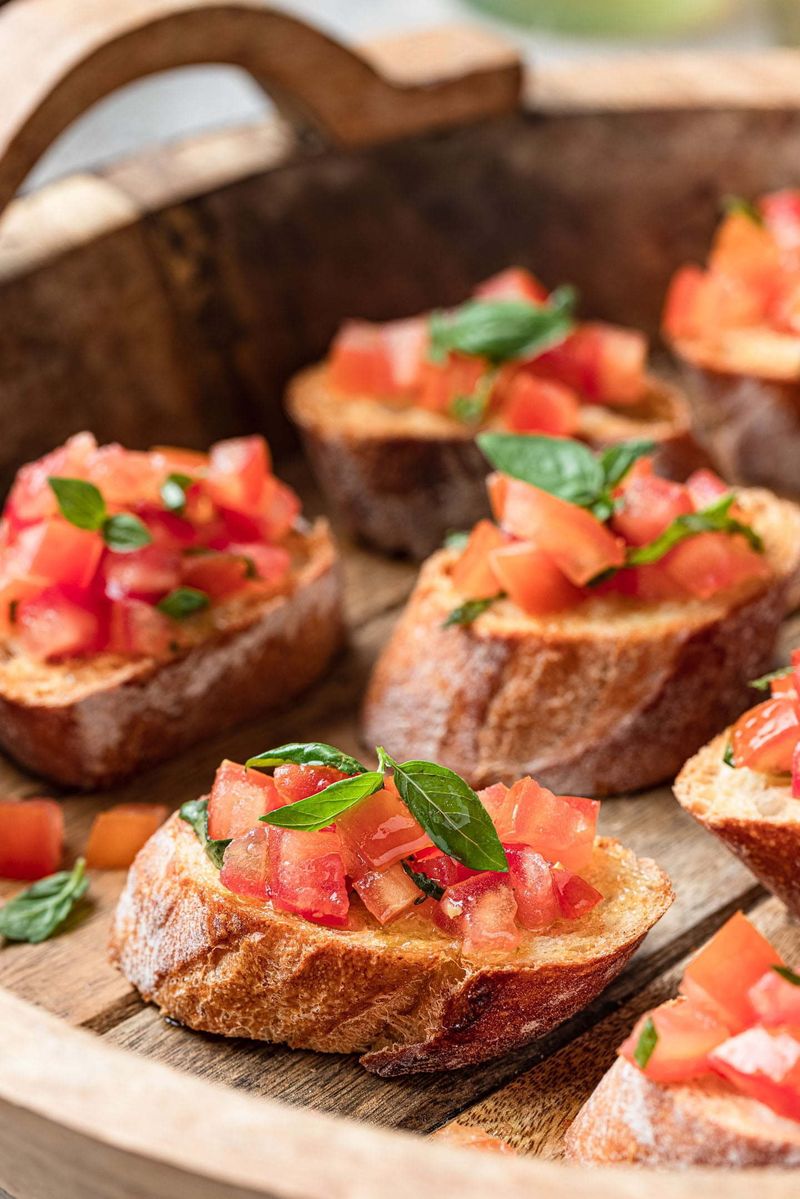
Hear that? It’s Italian chefs worldwide cringing when people say “broo-SHET-uh” instead of the correct “broo-SKET-tah.” That hard ‘ch’ sound trips up English speakers every time!
This antipasto started as a clever way for olive farmers to sample their freshly pressed oil. They’d grill slices of country bread, rub them with garlic, and drizzle the season’s new oil on top.
12. Coq Au Vin
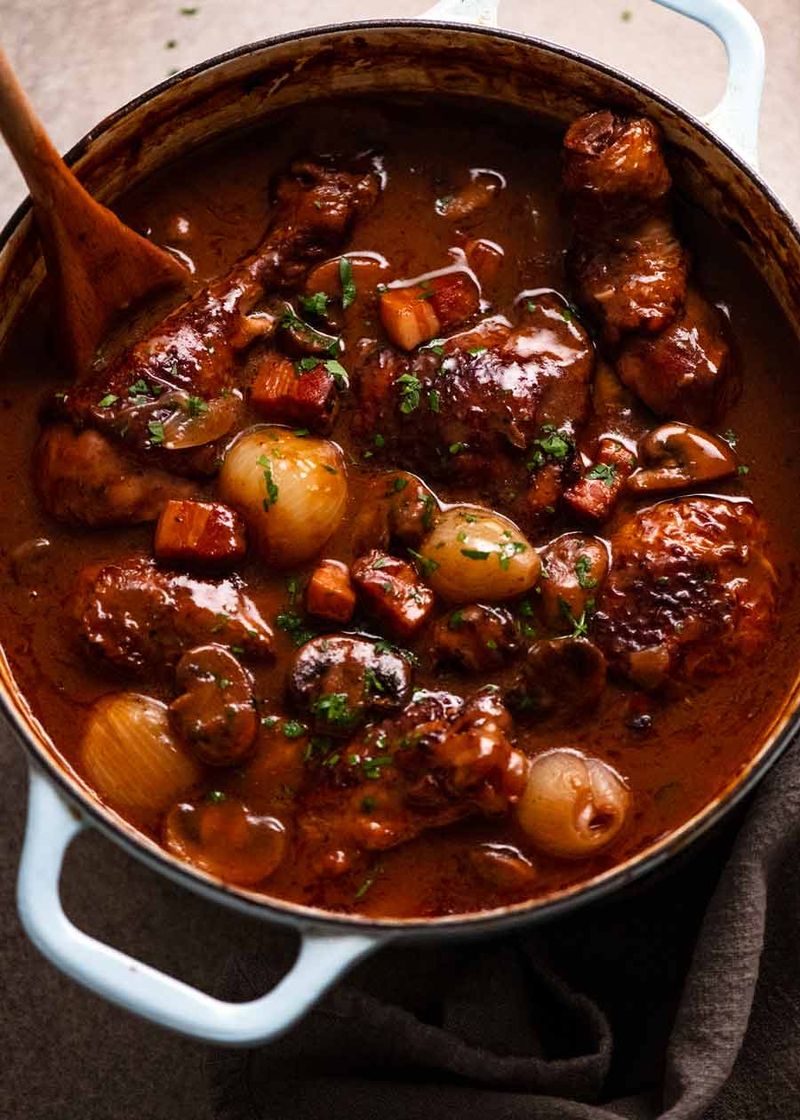
“Coke-oh-VAN” is your best bet for this French classic, not the commonly mangled “cawk-aw-vin.” Julia Child introduced many Americans to this rustic chicken dish, though few could pronounce it correctly.
Traditionally made with rooster (coq), this peasant dish transformed tough, gamey birds into tender delights through slow cooking in wine. Modern versions typically use chicken simmered with bacon, mushrooms, onions, and red wine until the meat nearly falls off the bone.
13. Beignet
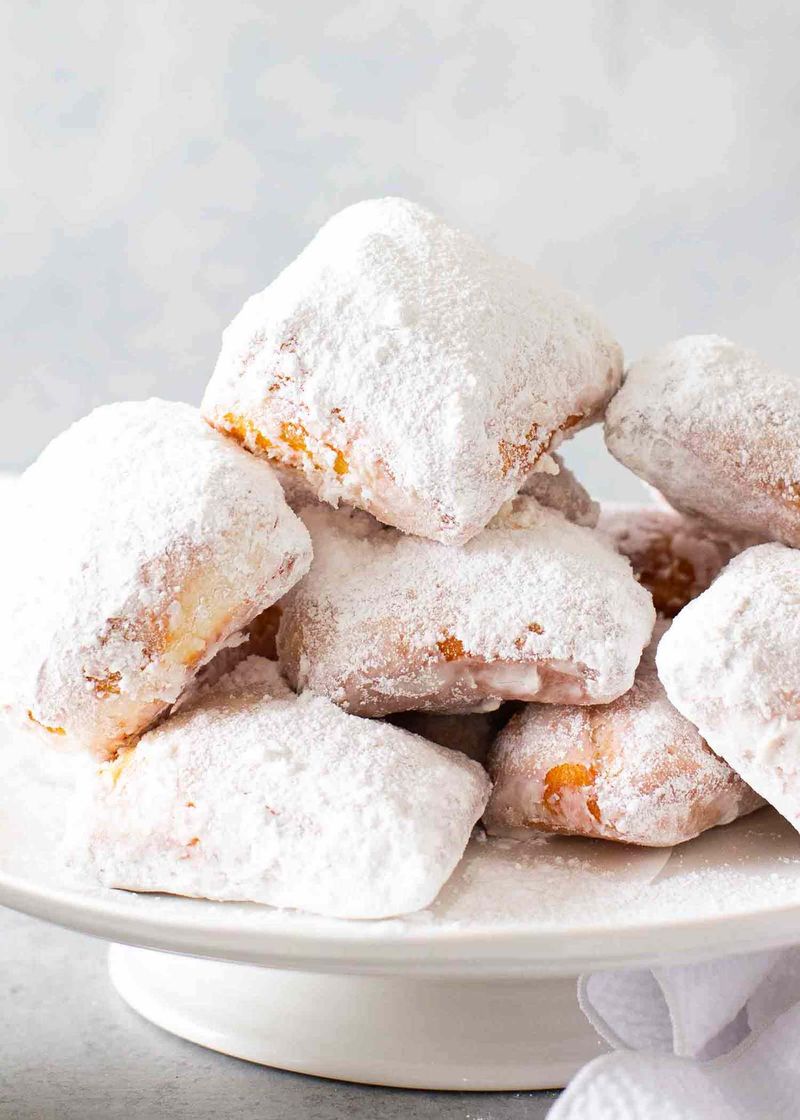
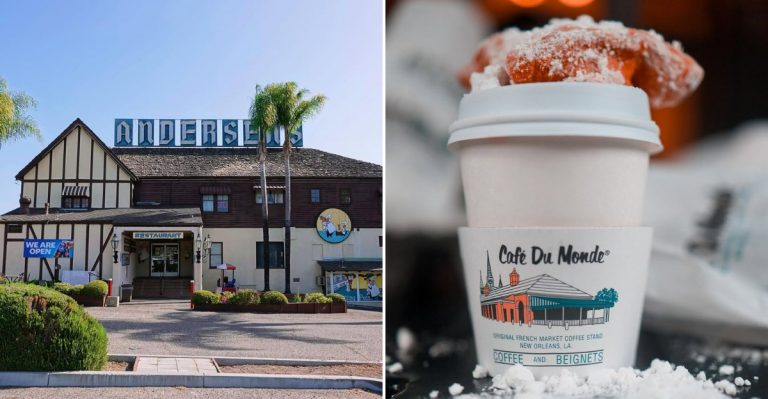
New Orleans’ famous square donuts require a French accent to order properly: “ben-YAY” (not “bay-get” or “bean-yet”). These powdered sugar-dusted pillows of fried dough are worth mastering a bit of French pronunciation.
Brought to Louisiana by French colonists in the 18th century, beignets evolved from the Roman fritillae – simple fried dough treats. Café du Monde in New Orleans’ French Quarter has served them 24/7 since 1862, creating mountains of powdered sugar both on the pastries and inevitably all over customers’ clothes.
14. Hors d’oeuvres
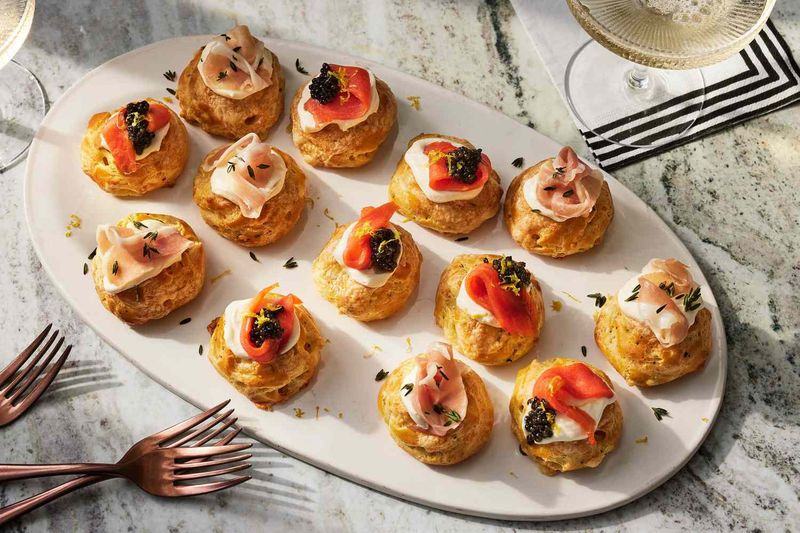
“OR-derves” is close enough for these fancy French appetizers, though purists might insist on “or-DURV.” Either way, it’s far better than the comical “whores-doo-voors” some first-timers attempt!
These bite-sized treats literally translate to “outside the work” – meaning they’re separate from the main meal. French haute cuisine elevated these pre-dinner nibbles to an art form, though nearly every culture has some version of small bites served before the main course.
15. Niçoise
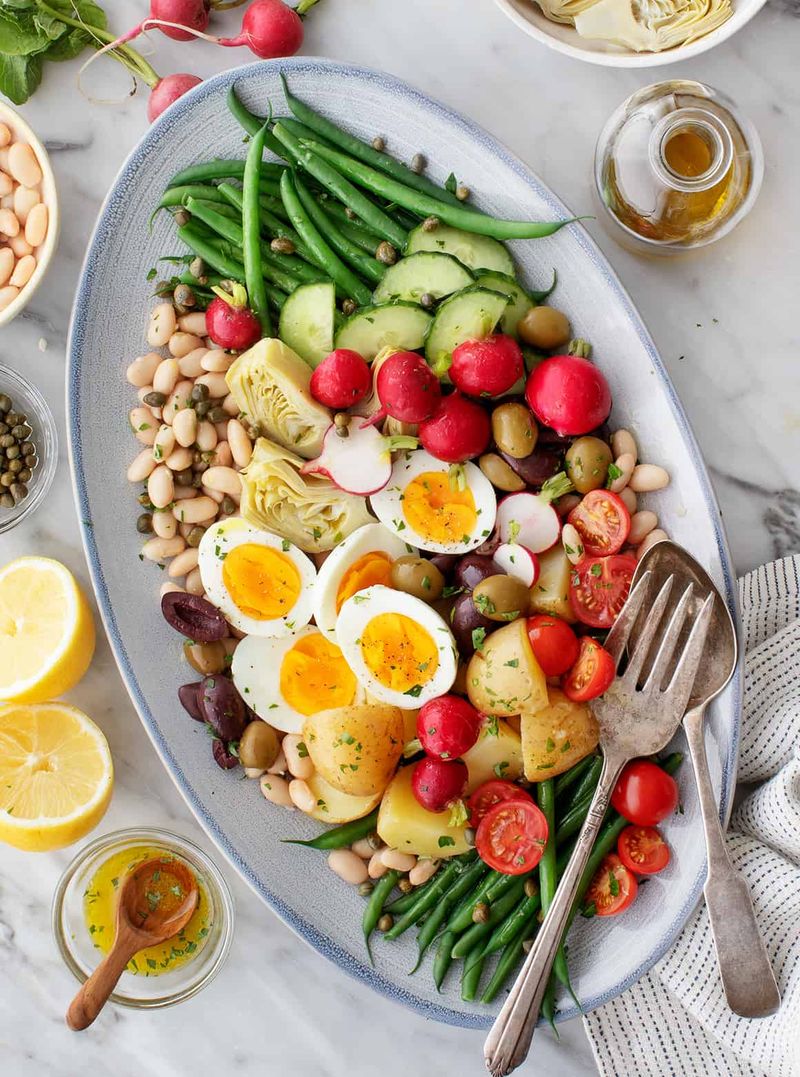
“Nee-SWAZ” is how the French say it, not “nee-koise” or “ni-coys” as often heard in American cafés. This Mediterranean salad takes its name from Nice, France, where it originated.
Traditional versions feature raw vegetables, hard-boiled eggs, olives, and anchovies – no lettuce or cooked vegetables allowed! Purists insist only olive oil should dress the salad, though modern adaptations often include vinaigrette and tuna instead of anchovies.