15 Common Grocery Store Staples Now Include Banned Ingredients
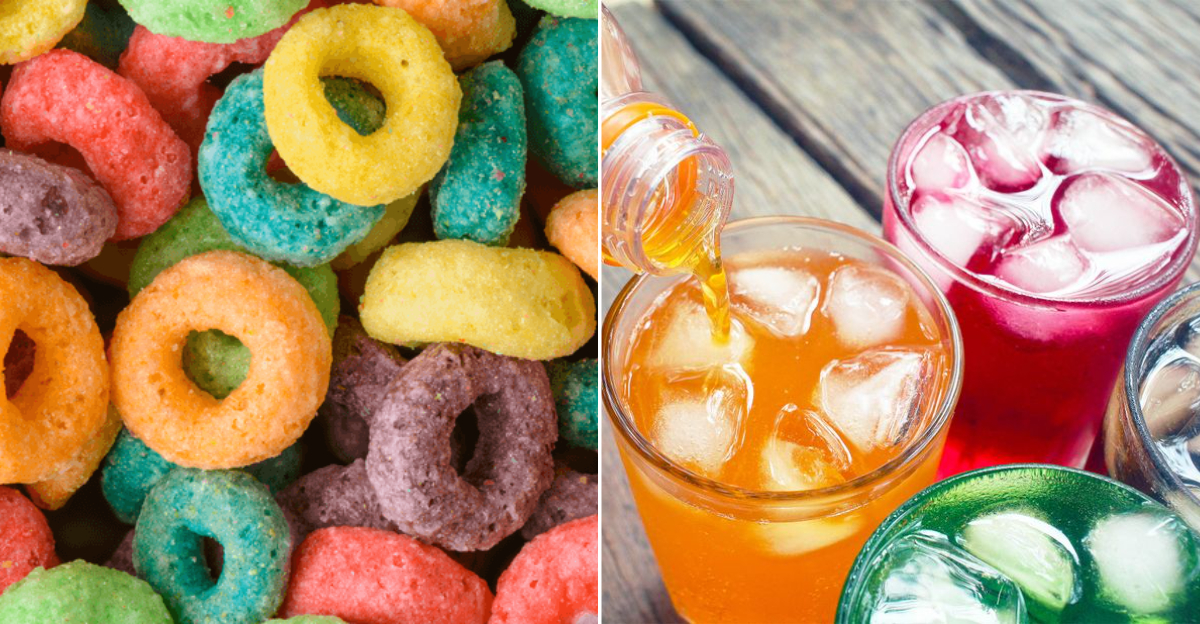
That rainbow-colored snack or neon soda might look fun—but the ingredients behind those colors are raising eyebrows around the world. While still allowed in the U.S., many food dyes, preservatives, and additives are banned or restricted in other countries due to health concerns.
From children’s cereals to sports drinks, these grocery store staples often contain controversial ingredients you won’t find on shelves in Europe or parts of Asia.
Here are 15 common foods you’ve probably seen—or bought—that now include ingredients facing global bans.
1. Colorful Snack Chips
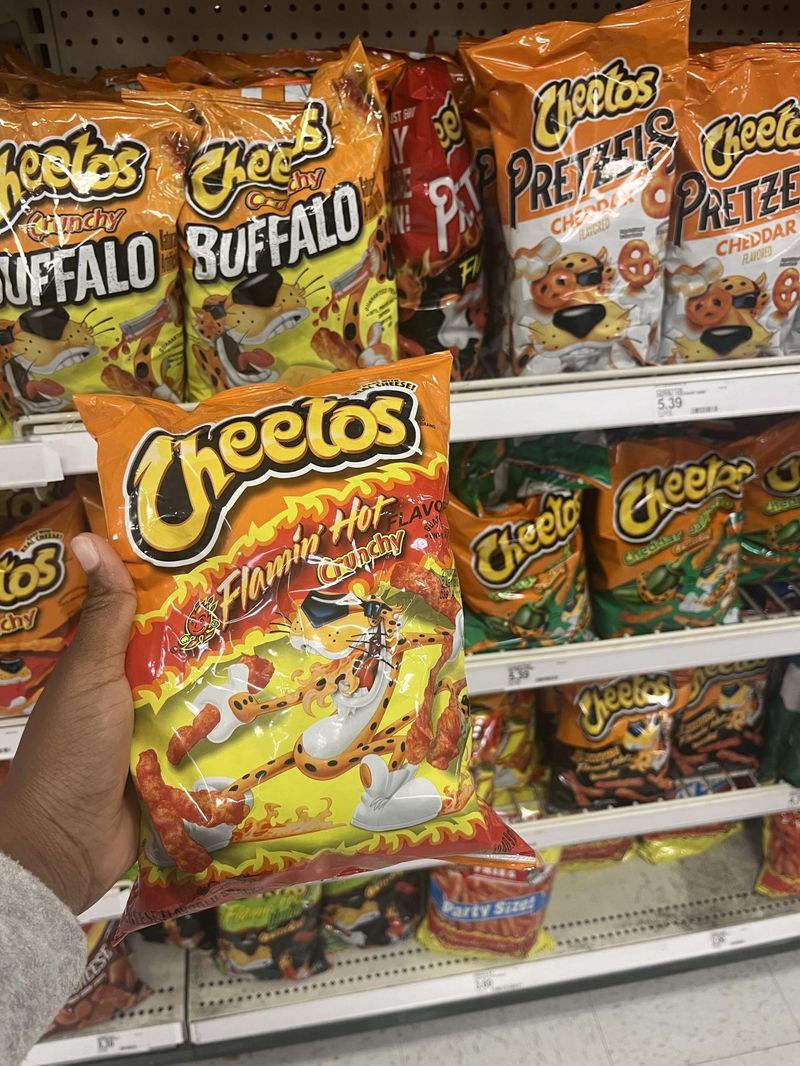
Brightly coated chips often get their vibrant hues from artificial dyes like Red 40, Yellow 5, and Yellow 6. These dyes aren’t just for looks—they’re chemically engineered to deliver bold, saturated color that sticks to every corner of your fingers.
Brands like Doritos and Cheetos rely on these dyes to create their signature fiery orange and red shades. While the flavors are iconic, these additives have been banned in Norway and Austria, and linked to hyperactivity in children by some studies.
2. Brightly Colored Cereals
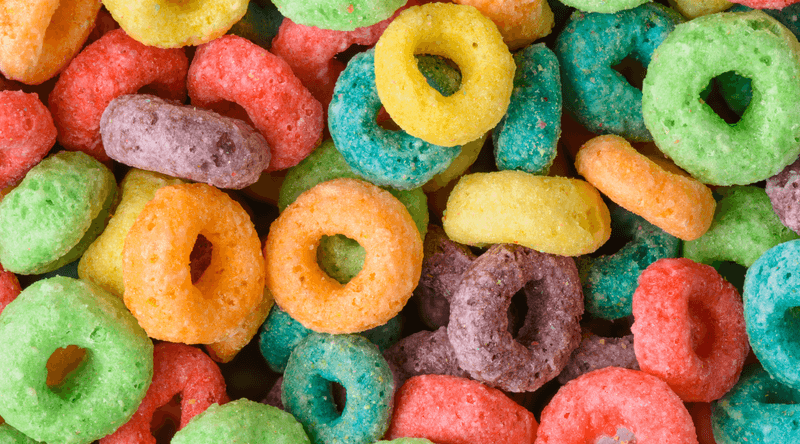
Cereals aimed at kids, especially those with marshmallows or multicolored rings, commonly use synthetic dyes to create their playful appearance. Red 40, Blue 1, Yellow 5, and Yellow 6 are often found on ingredient labels.
Lucky Charms, Trix, and Fruity Pebbles all contain artificial colors that have triggered bans or warning labels in the EU and UK. While the colors are part of the fun, many parents abroad have pushed back against their use.
3. Fruit-Flavored Sodas & Sports Drinks
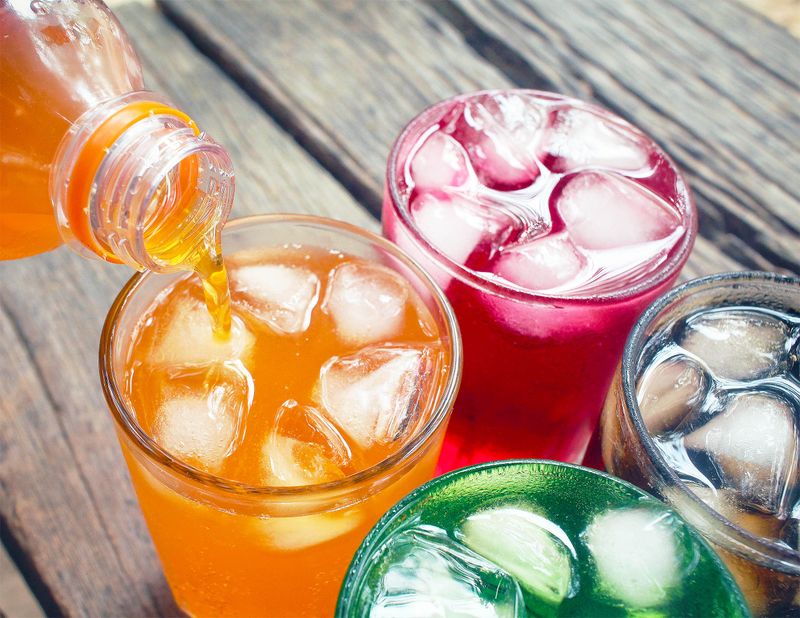
Citrusy and berry-toned drinks like Mountain Dew, Fanta, and some Gatorade flavors rely on food dyes for their electric glow. Yellow 5 and Red 40 are especially common, alongside ingredients like brominated vegetable oil (BVO), which has been banned in Japan and Europe.
Though BVO has been removed from many brands in recent years, some store-brand sodas and older formulations may still contain it. The dyes remain in heavy use, giving these drinks their unmistakable artificial punch.
4. Candy
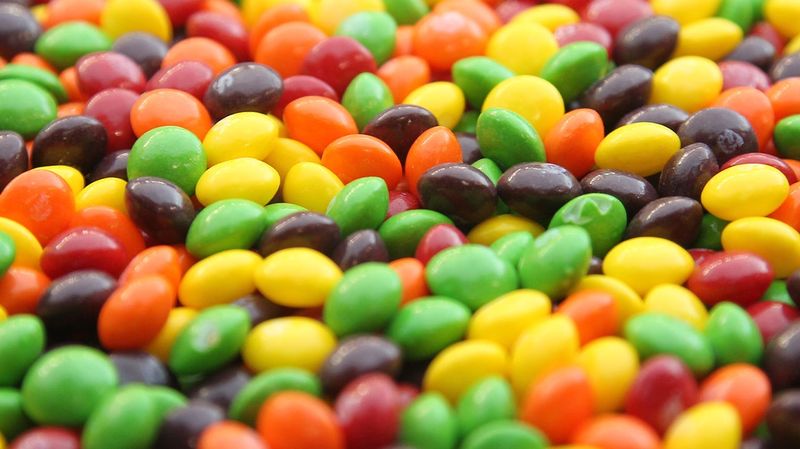
Whether it’s gummies, lollipops, or candy-coated chocolate, artificial dyes are what give these treats their vibrant, rainbow-like colors. Red 40, Yellow 6, and Blue 1 are the usual suspects.
Skittles, M&Ms, and Starburst all contain multiple synthetic colors that are banned or restricted in parts of Europe. In the EU, these dyes require warning labels due to concerns about their effect on children’s behavior.
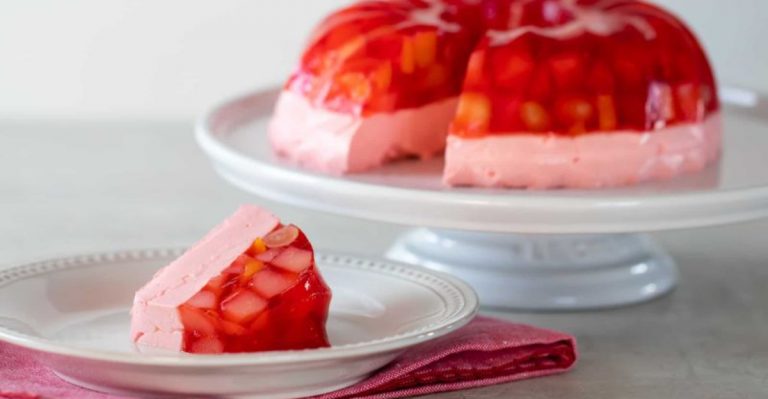
5. Gelatins & Instant Puddings
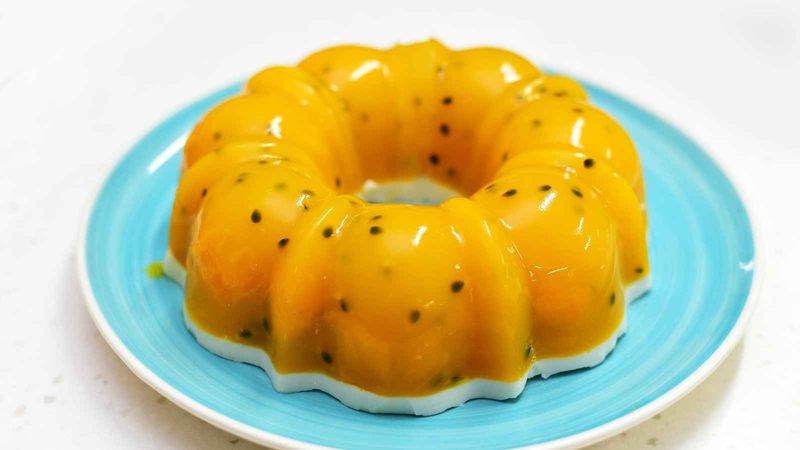
Brightly colored gelatins and puddings often include Red 40, Yellow 5, and Blue 1 to achieve cherry red, lemon yellow, or vibrant raspberry hues.
Products like Jell-O and store-brand equivalents may appear innocent and fun, but the dyes they contain are on international watchlists. Some countries require products with these ingredients to carry cautionary statements.
6. Funfetti Cake Mixes & Frostings
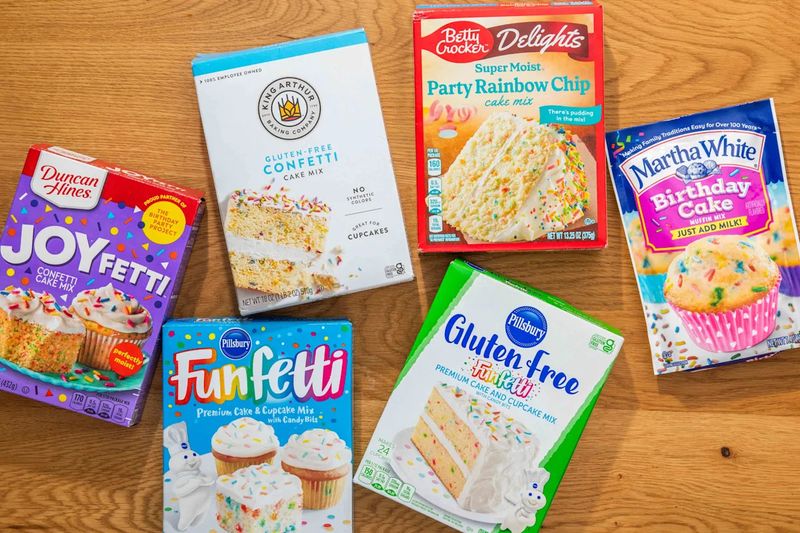
The colorful flecks in Funfetti-style cake mixes and the bright pink or blue frosting tubs are packed with artificial colors like Blue 1, Blue 2, and Yellow 5.
Betty Crocker and Pillsbury frostings often include these dyes to maintain their shelf-stable vibrancy. In contrast, similar products in the EU use natural coloring agents like beet or turmeric instead.
7. Packaged Pickle Relish & Bottled Dressings
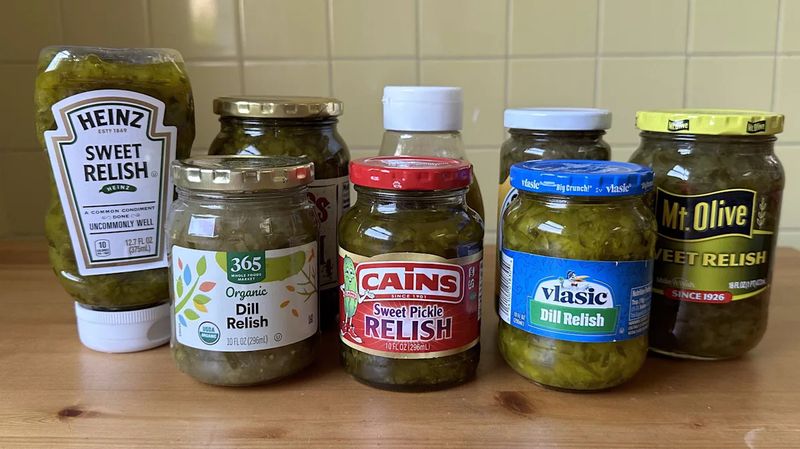
The bright green hue in many commercial pickle relishes doesn’t come from cucumbers alone—it’s often enhanced with Yellow 5 or Blue 1.
Some honey mustard, ranch, or Thousand Island dressings also contain synthetic dyes to create uniform colors. These same dyes are banned in Norway and linked to allergic reactions in sensitive individuals.
8. Instant Noodles
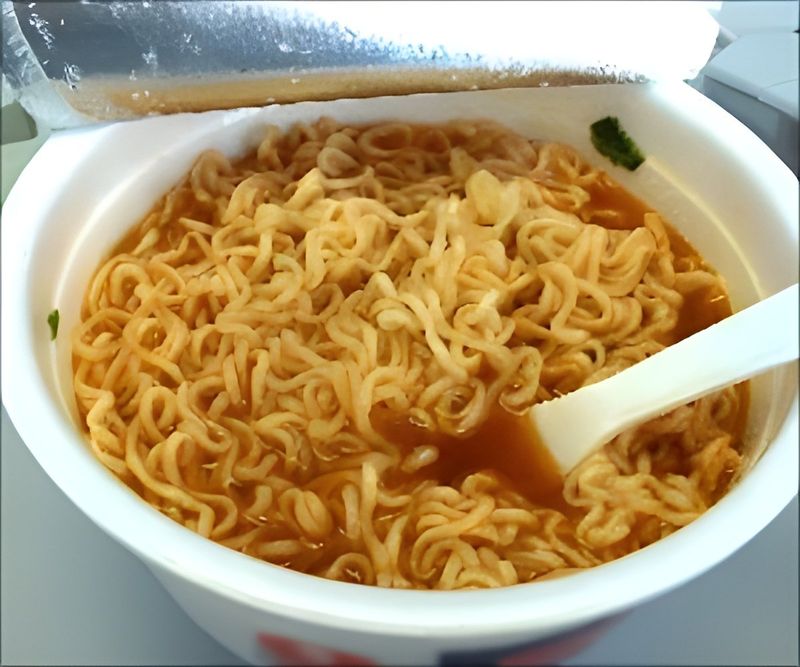
Some ramen noodle products and their flavor packets include Yellow 5 or Yellow 6 to give the broth a golden tint. It’s more about visual appeal than flavor.
Popular brands like Maruchan or Top Ramen sometimes use these dyes in seasoning blends. In the EU, food dyes must meet stricter safety testing or be replaced entirely.
9. Hot Dog Casings
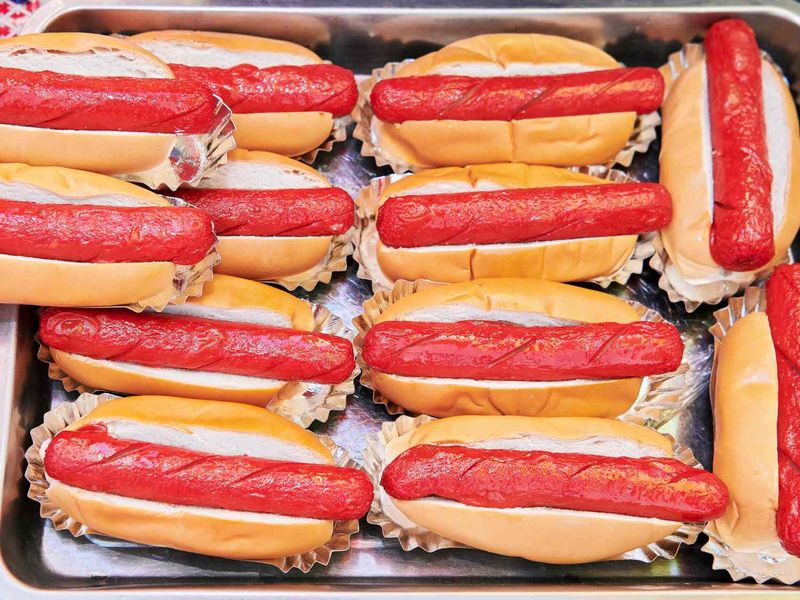
Bright red or orange-tinted hot dogs often owe their color to synthetic dyes like Orange B, a colorant no longer approved for use in the EU and even restricted in the U.S. to sausage casings only.
While the meat inside might be dye-free, the outer casing often isn’t. The FDA still permits Orange B in limited applications, but other countries have eliminated it entirely.
10. Toaster Pastries & Frozen Treats
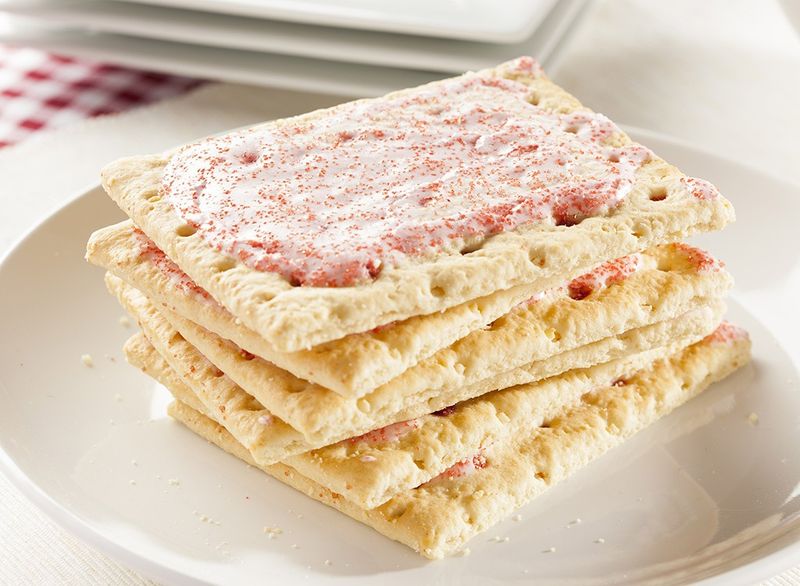
Pop-Tarts and brightly hued frozen desserts frequently include BHA (butylated hydroxyanisole) or BHT (butylated hydroxytoluene), preservatives used to maintain texture and shelf life.
These compounds have been banned in the EU due to potential carcinogenic risks found in animal studies. Yet in the U.S., they remain legal and widely used in processed snacks.
11. Store-Brand Colored Snack Foods
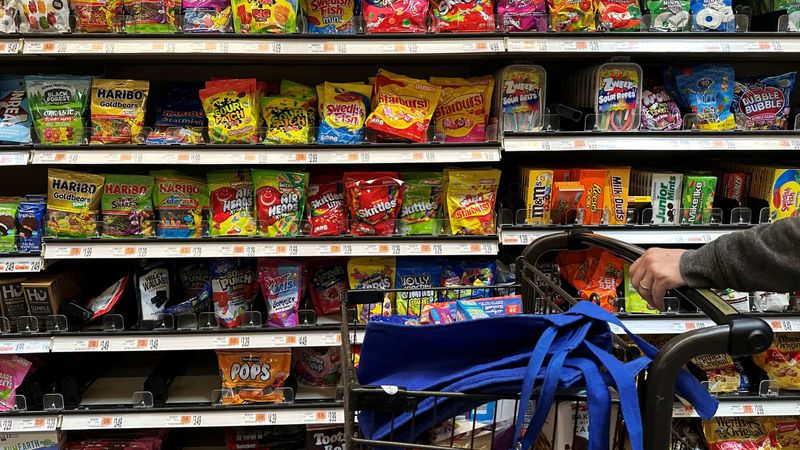
Budget versions of cheese puffs, fruit snacks, or rainbow cereals often mimic name brands by using the same synthetic colors—sometimes even more.
Private-label products at major chains may include Red 40, Yellow 6, and Blue 1 without the cleaner-label reformulations of bigger brands.
12. Flavored Yogurts (Especially Vivid Varieties)
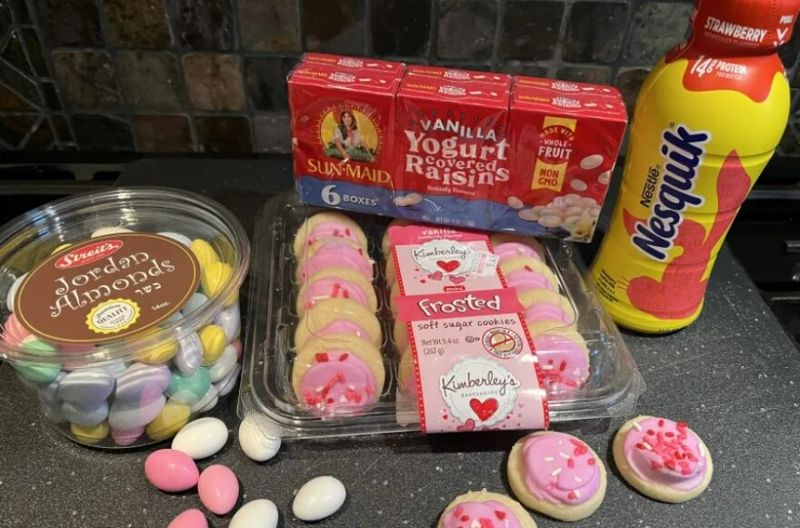
Berry or tropical-flavored yogurts marketed to kids often contain Red 40 or Blue 1 to achieve their bright pink or purple tones.
While many adult yogurts now use fruit purees or natural colorants, children’s yogurts still rely heavily on synthetic dyes that are banned or restricted elsewhere.
13. Sweetened Breakfast Bars With Frosting
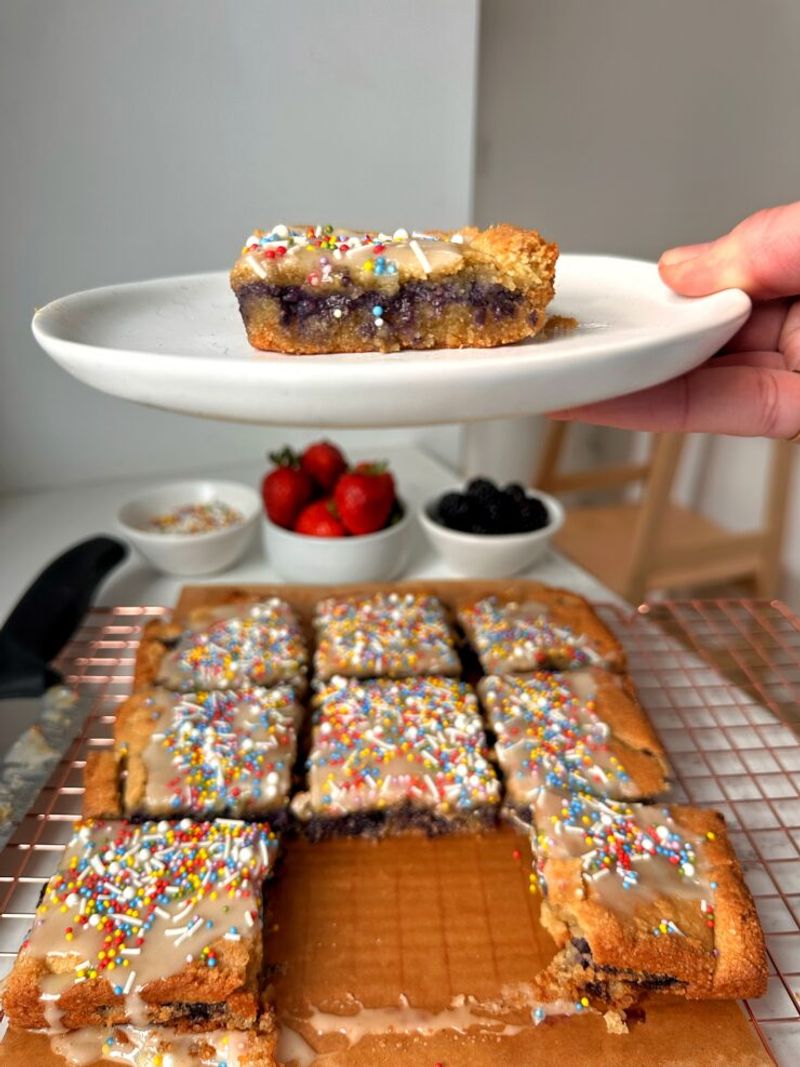
Bars with colorful icing stripes or sprinkles—like some Nutri-Grain or store-brand cereal bars—include multiple artificial dyes in their decorative layers.
These dyes add visual interest but have been phased out in countries where consumer demand has shifted toward natural alternatives.
14. Frosted Donuts
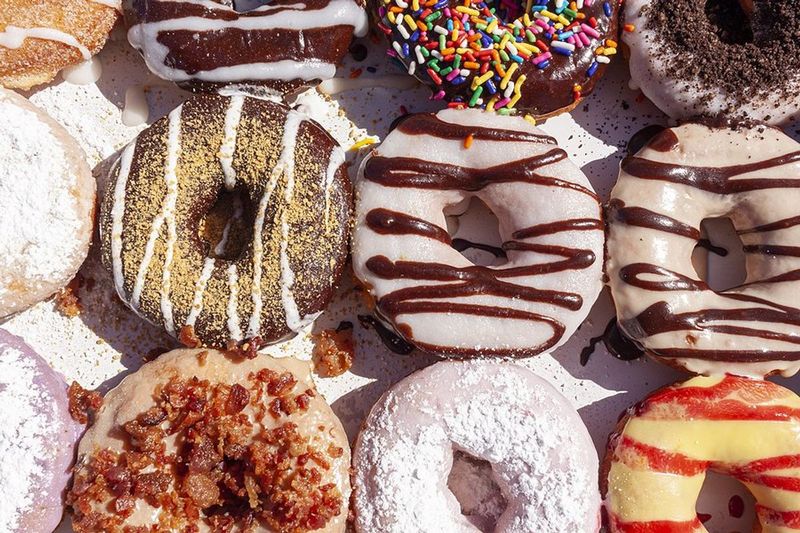
Glazed and frosted donuts with bright toppings often contain synthetic colors, especially in novelty flavors or holiday-themed assortments.
Some bakery-style items in grocery store cases use dyes like Red 40 and Blue 1, even when the frosting is labeled “vanilla” or “cherry.”
15. Berry-Flavored Gel Drinks
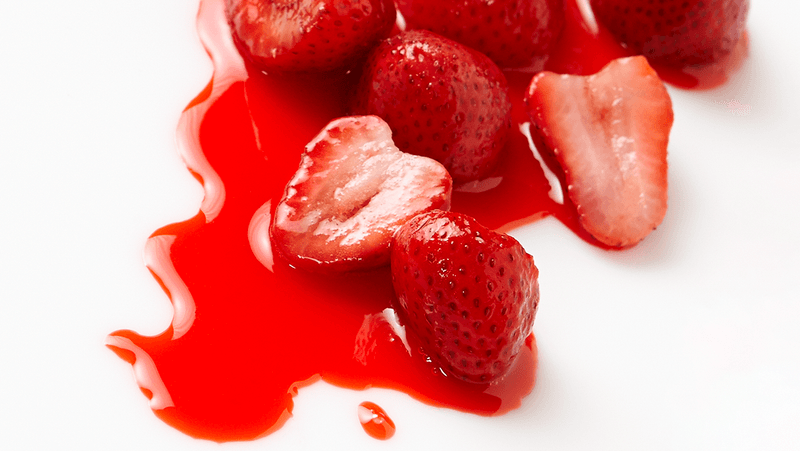
Squeezable fruit gels, often sold in pouches or tubes, rely on Red 40 and Blue 1 to create their bold berry hues.
Though marketed as fruity snacks, they’re often closer to candy in ingredient profile—and they rarely contain real fruit. In other countries, similar products must list additives more transparently or remove them altogether.