11 Fruits You Should Be Eating And 11 You Shouldn’t
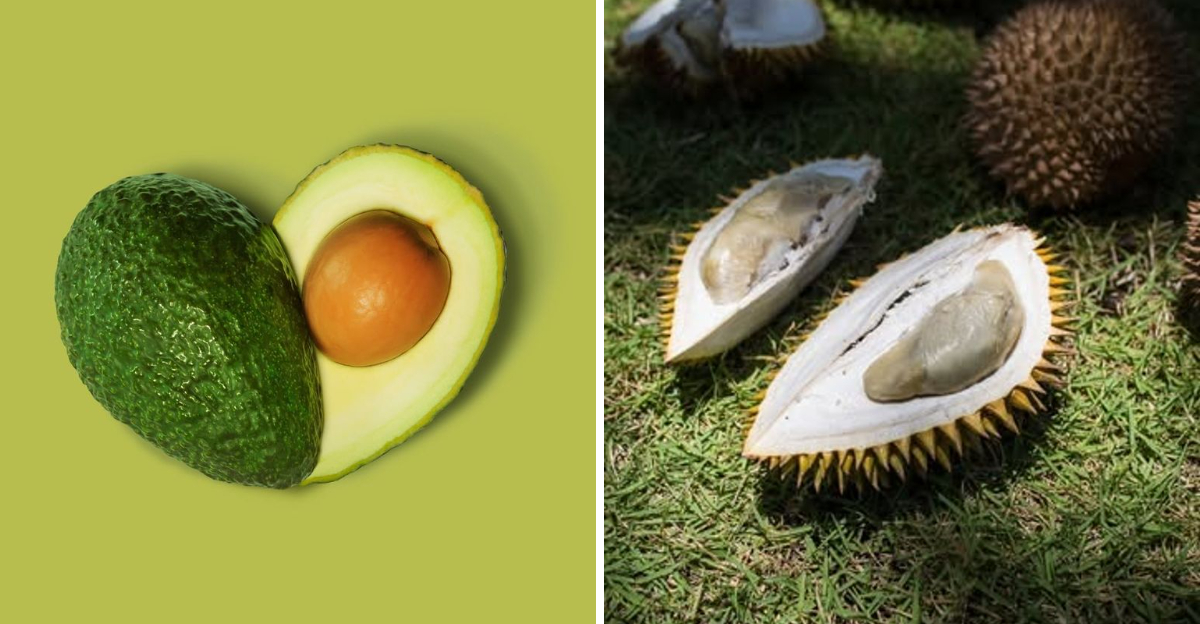
There’s a whole world of fruits out there just waiting to be tasted. Some are juicy gems that your taste buds will thank you for, while others might be better left on the shelf.
Whether you’re browsing the local market or exploring exotic stalls on your travels, knowing which fruits to embrace and which to avoid can make all the difference.
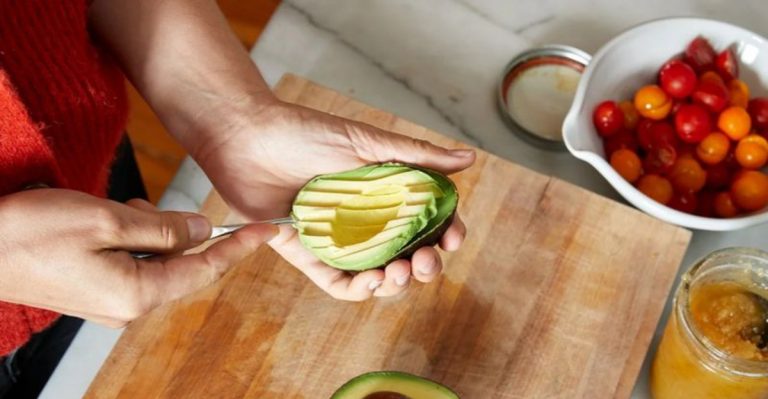
1. Avocado
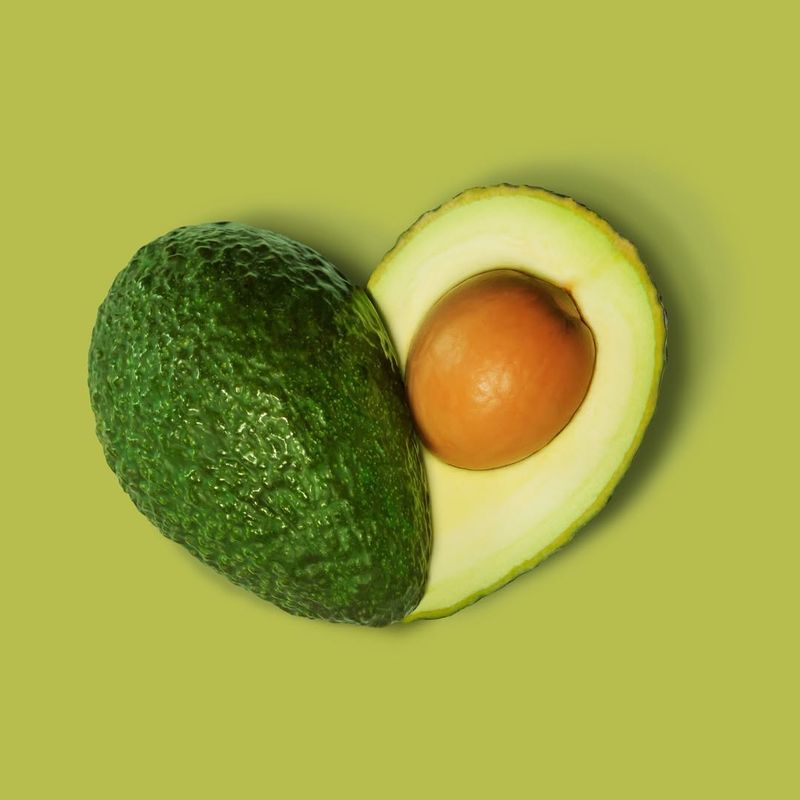
You’re missing out if you haven’t tried the creamy goodness of an avocado! This luscious fruit is more than just a trendy toast topping. I remember the first time I spread it over warm sourdough, paired with a sprinkle of salt. Heavenly!
Avocados are rich in healthy fats and nutrients that are great for your skin. They’re perfect in salads, sandwiches, or eaten straight with a spoon. This versatile fruit is a staple in my kitchen, and once you taste it, it’ll be in yours too.
2. Durian
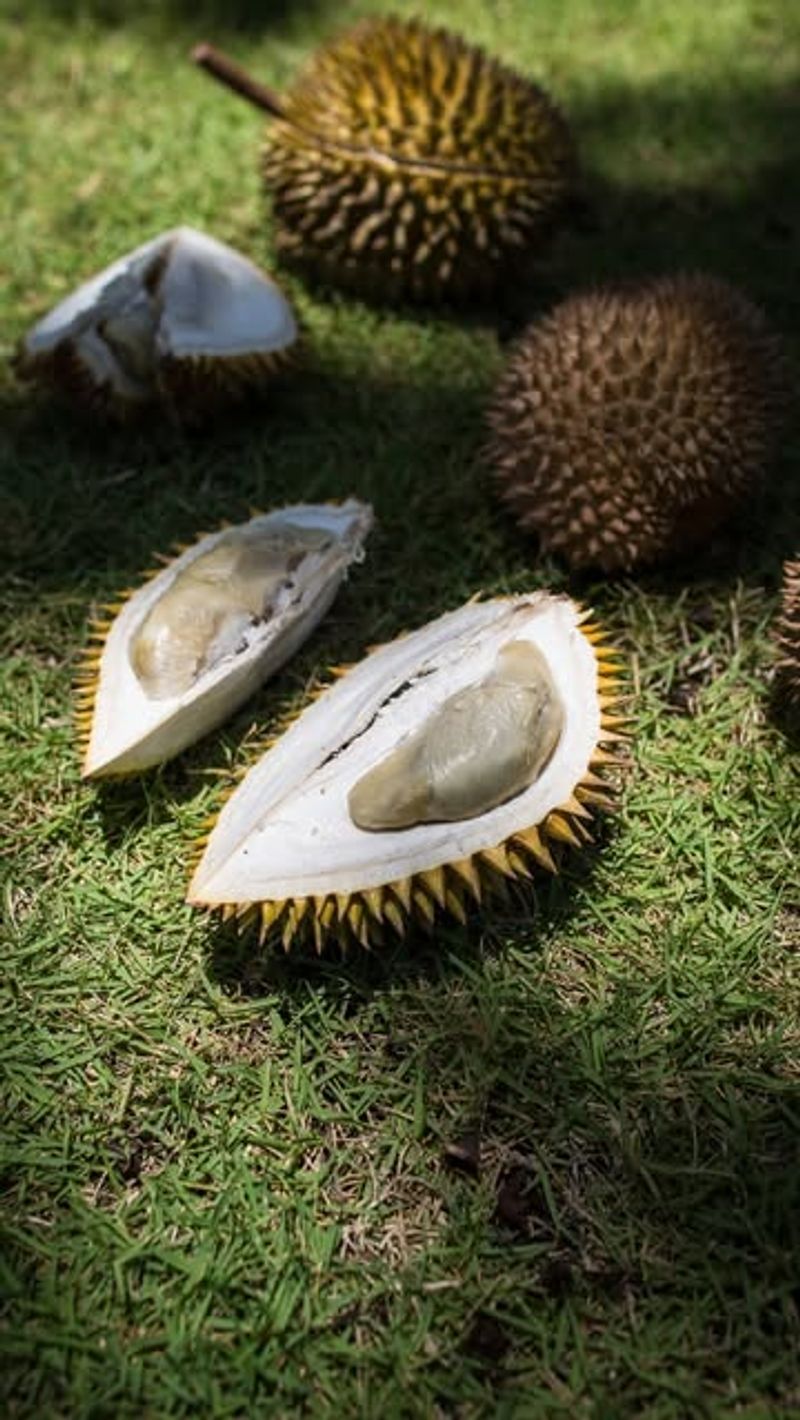
Ah, durian, the infamous “king of fruits.” Its odor might make you hesitate, but the flavor is unforgettable. I once dared a friend to taste it in a bustling Bangkok market. Her face was a mix of horror and delight! This spiky wonder is creamy and custard-like, with a unique taste.
Some adore it, while others, not so much. Be careful, though; it’s banned in many hotels due to its smell. If you’re brave enough, try it at least once. It’s an adventure in itself! Who knows, you might fall in love with this controversial delight. Or not!
3. Horned Melon
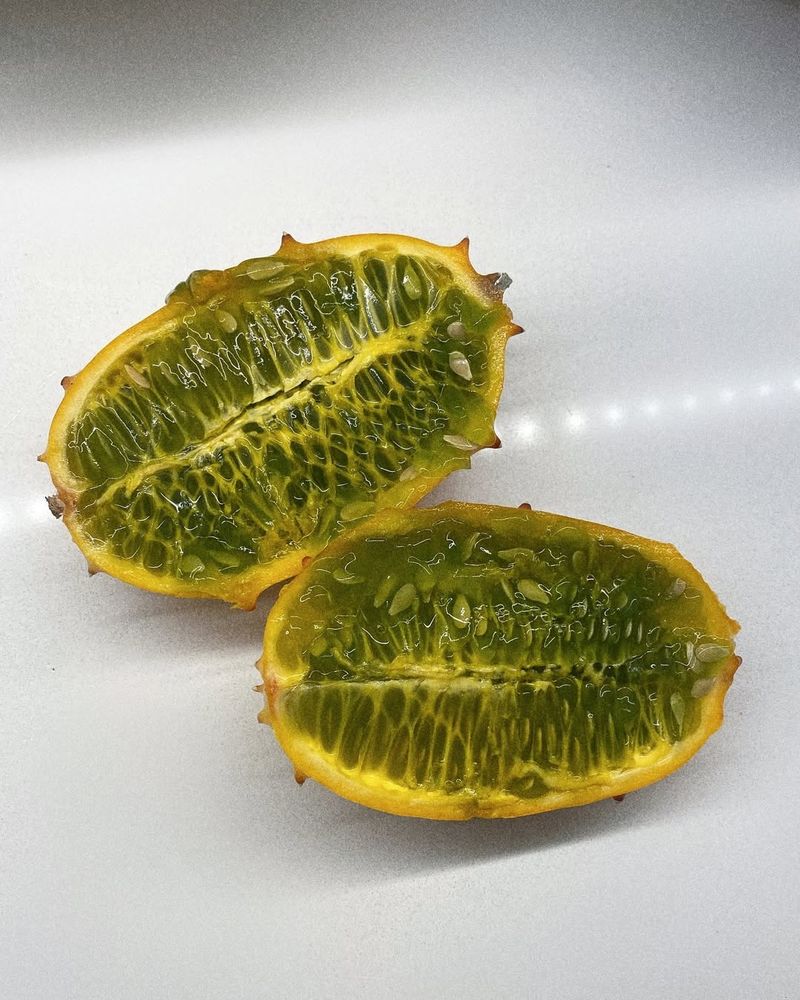
The horned melon, also known as kiwano, is a peculiar fruit worth adding to your diet. Native to Africa, it boasts a spiky orange exterior and a jelly-like green interior. This fruit is rich in antioxidants, vitamins A and C, and essential minerals. Its unique taste is often described as a mix between cucumber and banana.
Eating horned melon can support your immune system and improve skin health. However, its unusual appearance might be off-putting to some. Despite that, it’s a refreshing and nutritious addition to salads or enjoyed on its own.
4. Miracle Berry
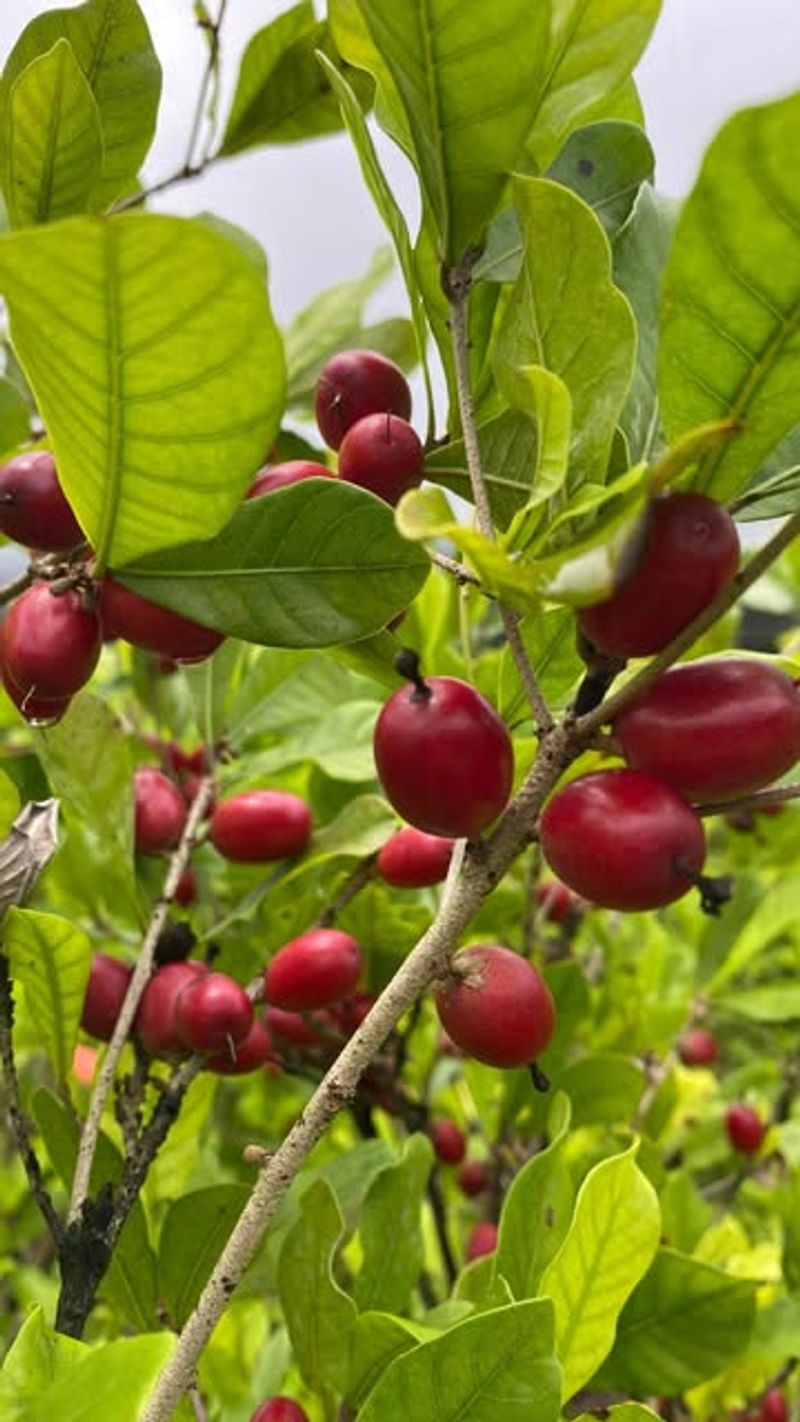
The miracle berry may sound beneficial, but tread carefully. This small red berry can alter your taste buds, making sour foods taste sweet. While this might seem fun, it can lead to overconsumption of acidic foods. It’s potentially harming your teeth and stomach lining.
Additionally, its sweetness effect might cause you to consume more sugar, thinking it’s less than it is. Grown primarily in West Africa, this berry has gained popularity for its novelty rather than nutritional benefits. Enjoy the miracle berry sparingly and be mindful of its unusual effects on your taste perception.
5. Mangosteen
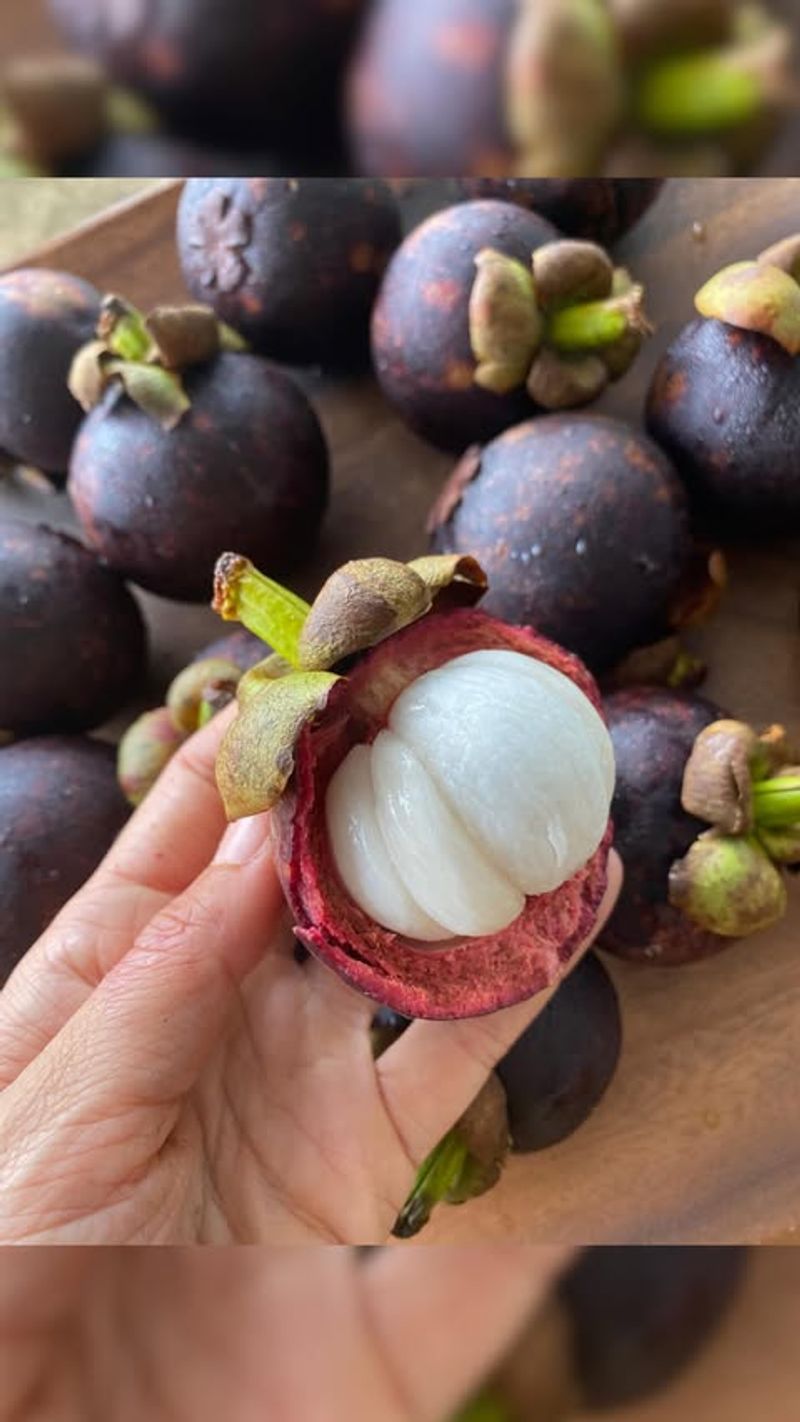
They are known as the “queen of fruits,” is a tropical delight with its sweet and tangy flavor. Packed with essential vitamins and antioxidants, it offers numerous health benefits, including boosting the immune system and improving skin health.
Enjoyed across Asia, this fruit’s interior is a cluster of juicy, white segments encased in a thick, purple rind. While its exotic nature might seem intimidating, cracking open a ripe mangosteen reveals a treat worth the effort.
6. Manchineel
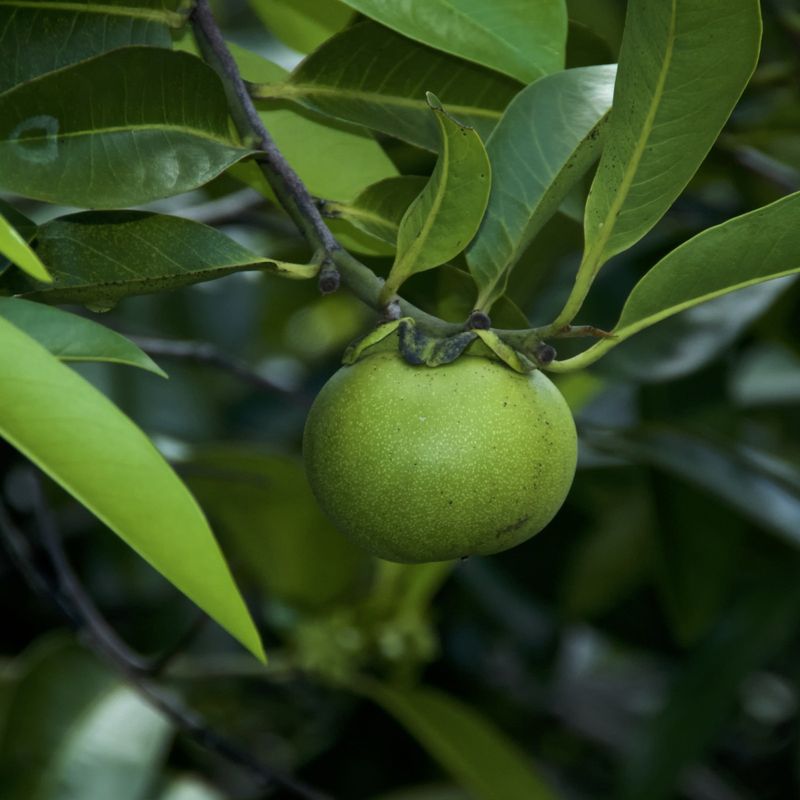
Deceptively known as the “beach apple”. It is a fruit you should definitely avoid. Found in the Caribbean and Florida, every part of this tree is highly toxic. Its small, green fruit might resemble an apple, but ingesting it can cause severe gastrointestinal distress and even be fatal.
The tree’s sap can cause blistering upon contact with skin. Even standing under it during rain is dangerous. In reality, this fruit is more akin to a natural hazard than a tempting snack. Always steer clear when you spot one!
7. Ackee
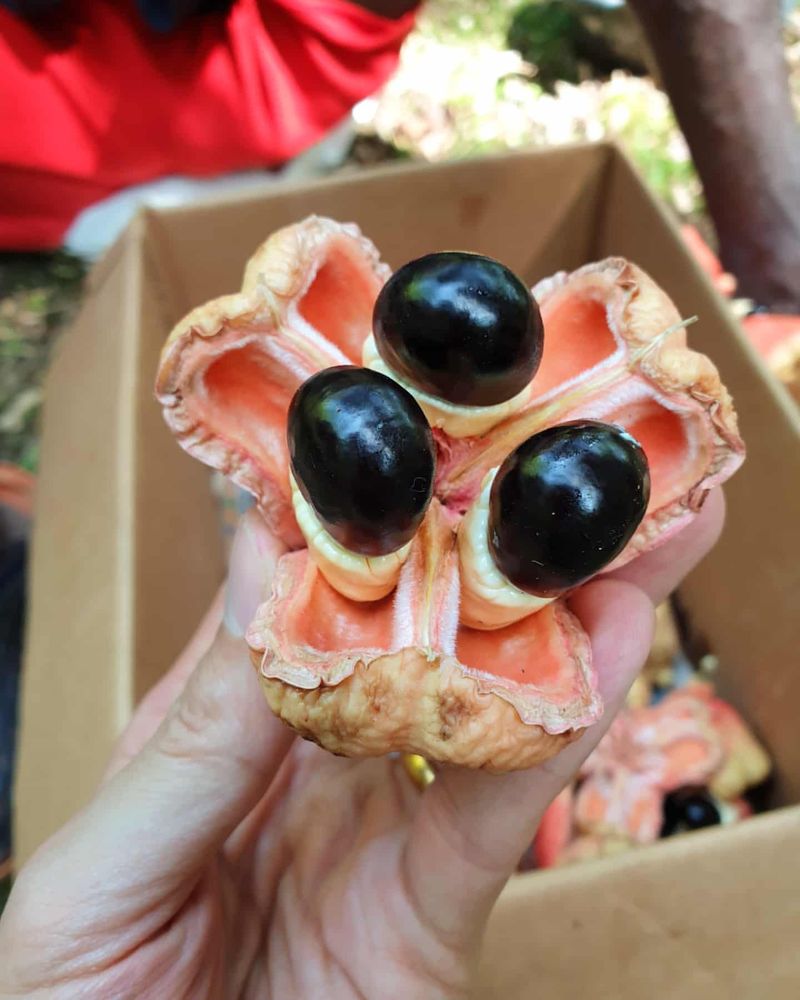
Originating from Jamaica, the ackee fruit is both intriguing and dangerous. When ripe, its yellow flesh is rich in essential fatty acids and vitamin C, promoting skin health and boosted immunity. However, consuming it before it’s fully ripe can be hazardous.
Unripe ackee contains hypoglycin, a toxin that can cause vomiting or even death. For a safe culinary adventure, ensure the fruit naturally splits open on the tree prior to picking. This guarantees ripeness and removes the risk associated with this extraordinary yet risky fruit.
8. Jabuticaba

Native to Brazil, the jabuticaba fruit grows uniquely on the trunks of trees, resembling rows of grapes. Its dark purple skin encases a sweet, juicy pulp, similar in taste to grapes with a hint of tartness. Jabuticaba is rich in antioxidants, which are known to fight inflammation and support heart health.
This unique growth pattern makes harvesting an interactive experience. For those visiting Brazil, tasting this rare fruit fresh from the tree is an exceptional treat. Though rare outside Brazil, it can sometimes be found in specialty markets.
9. Dragon Fruit
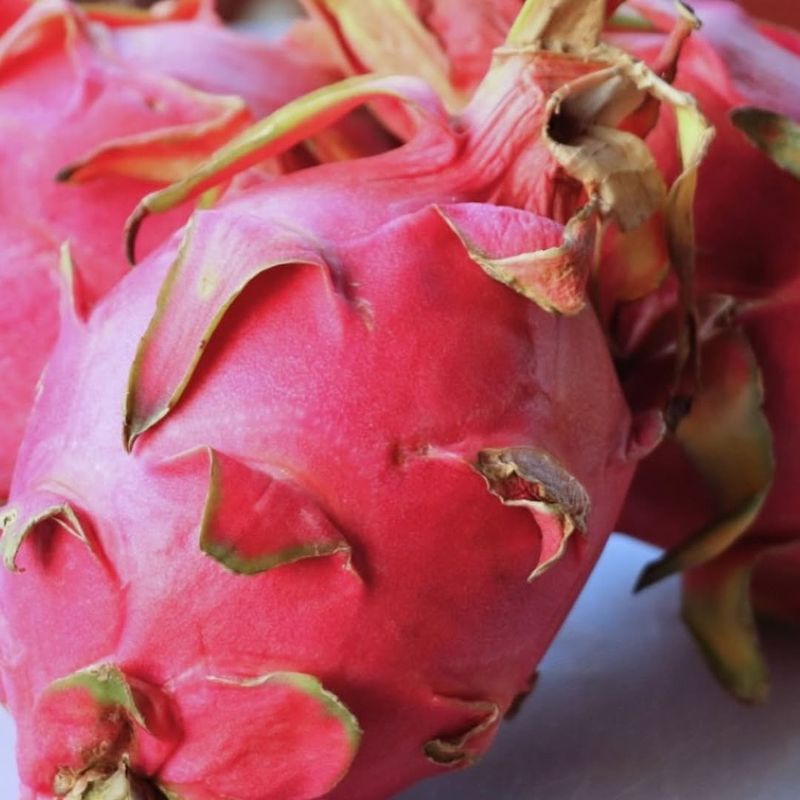
Also known as pitaya, it’s a tropical delight that’s both visually striking and packed with nutrients. Its bright pink skin conceals a speckled white or red pulp dotted with tiny black seeds. This fruit is not only a feast for the eyes but also a powerhouse of vitamin C, antioxidants, and fiber.
Enjoy it fresh in fruit salads or smoothies for a refreshing twist. The mildly sweet flavor pairs well with other tropical fruits, adding a unique texture and taste. Dragon fruit is easy to prepare and delightful to consume.
10. Noni
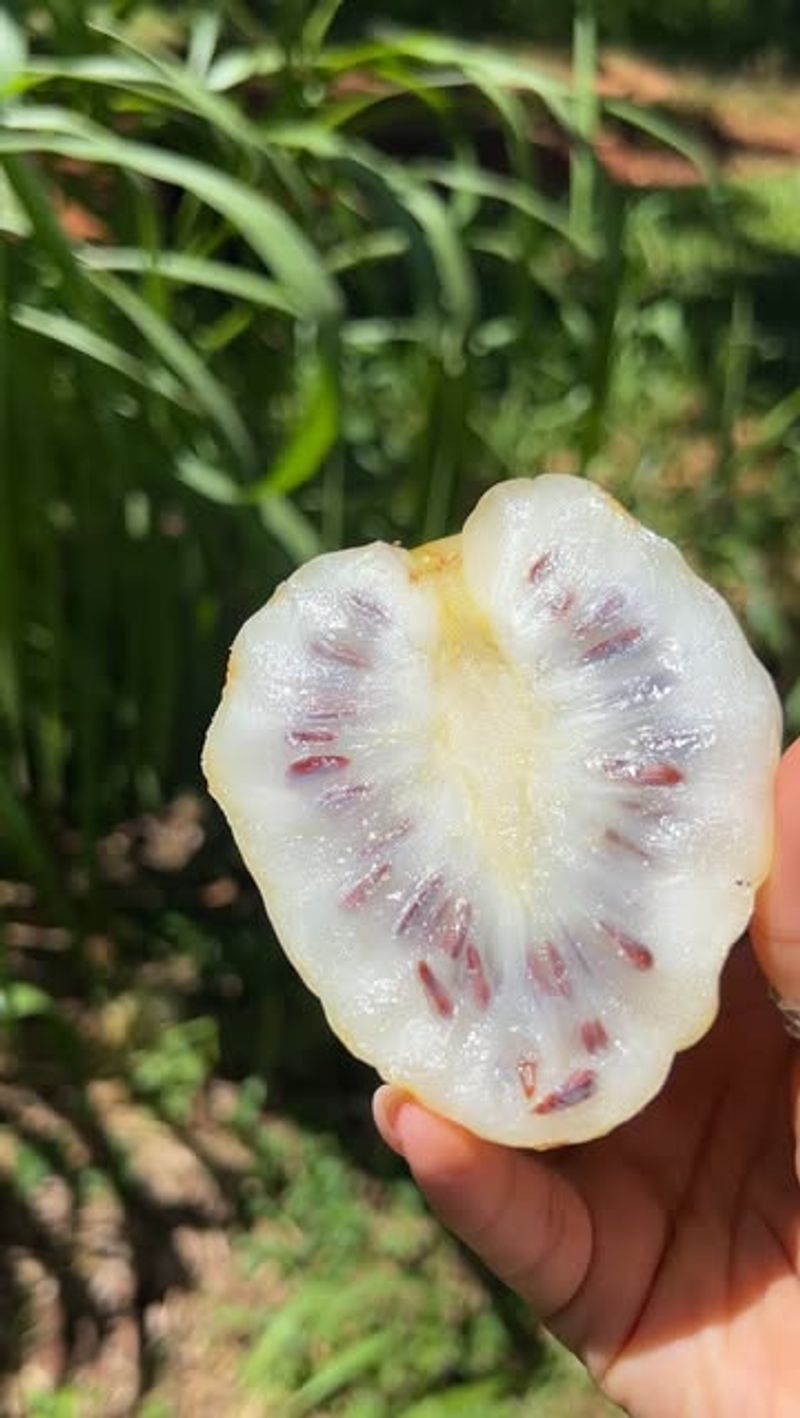
Noni fruit, native to Southeast Asia and Australasia, is renowned for its medicinal properties rather than its taste. The fruit, bumpy and translucent yellow, has a strong, pungent aroma that’s not for the faint-hearted.
Rich in antioxidants and other nutrients, noni has been traditionally used to support immune health and reduce inflammation. Incorporating it into your diet might be challenging due to its unique flavor profile. Juices or supplements are common ways to consume noni.
11. Buddha’s Hand
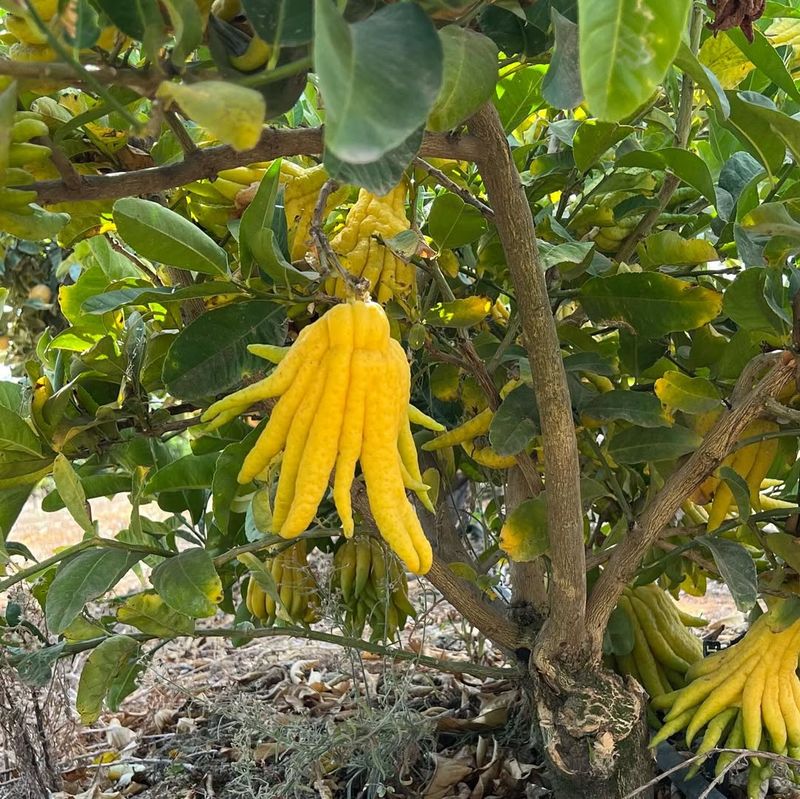
An exotic citrus fruit that’s not only beautiful but packed with zest. Its striking appearance, resembling a human hand with elongated fingers, makes it a unique addition to your fruit basket. This fruit is rich in vitamin C and devoid of any pulp or juice. Perfect for zesting.
Buddha’s Hand offers a fragrant aroma that can uplift any dish, from desserts to savory meals. Besides culinary uses, it’s also a popular choice for natural air fresheners. Embrace its flavor and aroma to enhance your culinary creations.
12. Tomato Berry
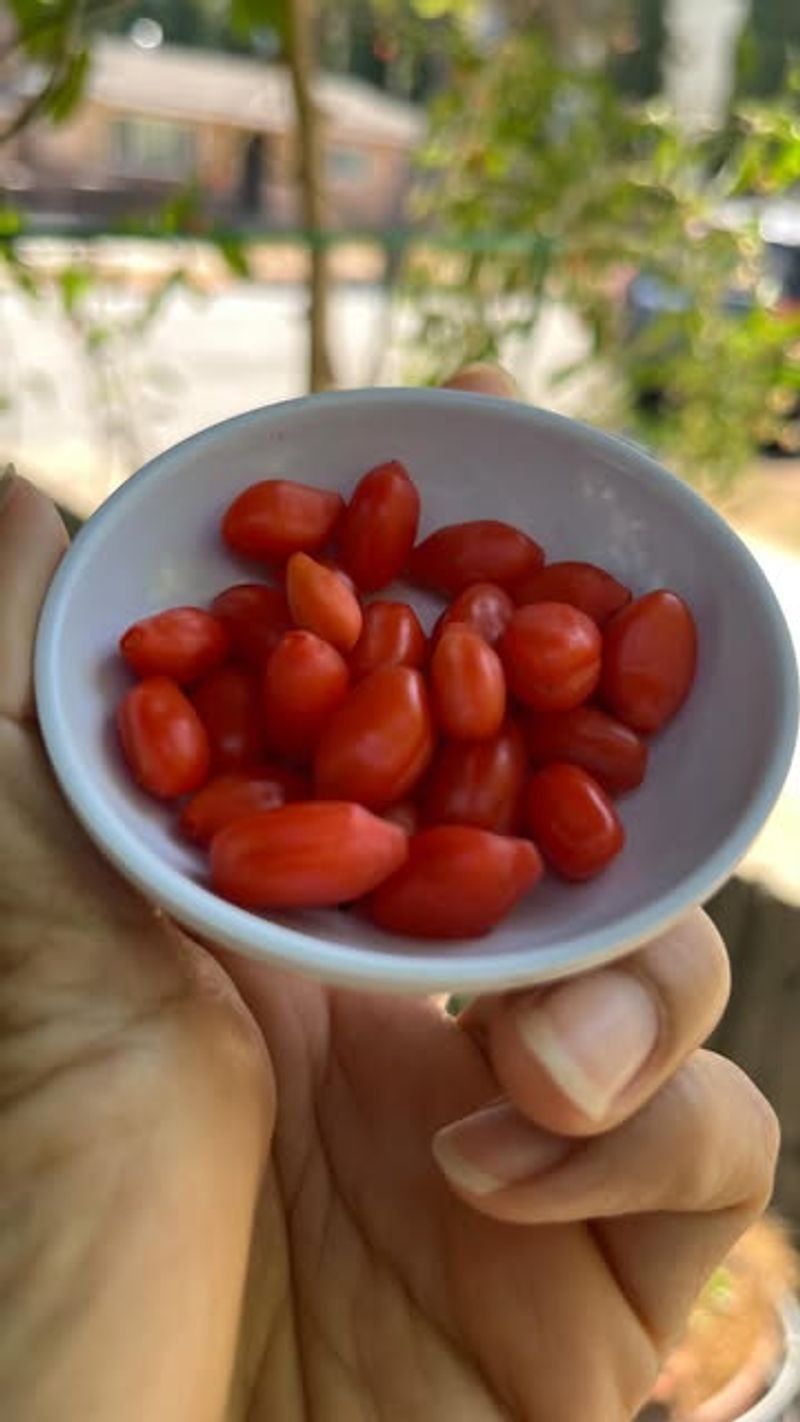
Tomato Berry might appear enticing with its small, cherry-like appearance, but it’s a fruit you might want to steer clear of. Despite its charming look, it’s laden with solanine, a toxic compound found in nightshades. Consuming Tomato Berry in large quantities can lead to discomfort.
While some cultures have traditional uses for it, caution is advised. Avoiding it can save you from potential health risks. Always prioritize health and safety when exploring unfamiliar fruits, even if they look harmless.
13. Mangaba
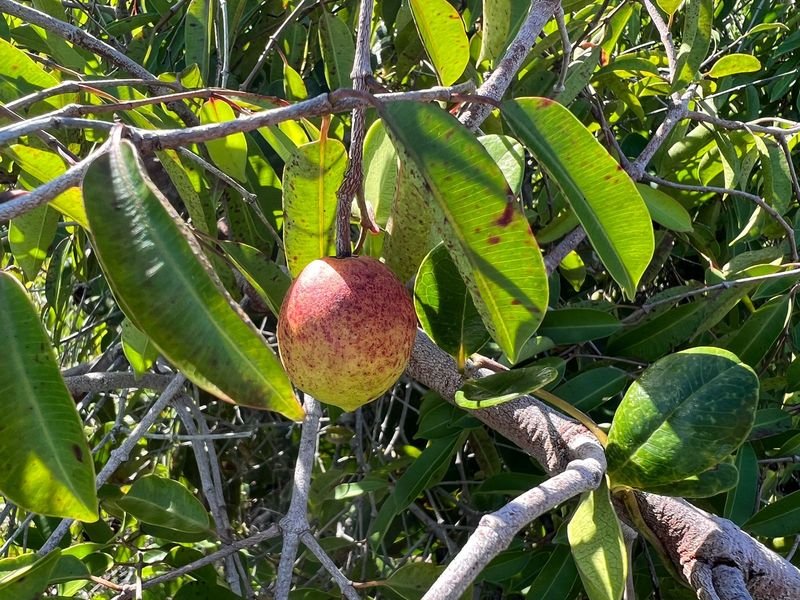
A fruit native to Brazil, celebrated for its sweet and slightly tangy taste. It’s a yellow fruit with a soft, juicy flesh that is packed with vitamins and antioxidants, making it an excellent choice for a healthy diet.
This fruit is often consumed fresh or as a part of desserts and juices. Its rich nutritional profile includes high levels of vitamin C and dietary fiber, essential for maintaining a robust immune system and aiding digestion. Mangaba is a seasonal fruit, best enjoyed at its peak freshness to fully enjoy its unique flavor.
14. Yew Berry
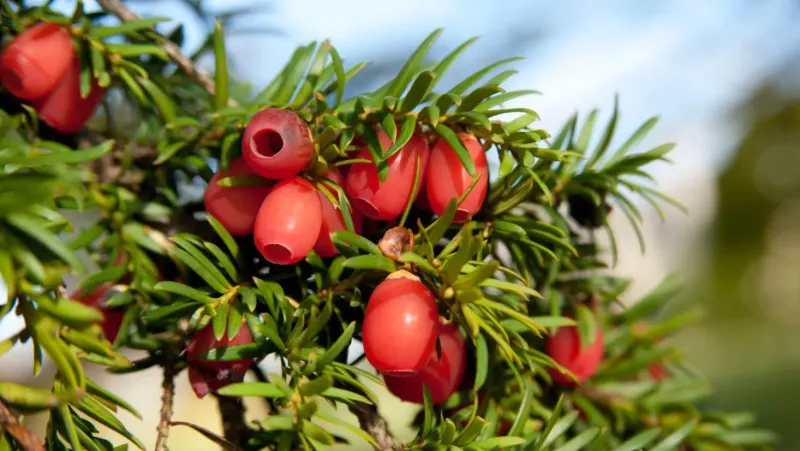
The yew berry is a small, bright red fruit that grows on the yew tree, primarily found in European forests. While it might look enticing, this berry is highly toxic and should be avoided at all costs. The fleshy red aril is the only part that is non-toxic, but the seeds inside are lethal.
Consuming even a small amount can lead to severe poisoning, affecting the heart and potentially leading to fatal outcomes. If you ever encounter a yew berry, admire its beauty from afar and resist the temptation to taste this dangerous fruit.
15. Rambutan
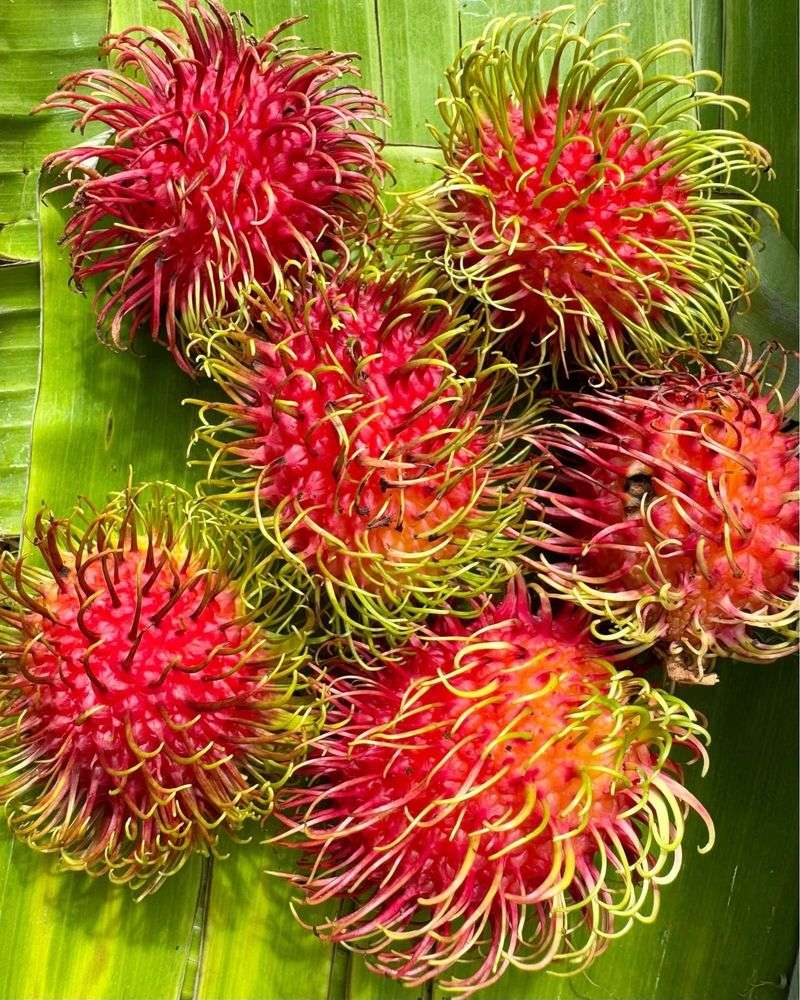
With its hairy exterior it looks almost like a tiny sea creature. This tropical delight is packed with vitamin C, which boosts your immune system and helps with iron absorption. The flesh is juicy and sweet, resembling a grape in texture.
Additionally, rambutan contains antioxidants like flavonoids that combat oxidative stress. Enjoy it fresh or in fruit salads. Opting for this exotic fruit can add variety and essential nutrients to your diet, making it a worthy addition to your daily routine.
16. Moon Melon
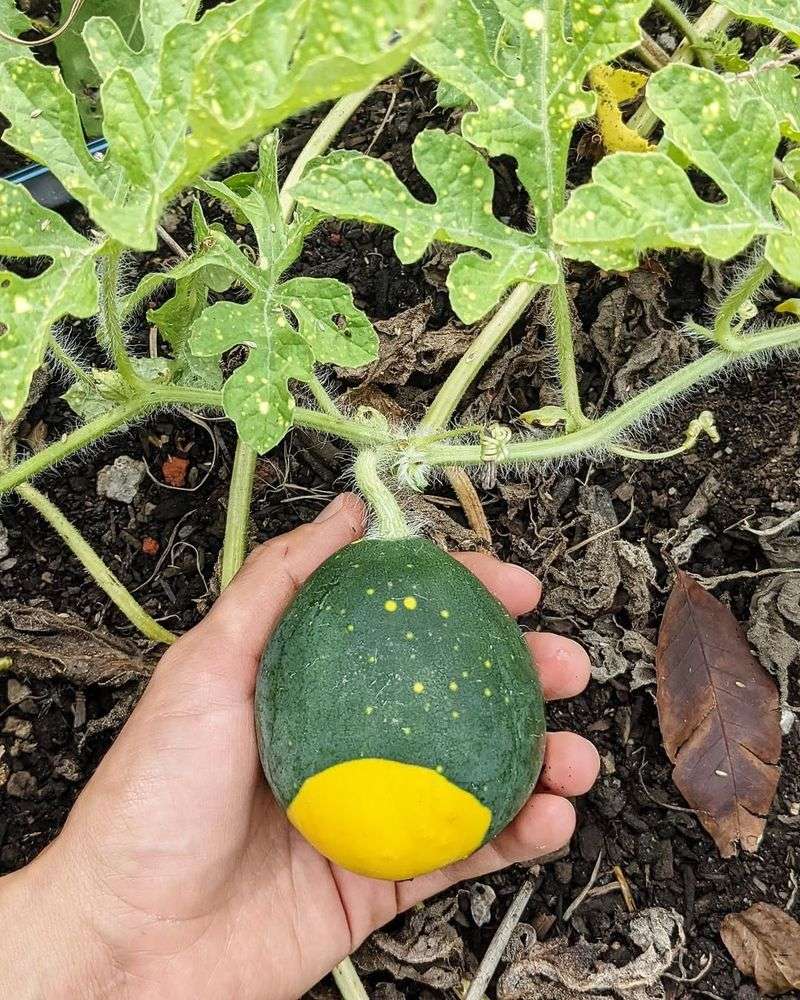
This mythical fruit, is said to glow in the dark with a neon blue hue. Though visually enchanting, it’s actually folklore rather than a viable dietary option. Its allure stems from its supposed ability to alter taste perception, but consuming it is akin to chasing unicorns.
Not only is it elusive, but it’s also non-existent in reality. While it’s fun to imagine such a fruit, your health is better served by real, tangible fruits that provide genuine nutrition. Stick to what’s available and nutritious for the best dietary outcomes.
17. Sourplum
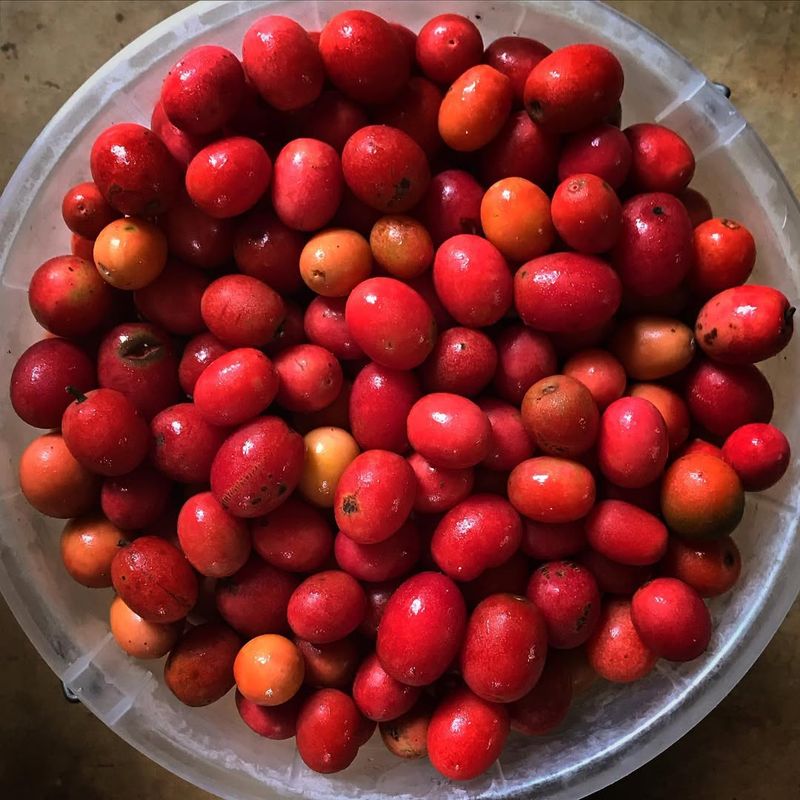
Sourplum is a tangy delight that packs a punch with its bold flavor. This small, round fruit is bursting with Vitamin C, making it a great choice for boosting your immune system. Its unique tartness adds a zesty kick to salads and beverages.
Despite its sourness, it’s quite versatile. You can enjoy it fresh or use it in chutneys and jams. It’s a great companion for savory dishes, enhancing flavors with its acidic notes. Embrace this underappreciated gem and watch your culinary creations come to life.
18. Red Spider Lily Berry
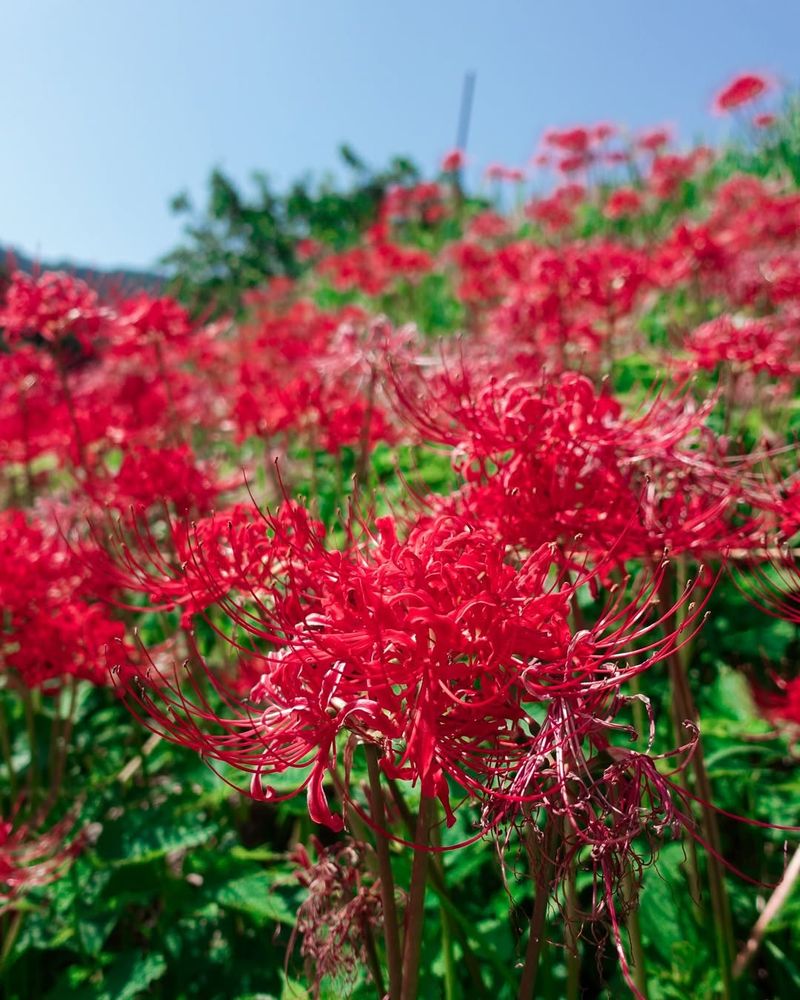
The red spider lily berry is a captivating sight in the wild but holds a dangerous secret. Despite its alluring appearance, this berry is toxic and should not be consumed. It contains lycorine, a compound that is harmful if ingested.
It’s important to recognize and avoid these berries. Especially if you enjoy foraging. Their toxicity can lead to unpleasant symptoms, so it’s best to admire them from a distance. Let their beauty remain a mystery that doesn’t enter your kitchen or picnic basket.
19. Prickly Pear
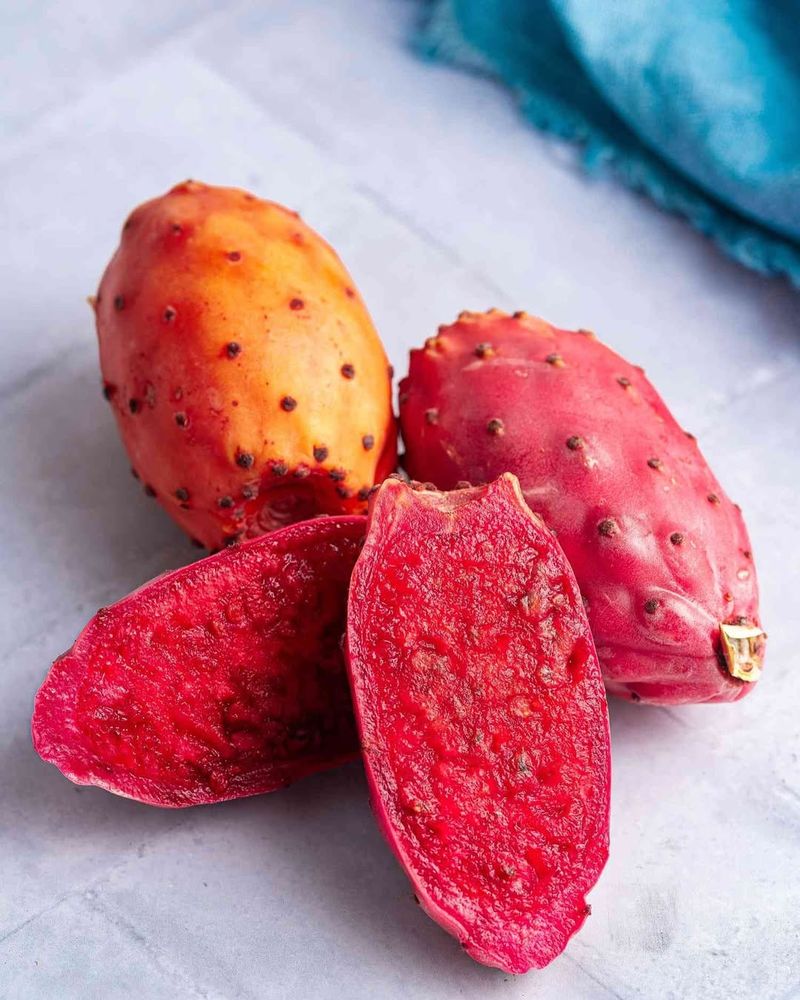
Prickly Pear, found on cacti in arid environments, is not only a feast for the eyes but also for your taste buds. This fruit is rich in dietary fiber, antioxidants, and vitamin C, making it a perfect addition to your diet.
The fleshy interior is sweet and refreshing, blending well in salads or desserts. Additionally, consuming prickly pear can help manage blood sugar levels and reduce inflammation. By carefully peeling away its thorny exterior, you unlock a nutritious and delicious treasure that supports overall health.
20. Strychnine Fruit
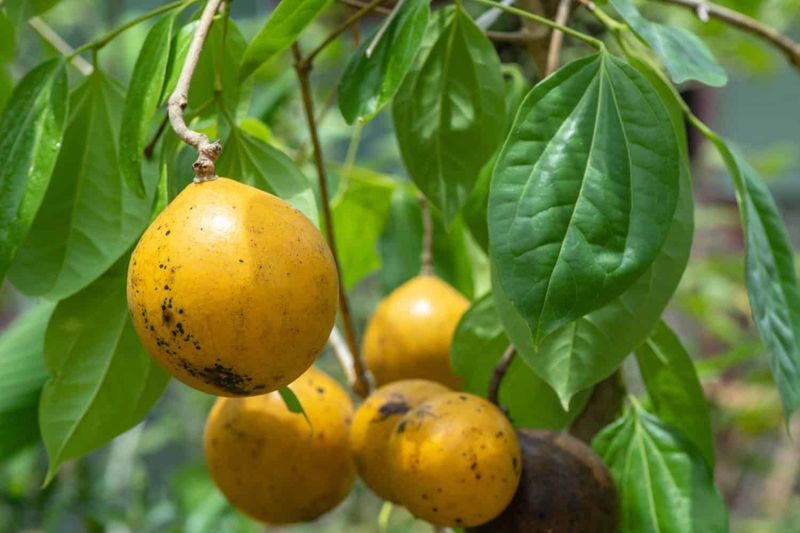
This fruit should absolutely be avoided. Despite its alluring appearance, it’s highly toxic and poses severe health risks if consumed. Historically, it has been used as a poison, and even small amounts can lead to serious consequences, including convulsions and potentially fatal outcomes.
The seeds contain strychnine and brucine, both of which are potent alkaloids harmful to humans and animals alike. Steering clear of this fruit is crucial, as its dangers far outweigh any curiosity about its taste or texture. Safety first when encountering this treacherous fruit.
21. Berry Of The Phoenix
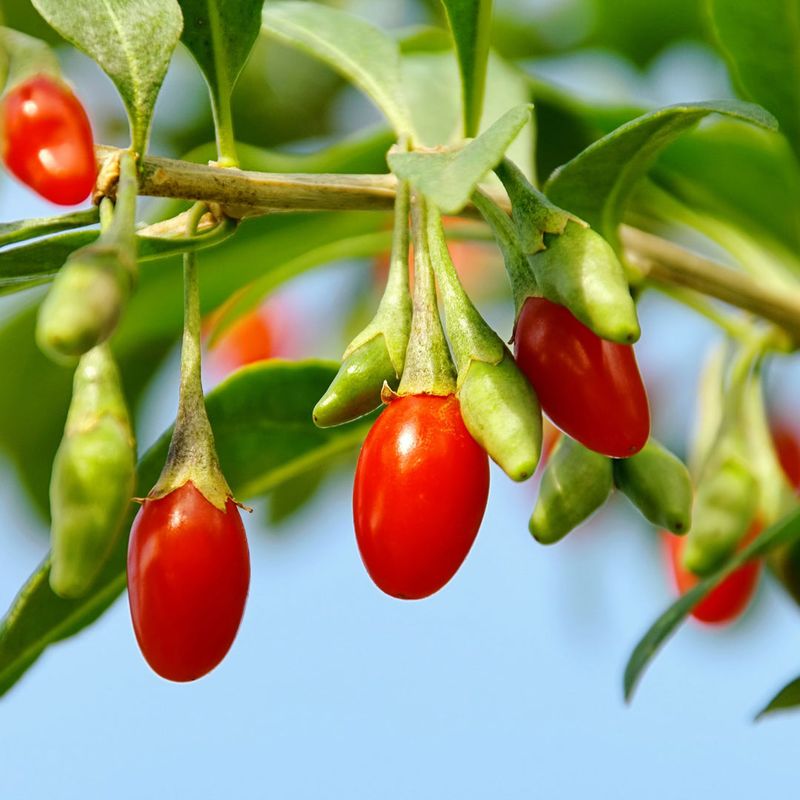
This fruit is said to rise from the ashes of its predecessor. Vibrant and fiery, it glows with an ethereal light. Found in enchanted forests, this berry is believed to grant vitality and strength. Its juices are known to rejuvenate cells and promote longevity.
Enjoy it fresh or in elixirs for an otherworldly experience. However, caution is advised. Only consume the ripe berry, as unripe ones might cause minor ailments. Ancient lore suggests pairing it with morning meditation for optimal benefits. This fruit captivates the imagination while offering potential health perks.
22. Stardust Melon
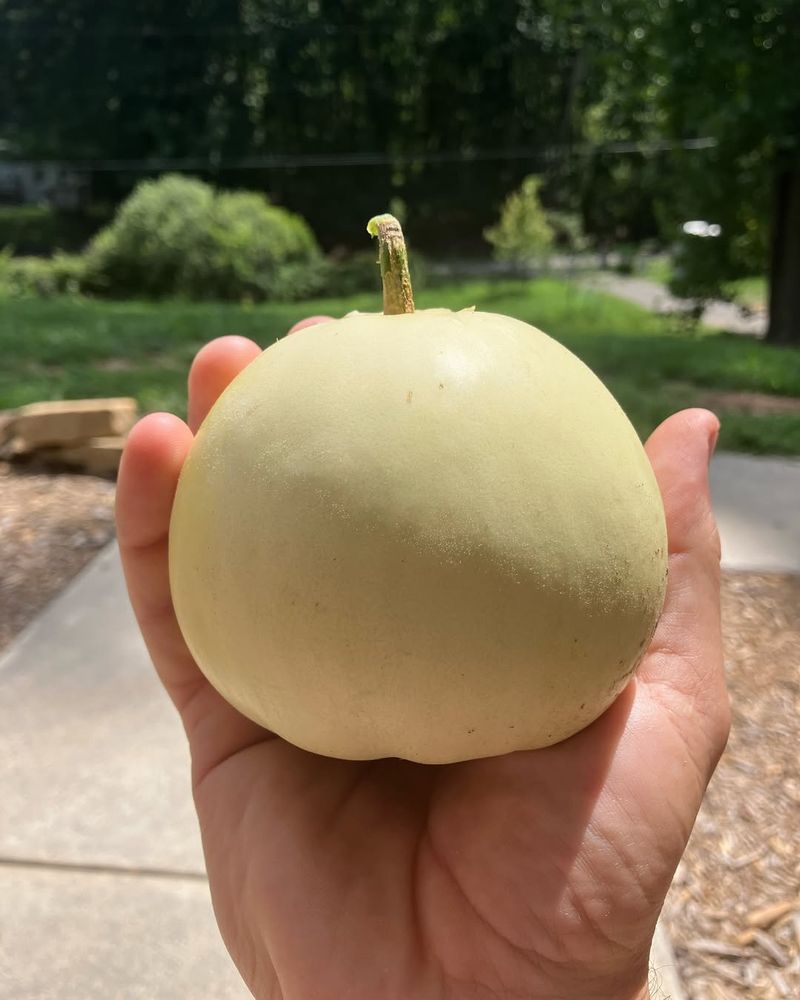
Hailing from a cosmic vineyard, The Stardust Melon, is a celestial delight. With a star-speckled rind, it captures the wonder of the universe. Inside, its flesh is juicy and subtly sweet, offering a taste reminiscent of a cosmic cocktail.
This melon is said to boost creativity and inspire dreams. Consume it under a starlit sky for a magical experience. While its allure is undeniable, overindulgence might lead to feelings of floating away. Moderation is key. Pair it with a sprinkle of lunar salt for an extra burst of flavor.