10 Clever Ways To Prevent Fried Eggs From Spreading
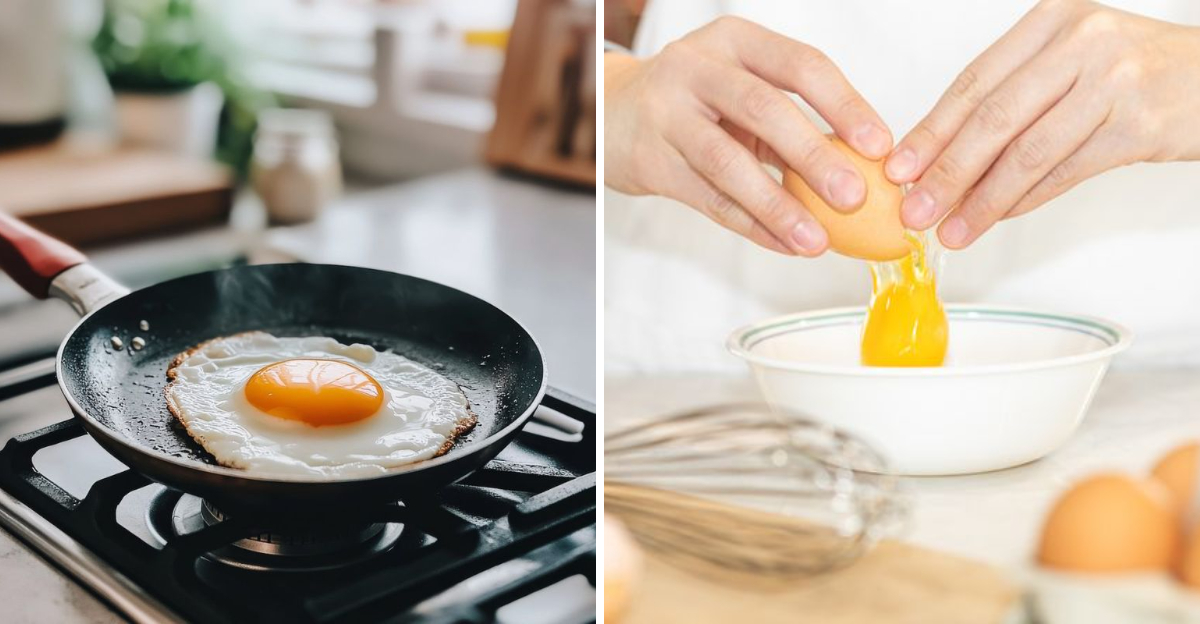
Nothing ruins breakfast faster than a fried egg that’s spread across the entire pan like a runaway science experiment. Perfect fried eggs should be compact, with the whites hugging the yolk in a tidy package.
Whether you’re crafting the ultimate breakfast sandwich or just want Instagram-worthy eggs, keeping your eggs from spreading is a game-changer. Here are ten tricks that will transform your egg-frying game forever.
1. Use A Nonstick Or Well-Seasoned Cast Iron Pan
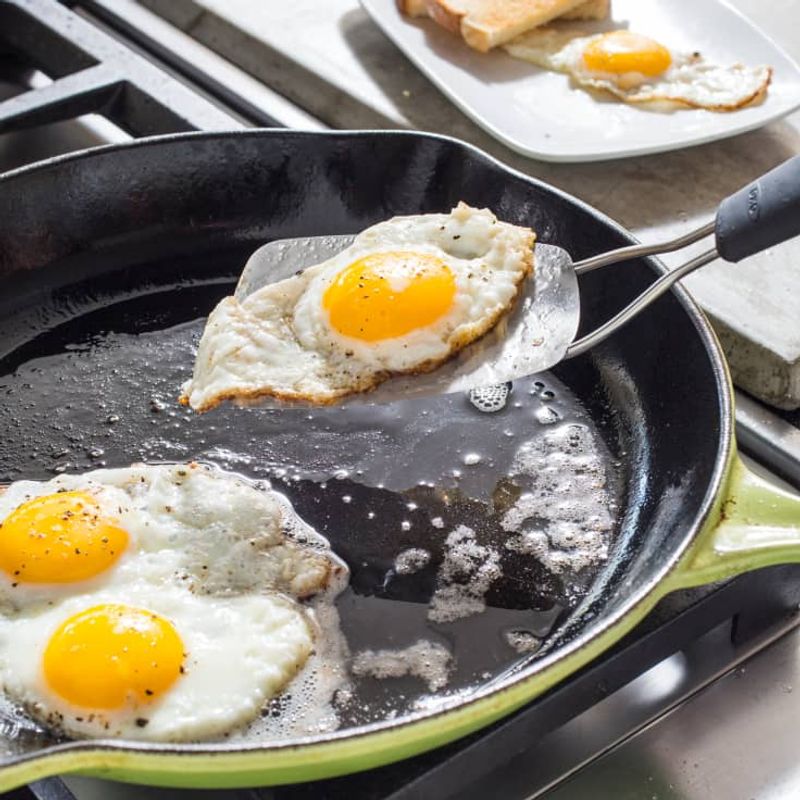
Your pan choice makes or breaks your egg game! A properly seasoned cast iron develops a natural nonstick surface that rivals any chemical coating. The smooth surface creates a magical barrier that keeps egg whites contained instead of racing to the edges.
Cast iron veterans swear by the generations-old seasoning on their grandmother’s pans. If you’re starting fresh, season your pan by repeatedly heating thin layers of oil until they polymerize.
2. Crack The Egg Into A Bowl First
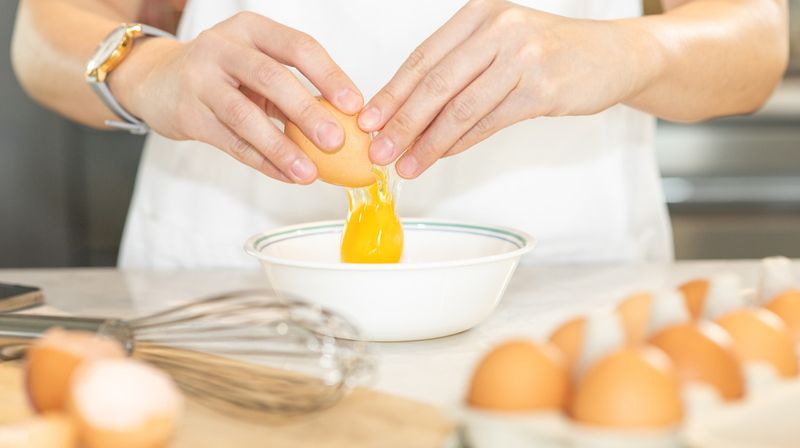
Forget cracking eggs directly into sizzling pans—that’s amateur hour! Breaking eggs into a small bowl first gives you total control. You’ll spot shell fragments before they become unwelcome breakfast crunchies and can gently slide that egg exactly where you want it.
Small ramekins work perfectly for this precision technique. The shallow sides let you lower the egg gradually rather than dropping it from heights that cause splatter disasters.
3. Heat The Pan Before Adding The Egg
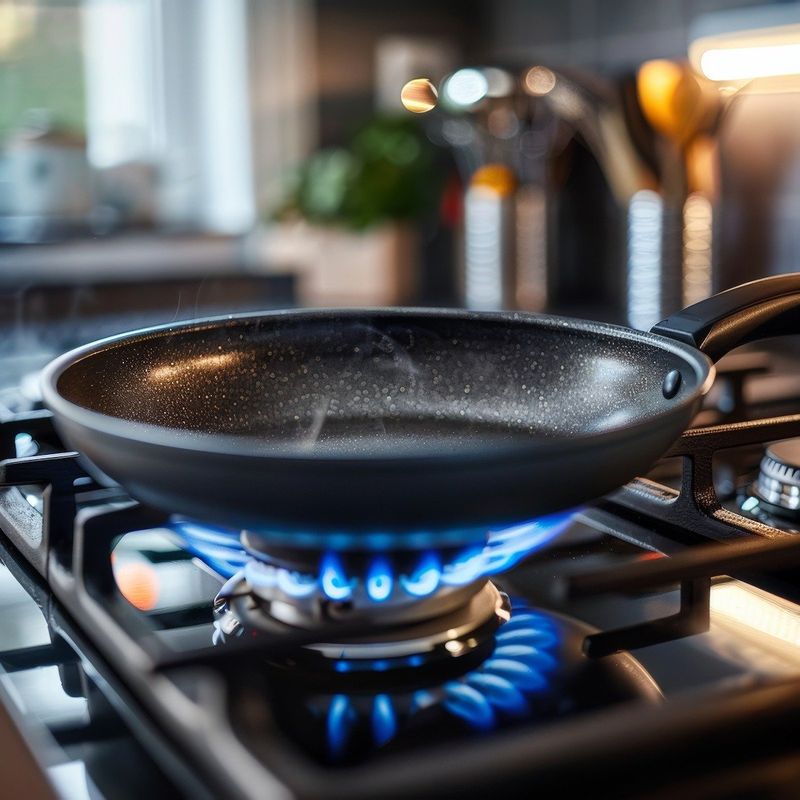
Cold pan syndrome is the silent killer of perfect eggs! When your pan hasn’t reached the right temperature, eggs spread like gossip at a family reunion. A properly preheated surface immediately starts cooking the egg white’s outer edges, creating a natural barrier that prevents spreading.
The water droplet test never lies—flick a few drops onto the surface and they should dance, not just sit there sadly evaporating. This sweet spot temperature locks the proteins in egg whites instantly.
4. Add The Egg Gently Into The Center Of The Pan
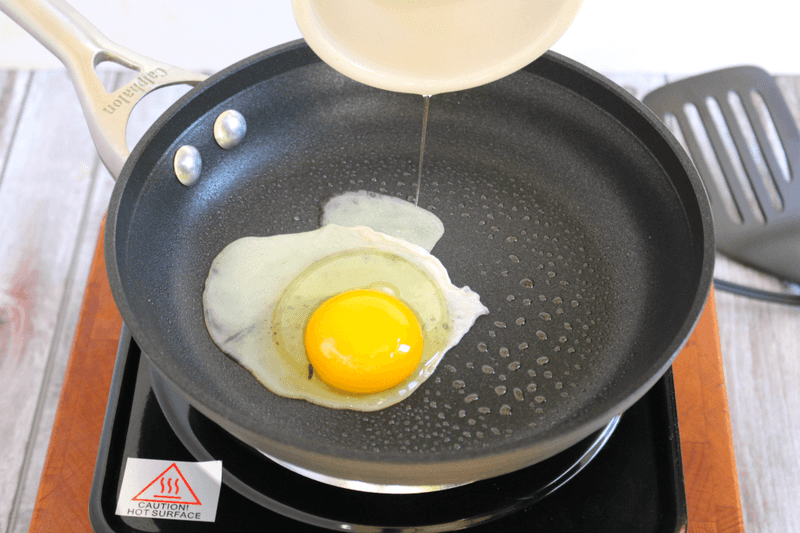
Egg-dropping height matters more than you think! Dropping eggs from the stratosphere guarantees splatter disasters. Instead, position your bowl or ramekin close to the pan surface—we’re talking less than an inch away—and ease that egg into its new home.
The center of the pan typically offers the most even heat distribution. This sweet spot cooks the egg uniformly, preventing those weird half-cooked edges that encourage spreading.
5. Use A Metal Or Silicone Egg Ring
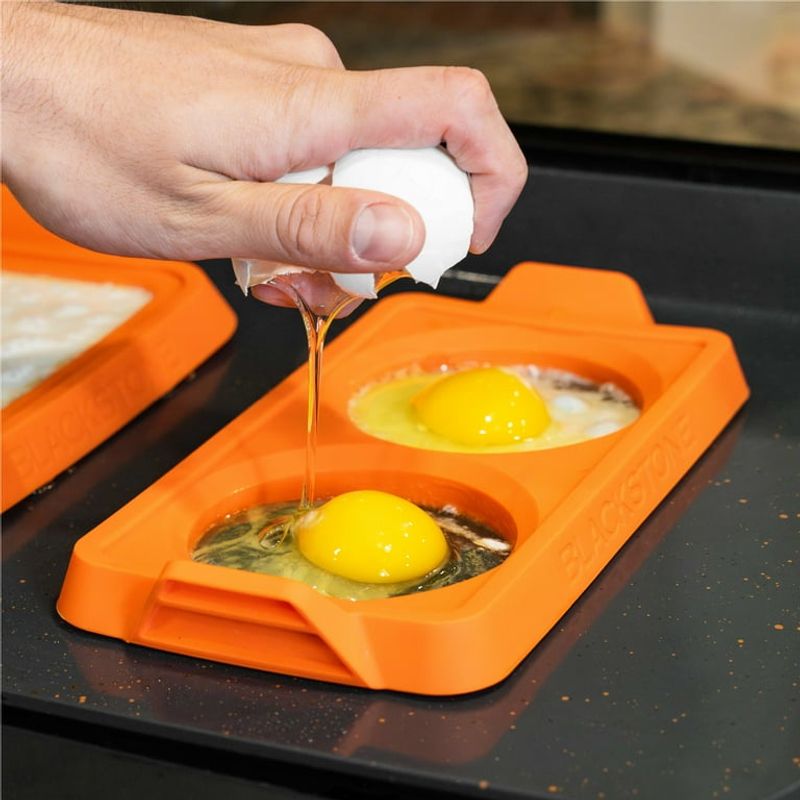
Egg rings are the training wheels of perfect egg frying! These circular guardians create foolproof boundaries that even the runniest whites can’t escape. Simply place the ring in your preheated pan, wait 30 seconds for it to heat up, then pour your egg inside its protective walls.
Metal rings conduct heat brilliantly, cooking the edges while containing the spread. Silicone versions offer flexibility and non-stick properties that make egg removal a breeze.
6. Fry On Medium Heat
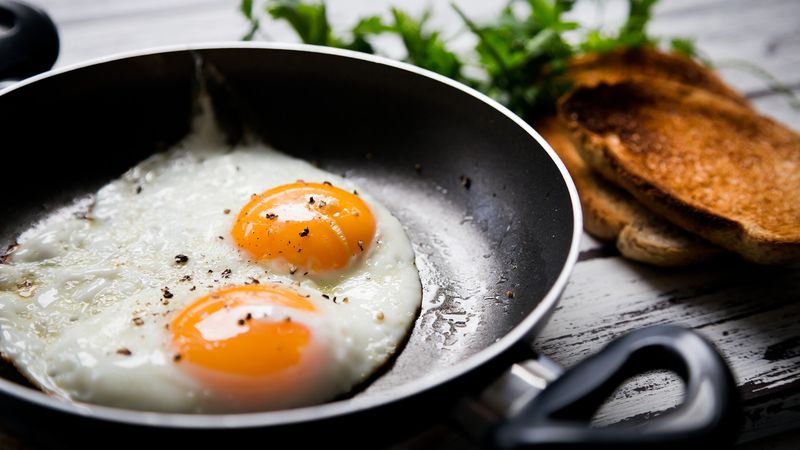
Cranking the heat to volcanic levels might seem like a shortcut, but it’s actually sabotaging your egg game! Excessive heat makes egg proteins freak out, causing uneven cooking and—you guessed it—spreading.
Medium heat (around 300°F) creates the perfect environment for egg whites to set gradually from the outside in. This temperature sweet spot gives proteins time to coagulate properly before the entire egg turns into a rubbery disaster.
7. Add A Small Pat Of Butter Or Oil Only Where The Egg Will Land
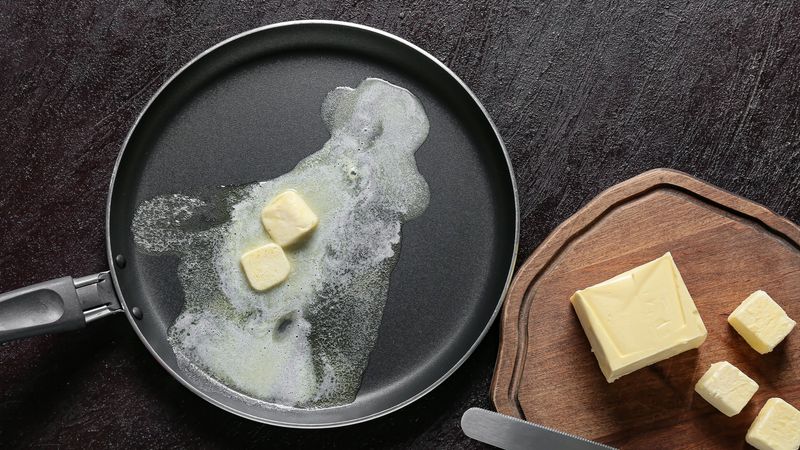
Strategic greasing revolutionizes egg frying! Instead of flooding your pan with enough oil to satisfy an ancient Roman feast, try the targeted approach. Place a small pat of butter or drizzle of oil exactly where your egg will land—creating a slick landing pad roughly the size of your desired final egg.
This controlled lubrication zone prevents whites from skating across an over-greased surface. The limited fat area creates natural boundaries that discourage spreading while still ensuring nothing sticks.
8. Avoid Overcrowding The Pan
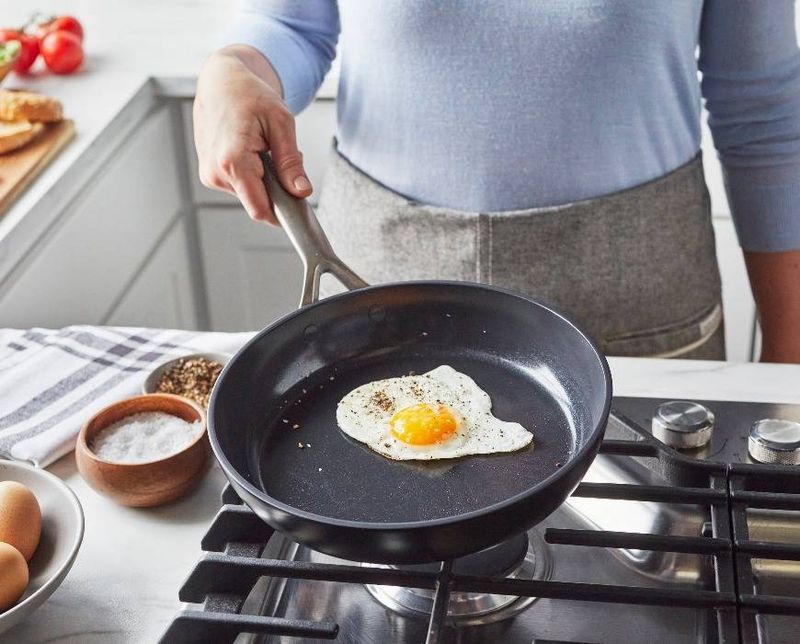
Eggs need personal space too! Cramming multiple eggs into a too-small pan creates a breakfast traffic jam where whites inevitably merge into one disappointing mega-egg. Each egg deserves its own territory—at least 3 inches of breathing room on all sides.
When eggs touch the cooler edges of an overcrowded pan, temperature differentials cause uneven cooking. The result? Parts that set perfectly while others remain runny and prone to spreading.
9. Don’t Over-Grease The Pan
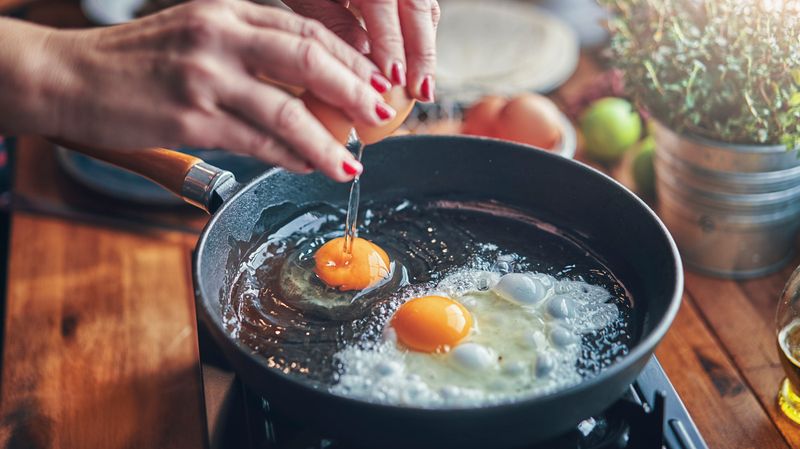
Contrary to popular belief, swimming pools of oil create egg disasters! Excessive grease becomes an egg white superhighway, encouraging rapid spreading across the entire pan. The ideal amount barely coats the surface—think morning dew, not raging river.
Try the paper towel method: add a small amount of oil, then wipe most away with a paper towel, leaving only the thinnest coating. This microscopic layer prevents sticking without creating slippery conditions for runaway whites.
10. Tilt The Pan Slightly While Adding The Egg
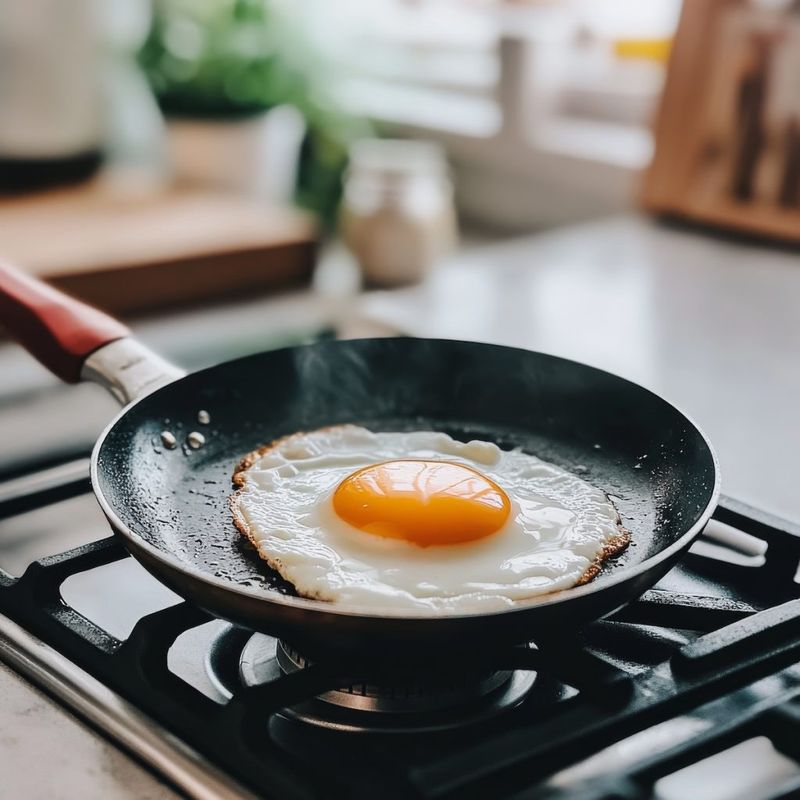
Gravity becomes your secret weapon with this pro technique! Tilting your pan at a slight angle (about 20 degrees) while adding the egg creates a controlled slide rather than a splat. The whites naturally gather at the lowest point instead of racing outward in all directions.
Hold this tilted position for just 5-7 seconds—long enough for the bottom edge of the whites to begin setting. As they firm up, gradually level the pan to allow the remaining uncooked portion to settle against this newly-formed boundary.