10 Foods At Highest Risk Of Being Recalled
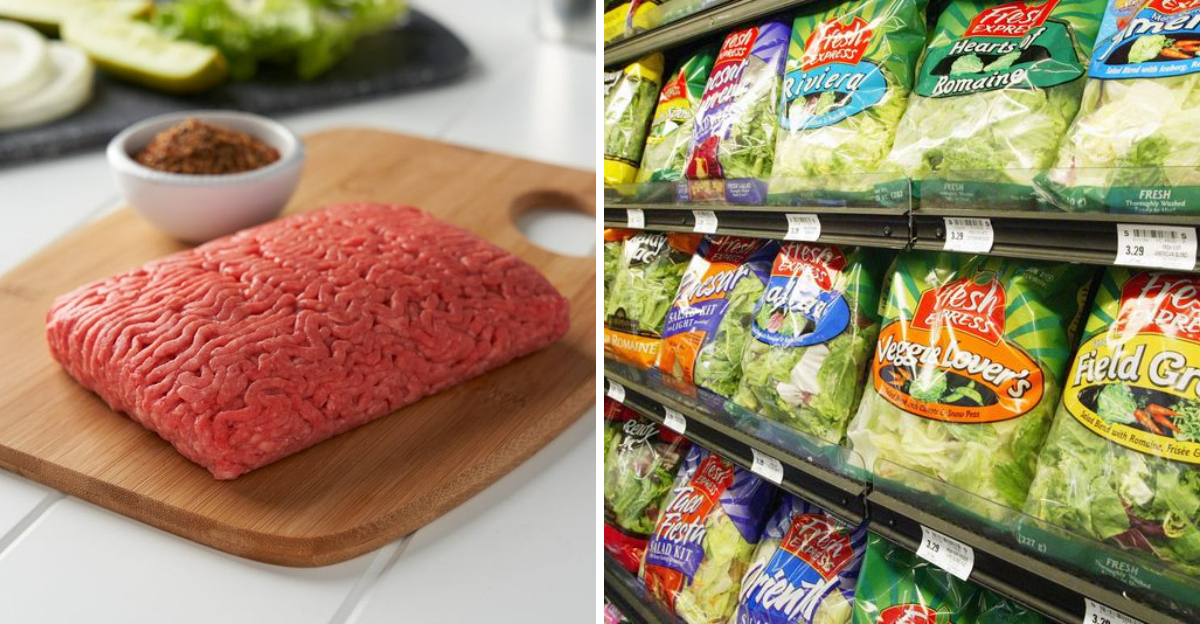
Food recalls happen more often than most people realize, pulling potentially dangerous products off store shelves before they can harm consumers. These recalls typically stem from contamination with harmful bacteria, foreign objects, or undisclosed allergens that slipped through quality control.
Understanding which foods most frequently trigger these safety alerts can help you make smarter choices at the grocery store and keep your family safe.
1. Leafy Greens
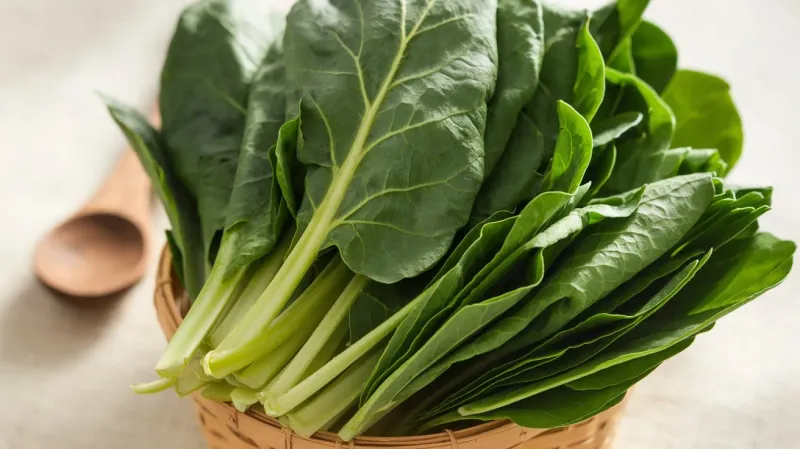
Spinach and lettuce might seem harmless, but they’re bacterial playgrounds! These leafy favorites top recall lists because their crinkly surfaces create perfect hiding spots for E. coli and Salmonella.
Farm to table involves multiple handling points where contamination can occur. Water used for irrigation might contain animal waste, while harvesting equipment can transfer bacteria from soil or other plants.
2. Ground Beef
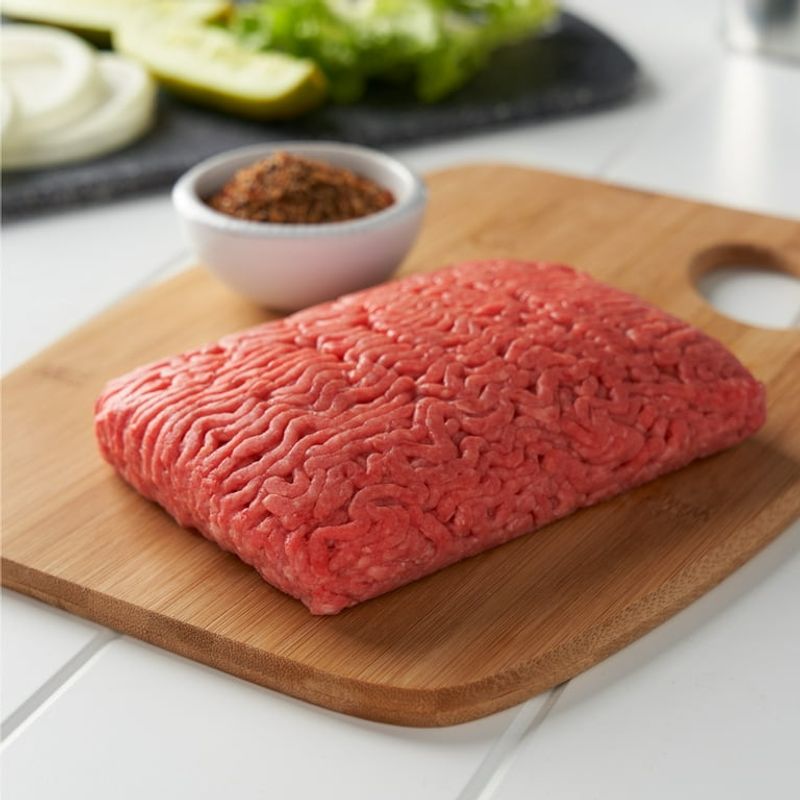
Hamburger heaven or bacterial battlefield? Ground beef’s structure creates the perfect storm for foodborne illness. Unlike whole cuts, grinding distributes surface bacteria throughout the entire product, giving pathogens like E. coli plenty of places to multiply.
Mass production doesn’t help matters. A single package might contain meat from dozens of different cattle, multiplying contamination risks. One infected animal can potentially taint thousands of pounds of product.
3. Poultry
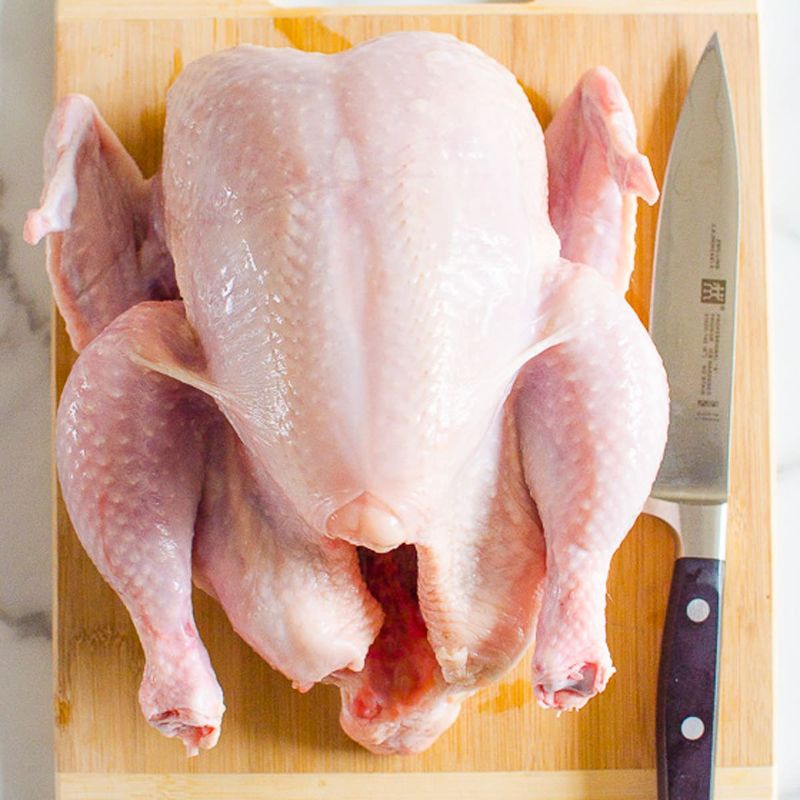
Chicken and turkey rank among the most frequently recalled protein sources, primarily due to their cozy relationship with Salmonella and Campylobacter. These bacteria naturally occur in poultry intestines and easily spread during slaughter and processing.
Processing plants move at lightning speeds—sometimes handling 175 birds per minute—making thorough inspection challenging. Cross-contamination happens easily as machinery touches bird after bird.
4. Ready-To-Eat Deli Meats
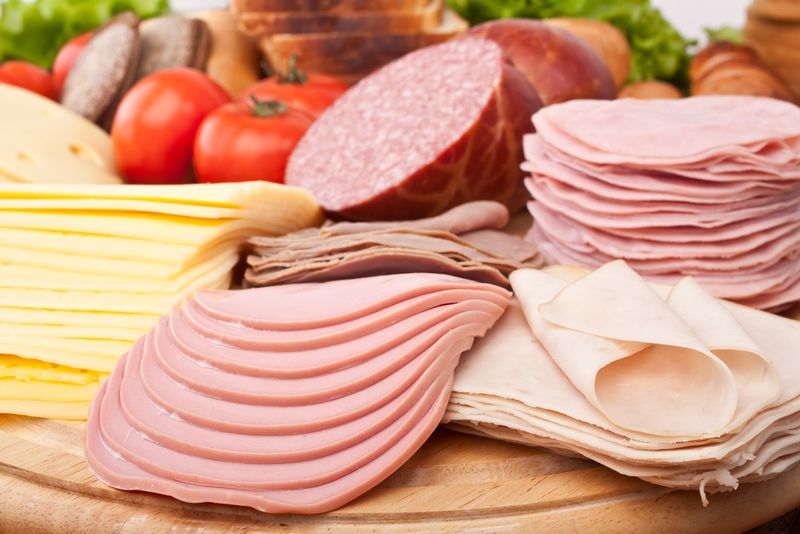
Grab-and-go convenience comes with hidden dangers! Deli meats frequently trigger recalls due to Listeria monocytogenes, a particularly nasty bacterium that thrives in refrigerated environments where other bacteria can’t survive.
Slicing machines create perfect contamination vehicles. That slicer might process dozens of different products between cleanings, spreading bacteria across everything it touches.
5. Soft Cheeses
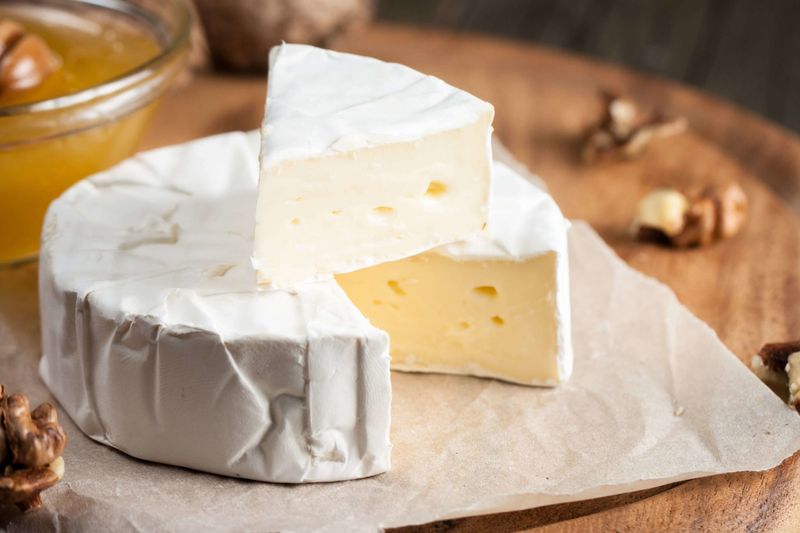
Brie, Camembert, queso fresco—these creamy delights harbor a dark secret! Soft cheeses frequently appear on recall lists because their moisture content and less acidic pH create ideal conditions for bacterial growth, particularly Listeria.
Manufacturing processes introduce various risk points. Many soft varieties undergo minimal aging, skipping the protective bacterial die-off that occurs in harder aged cheeses. Raw milk varieties pose additional concerns since they skip the pasteurization step that kills harmful bacteria.
6. Packaged Salads
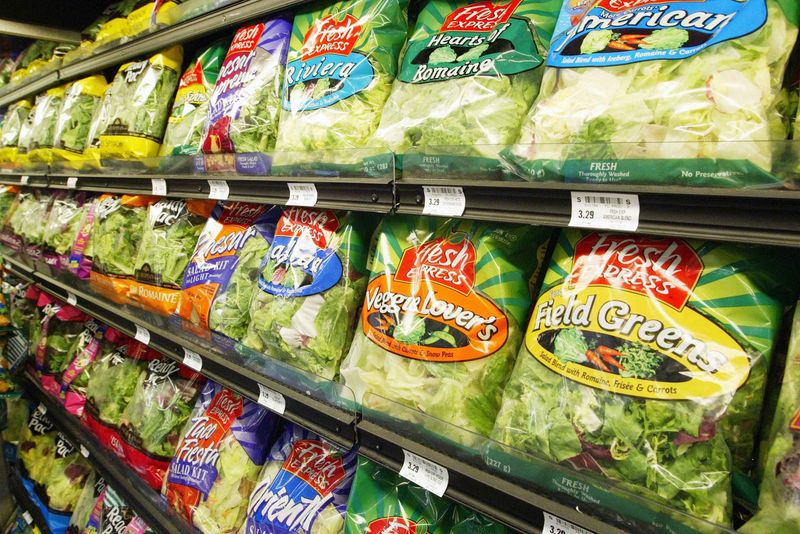
Convenience kills! Pre-cut, bagged salads might save prep time but they’re bacterial breeding grounds that frequently trigger recalls. Each cut surface creates entry points for microbes, while the enclosed bag environment can accelerate bacterial growth.
Don’t trust that “triple-washed” label blindly! Studies show pre-washed greens often still contain concerning bacterial levels. The processing facilities themselves sometimes harbor persistent strains of bacteria that survive cleaning procedures and contaminate product after product.
7. Frozen Meals
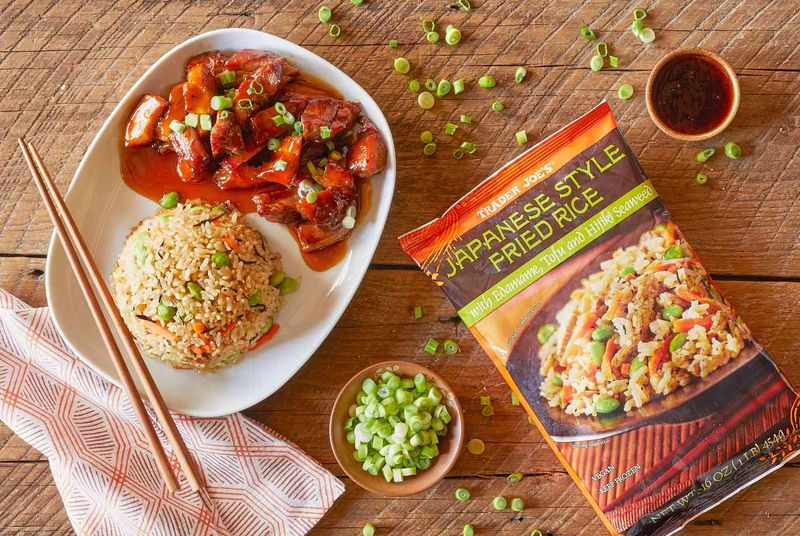
Microwave dinners might seem safe because they’re frozen, but they’re actually recall magnets! These complex products contain multiple ingredients sourced from different suppliers, creating a contamination probability nightmare.
Assembly line production introduces countless touch points where things can go wrong. A single contaminated ingredient can taint thousands of meals before detection. Foreign material contamination—like plastic, metal, or glass fragments—occurs more frequently in these products due to the complex manufacturing equipment used.
8. Processed Foods
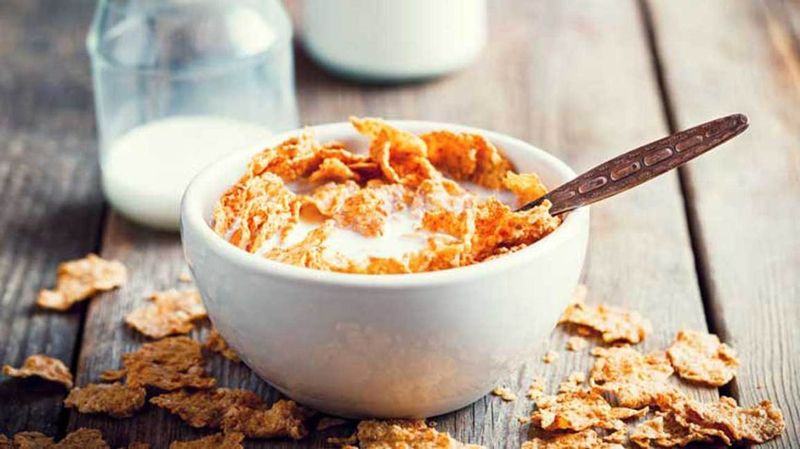
Holy hidden ingredients! Processed foods like snacks, cereals, and canned goods frequently get yanked from shelves for surprising reasons. Undeclared allergens top the list—when a production line switches between products, traces of peanuts, milk, or wheat can contaminate supposedly allergen-free foods.
Chemical contamination creates another recall category. Manufacturing equipment can introduce industrial chemicals, while packaging materials might leach unwanted substances. The more processing steps involved, the more opportunities for something to go wrong.
9. Eggs
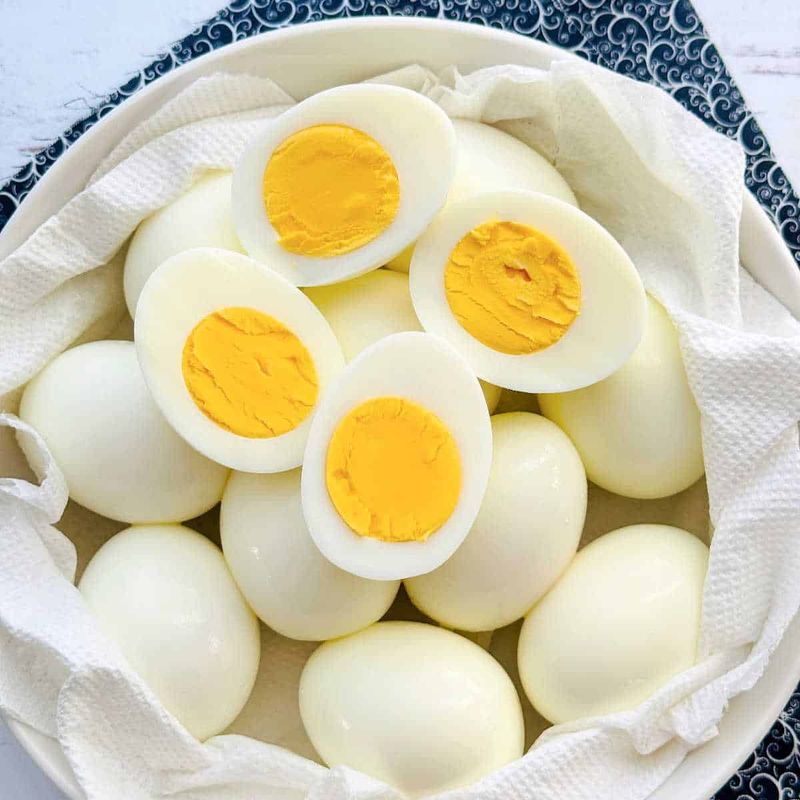
Cracking the case on egg recalls reveals a scrambled situation! These protein powerhouses frequently appear on recall lists primarily due to Salmonella enteritidis, which can infect eggs before the shell even forms inside the hen.
Modern egg production creates perfect contamination conditions. Thousands of hens housed in close quarters allow bacteria to spread rapidly throughout entire flocks. The porous nature of eggshells means bacteria can penetrate even seemingly intact eggs during the cooling process after laying.
10. Mushrooms
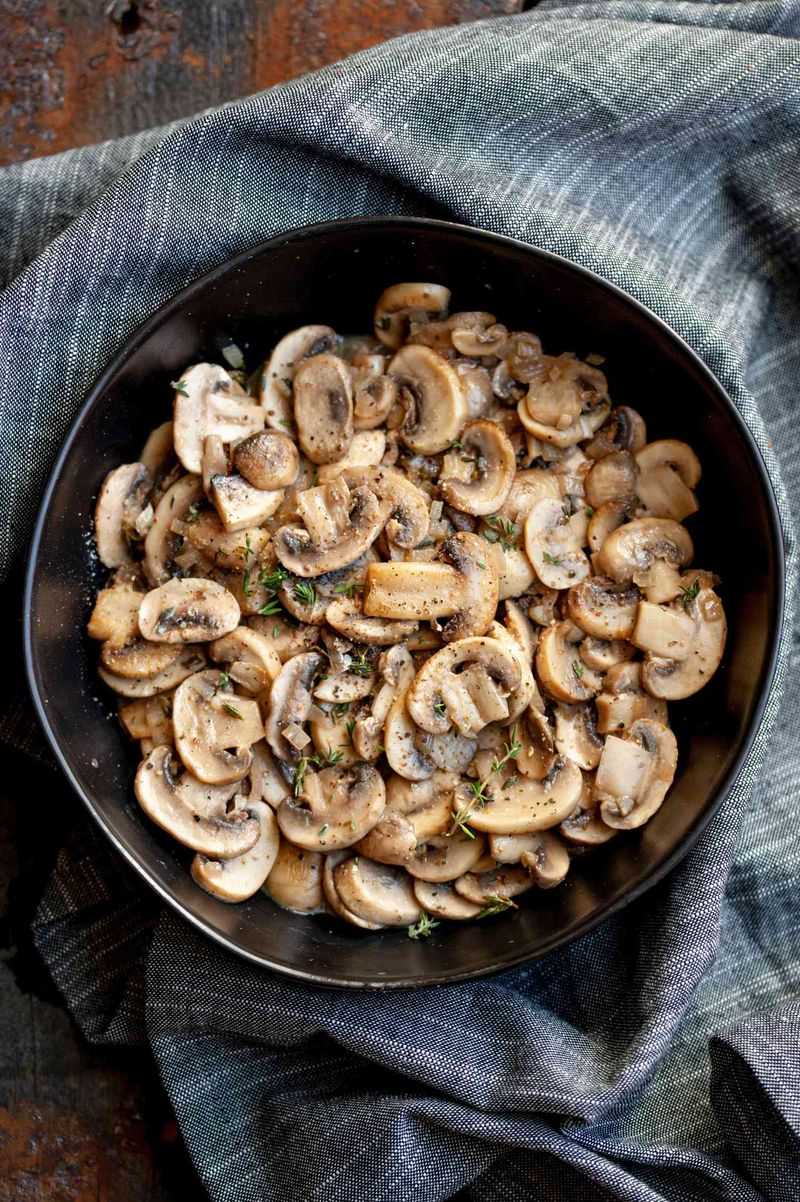
Fungus fiascos! Mushrooms might seem innocent, but they’re surprisingly common recall culprits. Their porous, spongy texture creates perfect hiding spots for bacteria, while their growing conditions—dark, damp environments—naturally harbor microorganisms.
Listeria contamination tops mushroom recall reasons. The bacteria thrive in the cool, moist conditions used for commercial mushroom cultivation. Soil used in growing mushrooms can introduce various contaminants, while harvesting and packaging processes provide additional contamination opportunities.