17 Foods That Could Sabotage Your Weight Loss Progress
You’re eating all the “right” things, staying active, and still not seeing the results you expected. The truth is, some seemingly healthy foods could be quietly working against your goals.
Hidden sugars, sneaky calories, and misleading labels make it easy to get tripped up without even realizing it. These 17 foods might look harmless—but they could be the reason your weight loss has hit a wall.
1. Fruit Smoothies
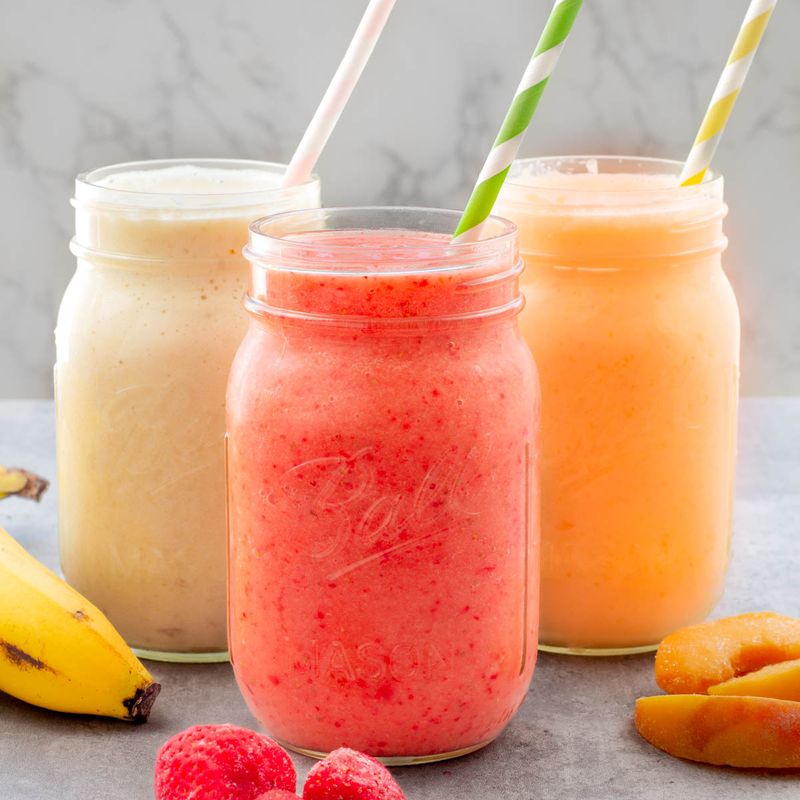
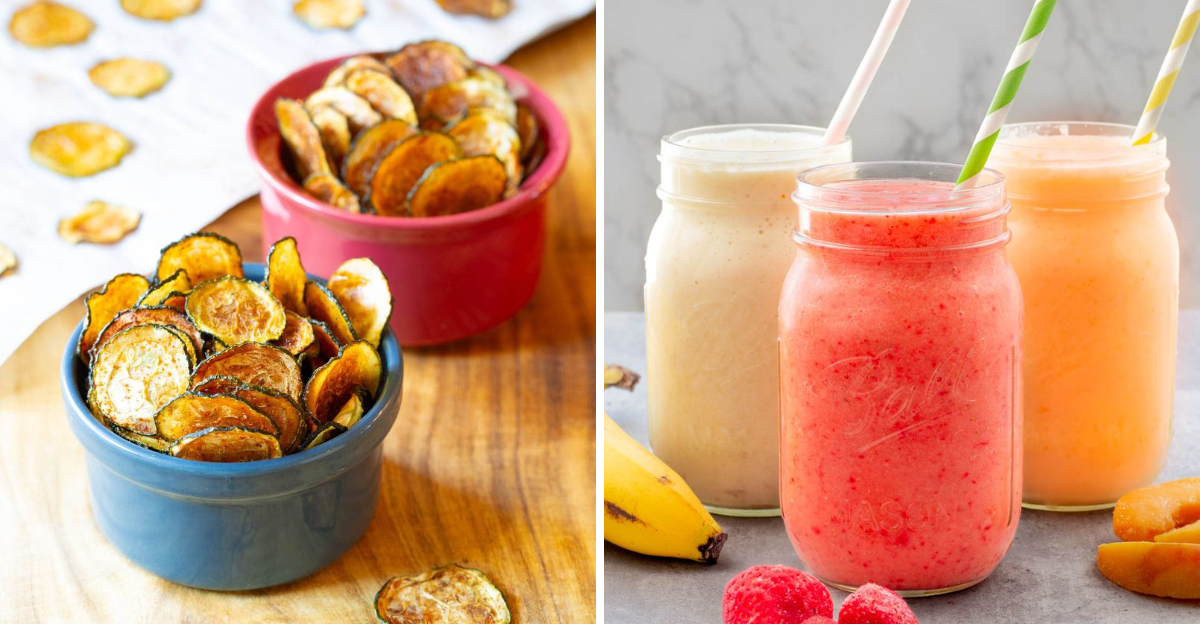
Store-bought smoothies pack a sugary punch that can spike your insulin and leave you hungrier than before. A single 20-ounce commercial smoothie might contain upwards of 70 grams of sugar – that’s like eating 17 teaspoons straight from the sugar bowl!
Many brands add sweeteners, fruit juices, and syrups to enhance flavor. The liquid form means you consume calories faster without the satiety signals solid food provides.
2. Granola
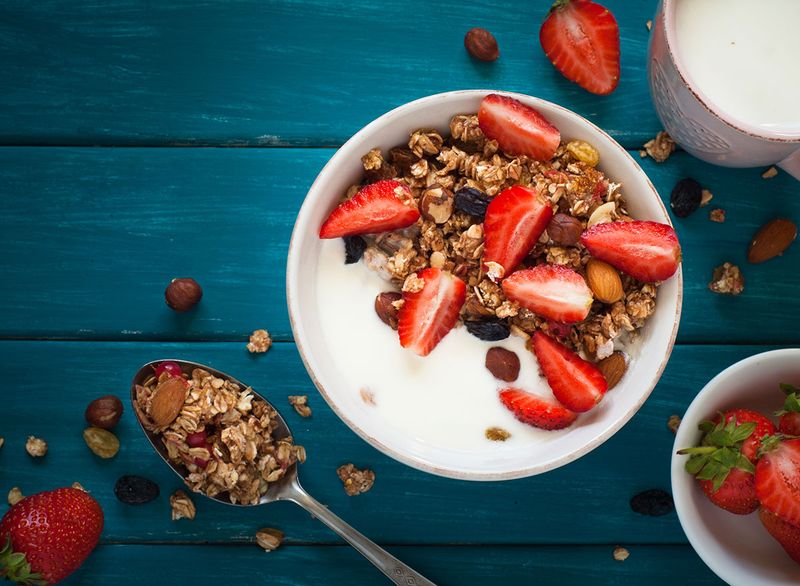
Crunchy clusters of oats and nuts sound wholesome, but commercial granola is often a sugar bomb in disguise. One small half-cup serving can contain 300+ calories and more sugar than a chocolate chip cookie!
Manufacturers load this breakfast staple with honey, maple syrup, or brown sugar to create those irresistible clumps. The high calorie density makes portion control nearly impossible – who actually measures out a quarter cup?
3. Dried Fruit
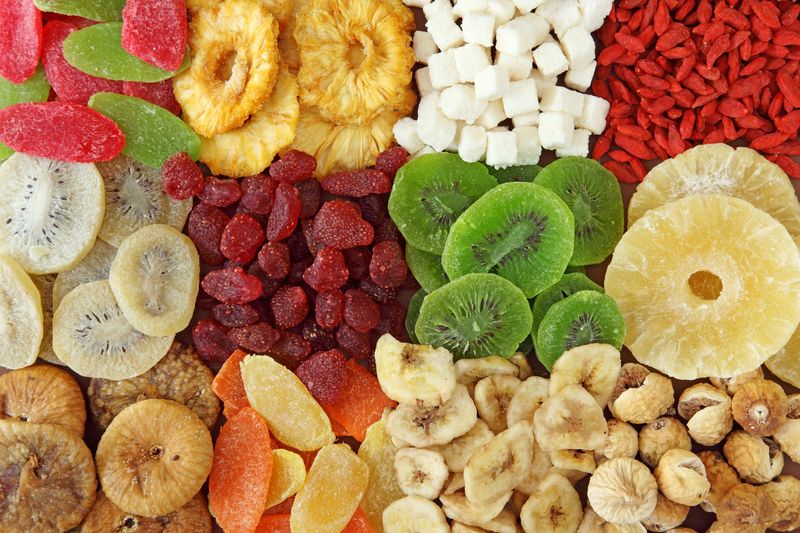
Raisins, dried mangoes, and banana chips seem like nature’s candy – and that’s exactly the problem. Without water content to fill you up, it’s easy to mindlessly munch through hundreds of calories in minutes.
The concentration process intensifies natural sugars, and many manufacturers add even more sugar during processing. Just a quarter cup of dried cranberries packs 29 grams of sugar – more than a Snickers bar!
4. Flavored Yogurt
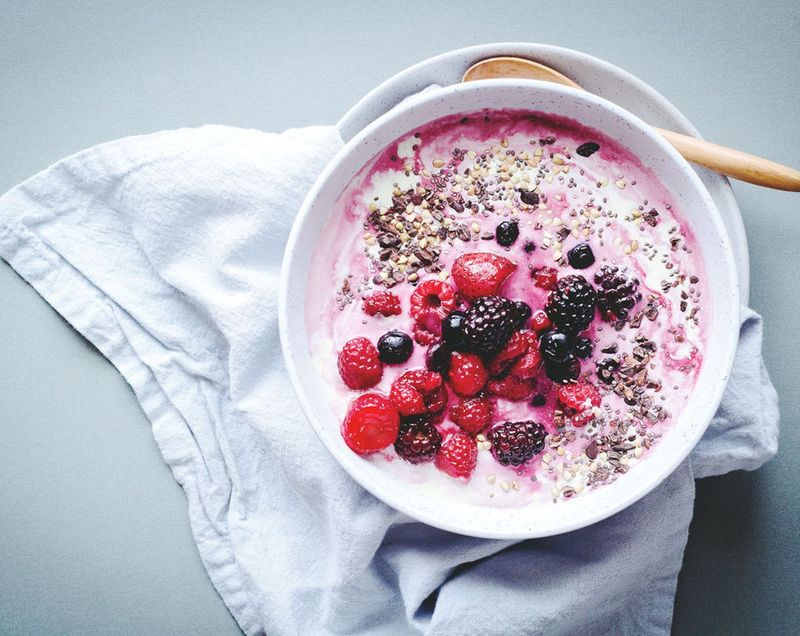
Greek yogurt gets praised as a protein powerhouse, but the flavored varieties are secret sugar vessels. A single cup of fruit-on-the-bottom yogurt can contain 23+ grams of sugar – that’s nearly 6 teaspoons! Food companies know plain yogurt’s tartness isn’t appealing to most palates.
Their solution? Add fruit preparations swimming in syrup, honey, or artificial sweeteners that keep you craving more. Stick with plain yogurt and add fresh berries or a teaspoon of honey if needed.
5. Trail Mix
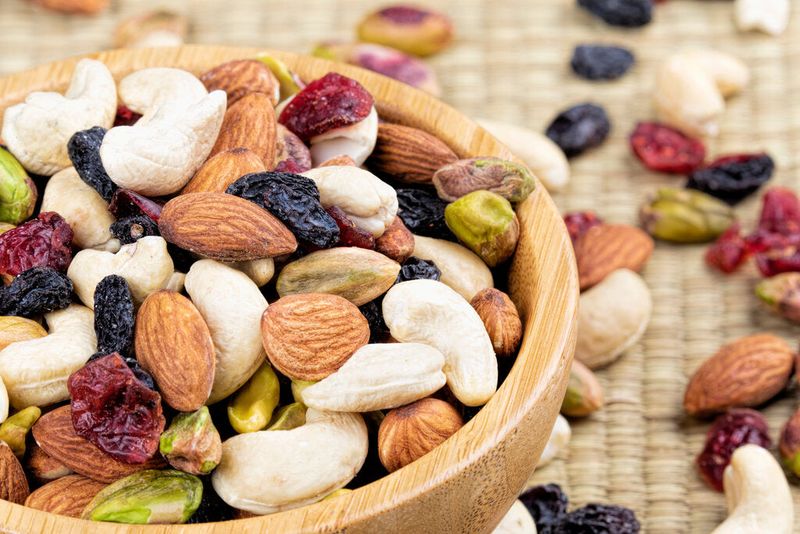
Hikers rely on trail mix for quick energy – precisely why it’s problematic for weight loss! Traditional mixes combine calorie-dense nuts with chocolate, dried fruit, and sometimes yogurt-covered treats into an easy-to-overeat snack.
A small handful delivers 150-200 calories, but who stops at one handful? The sweet-salty combination triggers reward centers in your brain, making it notoriously difficult to practice portion control.
6. Gluten-Free Packaged Foods
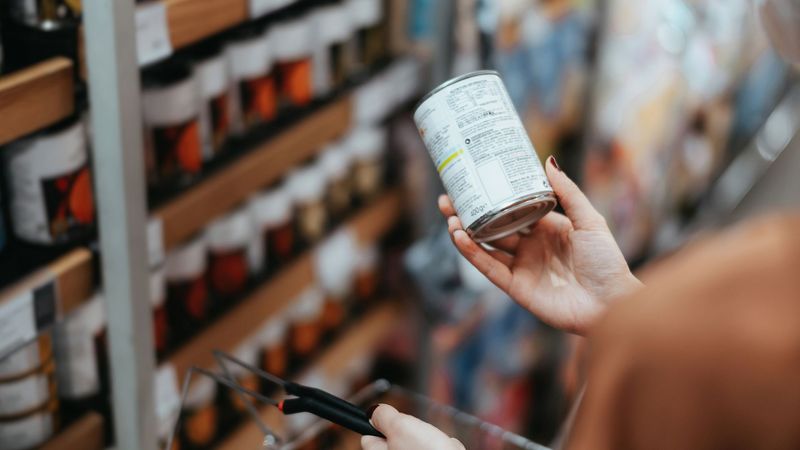
Gluten-free cookies aren’t healthier than regular cookies – shocking, right? Many people mistakenly believe anything labeled “gluten-free” automatically supports weight loss, but that’s marketing magic at work.
Manufacturers often add extra sugar, fat, and refined starches to compensate for texture differences when removing wheat. Gluten-free bread, pasta, and baked goods typically contain more calories and less fiber than their conventional counterparts.
7. Restaurant Salads
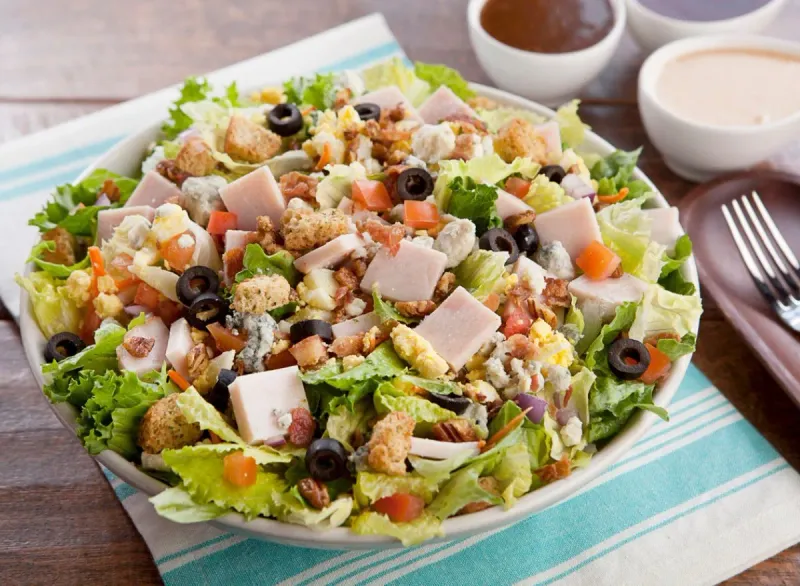
Ordering a salad feels virtuous until you realize that Cobb salad packs more calories than a cheeseburger! Restaurant salads often arrive drowning in high-calorie dressings, topped with cheese, croutons, bacon, and sweetened dried fruits.
The Southwest Chicken Salad at popular chains can exceed 1,000 calories – half a day’s worth for many people trying to lose weight. Those crispy tortilla strips and ranch dressing are sabotaging your green intentions.
8. Protein Bars
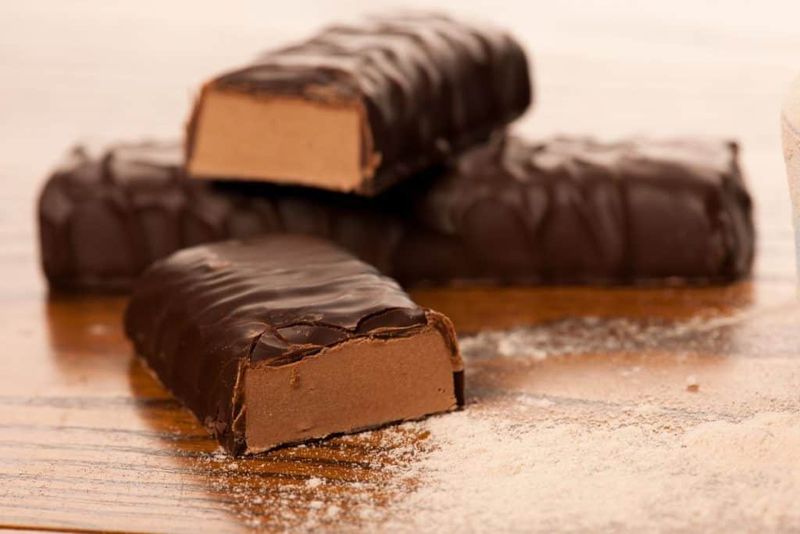
Marketing wizards have convinced us that protein bars are health food, but many are glorified candy bars in disguise. The average “fitness” bar contains 200-400 calories with sugar counts rivaling desserts.
Manufacturers pack these convenient snacks with sugar alcohols, syrups, and artificial ingredients to make them palatable. Even the high protein content can work against you – excess protein gets stored as fat if you’re not actively building muscle.
9. Low-Fat Peanut Butter
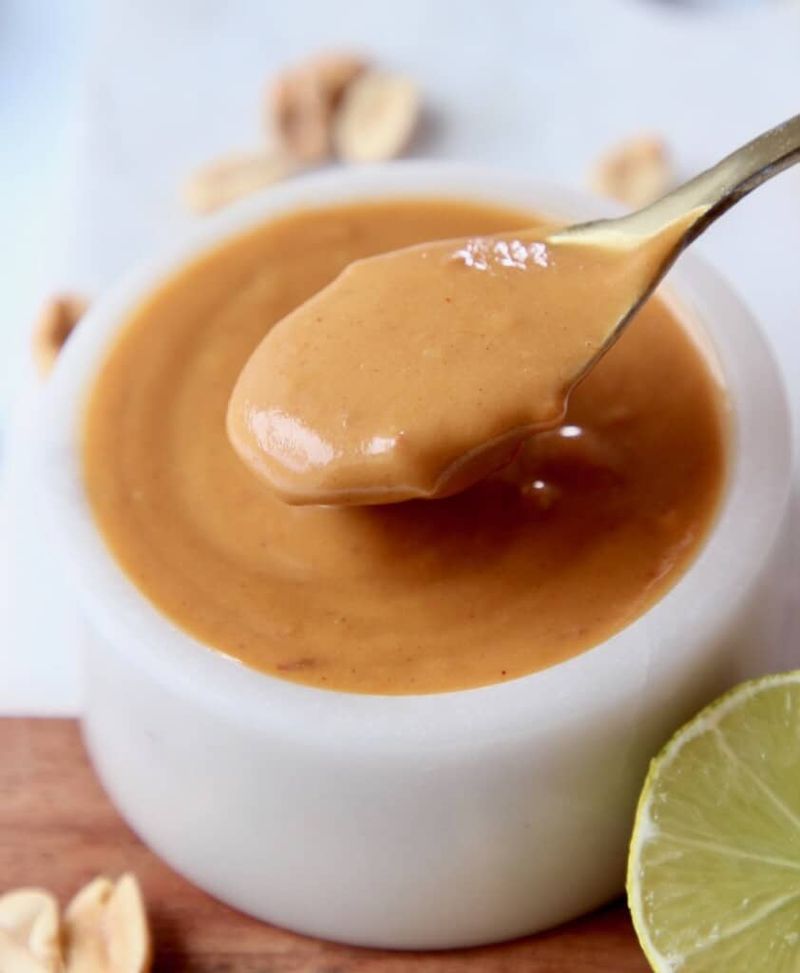
Regular peanut butter contains heart-healthy fats that keep you satisfied. When manufacturers remove that fat, they replace it with sugar and additives to maintain flavor, creating a product that’s less filling and potentially more harmful.
The healthy fats in natural peanut butter actually help control hunger hormones and blood sugar levels. Studies show people who consume moderate amounts of natural nut butters often maintain healthier weights than those who avoid them.
10. Bottled Teas
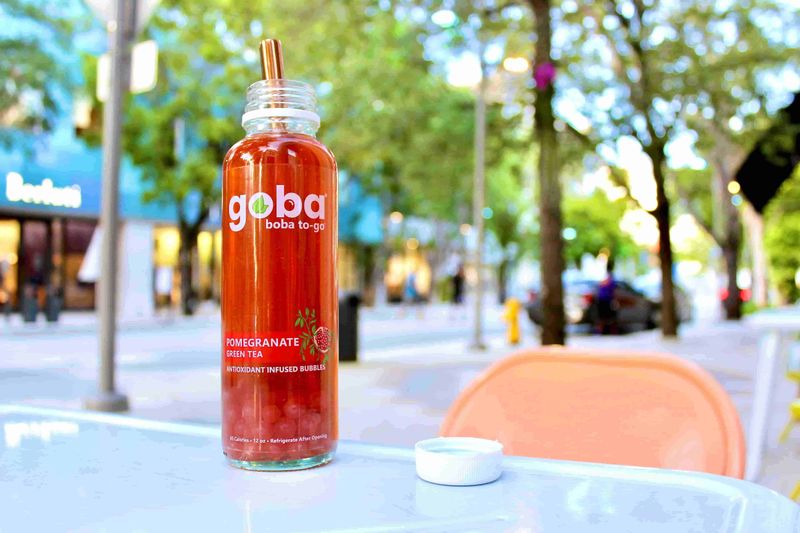
Green tea has legitimate weight loss benefits, but bottled versions are sugar water with tea flavoring. A 16-ounce bottle typically contains 30-50 grams of sugar – as much as a can of soda! The antioxidant benefits of tea get overshadowed by the insulin spike from added sweeteners.
Even “diet” versions with artificial sweeteners may increase cravings and alter gut bacteria in ways that promote weight gain. Brew your own tea at home and drink it unsweetened or with a small amount of honey.
11. Multigrain Bread
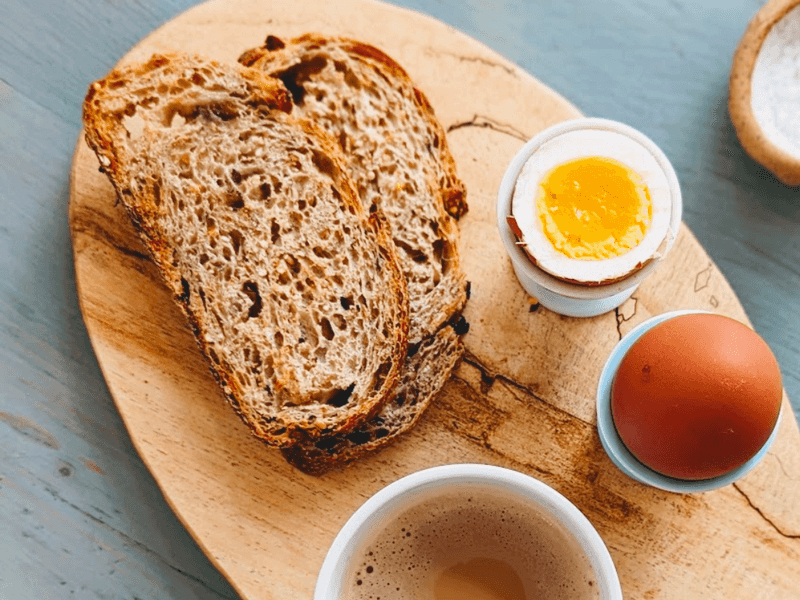
“Multigrain” sounds healthy but often means “multiple refined grains” with minimal fiber. Food manufacturers know health-conscious shoppers look for whole grains, so they use misleading terms to sell what’s essentially white bread with some seeds sprinkled on top.
True whole grain bread lists “whole wheat flour” as the first ingredient and provides at least 3 grams of fiber per slice. Many multigrain breads use enriched flour (a refined product) and add molasses or caramel color to create a wholesome appearance.
12. Diet Soda
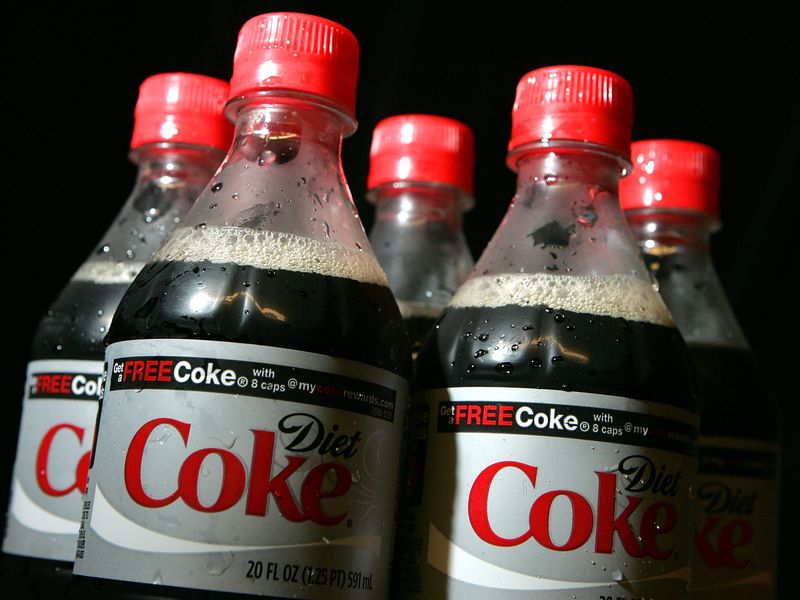
Zero calories should mean zero impact on weight, right? Science suggests otherwise. People who regularly consume artificial sweeteners often show altered gut bacteria, increased sugar cravings, and paradoxically, higher BMIs than non-consumers.
Your brain gets confused when it tastes sweetness but receives no calories. This disconnection may increase hunger hormones and lead to compensatory eating later in the day.
13. Coffee Shop Drinks
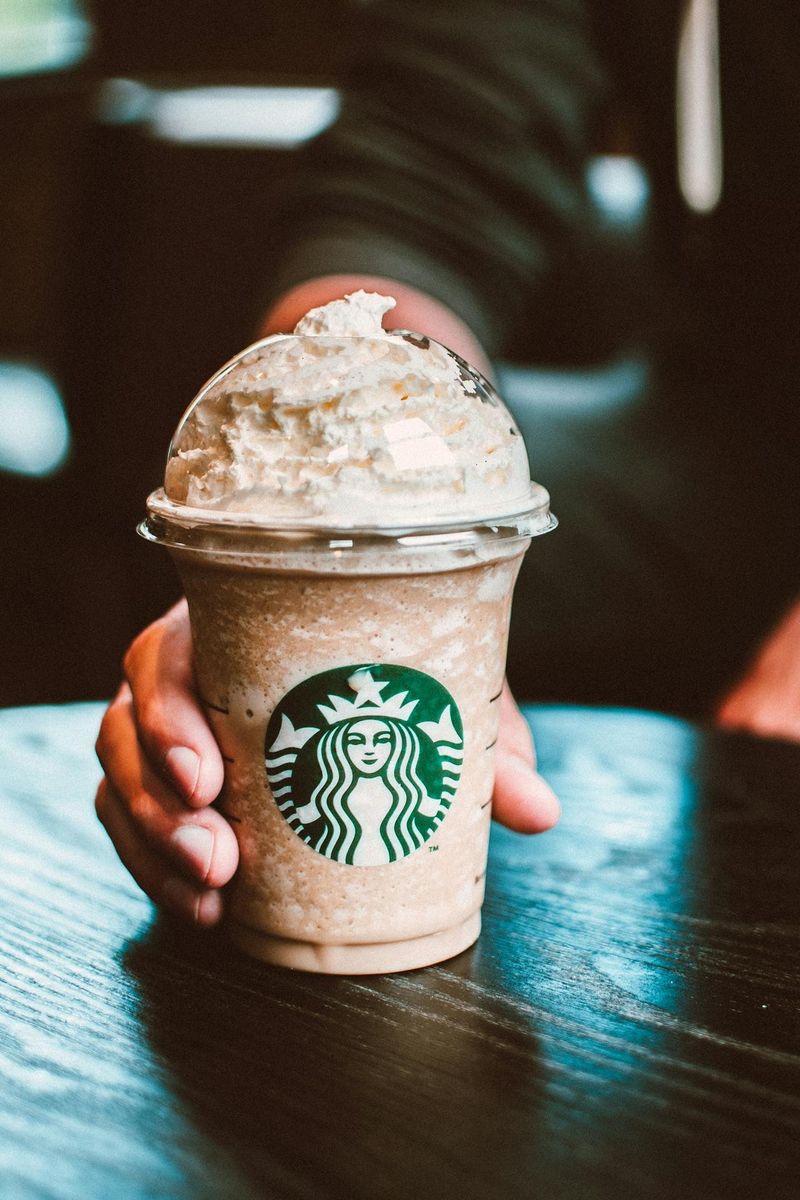
That morning “coffee” might actually be a milkshake in disguise. A large flavored latte can contain 400+ calories and 50+ grams of sugar – nearly double the recommended daily sugar limit in one cup!
Whipped cream, flavored syrups, and whole milk transform a potentially healthy beverage into a dessert. Even seemingly innocent options like chai tea lattes pack surprising amounts of hidden sugars. Stick with black coffee or espresso with a splash of milk.
14. Agave Nectar

Health food stores promote agave as a “natural sweetener,” but it’s highly processed and contains more fructose than high-fructose corn syrup. Unlike glucose, which can be used by every cell in your body, fructose must be processed by your liver.
High fructose consumption is linked to increased belly fat, insulin resistance, and elevated triglycerides. The “low glycemic” claim is misleading – while agave doesn’t spike blood sugar immediately, the fructose overload may cause more metabolic harm long-term.
15. Baked Vegetable Chips
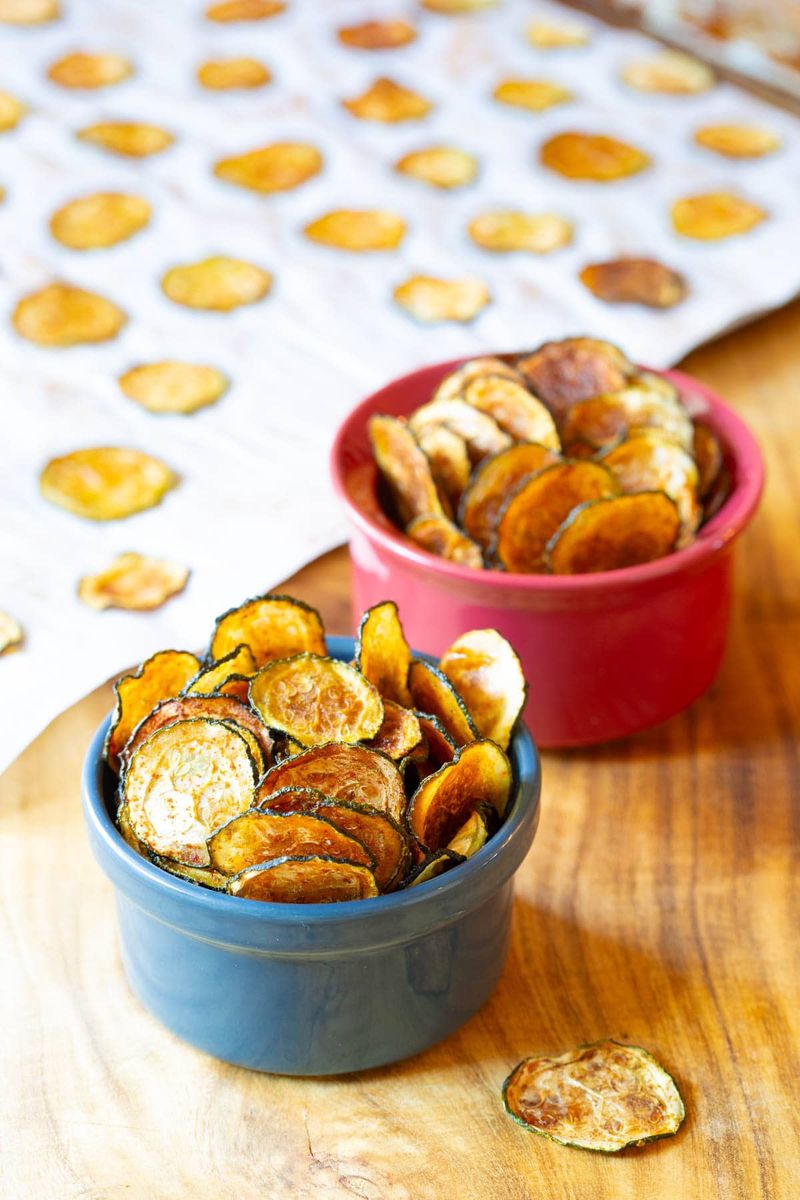
Marketing phrases like “baked not fried” create a health halo that doesn’t match nutritional reality. Baked chips typically contain only 10-15% fewer calories than their fried counterparts – not the significant difference most people assume.
The vegetable content is often minimal, with potato or corn flour as the main ingredient. The baking process may reduce fat slightly but doesn’t transform these crunchy snacks into nutritional powerhouses.
16. Coconut Water With Added Sugars
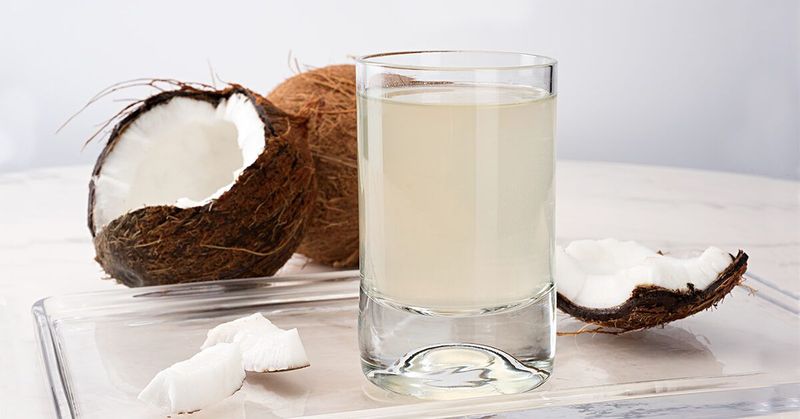
Marketed as nature’s sports drink, coconut water seems like a healthy choice. But many commercial brands secretly add extra sugars and flavors that transform this tropical drink into a calorie bomb. The original, pure coconut water contains natural electrolytes and moderate calories.
However, the flavored varieties can pack up to 15 grams of added sugar per serving – that’s almost 4 teaspoons! Always check labels for terms like “pure” or “100% coconut water” without added ingredients.
17. Cauliflower Pizza Crust
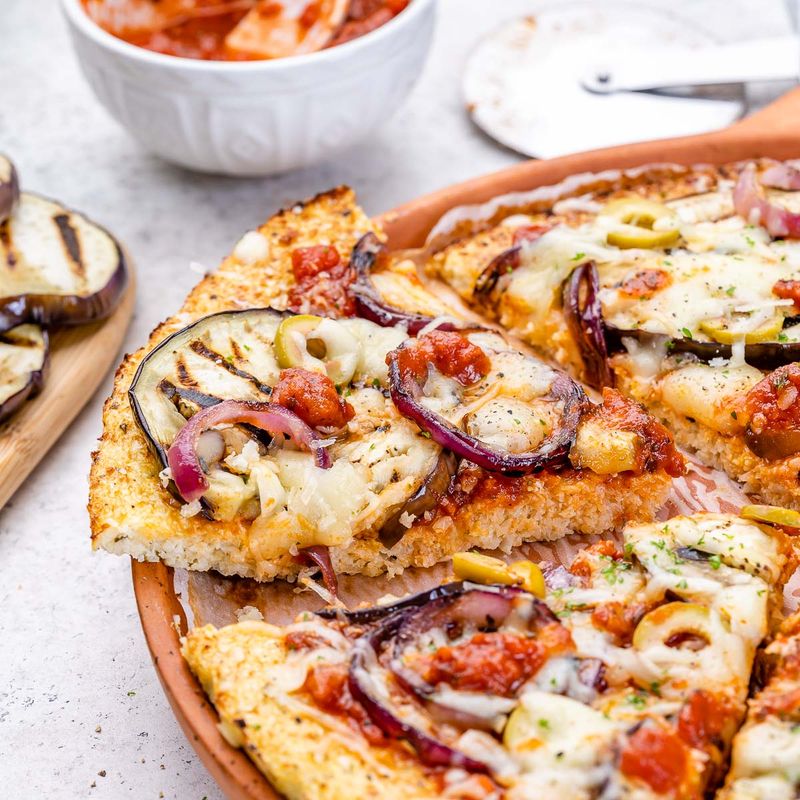
The veggie-based alternative sounds like a dieter’s dream – all the pizza satisfaction with fewer carbs! Unfortunately, many store-bought cauliflower crusts contain surprising amounts of cheese, oils, and even regular flour as binding agents.
A single serving can deliver nearly the same calories as traditional pizza crust, but with the health halo that tricks you into eating more. Many brands pack in 300+ calories before you even add toppings! If cauliflower crust is your thing, try making it at home where you control the ingredients.