
20 Foods That Have More Vitamin C Than An Orange
When we think about vitamin C, oranges usually come to mind first. But did you know many foods actually pack more of this immune-boosting nutrient than our favorite citrus fruit?
A medium orange contains about 70 mg of vitamin C, which is impressive—but not the highest around.
Let’s explore 20 surprising foods that deliver an even bigger vitamin C punch than oranges!
1. Red Bell Peppers
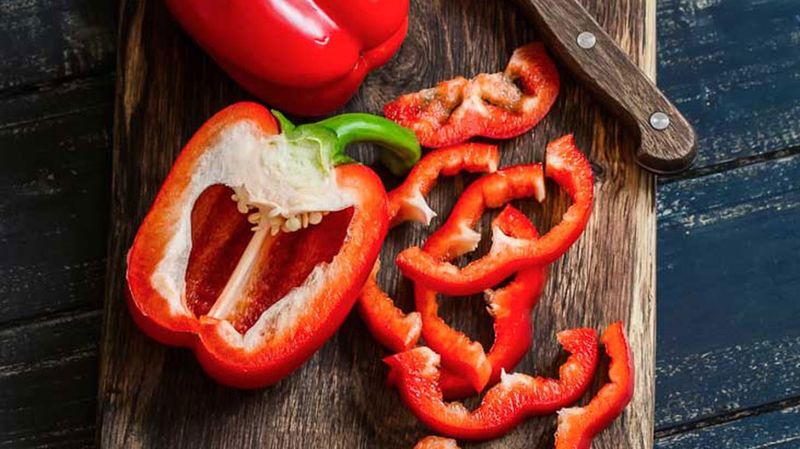
One cup of chopped red bell peppers contains a whopping 190 mg of vitamin C—that’s nearly three times what you’d get from an orange! These colorful veggies add sweet crunch to salads and stir-fries while supercharging your immune system.
Unlike their green cousins, red peppers have ripened longer on the vine, developing more nutrients and natural sweetness.
2. Guavas
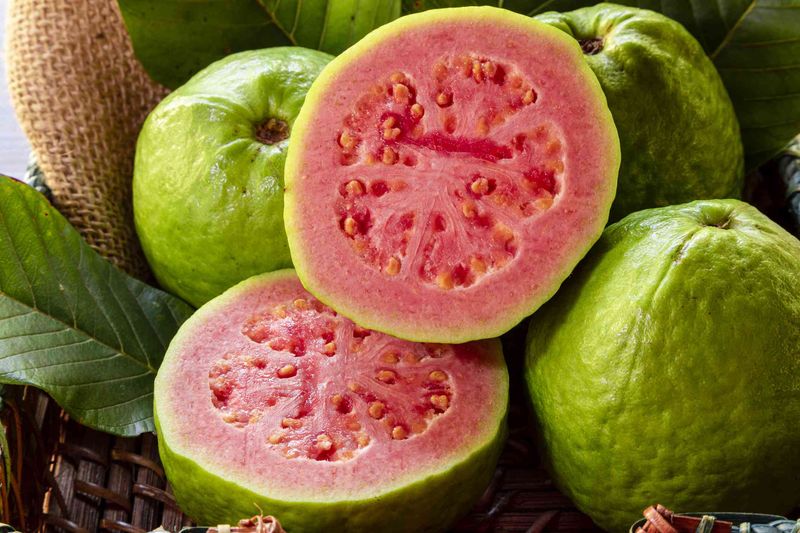
Tropical superstar alert! A single guava packs about 125 mg of vitamin C, making it a nutritional powerhouse compared to oranges. The entire fruit is edible—skin, seeds and all—though many prefer to scoop out the sweet pink or white flesh.
Native to Central America, these fragrant fruits also deliver fiber, potassium, and lycopene for a total health boost.
3. Kiwi Fruits
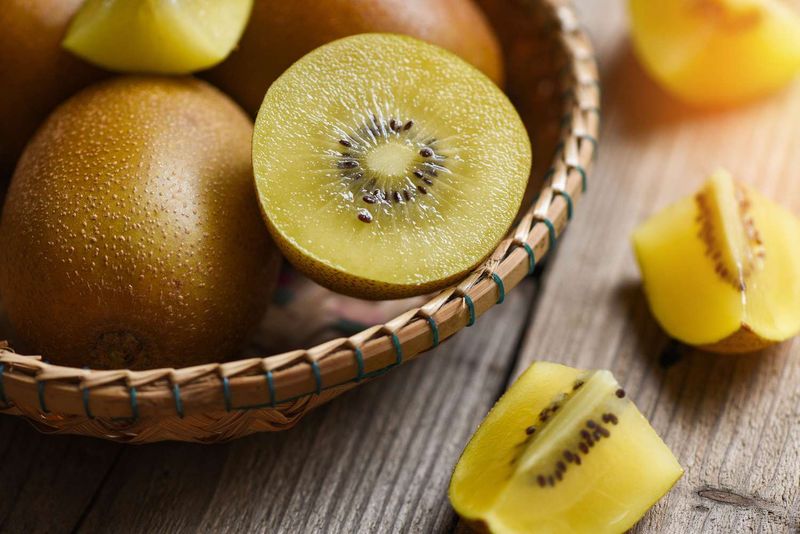
Don’t let their small size fool you! Two medium kiwis deliver about 137 mg of vitamin C, easily outperforming an orange. These fuzzy little fruits originated in China before becoming New Zealand’s claim to fame.
The emerald flesh studded with tiny black seeds isn’t just pretty—it’s packed with fiber, potassium, and folate too.
4. Broccoli
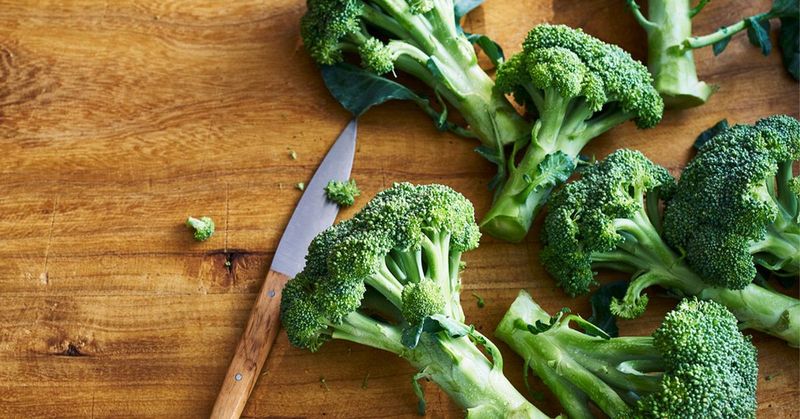
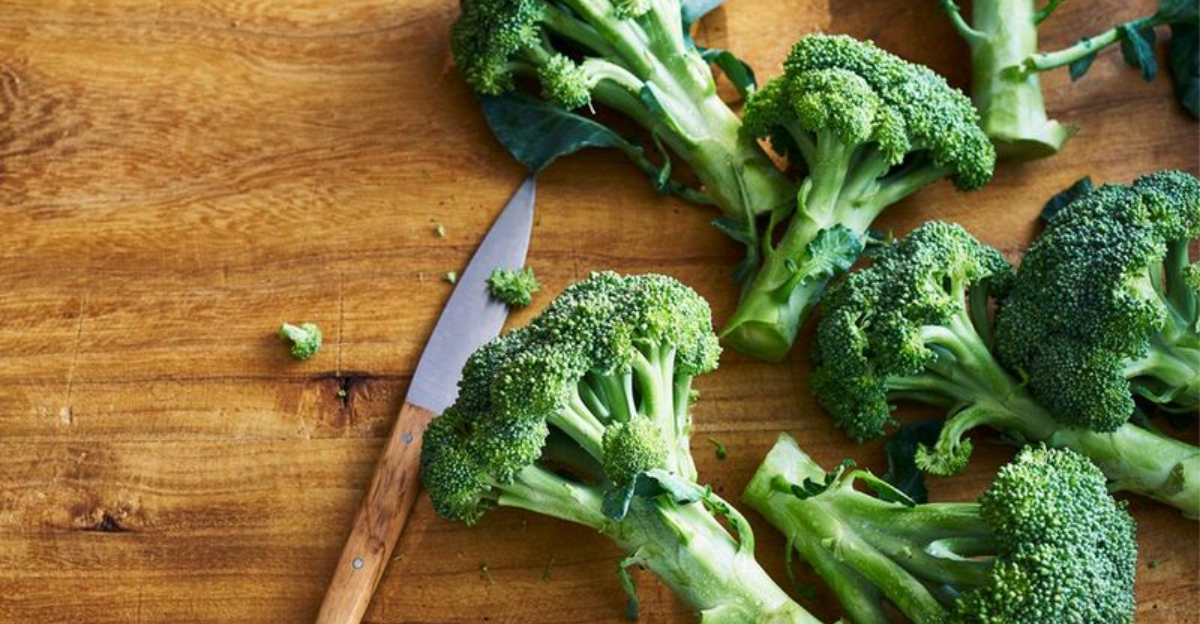
Mama was right about eating your broccoli! A cup of cooked broccoli contains around 82 mg of vitamin C, edging out the average orange.
This cruciferous veggie belongs to the cabbage family and was engineered by Italian farmers. Beyond vitamin C, it offers cancer-fighting compounds and enough vitamin K to meet your daily needs in just one serving.
5. Strawberries
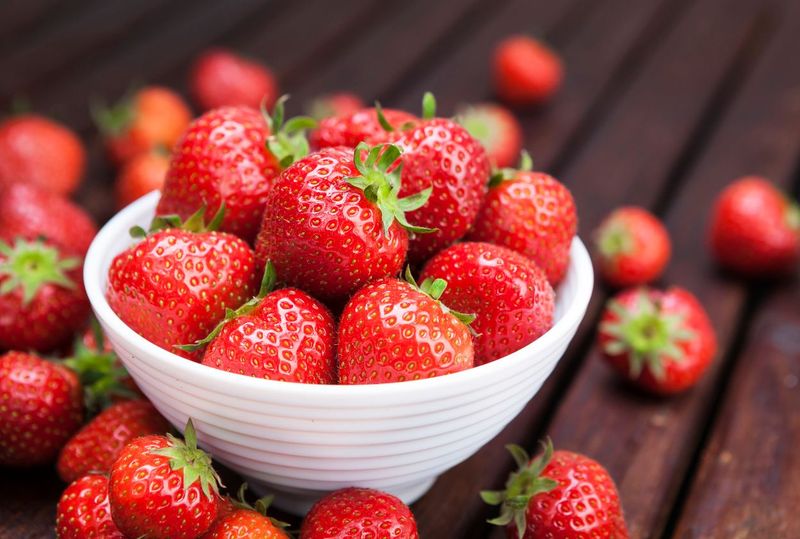
Berry delicious news! One cup of sliced strawberries provides about 98 mg of vitamin C—significantly more than an orange. These heart-shaped gems are technically not berries at all, but rather “aggregate fruits” with their seeds on the outside.
Ancient Romans believed strawberries could treat everything from depression to fever, and modern science confirms they’re packed with antioxidants.
6. Papaya
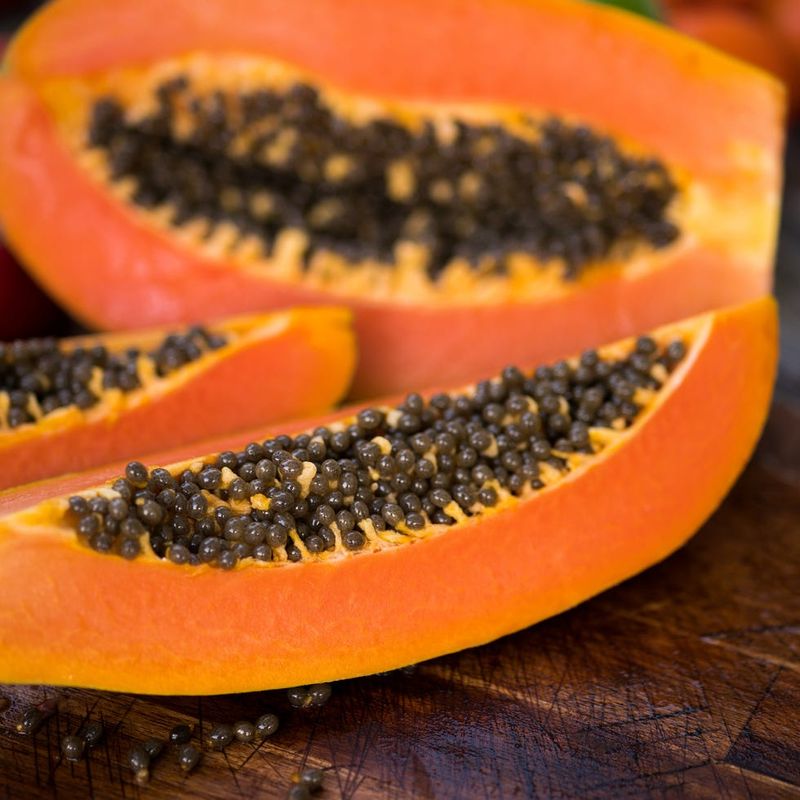
One cup of papaya cubes delivers approximately 88 mg of vitamin C, comfortably surpassing an orange. This tropical treasure also contains papain, an enzyme that helps digest proteins.
Christopher Columbus reportedly called papaya the “fruit of the angels.” With its buttery texture and sunset-colored flesh, this Mexican native fruit also provides folate, potassium, and vitamin A.
7. Brussels Sprouts
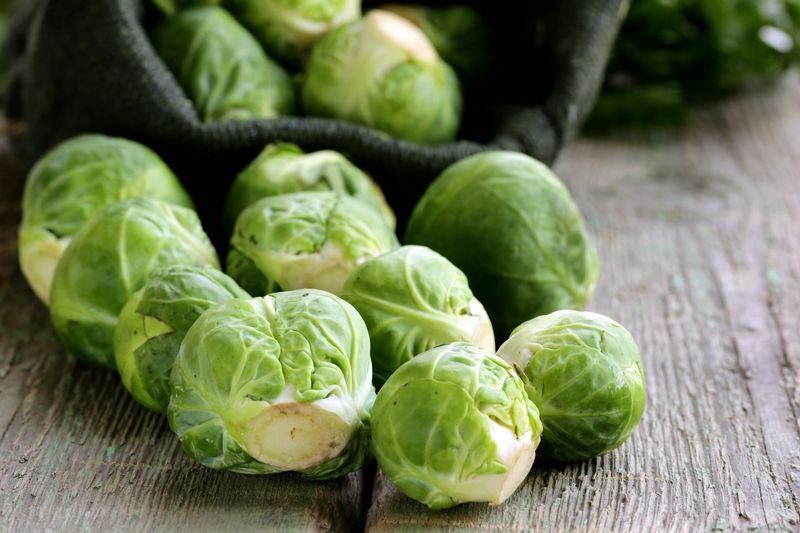
The comeback veggie! One cup of cooked Brussels sprouts contains about 75 mg of vitamin C, beating out an orange while providing cancer-fighting compounds. These mini-cabbages got their name from Brussels, Belgium, where they gained popularity in the 16th century.
Roasting them with a touch of honey transforms these formerly feared veggies into caramelized bites of nutritional gold.
8. Kale
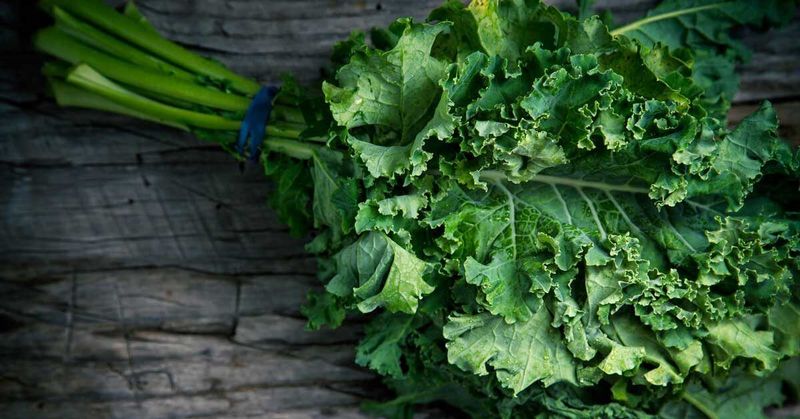
All hail kale! One cup of raw kale packs about 80 mg of vitamin C—more than your average orange. This leafy superstar has been cultivated for over 2,000 years.
Ancient Romans and Greeks grew kale as a food crop. Beyond vitamin C, it offers vitamin K, vitamin A, and manganese. Massage raw kale with a bit of olive oil to break down its tough fibers for tastier salads.
9. Lychees
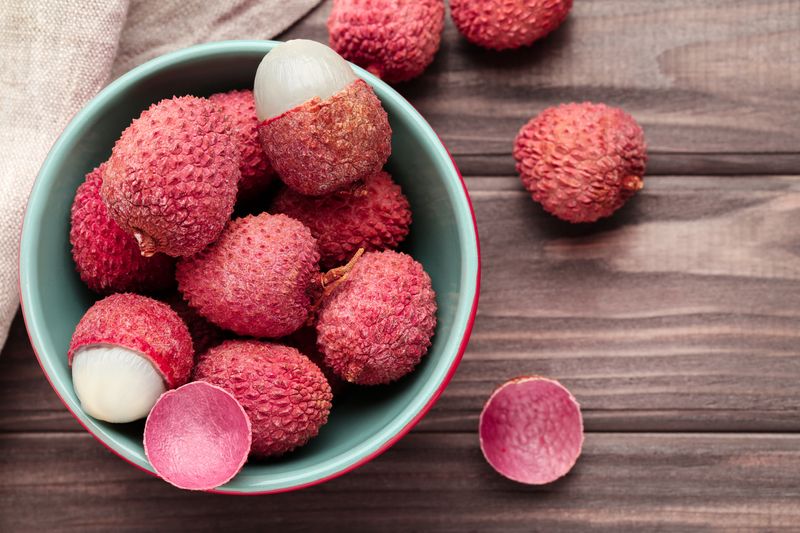
These tiny treasures pack a powerful punch! Ten lychee fruits provide about 72 mg of vitamin C, slightly more than an orange. With their bumpy red shells hiding translucent white flesh, lychees have been prized in China for over 2,000 years.
Emperor Tang of the Tang Dynasty was so obsessed with lychees that he had them delivered by fast horsemen from southern China!
10. Pineapple
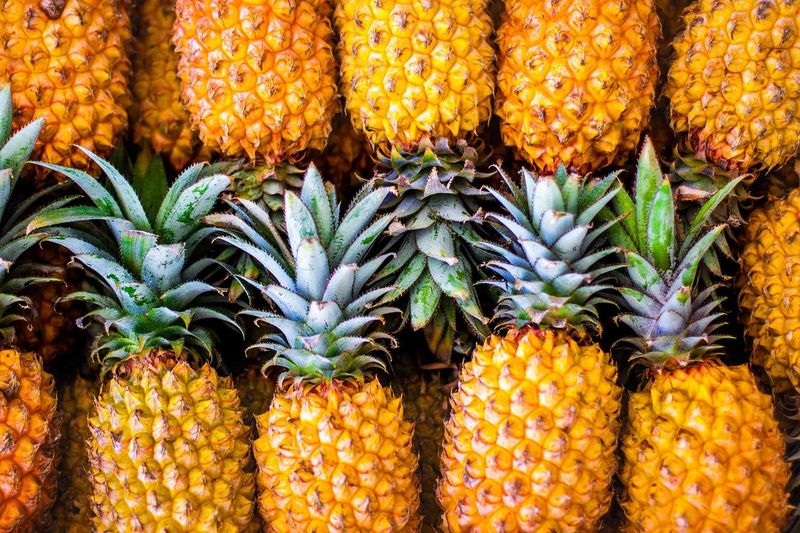
Tropical delight! One cup of pineapple chunks contains about 79 mg of vitamin C, edging past the orange while delivering digestive enzymes. Christopher Columbus brought this spiky fruit back to Europe after finding it in Guadeloupe.
The name comes from its resemblance to pine cones. Beyond vitamin C, pineapple contains bromelain, an enzyme mixture that helps reduce inflammation and aids digestion.
11. Chili Peppers
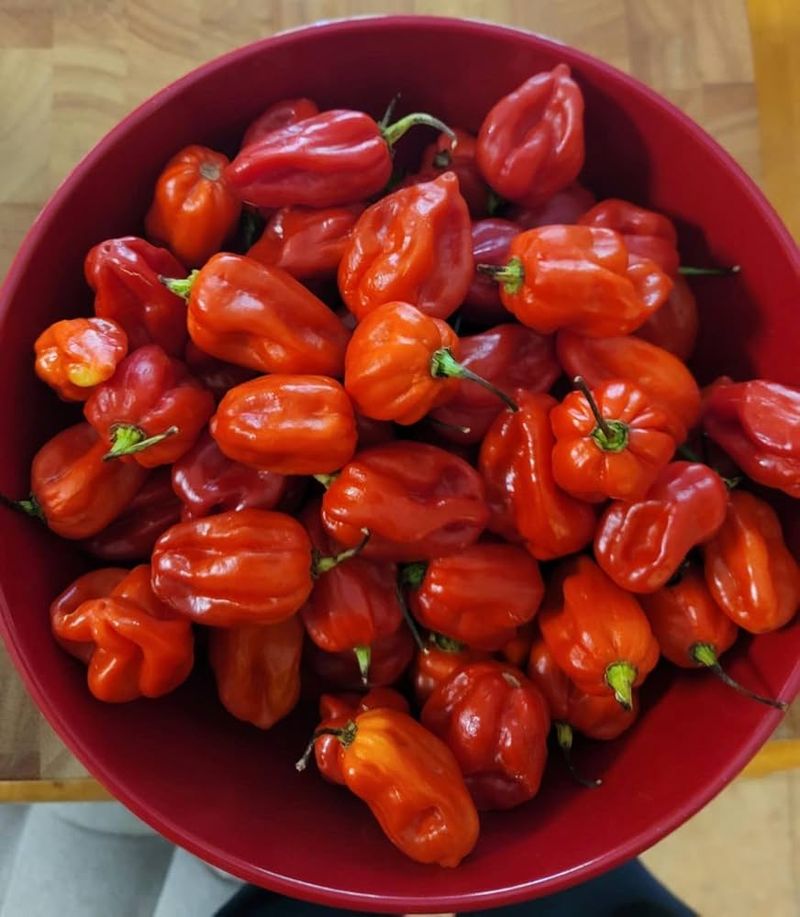
Feeling hot, hot, hot! A single red chili pepper contains about 65-80 mg of vitamin C, depending on the variety—comparable to or exceeding an orange. The heat comes from capsaicin, which has pain-relieving properties.
Indigenous peoples of Mexico have been using chili peppers for over 6,000 years both as food and medicine. Some varieties, like habaneros, pack even more vitamin C!
12. Mustard Greens
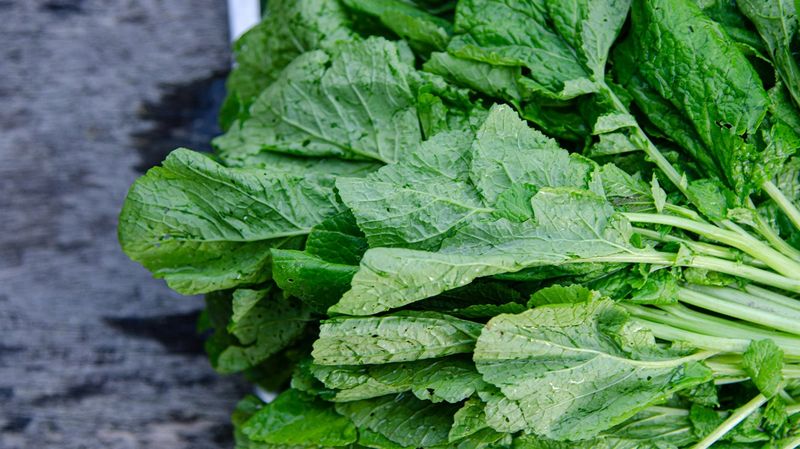
Surprise nutritional powerhouse! One cup of cooked mustard greens provides around 117 mg of vitamin C—significantly more than an orange. These peppery leaves have been enjoyed for thousands of years across Asia and the Mediterranean.
Popular in Southern cooking, they deliver calcium, folate, and vitamin K alongside their impressive vitamin C content. Sauté them with garlic for a nutritional side dish.
13. Thyme

Herb alert! Just two tablespoons of fresh thyme contain about 14 mg of vitamin C, which sounds small until you calculate it per gram—making it higher than oranges by weight!
Ancient Egyptians used thyme in their embalming practices. This aromatic herb contains thymol, which has antimicrobial properties. Add it to roasted vegetables or soups for both flavor and an unexpected vitamin boost.
14. Kohlrabi
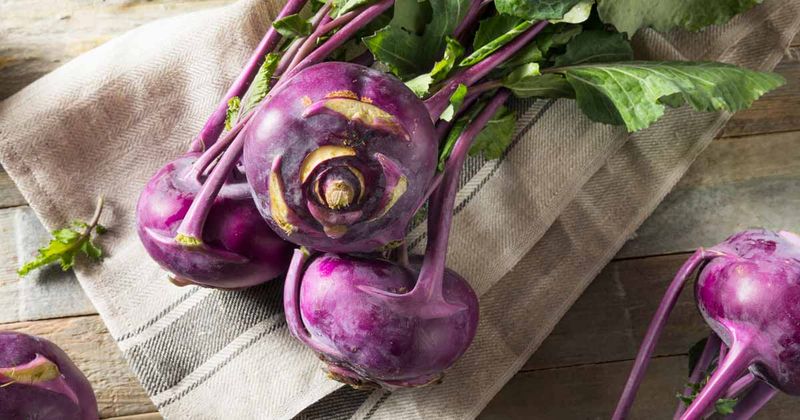
This alien-looking veggie delivers about 84 mg of vitamin C per cup when eaten raw—comfortably surpassing an orange. The name means “cabbage turnip” in German, perfectly describing its flavor profile.
Both the bulb and leaves are edible and nutritious. This underappreciated cruciferous vegetable is related to cabbage and brussels sprouts, providing similar cancer-fighting compounds along with potassium and fiber.
15. Persimmons
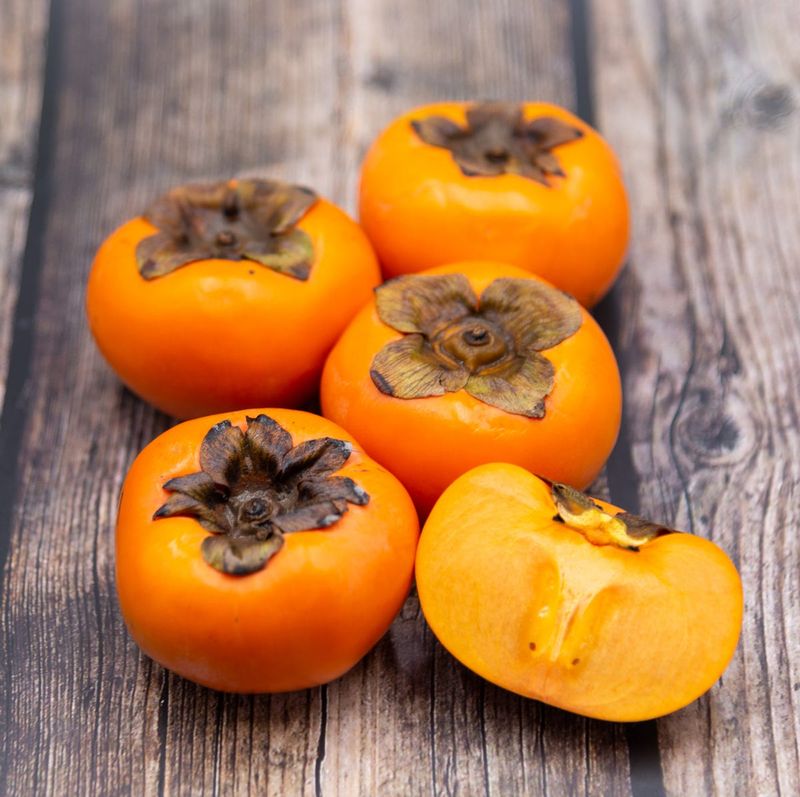
Sweet surprise! One persimmon contains about 16 mg of vitamin C, but eat a few and you’ll quickly surpass an orange’s content. The word “persimmon” comes from the Algonquian language, meaning “dry fruit.”
These sunset-colored fruits become sweeter after the first frost. Japanese varieties are typically eaten while firm, while American persimmons must be fully ripened to avoid their famously astringent pucker power!
16. Cauliflower
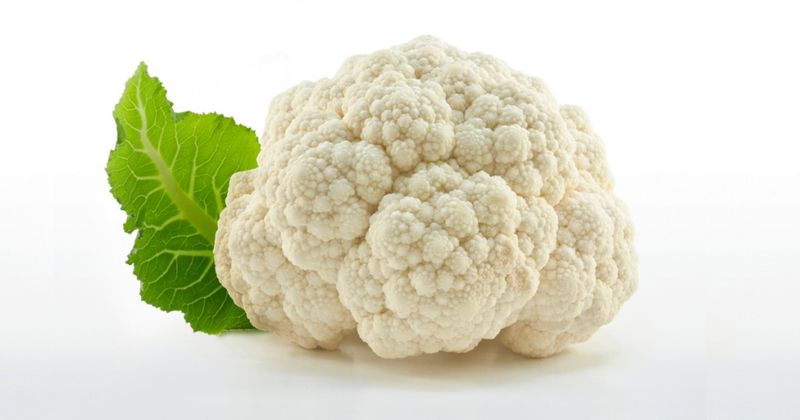
White doesn’t mean nutritionally empty! One cup of raw cauliflower provides about 77 mg of vitamin C, surpassing the average orange. Mark Twain called cauliflower “cabbage with a college education.”
This versatile veggie can be riced, roasted, mashed or even turned into pizza crust. It belongs to the same family as broccoli and kale, sharing their cancer-fighting compounds.
17. Snow Peas
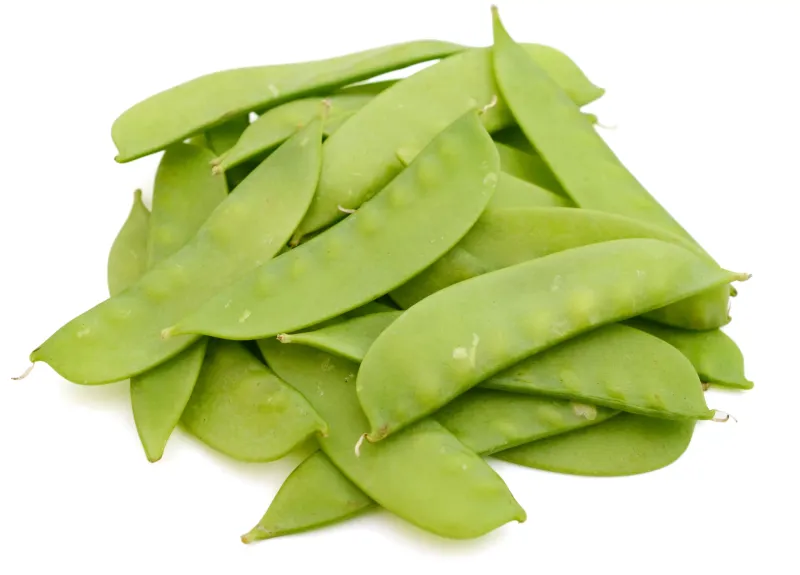
Crunch factor! One cup of raw snow peas contains about 77 mg of vitamin C, exceeding what you’d get from an orange. Unlike regular peas, these flat pods are meant to be eaten whole—pod and all.
They’ve been cultivated in Europe since the 19th century but originated in the Mediterranean and Middle East. Their sweet flavor and crisp texture make them perfect for stir-fries and salads.
18. Litchis
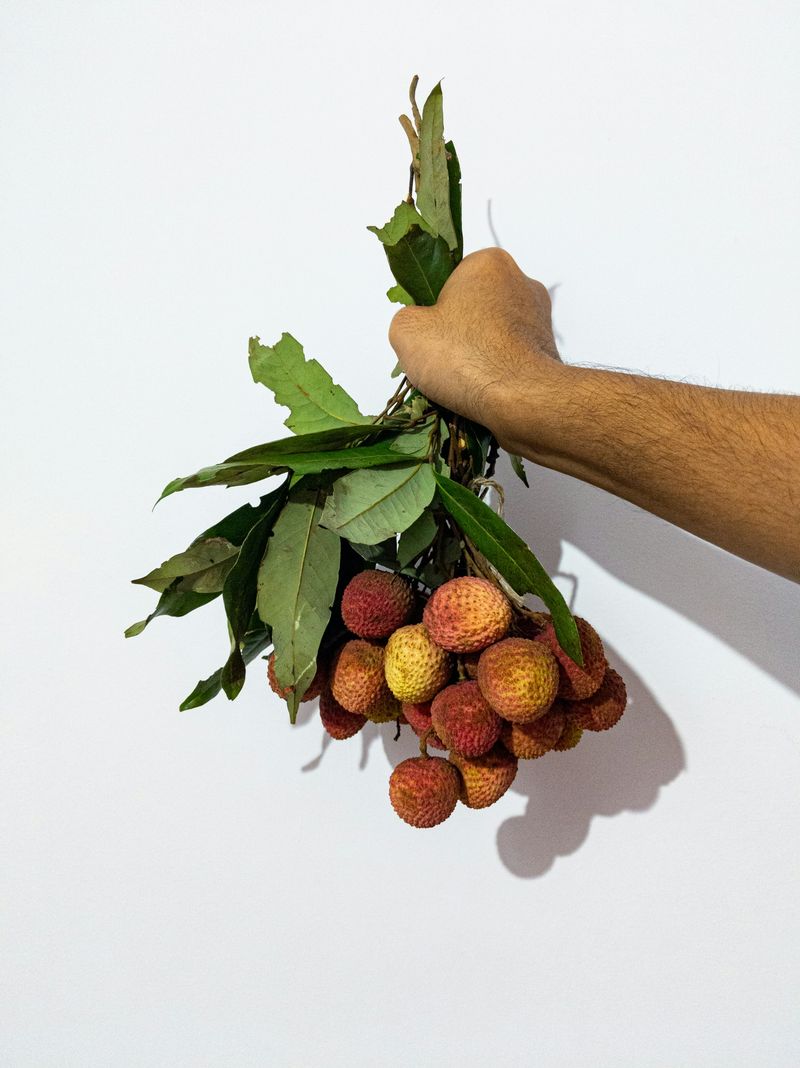
Another name for lychees, these juicy gems provide about 72 mg of vitamin C in a serving of 10 fruits—edging past an orange. Cultivated in China since 2000 BCE, litchis were once considered so valuable they were used as tribute to emperors.
The delicate white flesh has a floral sweetness often compared to roses. Beyond vitamin C, they provide copper, potassium, and antioxidant compounds.
19. Cantaloupe
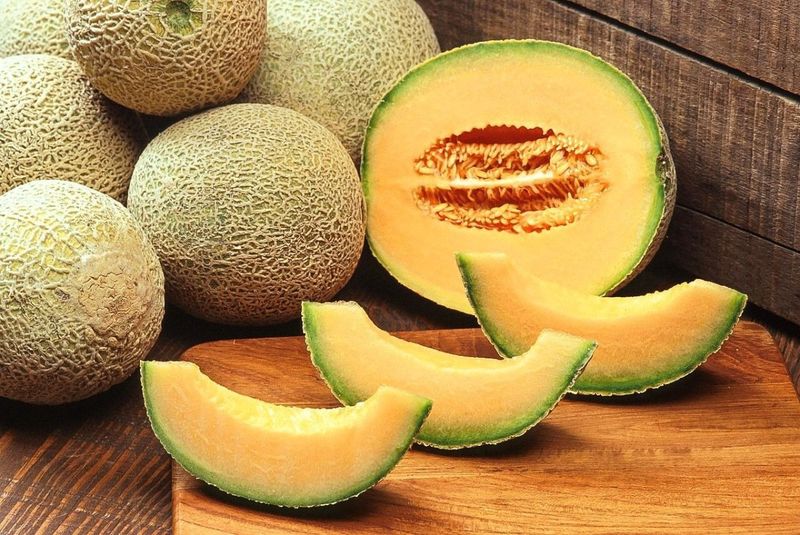
Orange goodness! One cup of cantaloupe cubes delivers about 77 mg of vitamin C, surpassing an orange while providing only 60 calories. This melon got its name from the Italian town of Cantalupo, where it was first cultivated in Europe.
Its bright orange flesh signals high beta-carotene content alongside vitamin C. Fun fact: cantaloupe seeds can be roasted like pumpkin seeds for a nutritious snack!
20. Elderberries

Ancient immune boosters! One cup of elderberries contains about 87 mg of vitamin C, handily beating an orange while delivering powerful antioxidants. Hippocrates called the elder tree his “medicine chest.”
Deep purple berries must be cooked before eating (raw ones can cause stomach upset). Native Americans have used elderberry for centuries to treat fevers and joint pain.