10 Foods Most Likely To Give You Food Poisoning This Summer (And How To Avoid The Risk)
Summer cookouts and picnics bring delicious treats, but they also create perfect conditions for bacteria to multiply in your favorite foods. Hot temperatures combined with outdoor serving make certain dishes particularly risky for foodborne illness.
Understanding which foods pose the greatest threat can help you make safer choices and protect your family from spending vacation days stuck in the bathroom – or worse, the hospital.
1. Burgers
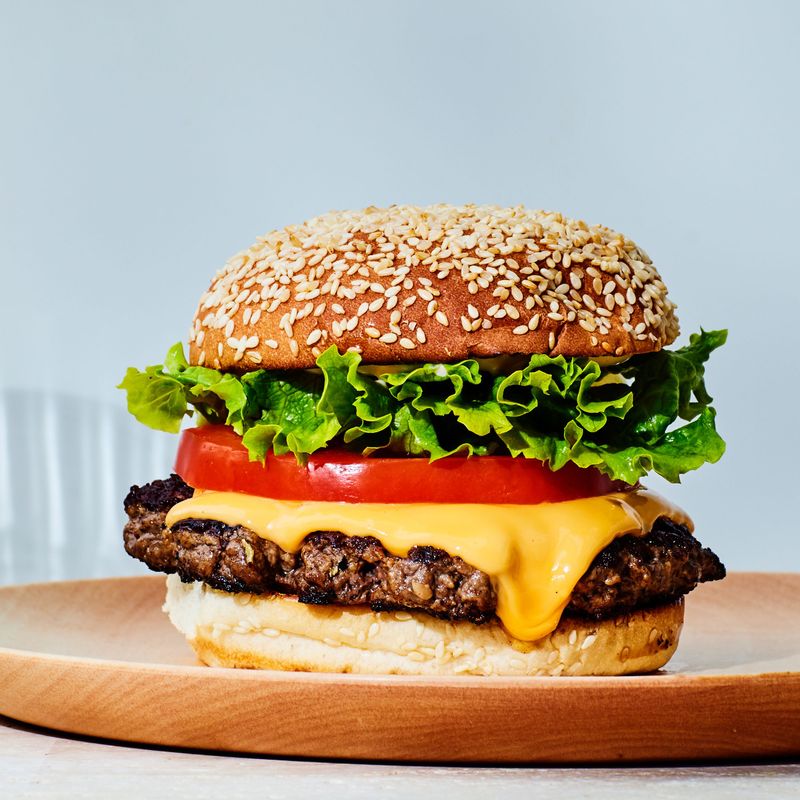
Ground beef harbors bacteria throughout the entire patty, unlike steaks where germs stay on the surface. That pink center in your medium-rare burger? It’s basically a bacterial playground!
The USDA recommends cooking all ground beef to 160°F – no exceptions. Don’t trust your eyes; invest in a meat thermometer. Those few extra minutes of cooking could save you days of misery.
2. Chicken
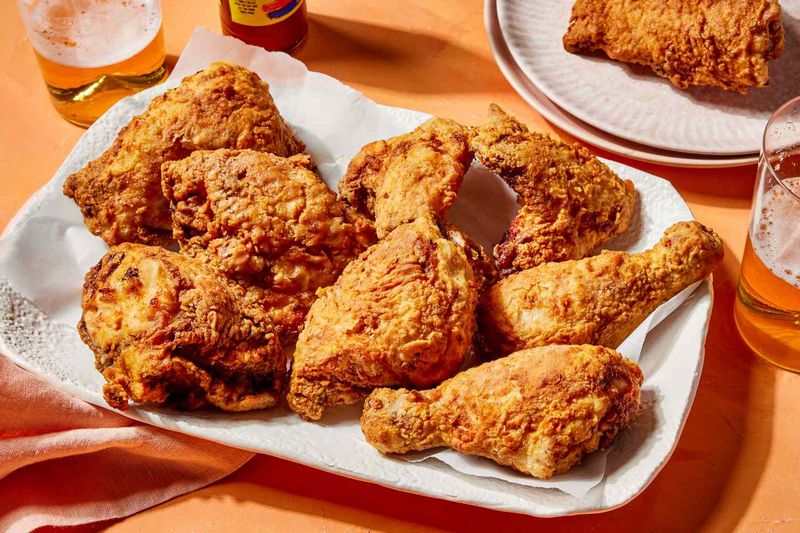
Raw poultry practically oozes with salmonella and campylobacter. Left sitting in summer heat, these microscopic monsters multiply faster than rabbits! A single contaminated drumstick can turn your barbecue into a hospital reunion.
Always cook chicken to 165°F throughout. Cross-contamination is your enemy here – those tongs that touched raw chicken should never touch anything else without a thorough washing.
3. Salads And Fruit Plates
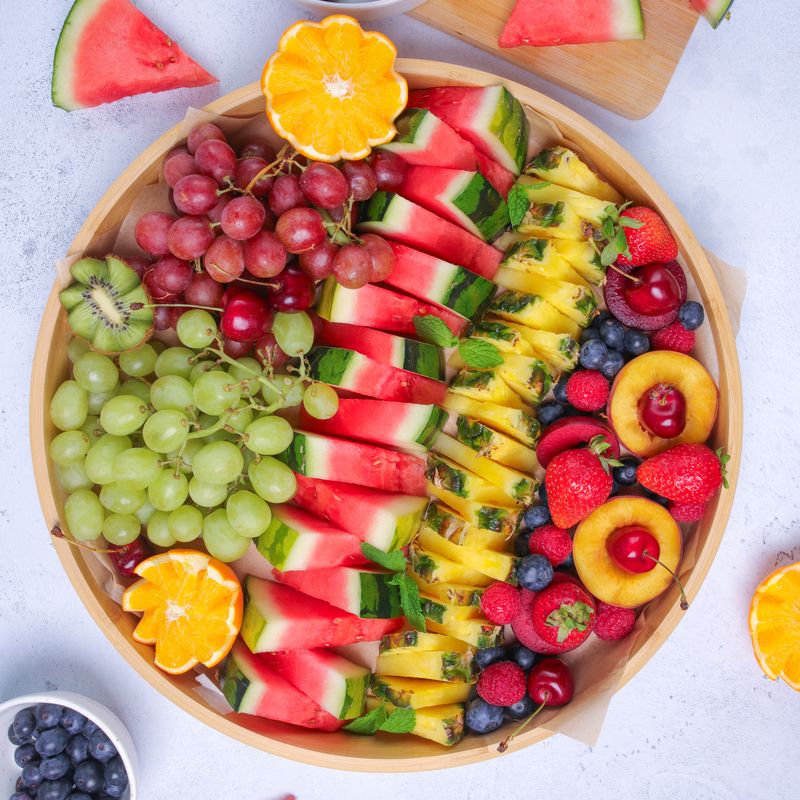
Fresh produce might seem innocent, but leafy greens have caused more food poisoning outbreaks than you’d expect! E. coli and listeria love to hide in those crisp leaves and juicy melons, especially when pre-cut at stores.
Wash all produce thoroughly under running water – even the pre-washed kinds. A gentle scrub with a vegetable brush helps remove invisible pathogens clinging to surfaces.
4. Hot Dogs
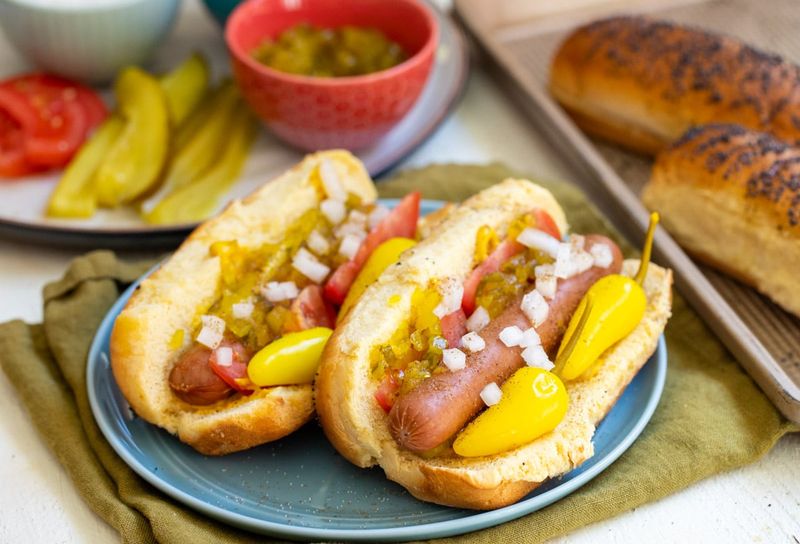
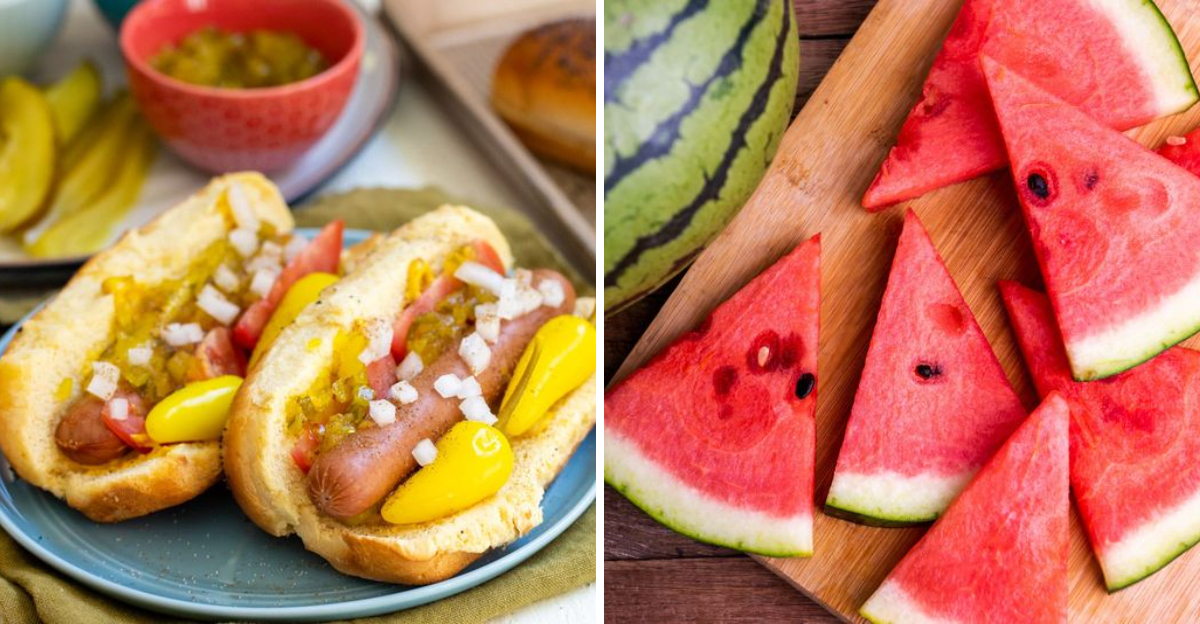
Surprise! Those fully-cooked franks aren’t as safe as you think. Listeria monocytogenes can contaminate hot dogs after processing but before packaging. This nasty bug thrives in refrigerator temperatures and particularly threatens pregnant women and those with weakened immune systems.
Heat hot dogs until steaming hot (165°F) before eating – lukewarm dogs are danger dogs! The package might say “fully cooked,” but treat them like raw meat anyway.
5. Deviled Eggs
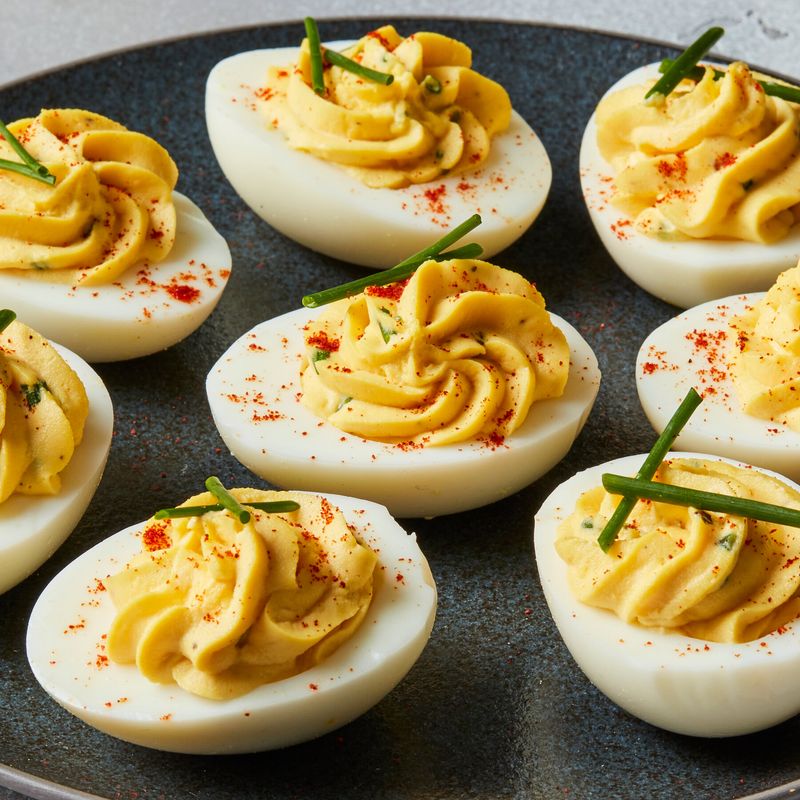
These party favorites turn deadly when left baking in the sun! Eggs naturally contain salmonella, and that creamy filling creates the perfect environment for bacteria to throw a wild reproduction party.
Keep deviled eggs refrigerated until serving time, then place them on ice. The clock starts ticking immediately – after two hours at room temperature (or one hour above 90°F), those cute appetizers become potential poison.
6. Watermelon
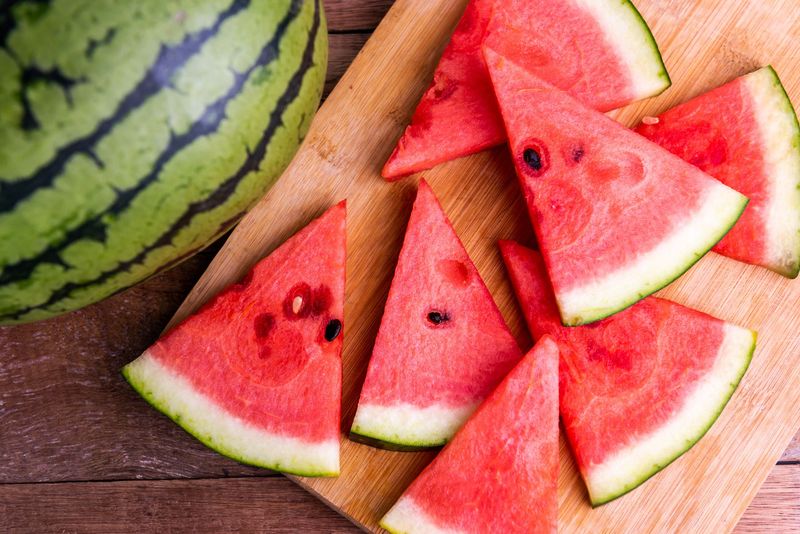
That refreshing summer staple hides a dirty secret – its rind touches soil during growth, collecting bacteria that transfer to the flesh when you slice through it. Once cut, its high water content and sugar create a bacteria breeding ground faster than you can say “picnic.”
Always scrub the watermelon’s exterior with clean water before cutting. Use a clean knife and cutting board, and refrigerate cut pieces immediately.
7. Cold Deli Meats
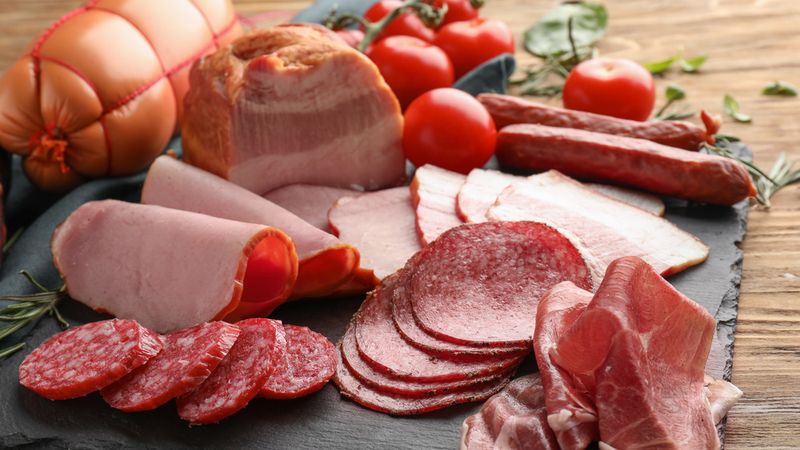
Sliced turkey, ham, and roast beef from the deli counter are notorious listeria carriers. This sneaky bacteria grows even in refrigerator temperatures and causes particularly severe illness in pregnant women, older adults, and people with weakened immune systems.
Heat deli meats to steaming hot (165°F) before eating to kill potential listeria. If you’re in a high-risk group, consider avoiding them entirely during pregnancy or illness.
8. Cooked Rice
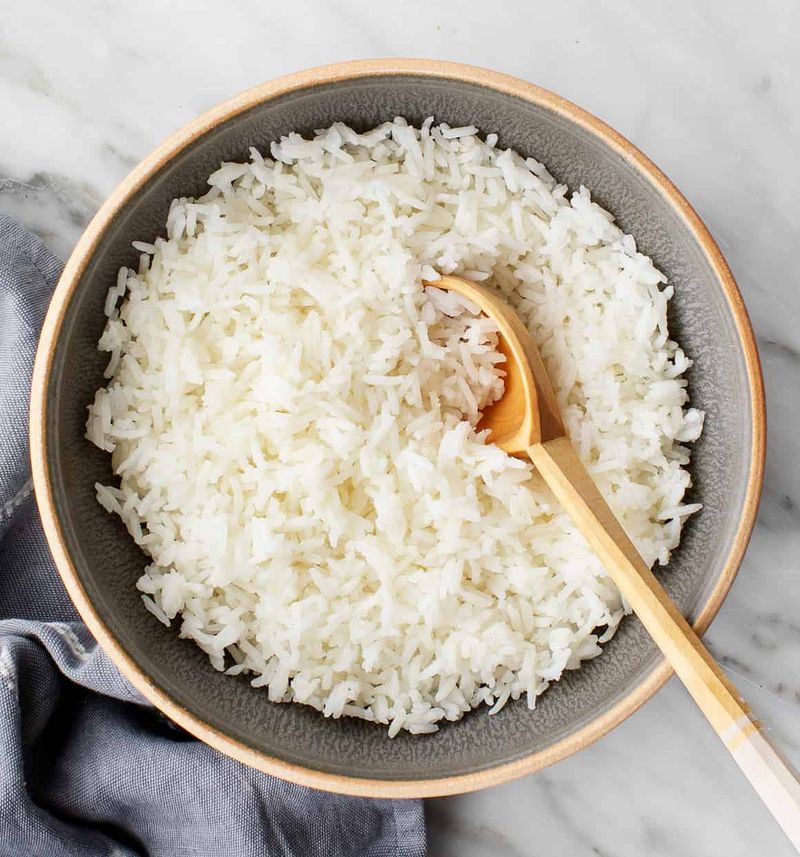
Shocked? Rice contains Bacillus cereus spores that survive cooking and germinate when left at room temperature. The result? Violent nausea and vomiting within hours of eating.
Serve rice immediately after cooking or cool it rapidly (within one hour) and refrigerate. Never leave rice sitting in your rice cooker for hours – that warm, moist environment is exactly what bacteria crave.
9. Mayonnaise-Based Salads
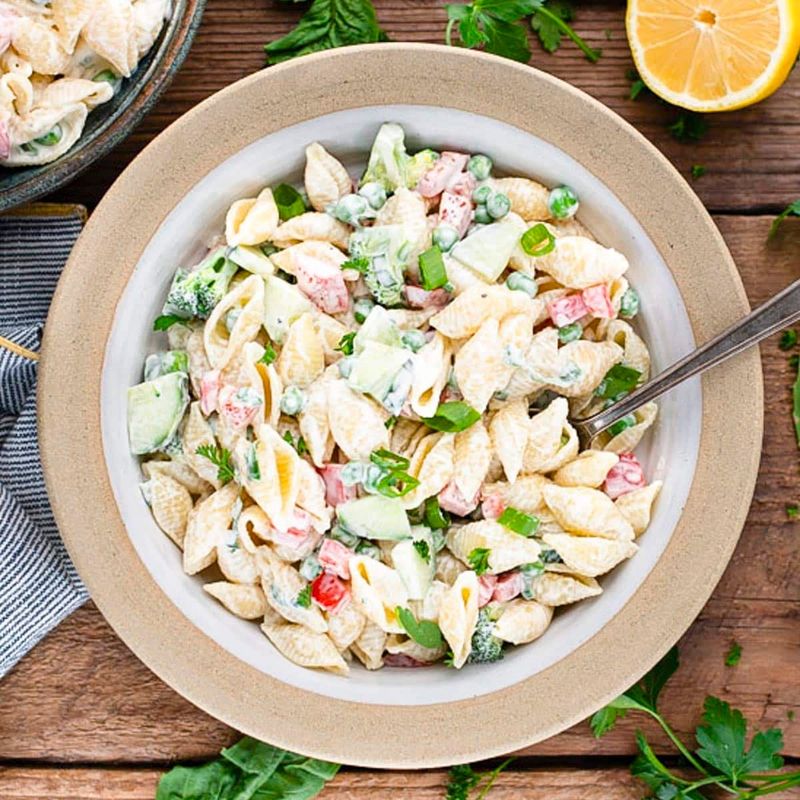
Potato salad, macaroni salad, and coleslaw become bacterial petri dishes in summer heat! Contrary to popular belief, commercial mayonnaise isn’t usually the culprit – it’s the other ingredients mixed with it that pose the real danger.
Keep these salads cold at all times, preferably in a bowl nested inside another bowl filled with ice. Replenish ice frequently during outdoor gatherings.
10. Unpasteurized Dairy Products
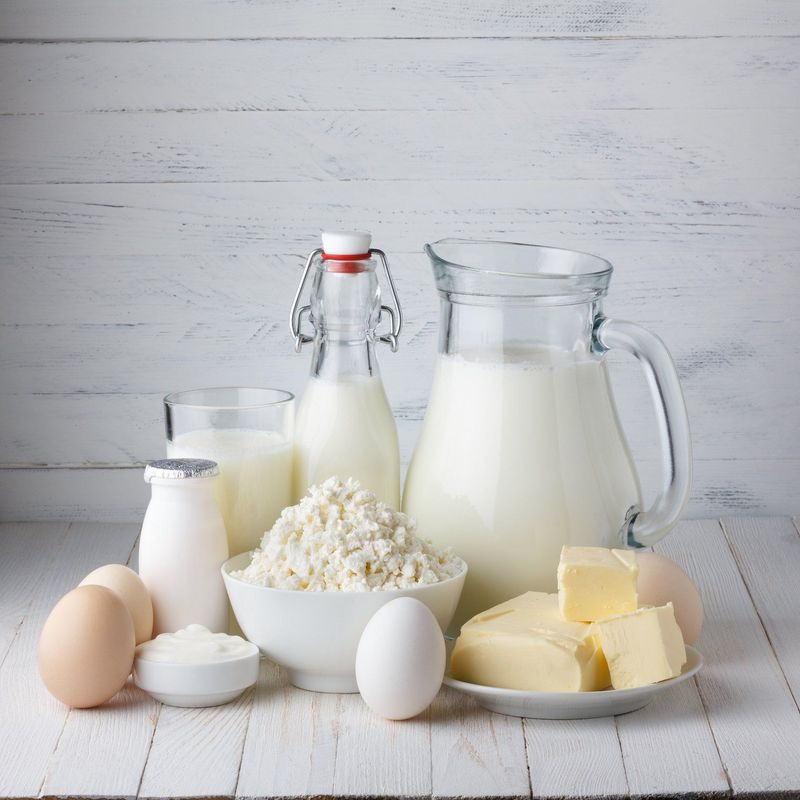
Raw milk cheeses and unpasteurized milk might seem trendy and natural, but they’re risky business in summer’s heat. These products can harbor E. coli, Salmonella, Listeria, and other dangerous bacteria that cause severe illness or even death.
Check labels carefully – terms like “raw,” “farm fresh,” or “raw milk” indicate unpasteurized products. Soft cheeses like Brie, Camembert, and blue-veined varieties are particularly concerning if made with unpasteurized milk.