14 Reasons Farmed Fish Don’t Belong Anywhere Near Your Dinner Plate
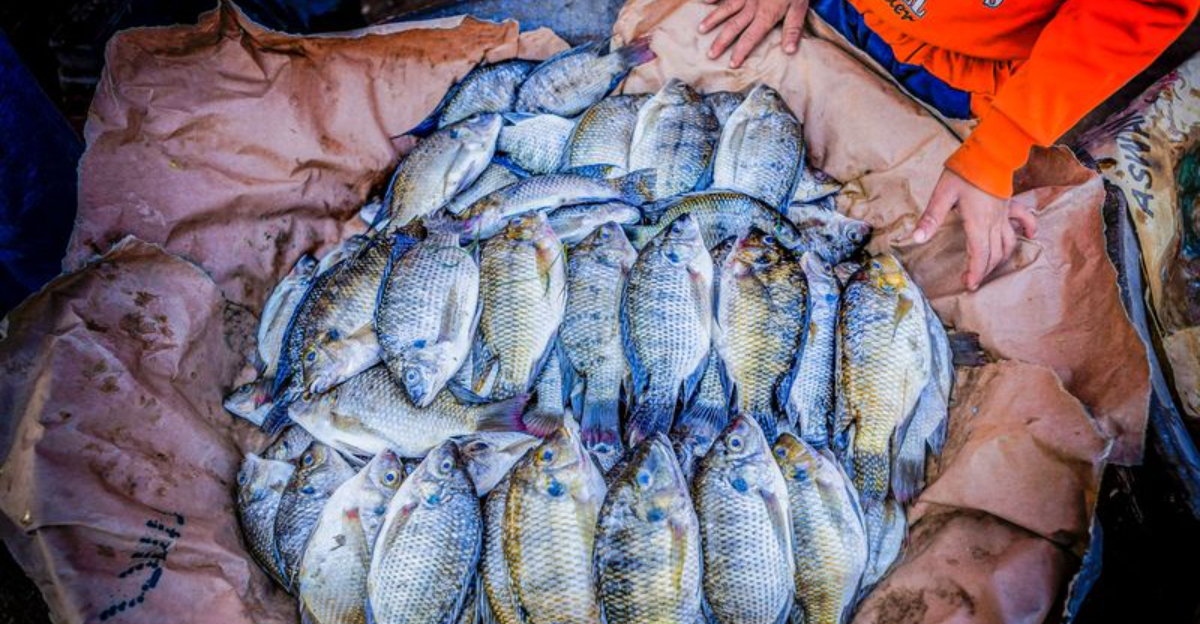
What looks like a healthy, ocean-fresh dinner might be hiding a murky reality. Behind many fillets of farmed fish lies a system plagued by overcrowded pens, questionable feed, and environmental damage.
Beneath the surface, these operations raise serious concerns for your health and the planet. Here are 14 reasons farmed fish might be the last thing you want on your plate.
1. Higher Risk Of Contaminants Like PCBs And Dioxins
Factory-farmed salmon contains up to 10 times more toxic chemicals than their wild cousins! These underwater protein factories are basically toxin magnets, concentrating PCBs and dioxins in fish flesh at alarming rates.
The science is crystal clear: these chemicals can mess with your hormones, weaken your immune system, and potentially increase cancer risk. Imagine each bite delivering a microscopic chemical cocktail straight to your cells.
2. Frequent Use Of Antibiotics And Chemicals In Fish Farms
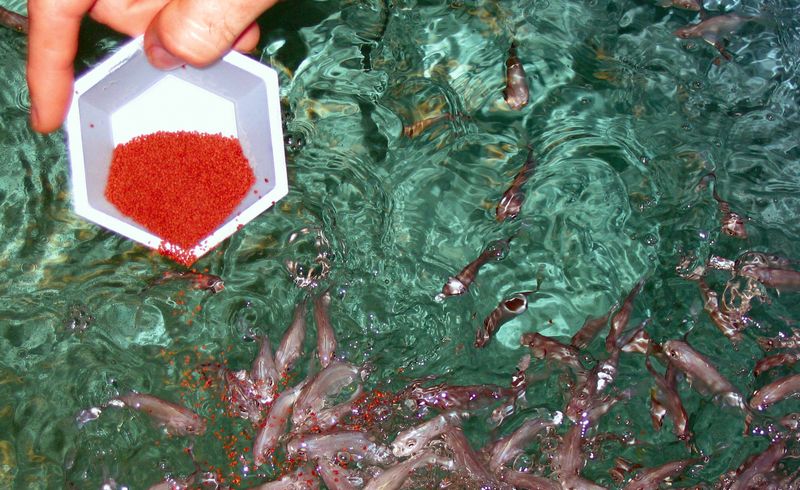
Swimming in a pharmaceutical soup! Farmed fish often receive more antibiotics by weight than any other livestock animal. These underwater drug cocktails combat the inevitable diseases that spread like wildfire when thousands of fish are crammed into tight spaces.
Farmers routinely dump antifungals, pesticides, and disinfectants into pens to keep their finned investments alive. The kicker? Many countries have zero regulations on which chemicals can be used or how much.
3. Increased Chance Of Parasites Spreading To Wild Fish
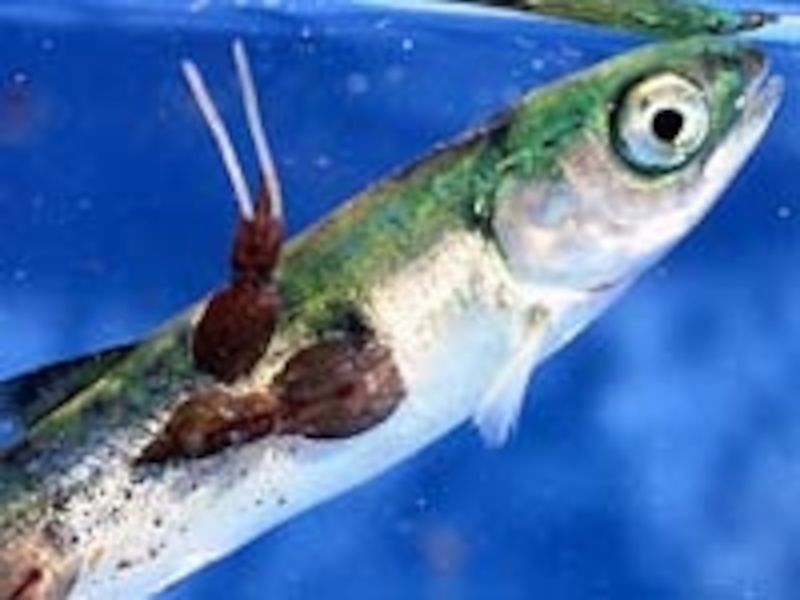
Parasite parties are raging in fish farms! These underwater feedlots create perfect breeding grounds for sea lice and other nasty hitchhikers that multiply at mind-boggling rates. One Norwegian study found a single farm can release 30 billion parasite eggs daily into surrounding waters!
Wild salmon swimming past these floating parasite factories get absolutely hammered. Young wild salmon, with their delicate scales, suffer horrific mortality rates when forced to navigate through parasite clouds emanating from coastal farms.
4. Lower Nutritional Value Compared To Wild-Caught Fish
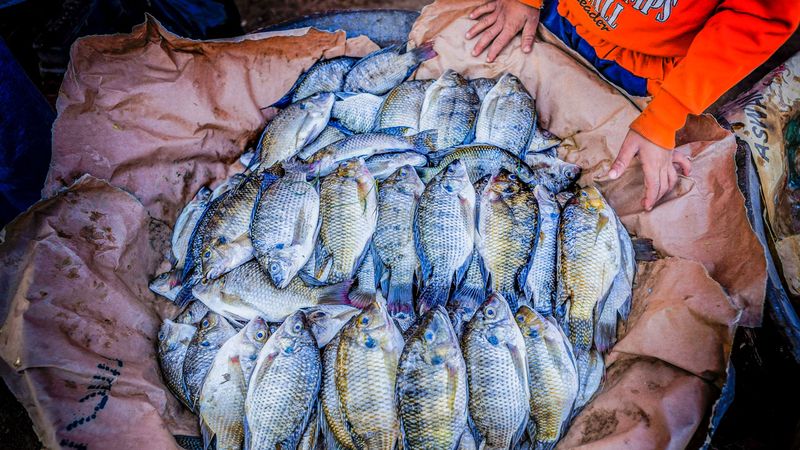
Nutritional downgrade alert! Wild salmon swim thousands of miles, building dense, nutrient-rich muscle. Their farm-raised cousins? Couch potatoes by comparison, developing flesh with up to 46% more fat and significantly less protein.
The omega-3 content—the heart-healthy reason many people eat fish—plummets in farmed varieties. Studies show farmed fish contain about half the omega-3s of their wild counterparts, yet most consumers have no clue they’re getting shortchanged on nutrition.
5. Farmed Fish Often Have Unnatural Diets
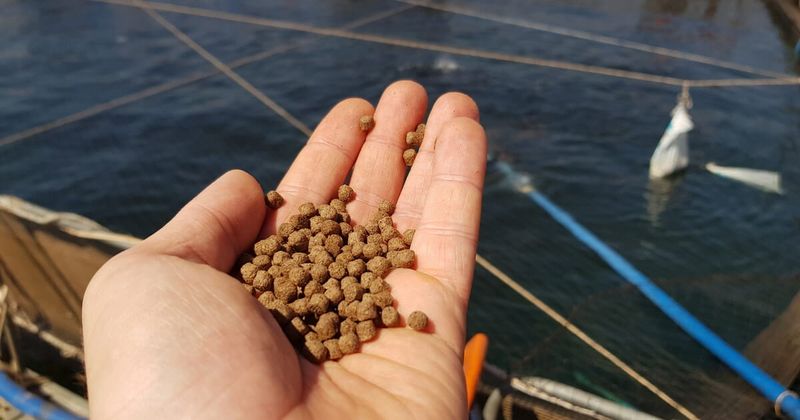
Would you feed donuts to a tiger? That’s essentially what happens in fish farms! Carnivorous fish like salmon naturally hunt smaller fish in the wild, but their farmed counterparts gobble down pellets made from corn, soy, chicken feathers, and even genetically modified vegetable oils.
This dietary switcheroo completely transforms their flesh composition. The beautiful pink color wild salmon get from eating krill? Completely absent in farmed fish unless artificial coloring is added to their feed.
6. Crowded Conditions Cause Disease Outbreaks
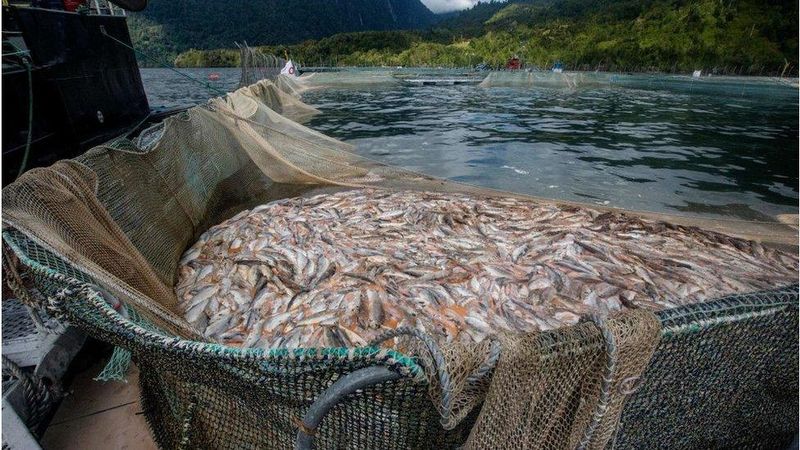
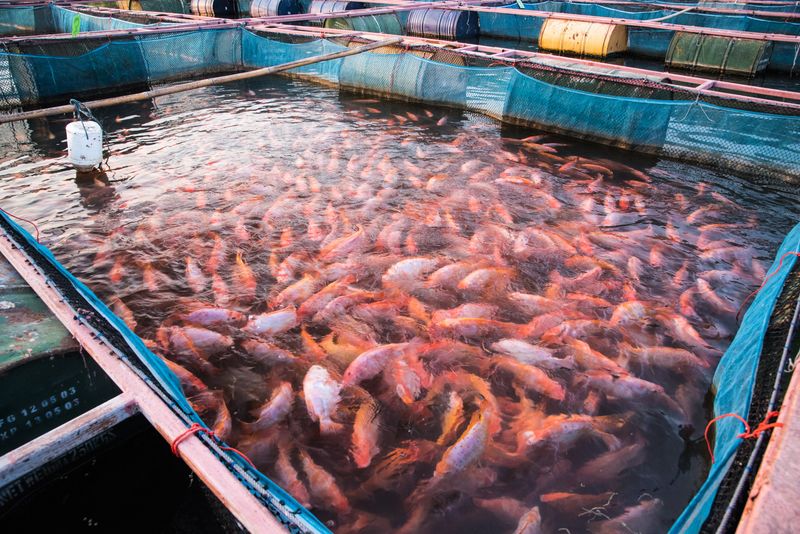
Picture 50,000 fish crammed into a space the size of your living room! These underwater sardine cans create perfect petri dishes for disease. Fish literally bump into each other constantly, transmitting pathogens with every brush of a fin.
Stress hormones skyrocket in these overcrowded conditions, suppressing immune systems and making fish even more susceptible to illness. Viral outbreaks can wipe out entire farm populations overnight, yet companies often consider this a cost of doing business.
7. Environmental Damage From Waste And Pollution
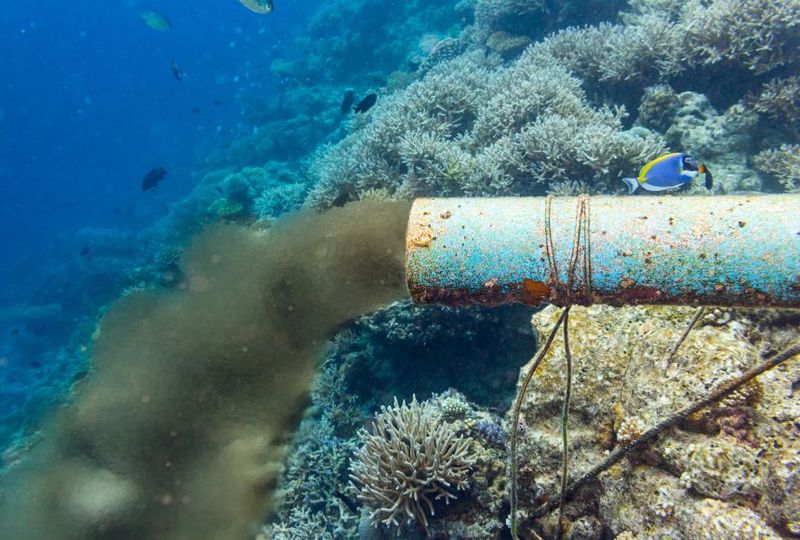
Imagine 15,000 untreated toilets flushing directly into the ocean 24/7. That’s essentially what large salmon farms create! A single moderate-sized operation produces waste equivalent to a town of 10,000 people—without any sewage treatment plant.
This toxic slurry of feces, uneaten food, antibiotics, and chemicals settles beneath farms, creating dead zones where nothing can live. The seafloor literally suffocates under blankets of waste that can extend hundreds of meters beyond farm boundaries.
8. Risk Of Escaped Farmed Fish Disrupting Wild Populations
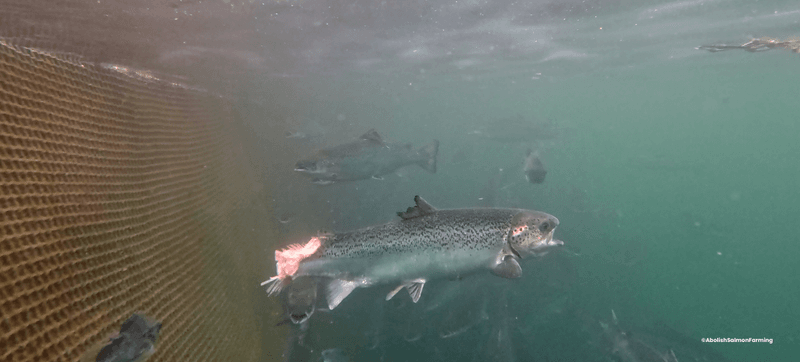
Jailbreaks happen constantly in the fish farming world! Millions of domesticated fish escape into the wild annually through torn nets, storms, or equipment failures. One Norwegian incident released 300,000 salmon in a single day—imagine hundreds of thousands of clueless couch potatoes suddenly thrown into the wilderness.
These aquatic fugitives compete with wild fish for food and breeding grounds. Worse yet, they hook up with wild populations, creating hybrid offspring with reduced survival skills and genetic fitness.
9. Farmed Fish Can Carry Genetic Weaknesses
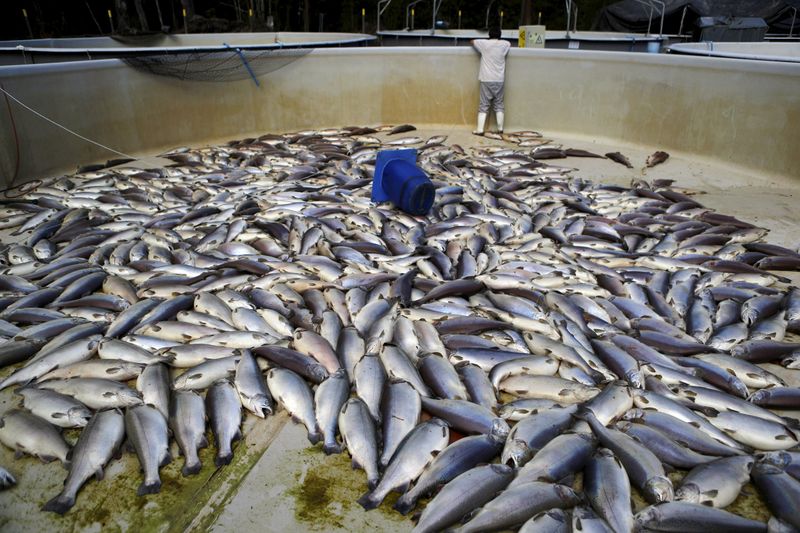
Generations of inbreeding have turned farmed fish into the genetic equivalent of a house of cards! Selected primarily for rapid growth and docility, these aquatic livestock often develop shocking deformities—spinal curvatures, missing fins, and bulging eyes that would never survive in the wild.
Heart abnormalities run rampant, with many farmed salmon developing cardiorespiratory systems too weak to pump blood through their artificially fattened bodies. Some studies show up to 100% of farmed fish have enlarged hearts and other organ problems by harvest time.
10. Questionable Welfare And Living Conditions
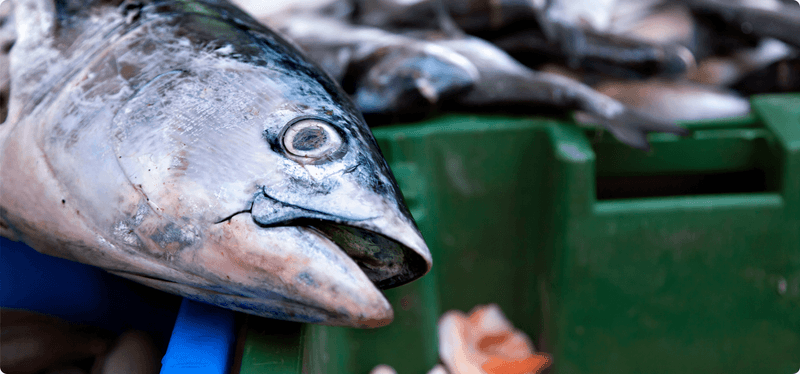
Factory farms with fins! Farmed fish endure conditions that would trigger immediate animal cruelty charges if applied to dogs or cats. These sentient creatures spend their entire lives in underwater cages so crowded they can barely turn around, constantly bumping into each other and the pen walls.
The psychological torment is real. Fish naturally programmed to migrate thousands of miles circle endlessly in pens the size of swimming pools. Many develop stereotypic behaviors—the animal equivalent of prison psychosis.
11. Artificial Coloring Often Added To Make Fish Look Appealing
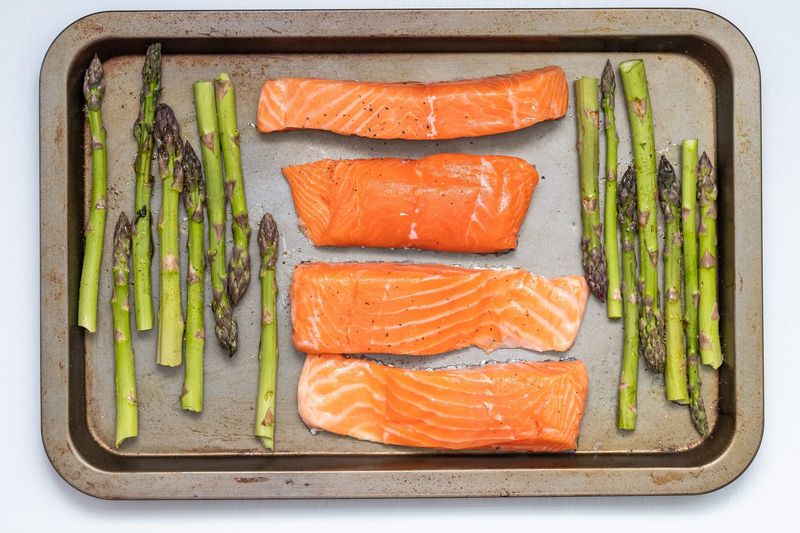
That beautiful pink salmon on your plate? Total fakery! Farmed salmon naturally grow up gray and unappetizing—about as visually appealing as a wet gym sock. Farmers add synthetic pigments to their feed, literally dyeing the fish from the inside out.
These color additives, called canthaxanthin and astaxanthin, come with standardized color charts (like paint swatches) that farmers use to select exactly how pink they want their fish. Without these petroleum-derived dyes, consumers would reject the sickly gray meat in an instant.
12. Contribution To Ocean Dead Zones Near Fish Farms
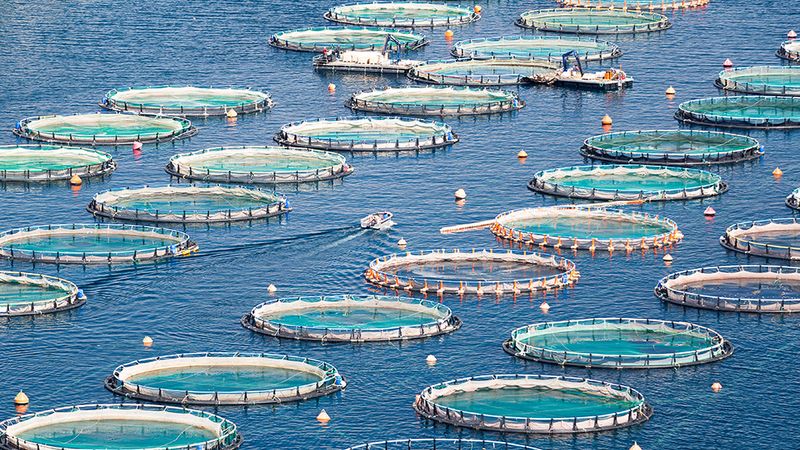
Fish poop apocalypse! A single large salmon farm produces nitrogen waste equivalent to the sewage from 20,000 people. This nutrient overload triggers explosive algae growth that steals oxygen from the water, suffocating everything that can’t swim away fast enough.
The devastation spreads far beyond farm boundaries. In Chile’s Patagonia region, once-pristine fjords now feature vast underwater deserts extending kilometers from farm sites. Bottom-dwelling creatures like sea stars, crabs, and corals simply vanish, replaced by bacterial mats that thrive in low-oxygen conditions.
13. Overuse Of Resources Like Soy And Wild Fish For Feed
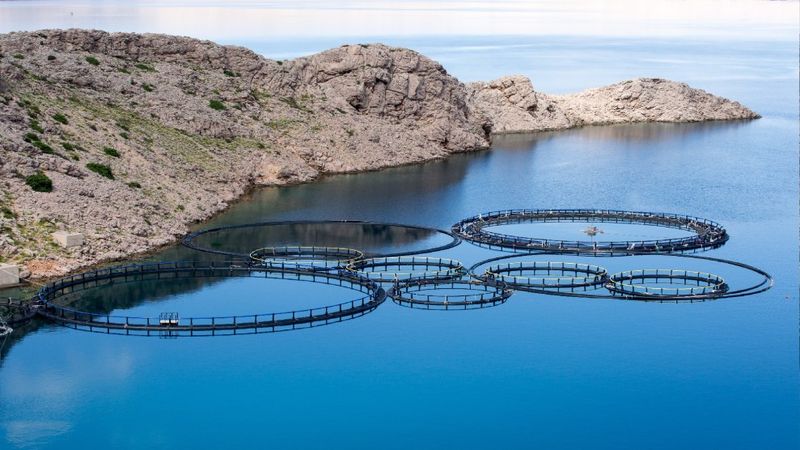
The ultimate food system backfire! Farming carnivorous fish actually depletes more seafood than it produces. For every pound of farmed salmon, up to 5 pounds of wild fish get ground into feed—a net loss of marine protein that makes zero ecological sense.
When fish meal prices skyrocketed, the industry pivoted to soy—driving Amazon deforestation to grow protein for fish that never naturally ate plants. Precious rainforest cleared to feed fish in Norway or Chile? That’s globalization gone mad!
14. Reduced Biodiversity In Surrounding Marine Ecosystems
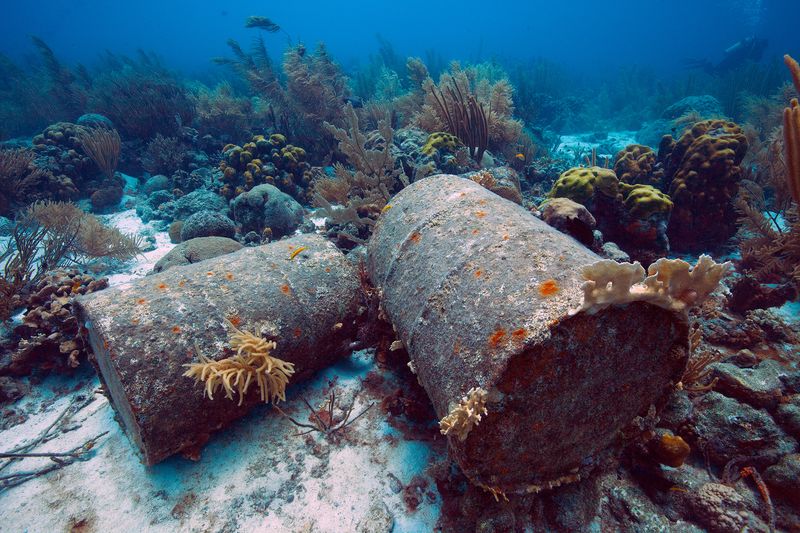
Underwater ghost towns emerge wherever fish farms set up shop! Studies in Scotland found 70% fewer species living near salmon farms compared to similar areas without farms. This biodiversity collapse ripples through entire food webs.
The chemicals used to combat sea lice don’t just kill parasites—they’re deadly to crustaceans like crabs, lobsters, and shrimp up to half a kilometer away from farm sites. One treatment can wipe out multiple generations of these creatures, creating eerie underwater dead zones.