20 Amazing Things Restaurants Do That You Can Copy At Home
Restaurants always seem to have that little extra something that makes every bite taste better and every plate look amazing.
But the truth is, most of their “secrets” are practical tricks you can bring into your own kitchen. From prepping like a pro to plating with flair, these tips can totally transform your cooking routine.
Here’s a full list of what restaurants do best—and how you can make those same moves at home.
1. Prep Ingredients Before Cooking
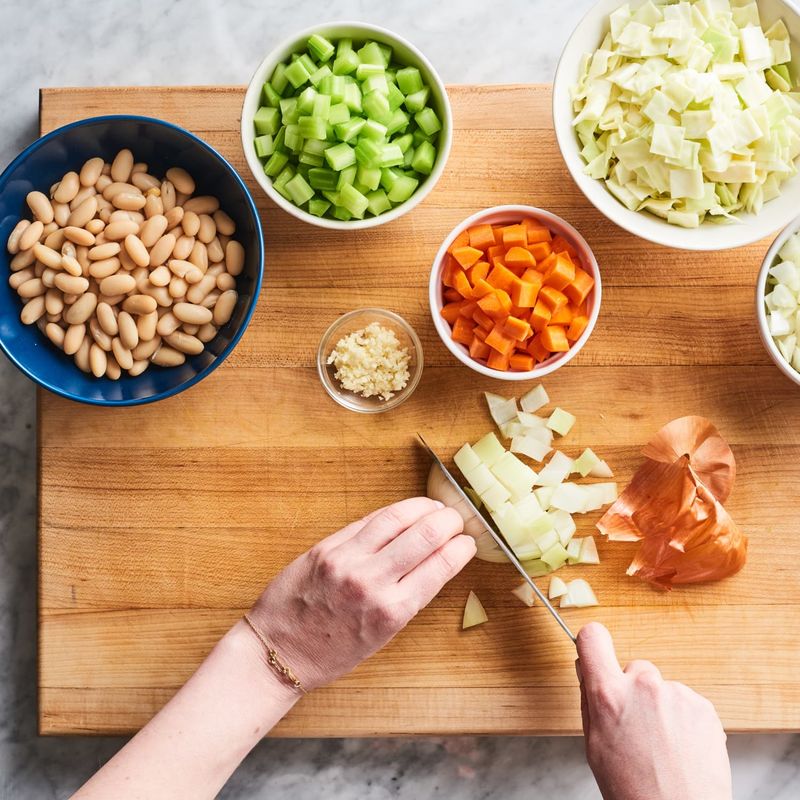
Before a single pan hits the stove, restaurant chefs have every ingredient chopped, measured, and within arm’s reach. This habit, known as mise en place, keeps everything moving smoothly and helps prevent mistakes.
At home, this means no more realizing halfway through that you forgot to mince the garlic or measure the broth. Laying it all out before you start makes cooking feel calmer, faster, and more enjoyable—like assembling a puzzle that fits perfectly.
2. Use High-Heat Oil For Searing
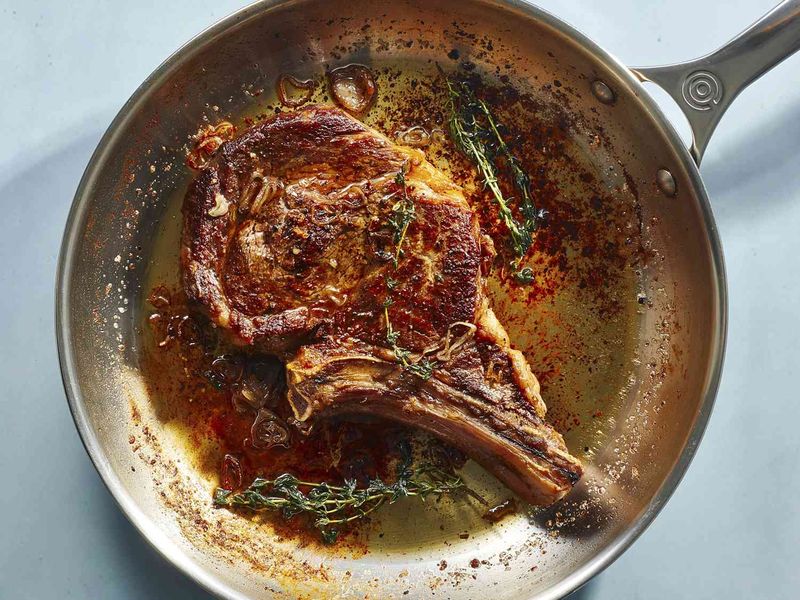
For golden-brown steaks, crispy tofu, or deeply caramelized mushrooms, restaurants choose oils that don’t burn under pressure. High-smoke-point oils like grapeseed, avocado, or sunflower stand up to searing temperatures without smoking up the kitchen.
Butter burns fast, but these oils stay stable, helping you get that deep, even browning. Add the butter at the end for flavor, but start hot with the right oil if you want to cook like a chef.
3. Season Every Layer
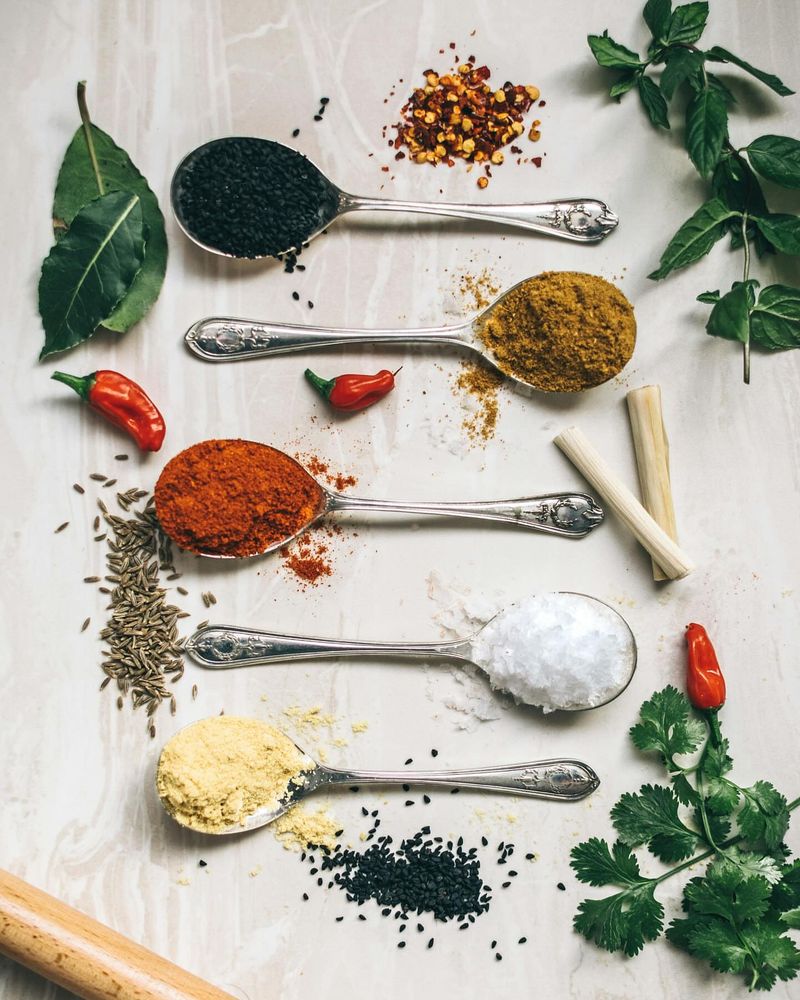
A great dish doesn’t just get salted once. Instead, chefs season at every step—before roasting, during sautéing, in the pasta water, and in sauces.
This technique builds a flavor profile that feels round and satisfying, not flat or oversalted. Start small and taste as you go. You’ll be amazed at how balanced everything becomes with a little attention along the way.
4. Rest Meat After Cooking
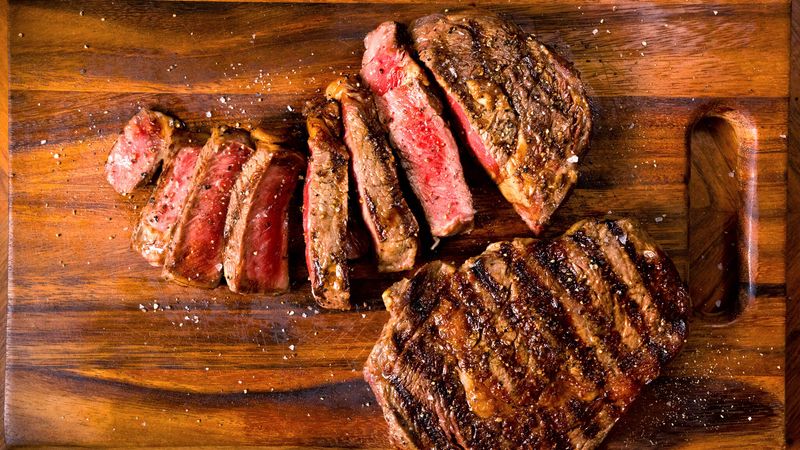
Once off the grill or pan, meat needs time to settle. Resting allows the juices to redistribute rather than rushing out with the first cut, keeping it juicy and tender.
Even just five to ten minutes can make a huge difference. Tent it loosely with foil and resist the urge to slice too soon—it’s worth the wait for that perfect bite.
5. Wipe Plates For A Clean Look
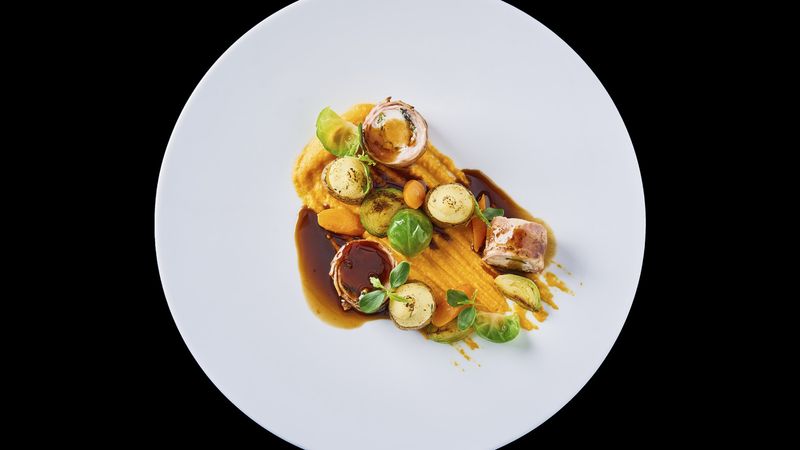
In restaurant kitchens, a final swipe of a towel or cloth on the plate rim is non-negotiable. It turns a meal from homemade to polished in one move.
At home, doing this can make even a Tuesday night dinner look elegant. No smudges, no drips—just a clean, professional-looking plate that invites you to dig in.
6. Use Fresh Citrus For Brightness
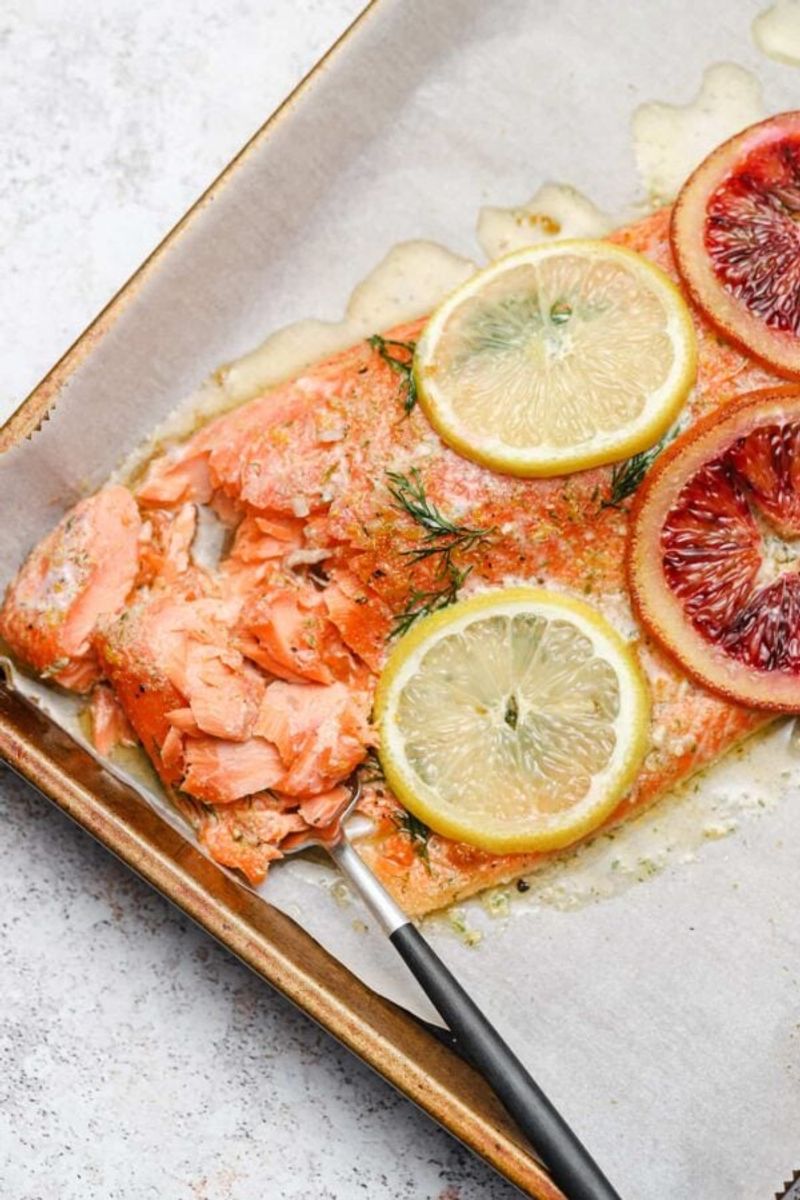
A squeeze of lemon or lime right before serving adds a bright lift that balances richness and highlights flavor. Restaurants often finish a dish with citrus zest or juice to add contrast.
This technique works beautifully on roasted vegetables, creamy pastas, fish, and even soups. It adds dimension without overwhelming, turning simple dishes into something layered and special.
7. Add Salt To Dessert Batter

Sweet things taste better when the sugar has a counterpoint. A pinch of salt in your cookie dough or cake batter sharpens flavors and keeps things from feeling one-note.
Professional bakers always include it, even in delicate pastries. The result is desserts that taste fuller, more complex, and, paradoxically, even sweeter.
8. Finish Pasta In The Sauce
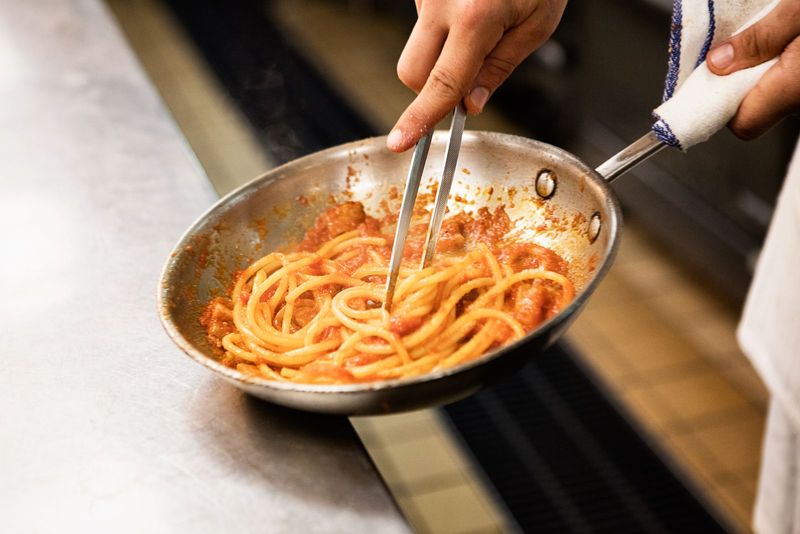
In restaurants, pasta never meets the plate straight from the strainer. It gets tossed in its sauce for a final minute over heat, binding everything together.
This method allows the starch from the pasta to thicken the sauce naturally. The result? Every noodle gets perfectly coated, and the whole dish feels more cohesive.
9. Warm The Plates Before Serving
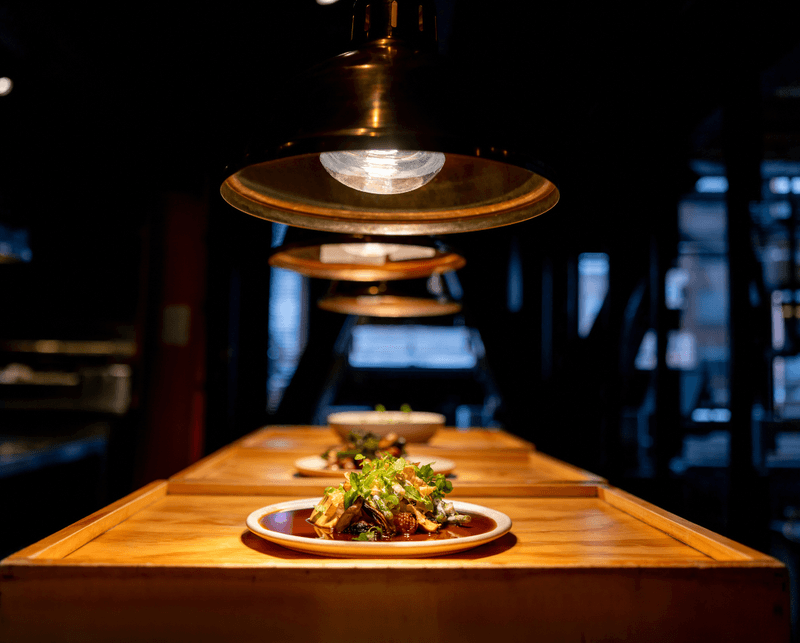
Cold plates are the silent killer of hot food. A warm plate keeps food at the right temperature longer, which matters for both taste and mouthfeel.
Most restaurants heat plates under lamps or in low ovens. At home, try running them under hot water or placing them in a warm oven while you finish cooking.
10. Add A Pat Of Butter At The End
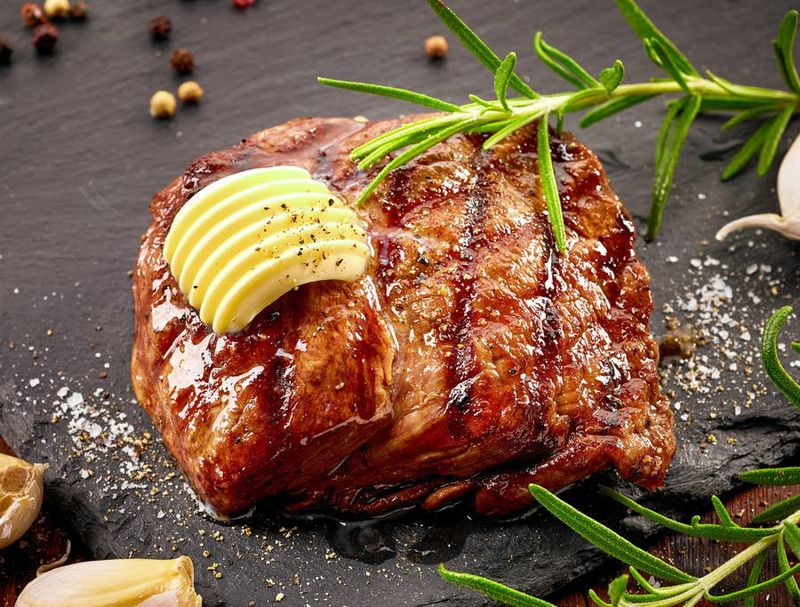
Butter adds body and shine when stirred into sauces just before serving. It smooths rough edges and adds luxurious texture without overpowering the dish.
Restaurants do this with pan sauces, risottos, and even soups. Just a small knob swirled in at the end makes the whole dish feel more finished and indulgent.
11. Use A Salad Spinner
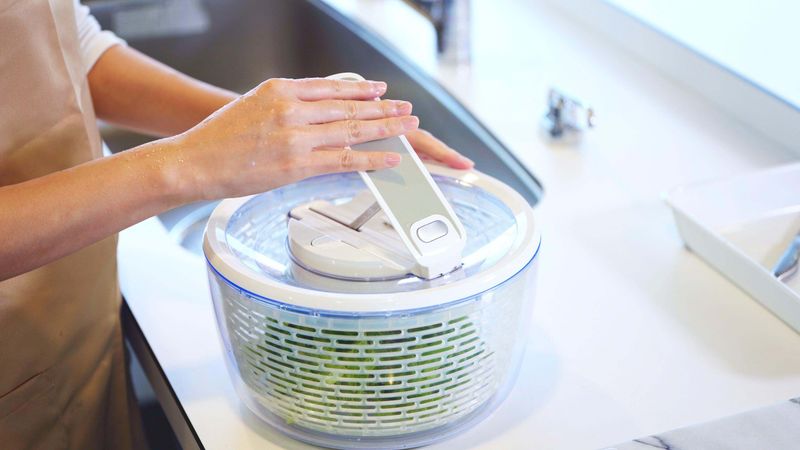
Dry greens grab dressing better, keeping salads from turning limp or soggy. In professional kitchens, salad spinners are in constant use to ensure texture and presentation.
At home, using one means every leaf gets evenly coated and stays crisp. It also speeds up prep, especially when washing a whole head of lettuce or bunch of herbs.
12. Slice Proteins Against The Grain
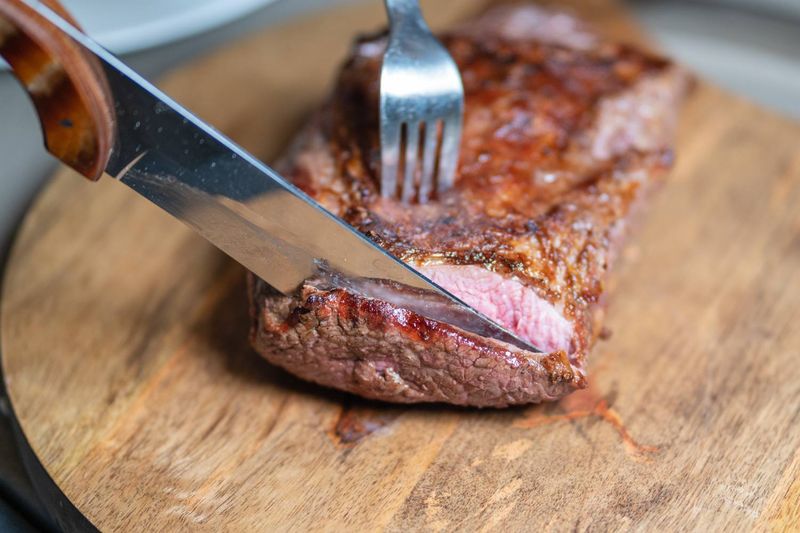
Muscle fibers in meat run in one direction. Cutting across those fibers keeps the texture tender and easy to chew.
Chefs use this method for beef, chicken, and pork. Once you get the hang of spotting the grain, you’ll never go back—your meat will melt in your mouth every time.
13. Toast Spices Before Using
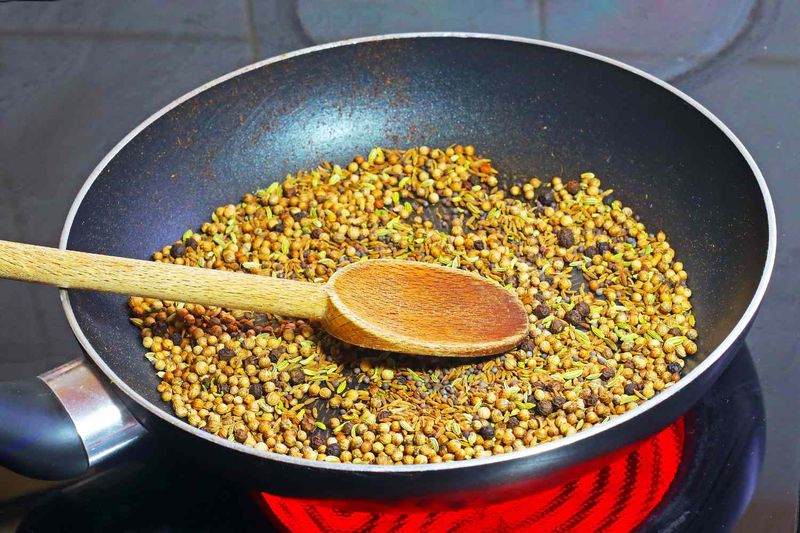
A quick toast in a dry pan releases hidden oils in whole or ground spices, making them more aromatic and flavorful.
Do it just until the kitchen smells like the spice itself—nutty, warm, and rich. This small step can radically improve curries, soups, and even baked goods.
14. Use A Microplane For Garlic And Cheese
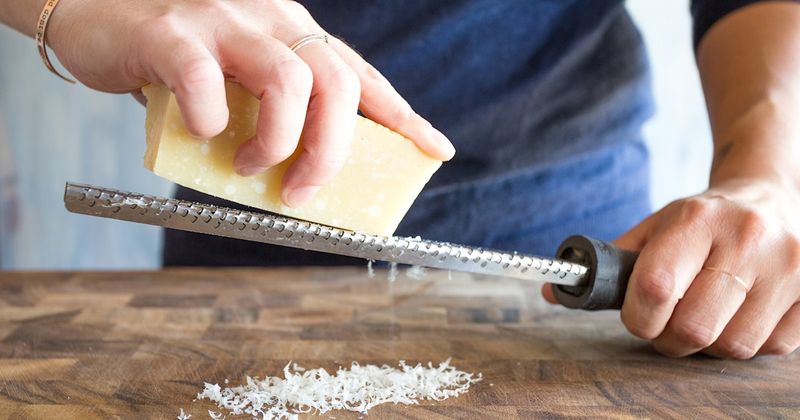
Finely grated garlic melts into dressings, sauces, and marinades, while ultra-fine cheese dusts dishes evenly without clumps.
This tool gets constant use in restaurant kitchens. It saves time, enhances texture, and ensures every bite gets that essential hit of flavor.
15. Store Herbs Like Flowers
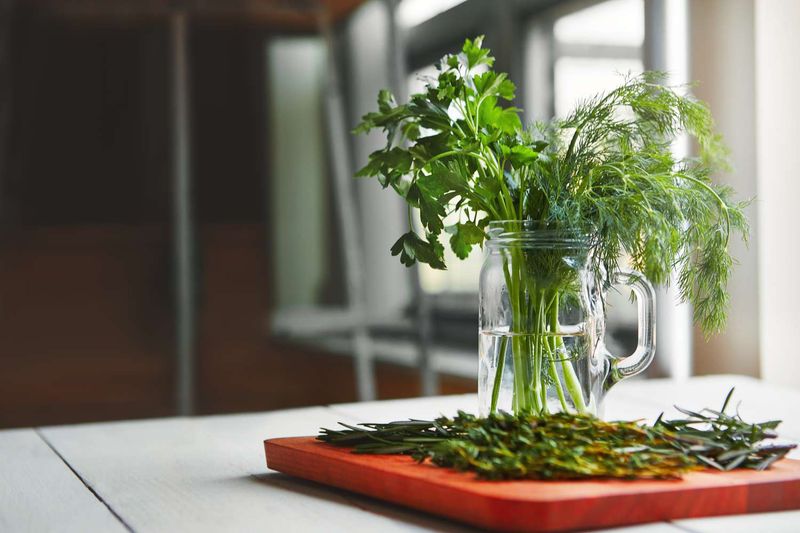
Instead of stuffing herbs into crisper drawers where they wilt, treat them like fresh-cut blooms. Trim the stems, place them in water, and cover loosely.
Stored this way in the fridge, herbs last longer and stay perkier. It’s a small switch that helps you waste less and cook with more freshness.
16. Make Stocks In Big Batches
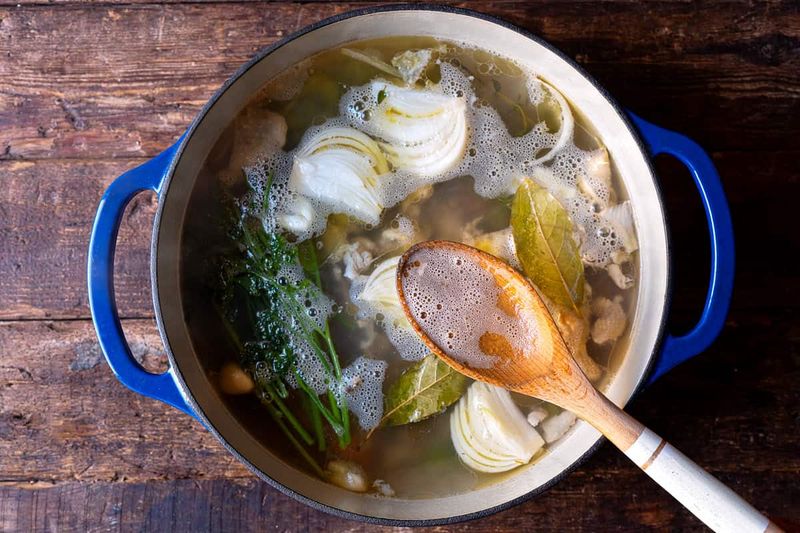
Chefs always have house-made stocks simmering—chicken, vegetable, beef, or seafood. These are the base for soups, sauces, and braises.
Making large batches at home and freezing them in portions gives your cooking instant depth and flexibility. It’s one of the easiest ways to level up your flavor game.
17. Plate With Odd Numbers
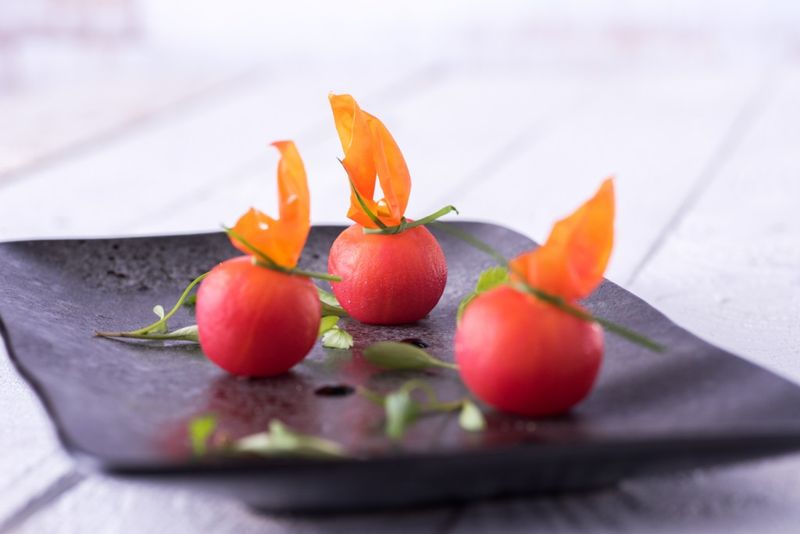
The human eye prefers odd numbers—three shrimp, five ravioli, seven asparagus spears. It creates rhythm and balance on the plate.
Even numbers can feel too symmetrical or boring. This simple visual trick gives your dishes a more professional look without changing a single ingredient.
18. Use Tongs Like An Extra Hand
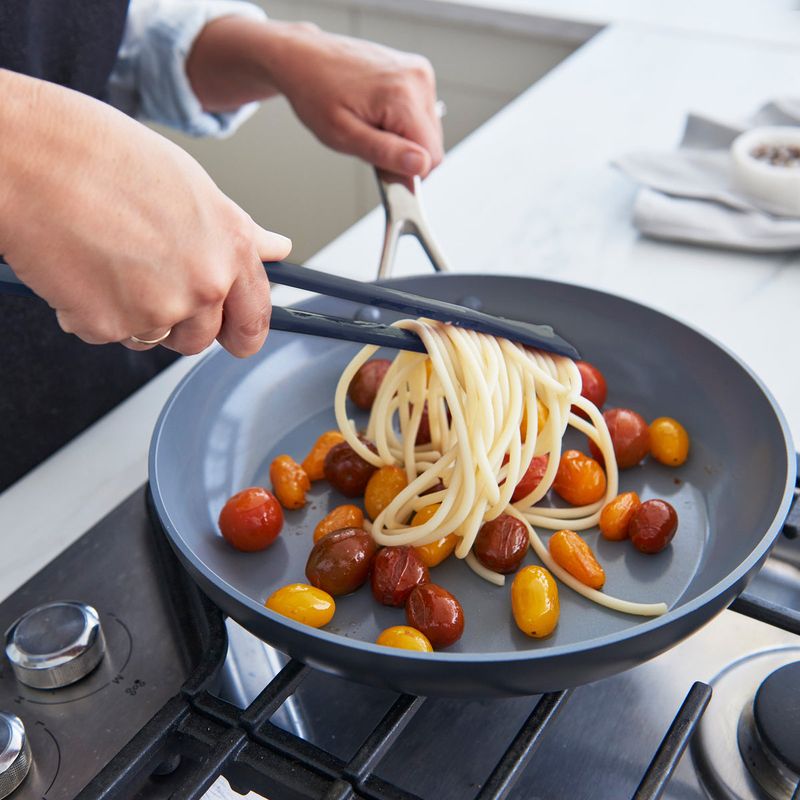
Tongs aren’t just for flipping meat. In pro kitchens, they’re used to toss salads, shape pasta nests, plate vegetables, and more.
With more control and less mess, tongs let you grip, lift, and guide food without crushing it. Once you start using them this way, it becomes second nature.
19. Keep A Trash Bowl On The Counter
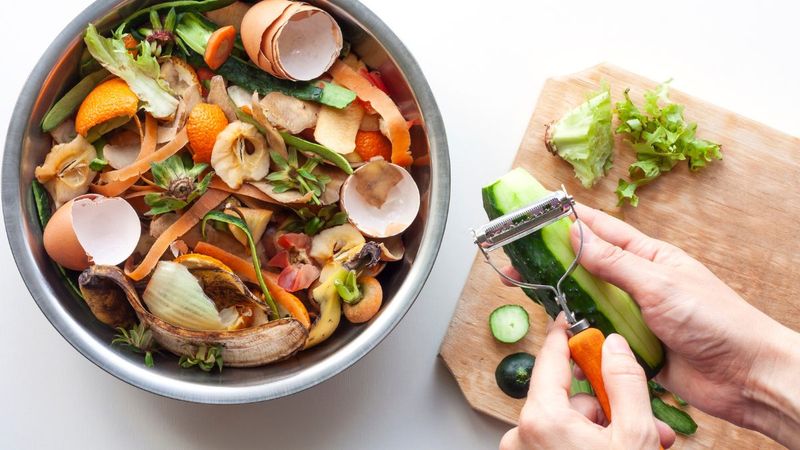
Instead of running back and forth to the garbage can, chefs keep a bowl nearby for scraps, peels, and trimmings.
This tiny habit keeps your workspace cleaner and more organized. You’ll move faster, and cleanup will feel like less of a chore.
20. Taste Constantly As You Cook

Tasting along the way allows you to correct seasoning, check doneness, and adjust flavors before it’s too late. It’s not a bonus step—it’s essential.
Chefs use fresh spoons constantly to test sauces, soups, and sautés. At home, this one habit turns guessing into mastery.