28 Ways You’ve Probably Been Cooking Pasta WRONG
Hey there, pasta lovers! If you’ve been whipping up spaghetti or twirling tagliatelle like there’s no tomorrow, you might be making some common mistakes.
Cooking pasta is an art, and even the most seasoned chef might slip up. So, let’s uncover the quirky, adventurous, and mildly embarrassing ways we all might have been doing our pasta wrong.
1. Skipping The Salt
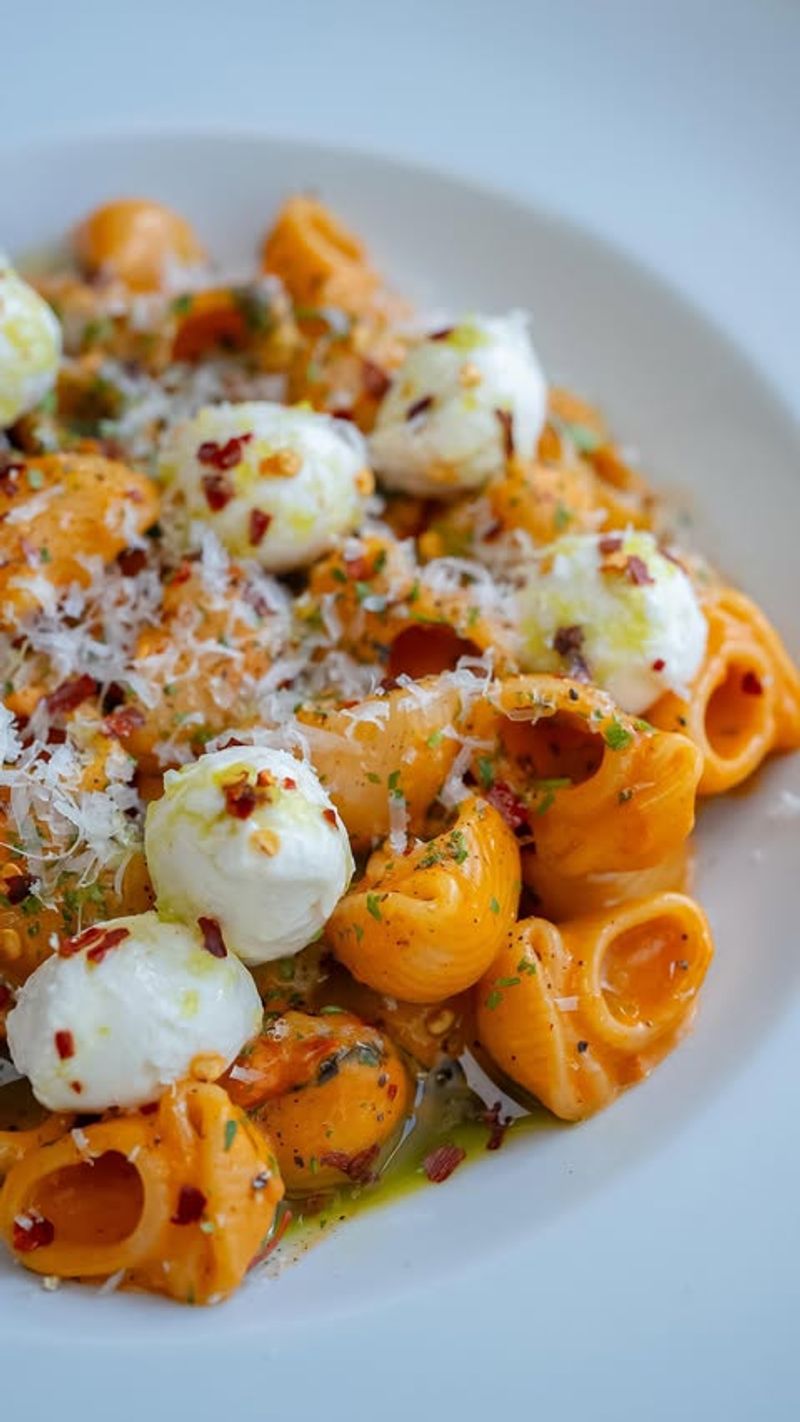
Ever wondered why your pasta tastes bland? It might be because you’re skipping the salt. Imagine biting into a perfectly al dente spaghetti, only to find it tastes like cardboard. Horrifying, right? When I first started cooking, I thought skipping salt was the healthy choice. Oh, how wrong I was!
You might think, “I’ll just add salt later,” but trust me, it’s not the same. The salt needs to be in the water, enhancing the pasta’s flavor from the inside out. Picture this: the ocean’s salty breeze, but for your pasta. That’s what you’re aiming for. Next time you’re at the stove, don’t shy away from a generous sprinkle.
2. Overcooking The Pasta
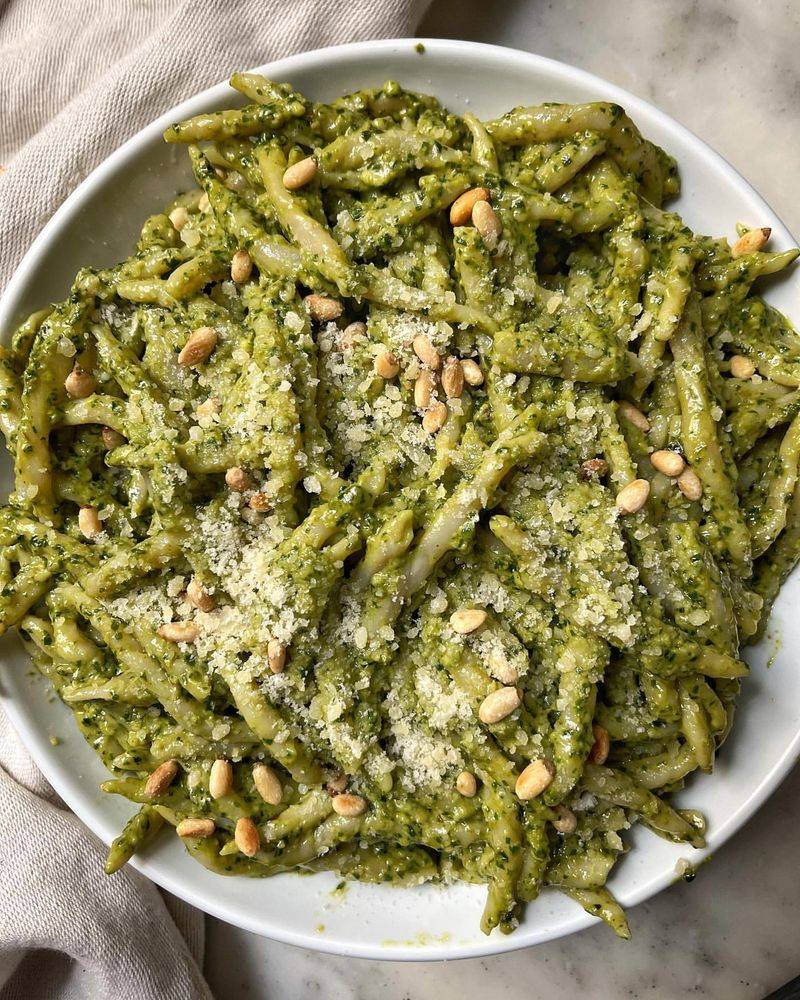
Ah, the mushy pasta nightmare! If your pasta has ever resembled a soggy mess, you’re not alone. Overcooking pasta is a crime in the culinary world, and I’ve been guilty more times than I care to admit. Just last week, I got distracted by a cat video and ended up with pasta glue.
The key to perfect pasta is timing. I can still hear my Italian grandmother’s voice, reminding me, “Al dente, or it’s no pasta at all!” That slight bite is crucial. It’s the difference between a memorable meal and a forgettable one. Here’s a tip: Set a timer. Don’t rely on estimations or multitask while it’s boiling.
3. Adding Oil To The Water
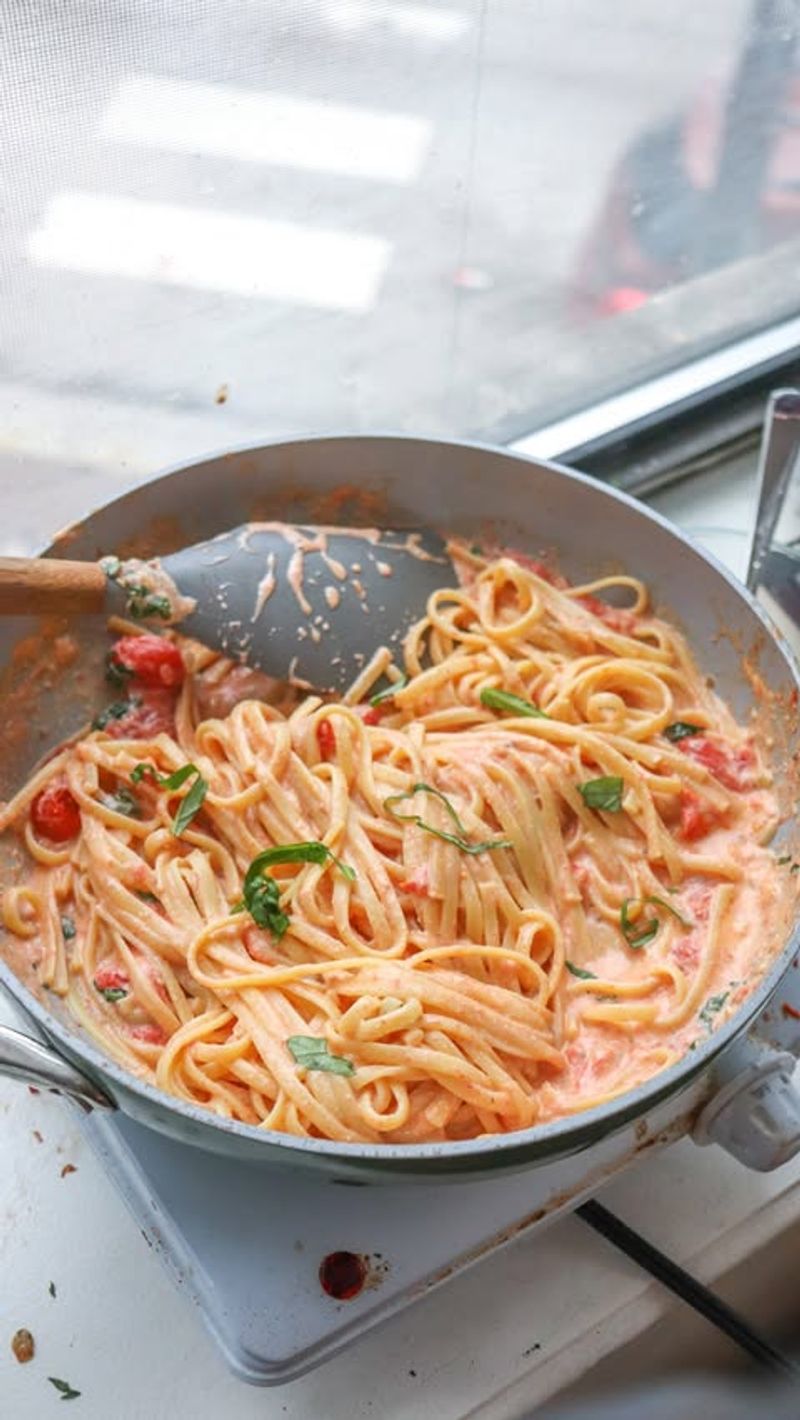
Let’s debunk a myth: adding oil to your pasta water does NOT prevent sticking. I’ve heard this old wives’ tale for years. Back in the day, I believed it myself. However, all it really does is make your pasta slippery, preventing the sauce from clinging lovingly to each strand.
When I realized the error, it was a pasta game-changer. Imagine the disappointment of having your delicious marinara sauce slide right off your fettuccine. Not ideal, right? Instead, focus on stirring your pasta occasionally as it cooks. This simple action helps keep those noodles separate, sans oil.
4. Not Using Enough Water
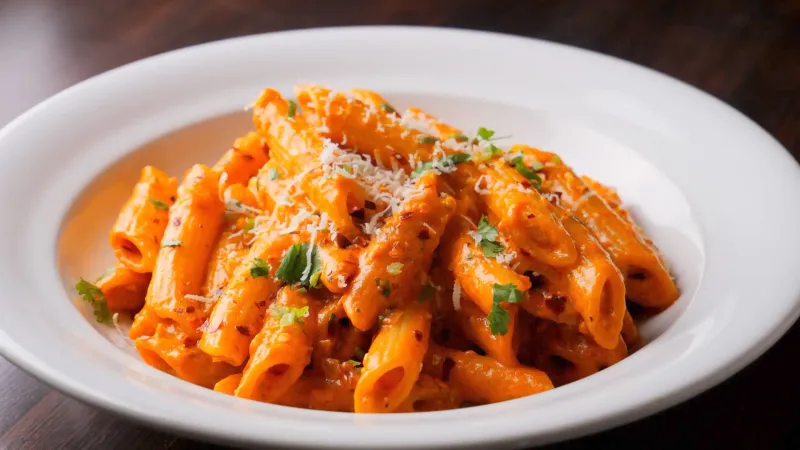
Picture this: a pot brimming with spaghetti, water sloshing dangerously close to the edge. Sound familiar? It’s a classic mistake—using too little water. I’ve done it myself, thinking I was saving water and energy. Spoiler alert: I wasn’t.
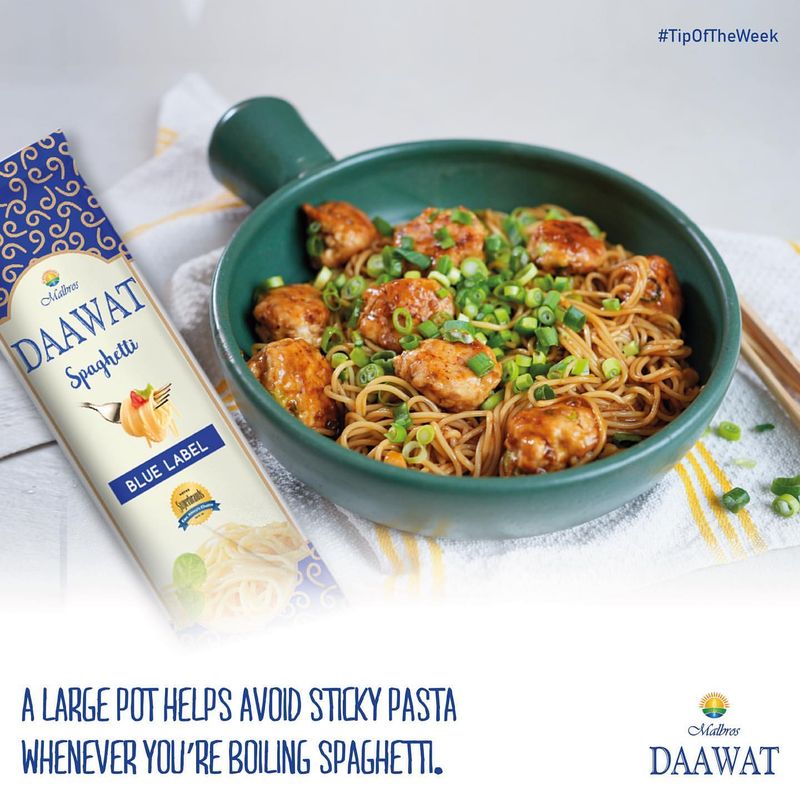
The magic of pasta cooking happens in the water. It needs space to dance and swirl freely. If you cramp it, the pasta releases excess starch, leading to a sticky situation. Trust me, you don’t want to wrestle with pasta clumping together. Instead, opt for a large pot with plenty of water—about four to six quarts per pound of pasta.
5. Ignoring The Pasta Shape
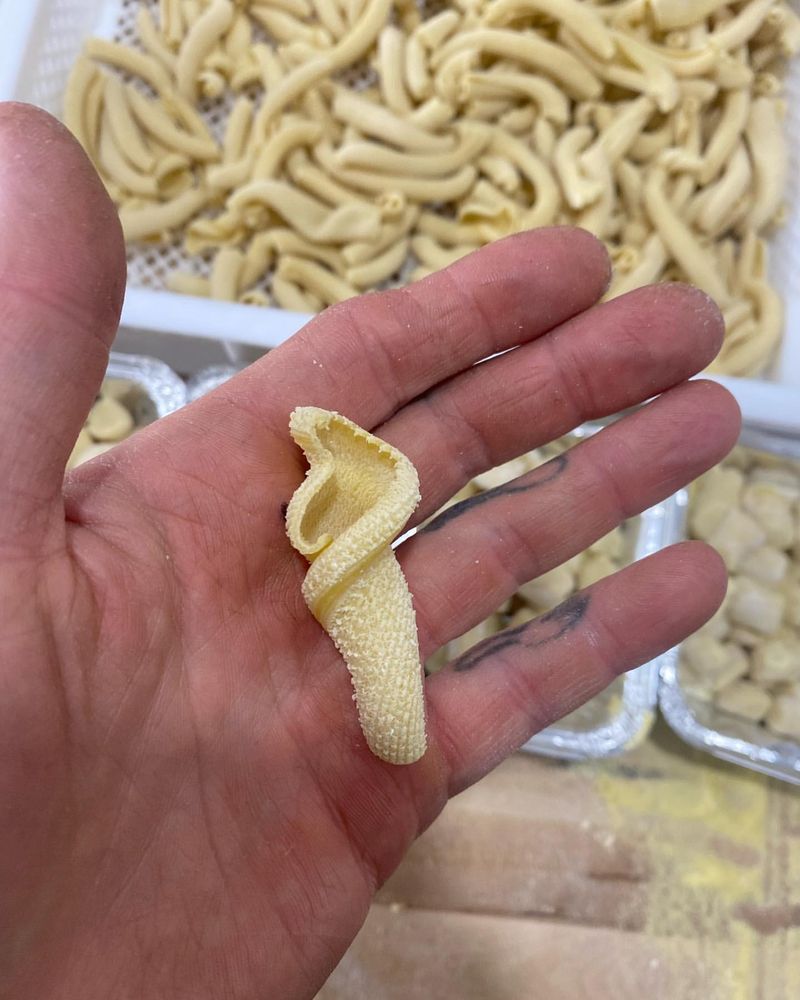
Choosing the wrong pasta shape is like wearing heels to a marathon—sure, it’s possible, but why suffer? I used to think pasta was pasta, and any shape would do. Then, I discovered the joy of pairing shapes with sauces.
Different shapes serve different purposes. Ridged pasta like rigatoni holds chunky sauces better than smooth spaghetti. It’s all about maximizing sauce absorption. I remember the first time I paired penne with a creamy garlic sauce. The ridges held onto every drop, turning each bite into a flavor explosion.
6. Rinsing The Pasta
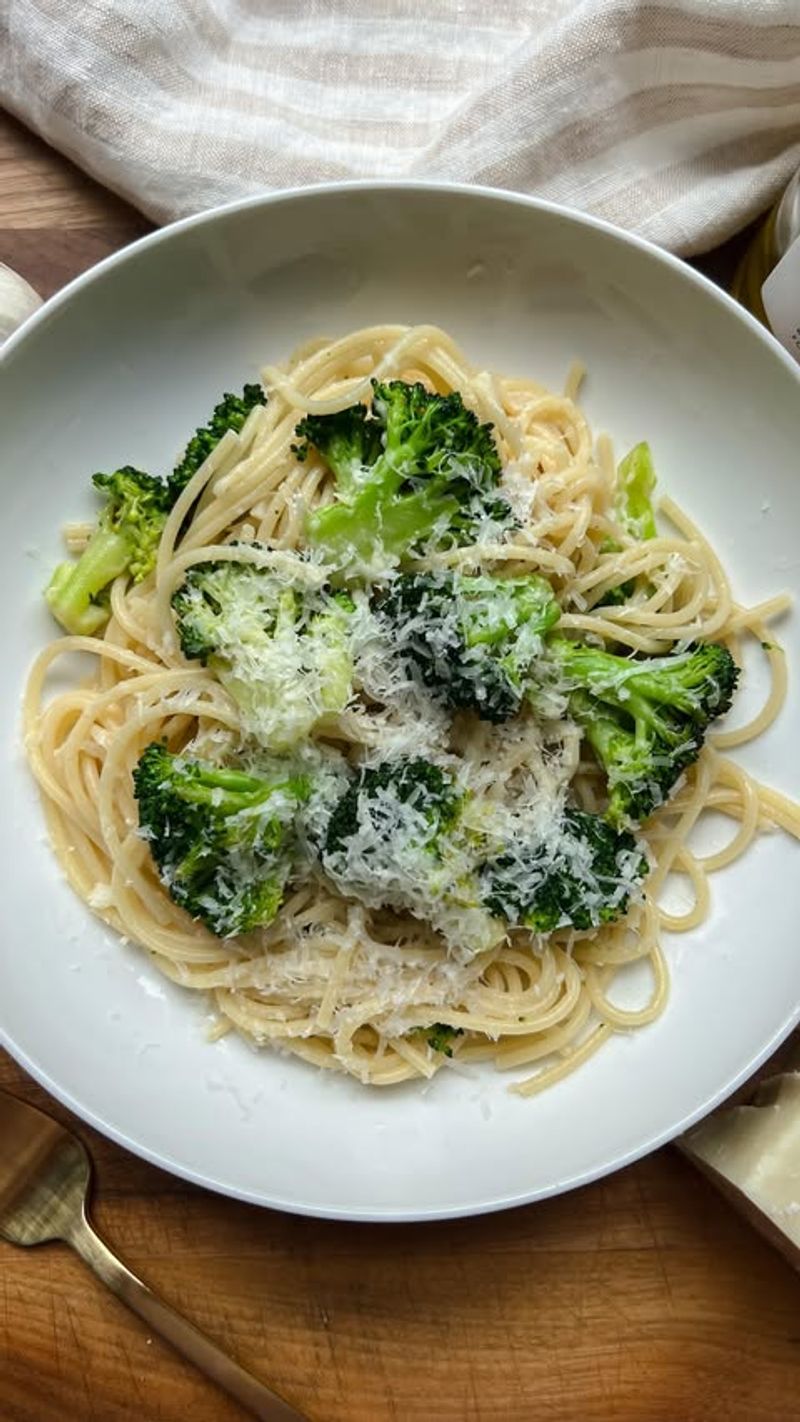
Stop! Put down that colander. If you’re rinsing your pasta, you’re washing away flavor gold. I cringe recalling all the times I’ve mindlessly rinsed my spaghetti. The starchy coating from the pasta is not your enemy; it’s your secret weapon.
Why? Because the starch helps sauce adhere to the pasta like magic. Rinsing not only cools down your pasta but also strips away this vital layer. Imagine coating your linguine in a rich tomato sauce, only to see it slide off into a puddle. Heartbreaking! Next time, practice restraint.
7. Ignoring The Pasta’s Al Dente
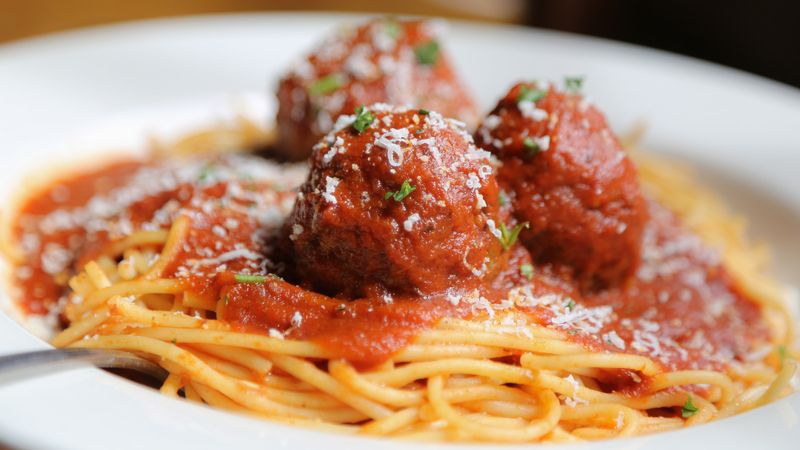
What does ‘al dente’ mean? It’s Italian for ‘to the tooth,’ and it’s the holy grail of pasta texture. I’ve seen folks overcook or undercook, missing this crucial stage. Al dente is about balance—a slight resistance when bitten, not too hard, not mushy.
I once served pasta that was too soft, and my Italian friends were polite but unimpressed. They knew what I had yet to learn. Al dente is essential because it retains that chewy texture even after cooking further in the sauce. How do you achieve it? Taste your pasta a minute or two before the package says it’s done.
8. Using Too Much Sauce
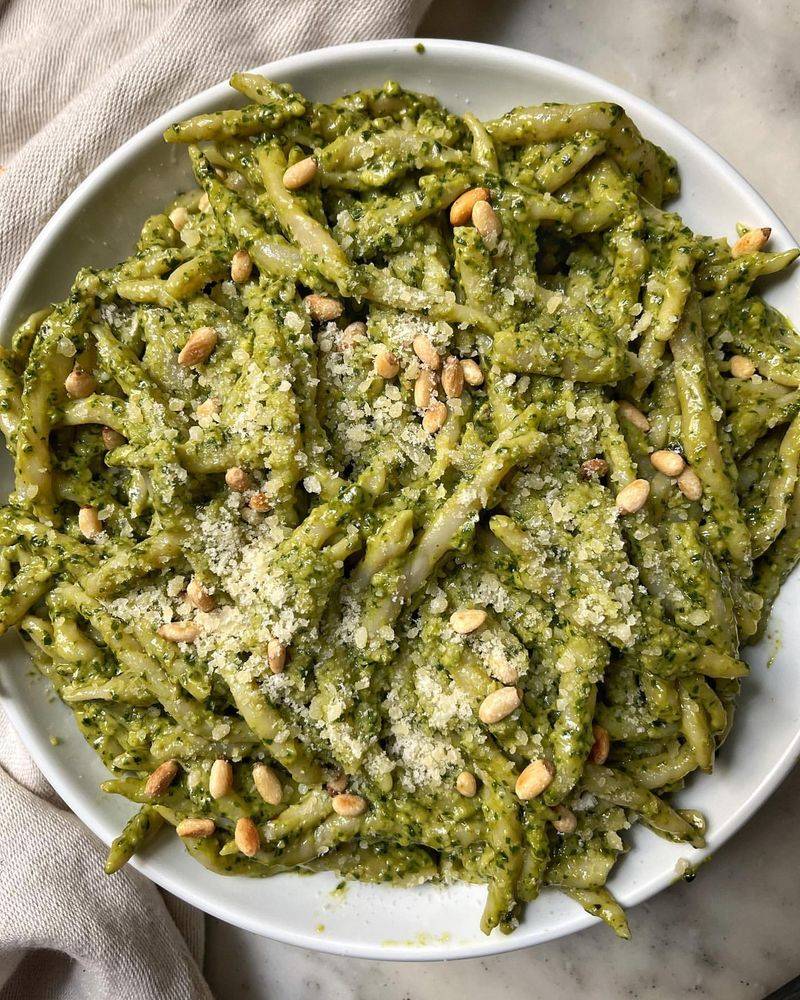
Ever had pasta drowned in sauce? I’ve been there, thinking more sauce equaled more flavor. However, it’s about balance. Over-saucing can overwhelm your pasta, turning a delightful dish into a soupy mess. The goal is harmony.
Imagine a dance where both partners move in perfect sync. That’s what your pasta and sauce should do. Too much sauce, and you lose the pasta’s unique character. I learned this lesson the hard way during a dinner party fiasco. Start with less sauce than you think you need. Mix it with your pasta gradually.
9. Throwing Away Pasta Water
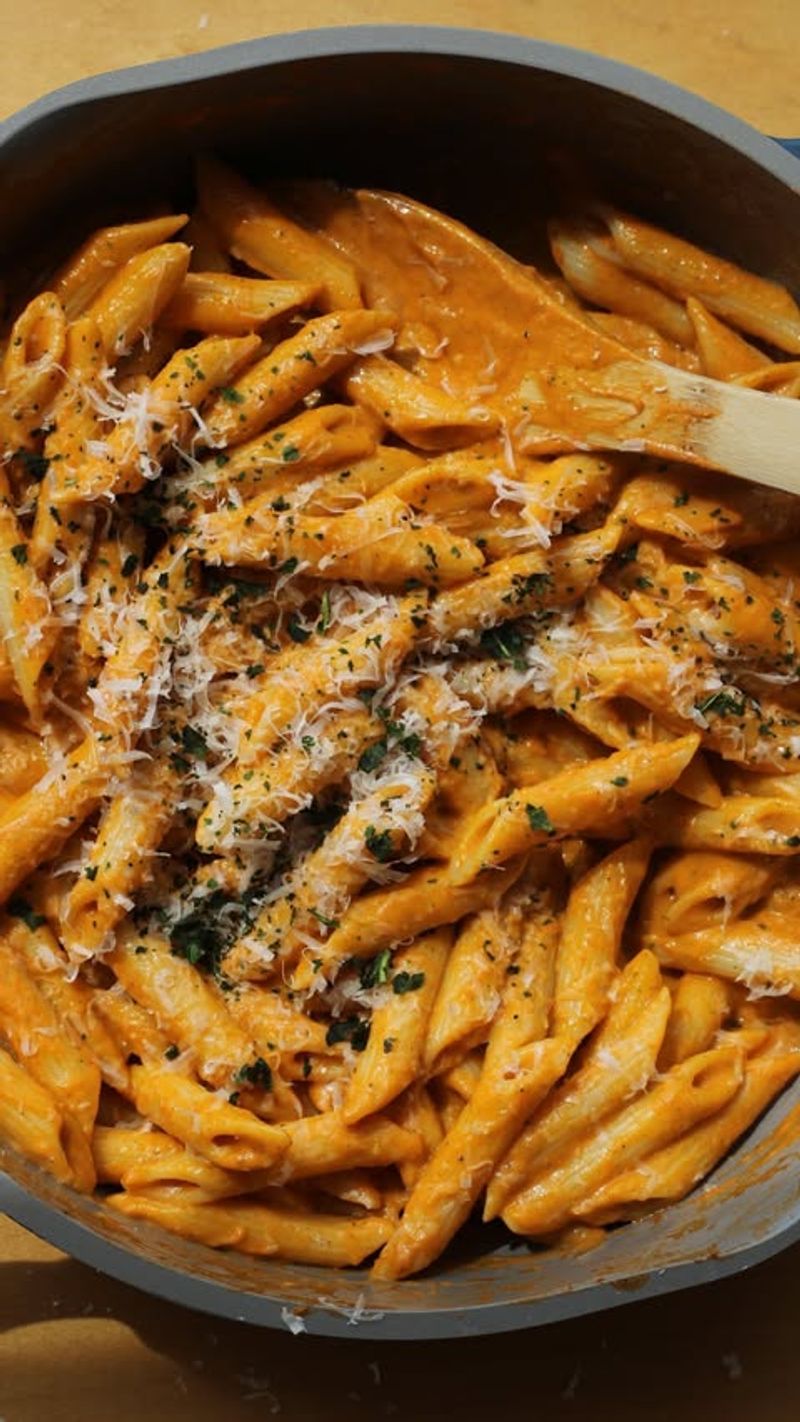
Hold up! That cloudy pasta water you’re about to discard? It’s liquid gold. I used to pour it down the drain without a second thought. Big mistake! It contains starch, which is key to creating a luscious sauce. Think of pasta water like a secret ingredient. It thickens your sauce and helps it cling to the pasta.
Picture this: your sauce is a bit too thick or lacking cohesion. Instead of panicking, add a splash of pasta water. It works wonders. Next time, save at least a cup before draining your pasta. Use it to loosen your sauce, allowing the flavors to meld beautifully. Your pasta won’t just be coated; it’ll be enveloped in sauce.
10. Cooking Pasta Too Early
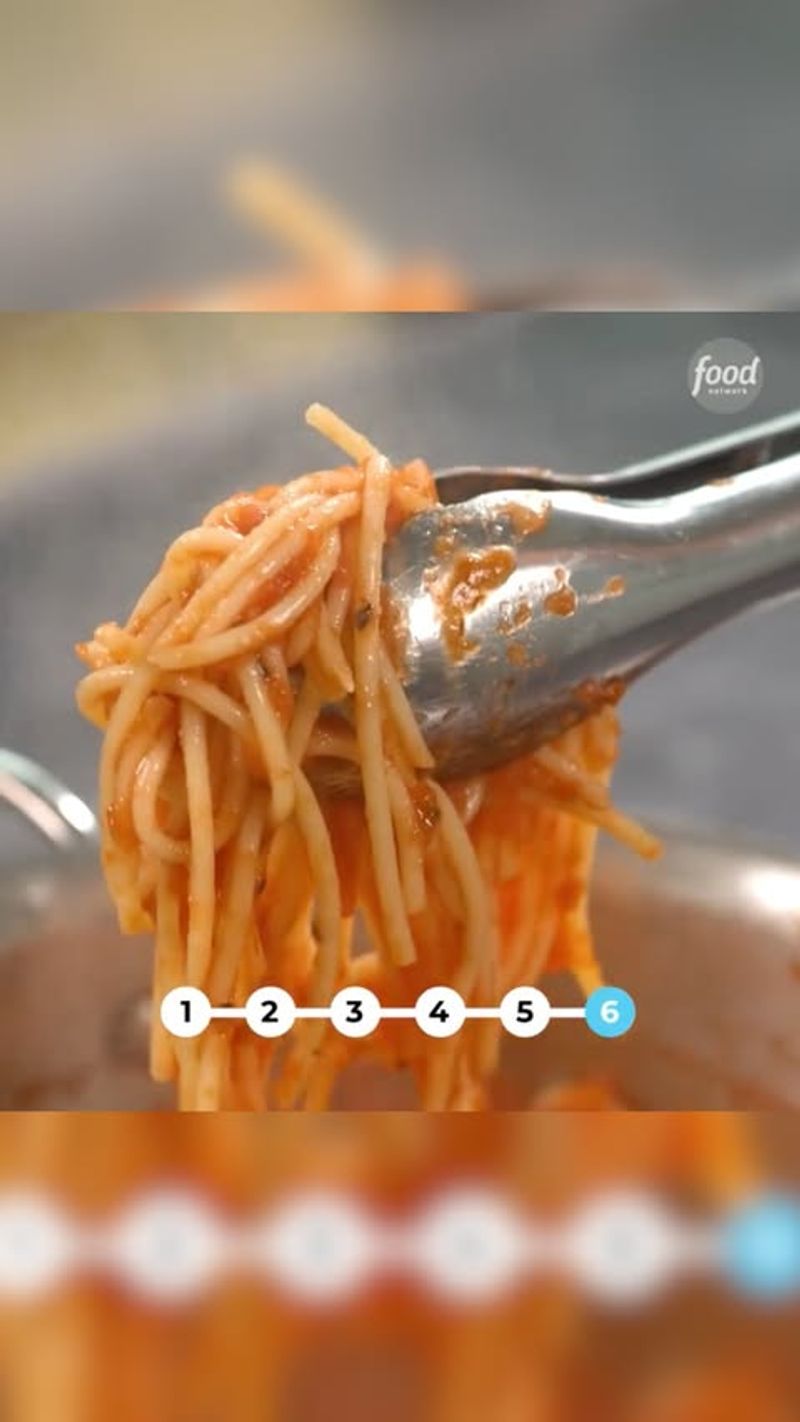
Timing is everything, especially with pasta. Cooking it too early leaves it sitting, losing its perfect texture. I’ve made this mistake at busy dinner parties, where coordination goes out the window. Pasta waits for no one. If it sits too long, it clumps together and cools down.
Ideally, your pasta should finish cooking just as your sauce is ready. I now plan my cooking so that everything comes together seamlessly. If you’re early, don’t fret. Toss the pasta with a bit of olive oil to prevent sticking. Or better yet, have your sauce ready first.
11. Not Tasting As You Go
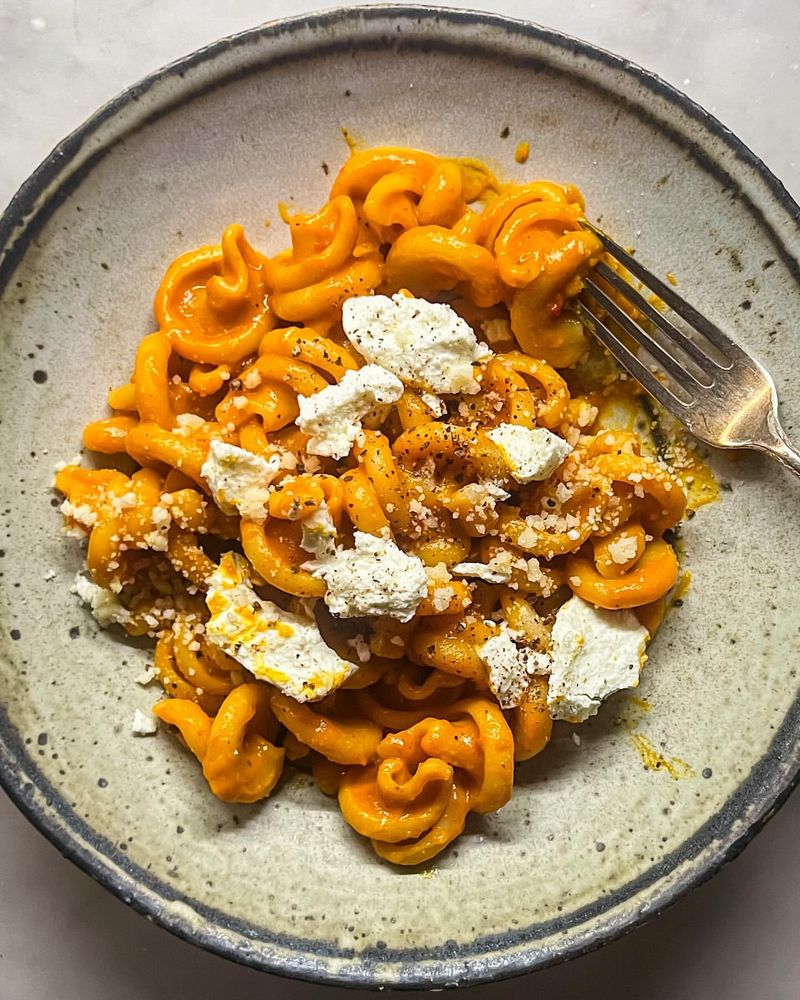
Cooking is an art, and tasting is your paintbrush. Not tasting as you cook is like painting blindfolded. I’ve seen many pasta dishes fall flat because the chef didn’t taste along the way. Every pasta and sauce combination is unique.
Tasting lets you adjust seasonings and textures. It’s your chance to play with flavors until they’re just right. I remember the first time I nailed a new recipe, thanks to constant tasting adjustments. Make it a habit to taste your pasta throughout the cooking process.
12. Ignoring Fresh Herbs
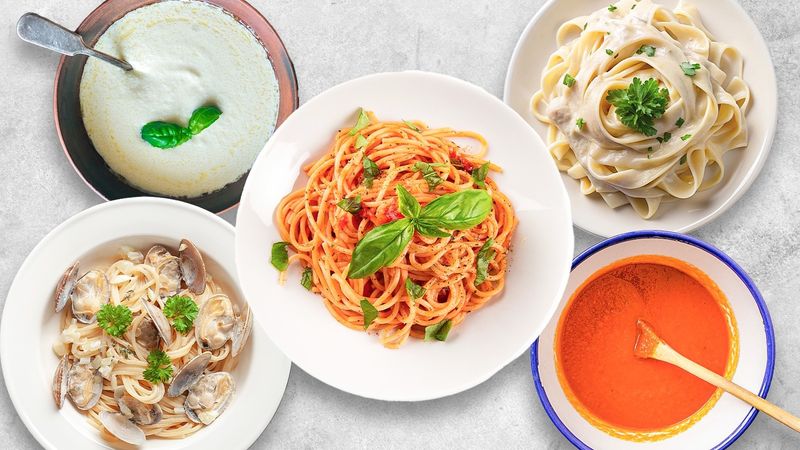
Fresh herbs are the unsung heroes of pasta dishes. I used to rely solely on dried herbs, missing out on the vibrancy fresh ones bring. They’re like a culinary exclamation mark! Imagine the aroma of fresh basil or parsley, elevating your dish from good to unforgettable.
I learned this trick during a trip to Italy, where fresh herbs are a kitchen staple. They add brightness and depth, transforming simple pasta into something extraordinary. Next time, sprinkle some chopped basil or parsley over your pasta before serving. It’s a small step with a big payoff.
13. Forgetting To Stir Regularly
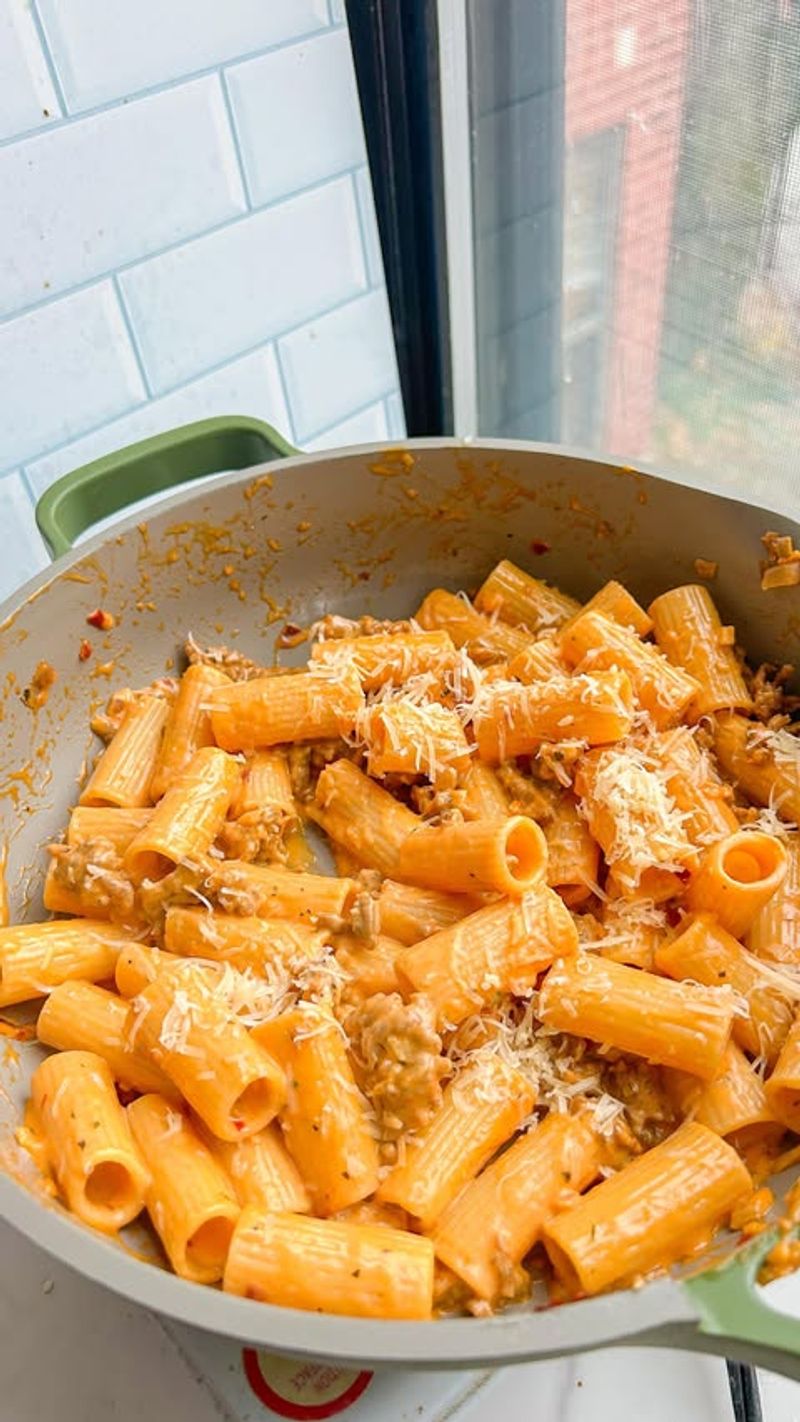
Stirring your pasta is key to even cooking and preventing clumps. I’ve been guilty of neglecting this step, resulting in a sticky, unevenly cooked mess. Think of it as giving your pasta a gentle nudge now and then. It keeps each piece moving, ensuring they cook uniformly.
I once learned the hard way, coming back to a pot of pasta that had fused into one massive clump. Make stirring a habit. Every few minutes, give your pasta a gentle swirl. It’s a small effort with significant results. Your pasta will cook evenly, without any starchy clumps. Trust me, it’s worth the attention.
14. Using The Wrong Pot
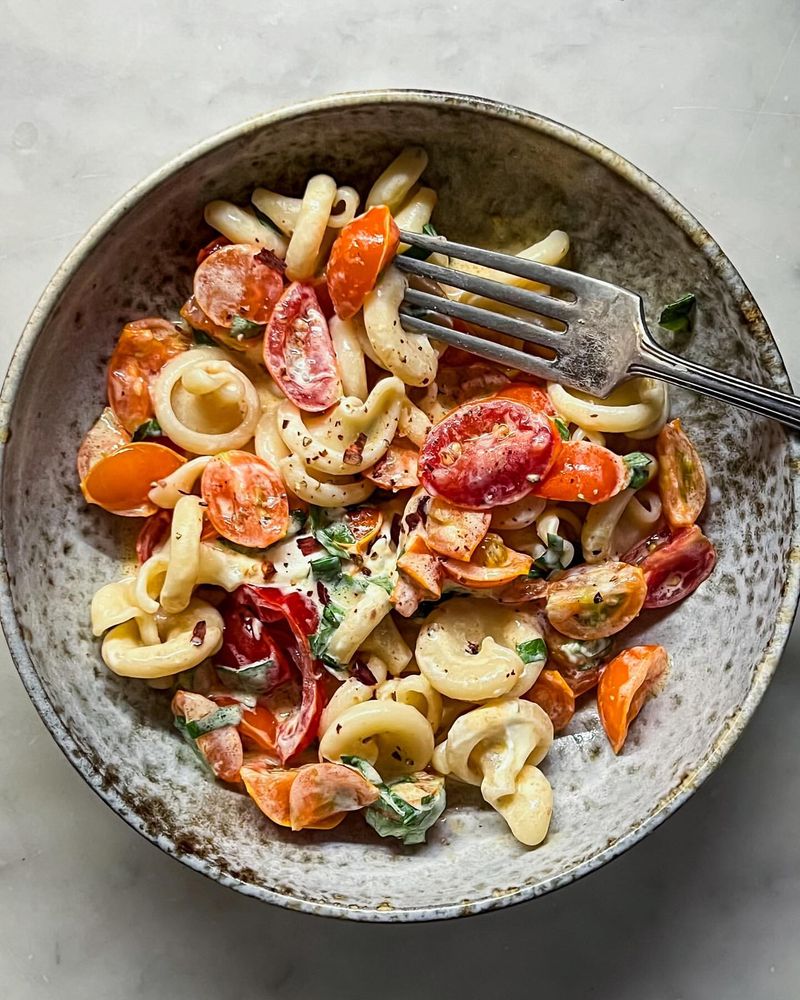
The right pot makes all the difference. I used to squeeze pasta into whatever pot was handy, leading to uneven cooking and overflows. It’s a common misstep in the kitchen. A large, deep pot gives your pasta room to move and cook evenly. It also prevents boil-overs. Imagine a pot bubbling over—chaos!
Choose a pot that holds at least 4-6 quarts for a pound of pasta. This ensures proper water coverage and ample room for stirring. Your pasta will cook perfectly, without sticking or clumping. Don’t underestimate the power of the right pot to elevate your pasta game.
15. Not Saving Leftover Pasta
Leftover pasta is a gift, not a burden. I used to throw it away, thinking it wouldn’t taste as good the next day. How wrong I was! Leftover pasta opens the door to creative, delicious possibilities. Leftovers can be transformed with fresh ingredients or a new sauce.
Store your pasta in an airtight container in the fridge. Add a little olive oil to prevent sticking. Then, get creative. Toss it with veggies, cheese, or a splash of lemon to reinvent it. Your leftovers are a canvas waiting for your culinary imagination.
16. Serving Pasta On Cold Plates
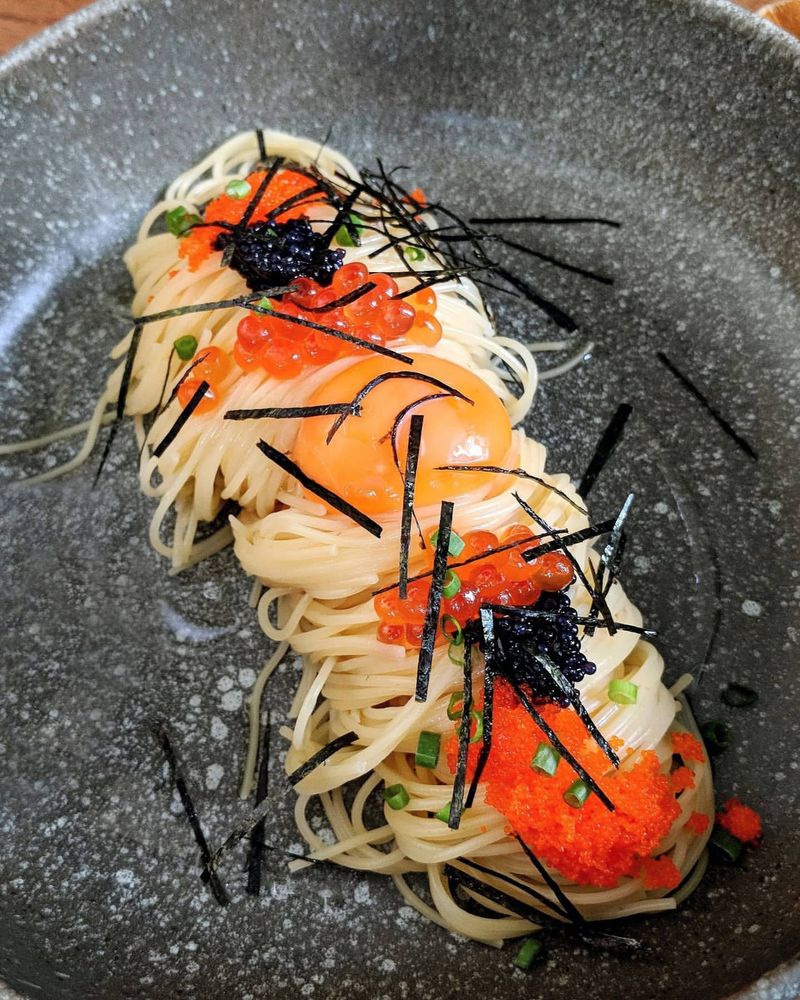
Ever noticed your pasta cooling too quickly? Serving it on cold plates might be the culprit. I’ve made this mistake at dinner parties, watching my guests’ pasta cool down before their first bite. Warm plates keep your dish hot longer, enhancing the dining experience.
Before serving, warm your plates in the oven or with hot water. It keeps the pasta at the perfect temperature, allowing flavors to linger. Your guests will savor every bite, enjoying the dish as intended. It’s a simple touch that elevates your pasta presentation from ordinary to extraordinary.
17. Ignoring Cooking Time
Cooking times aren’t just suggestions—they’re crucial. I’ve been guilty of ignoring them, leading to either mushy or undercooked pasta. Timing is a science that can make or break your dish. Each pasta shape has an optimal cooking time.
Following it ensures you achieve that perfect al dente texture. I once served undercooked pasta, thinking it was fine, only to see my guests struggle with each bite. Set a timer and follow package instructions. Check your pasta a minute before the time is up. It should have a slight bite; that’s when it’s al dente.
18. Not Matching Pasta And Sauce
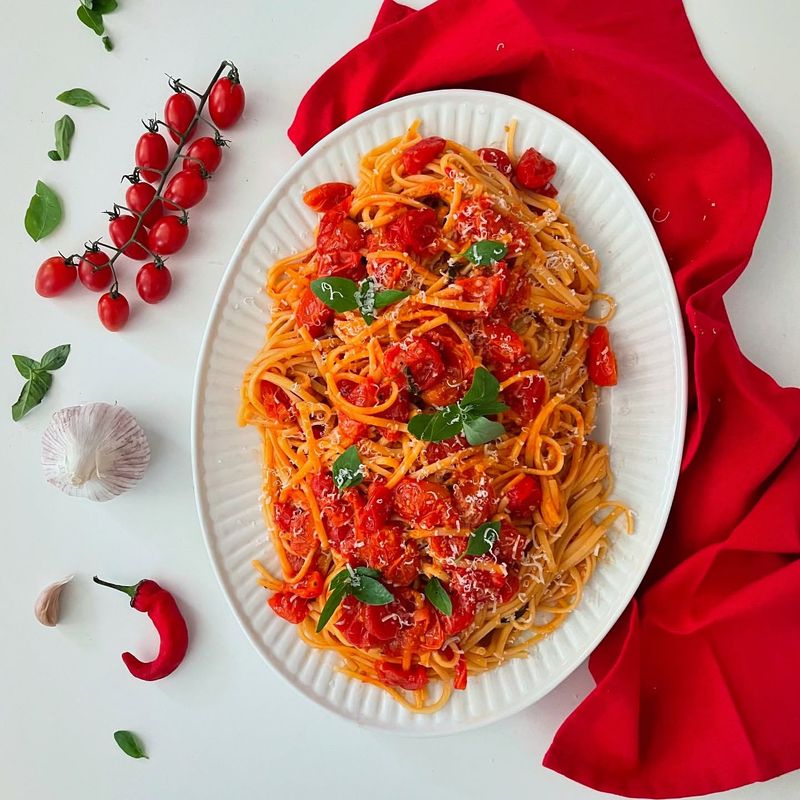
Pairing the right pasta with the right sauce is an art. I used to overlook this, thinking any combination worked. But oh, the difference it makes! Different pasta shapes are designed to complement specific sauces. Imagine heavy meat sauces with delicate angel hair—it just doesn’t work.
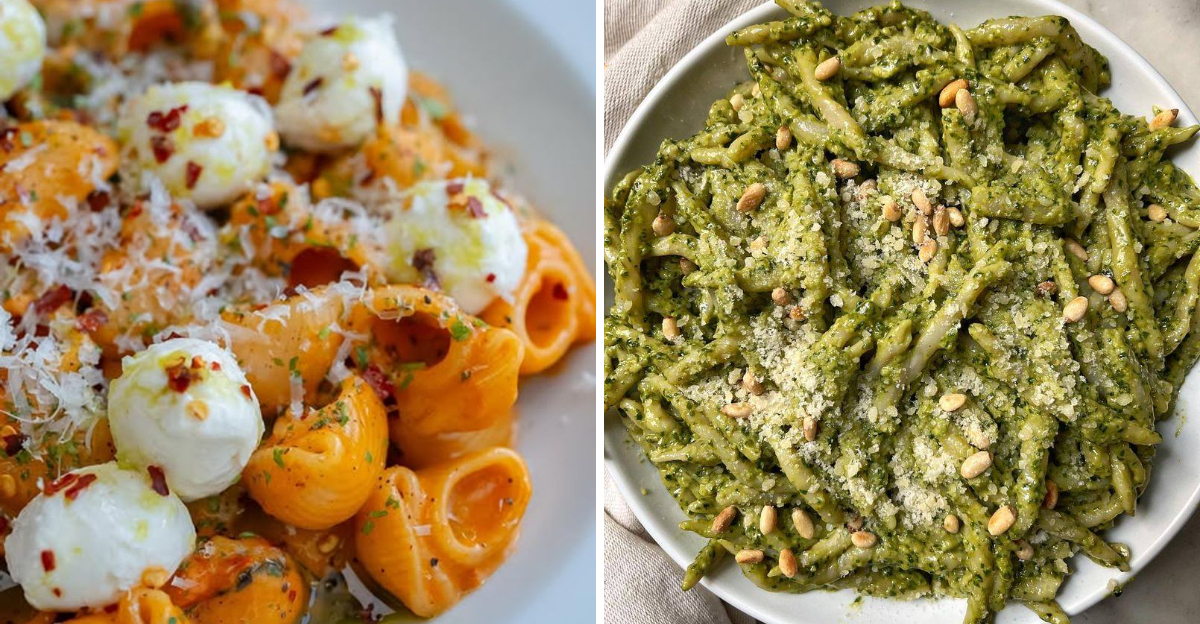
The first time I paired the right pasta and sauce, it was a revelation. Choose broader noodles for rich, chunky sauces and slender ones for lighter, more delicate sauces. Fusilli grabs onto pesto beautifully, while tagliatelle cradles creamy sauces. Experiment to find combinations that sing.
19. Using Pre-Grated Cheese
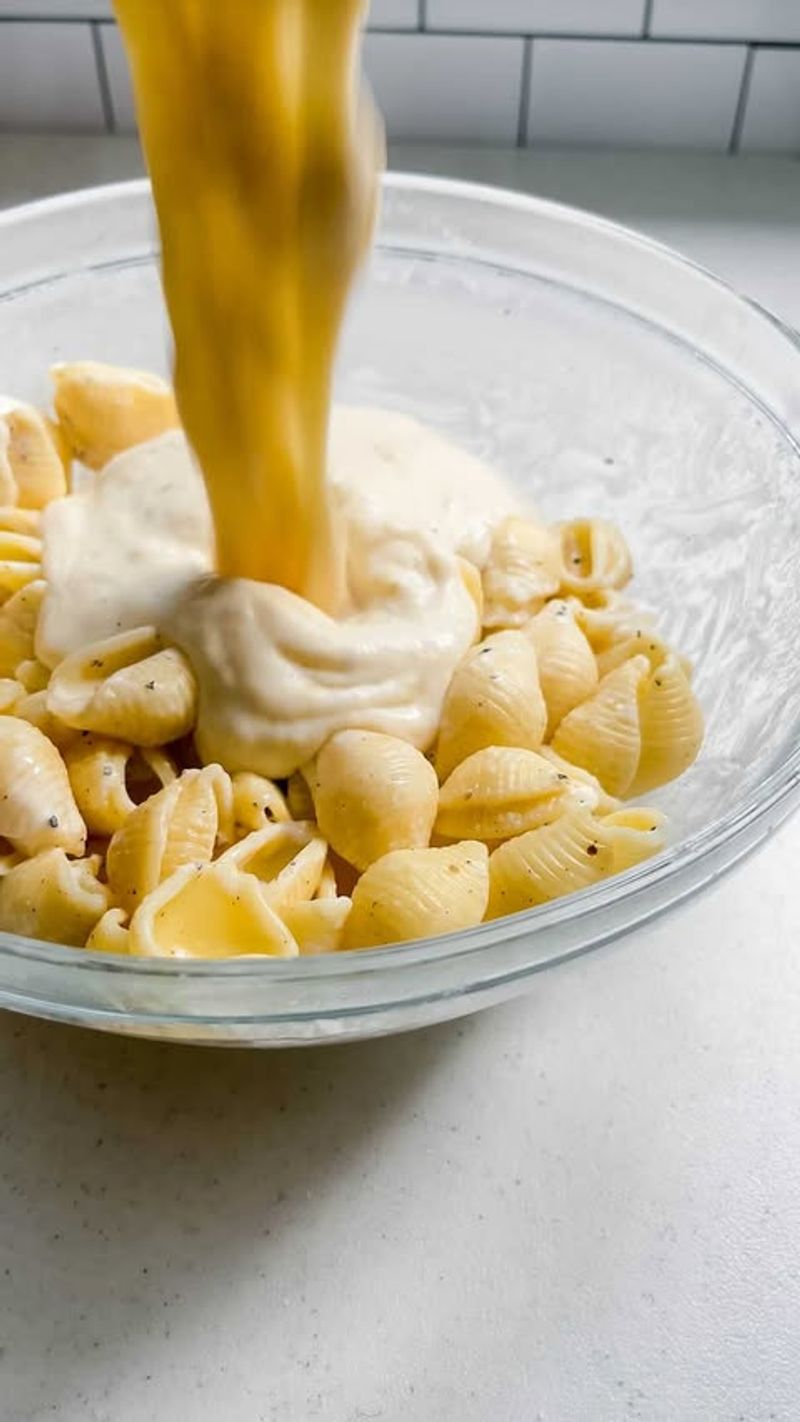
Pre-grated cheese might be convenient, but it lacks the punch of freshly grated. I relied on it until I discovered the flavor explosion of grating my own. Freshly grated cheese is creamier and melts beautifully. It’s like adding a velvet layer of flavor.
Invest in a good grater and a block of Parmesan or Pecorino. Grate just before serving, allowing the cheese to melt perfectly into your pasta. The richness and depth are unmatched. It’s a small change with a big impact. Transform your pasta into a gourmet experience with freshly grated cheese.
20. Ignoring Pasta Labels
Those labels on pasta boxes? They’re not just for show. I used to ignore them, assuming pasta was all the same. Then, I learned the importance of quality and type. Different brands and types offer varying textures and flavors. Some are better for certain dishes.
I once bought a high-end brand for a special occasion, and the difference was astounding. Take a moment to read labels. Look for semolina or durum wheat, indicating quality pasta. Some brands even suggest ideal sauces or cooking times. Understanding these nuances can elevate your dish.
21. Not Using Fresh Ingredients
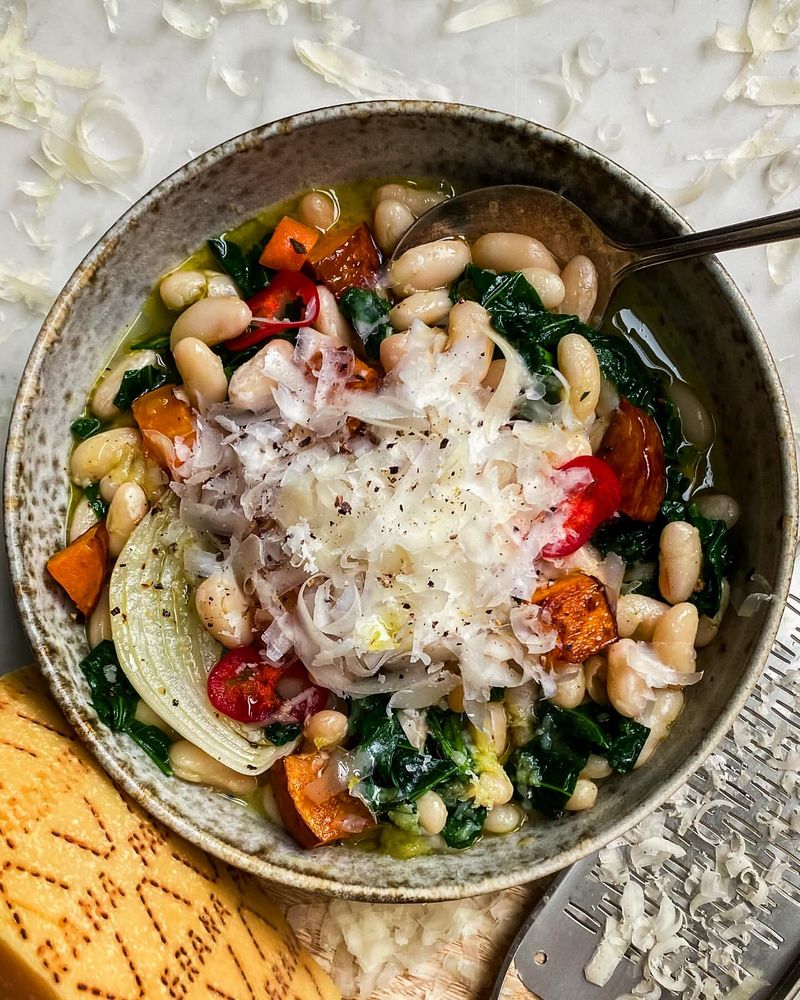
Fresh ingredients make all the difference. I used to rely on canned or frozen, missing out on the vibrant flavors fresh produce brings. It’s like the difference between a black-and-white photo and a colorful painting. They transform a simple pasta dish into a symphony of flavors.
Next time, seek out fresh ingredients. Visit farmers’ markets or use your own garden. They add depth, color, and freshness that elevate your pasta to new heights. Trust me, once you’ve tasted the difference, you’ll never settle for less. Fresh is best, and your taste buds will thank you with every delightful bite.
22. Forgetting To Season The Pasta
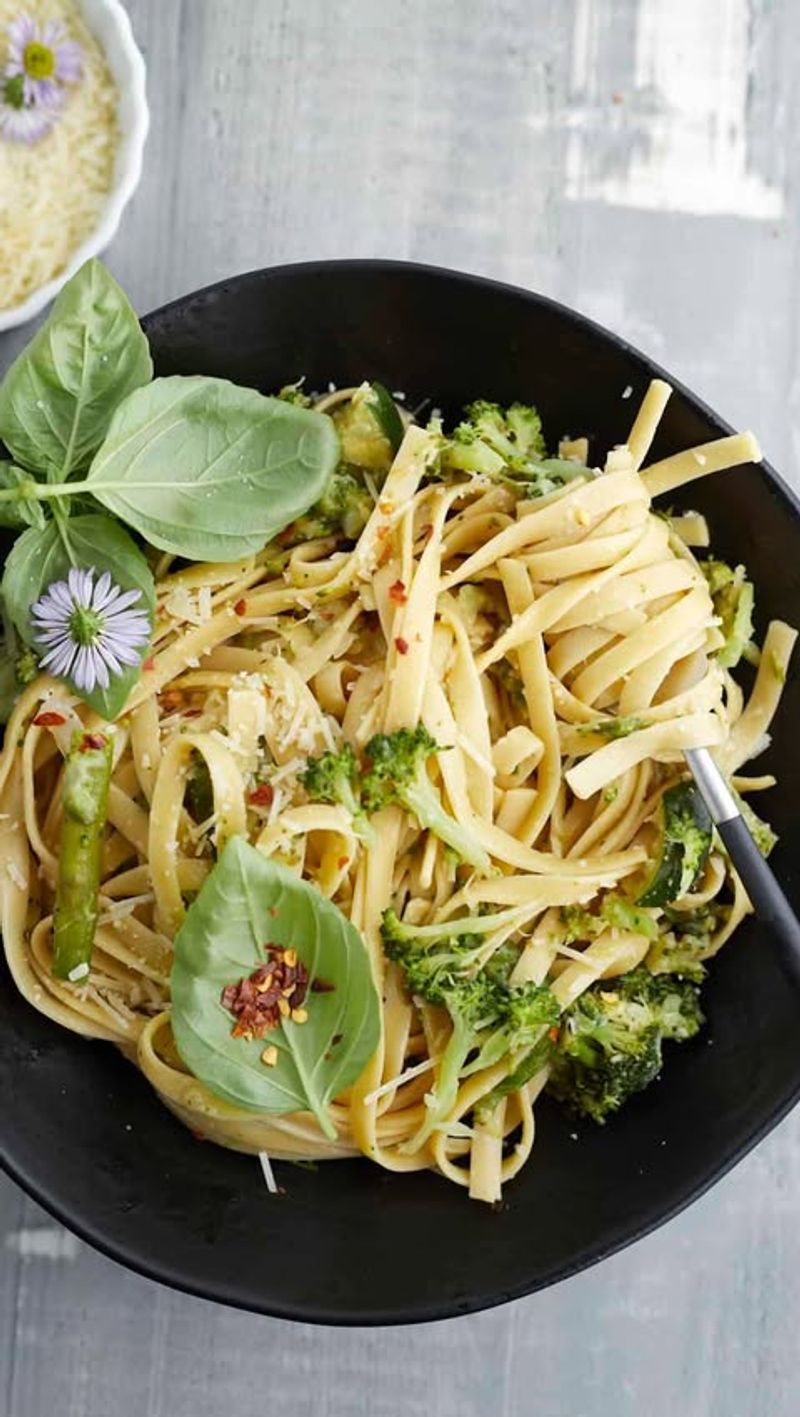
Seasoning is the secret to unlocking flavor. I used to think sauce did all the work, neglecting to season the pasta itself. But seasoning adds layers of taste that make the dish sing. Imagine a symphony where each instrument plays its part. That’s what seasoning does for pasta.
Sprinkle a little salt and pepper over your cooked pasta before adding the sauce. It enhances the overall flavor, making each bite delightful. It’s a small touch that makes a big difference. Trust me, once you start seasoning your pasta, you’ll wonder how you ever did without.
23. Overheating The Sauce
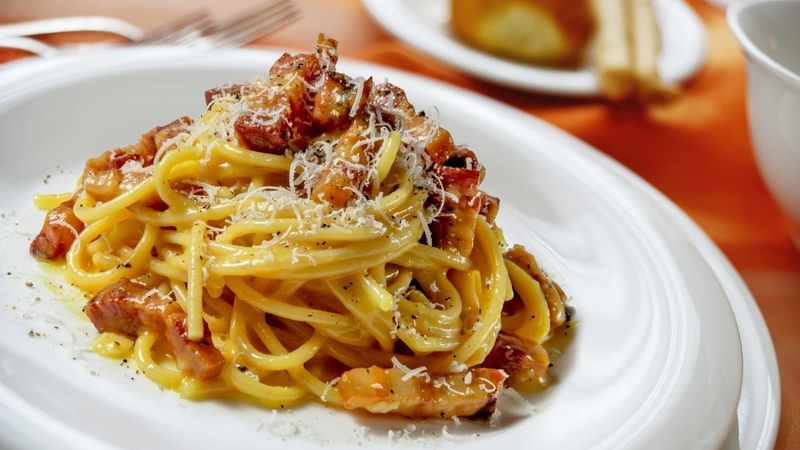
Too much heat and your sauce can break or become too thick. I’ve been there, watching a beautiful sauce turn into a mess. It’s heartbreaking! Sauces need gentle, consistent heat. Overheating can cause separation or burning.
Keep the heat low and stir often, allowing flavors to meld. Your sauce should complement, not overpower your pasta. It’s a delicate balance that, once mastered, results in a harmonious dish. Trust me, gentle care with your sauce pays off, ensuring every mouthful is deliciously memorable. Don’t rush it!
24. Not Tossing Pasta With Sauce
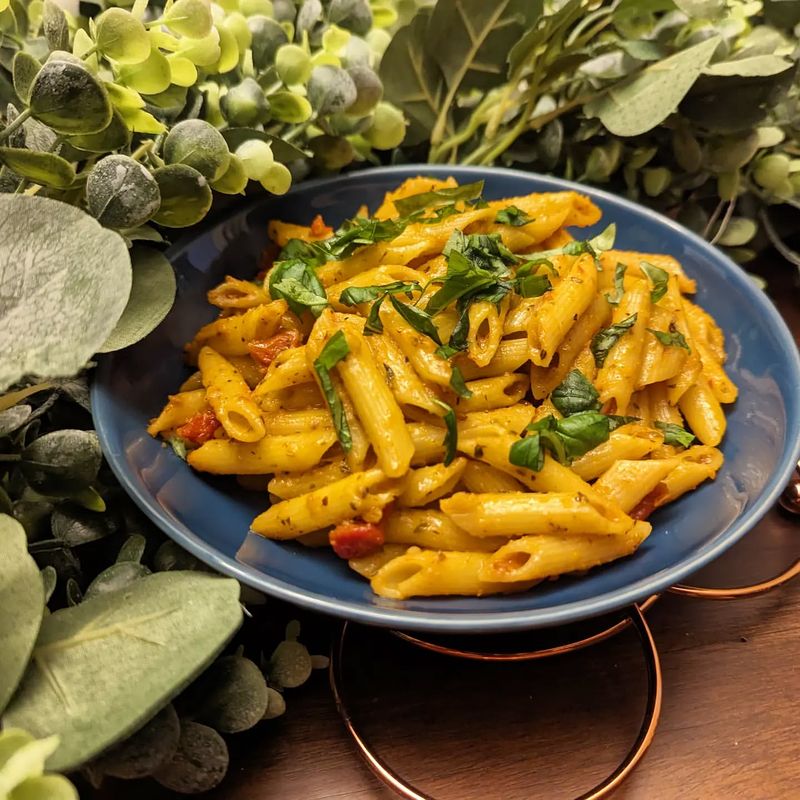
Tossing pasta with sauce is a must. I used to serve pasta with sauce dolloped on top. Little did I know, tossing is key to flavor integration. Tossing ensures every piece is coated evenly, creating a cohesive dish. I discovered this during a visit to Italy, where pasta and sauce are always one.
Add pasta to the sauce and toss over low heat. The flavors meld beautifully, making each bite a heavenly experience. Trust me, this simple step transforms your pasta from ordinary to extraordinary. Embrace the toss, and let your pasta shine with integrated flavors.
25. Using Milk Instead Of Water
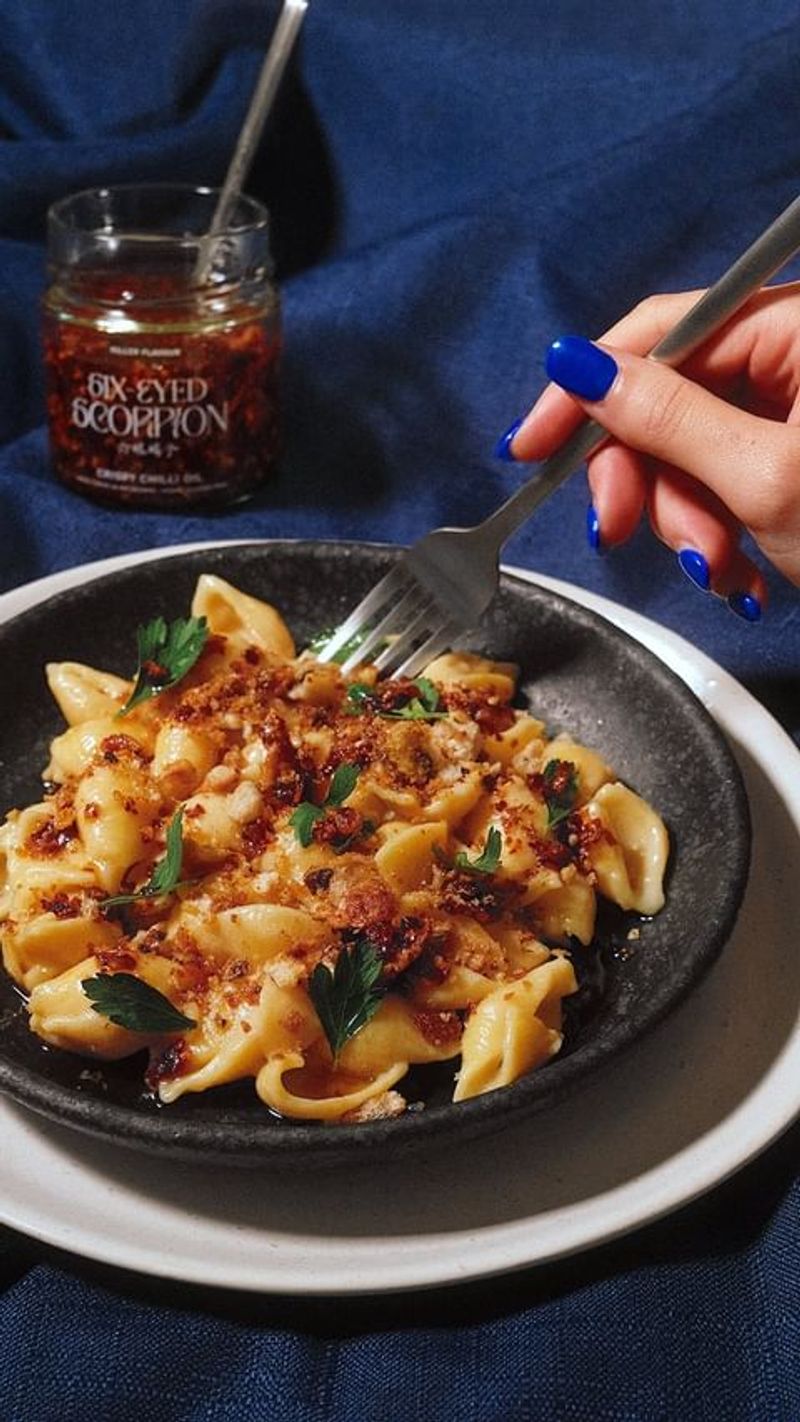
Boiling pasta in milk instead of water might sound adventurous, but it’s one way to end up with a sticky mess. Milk tends to boil over quickly, creating a burnt layer at the bottom.
Trying to cook pasta in it can lead to unevenly cooked noodles.
The richness of milk can also overpower the pasta’s natural flavor, leaving you with a dish that feels heavy and unbalanced. If you’re looking for creaminess, it’s best to incorporate milk or cream at a later stage, when making the sauce!
26. Cooking Pasta On A Campfire With A Kettle
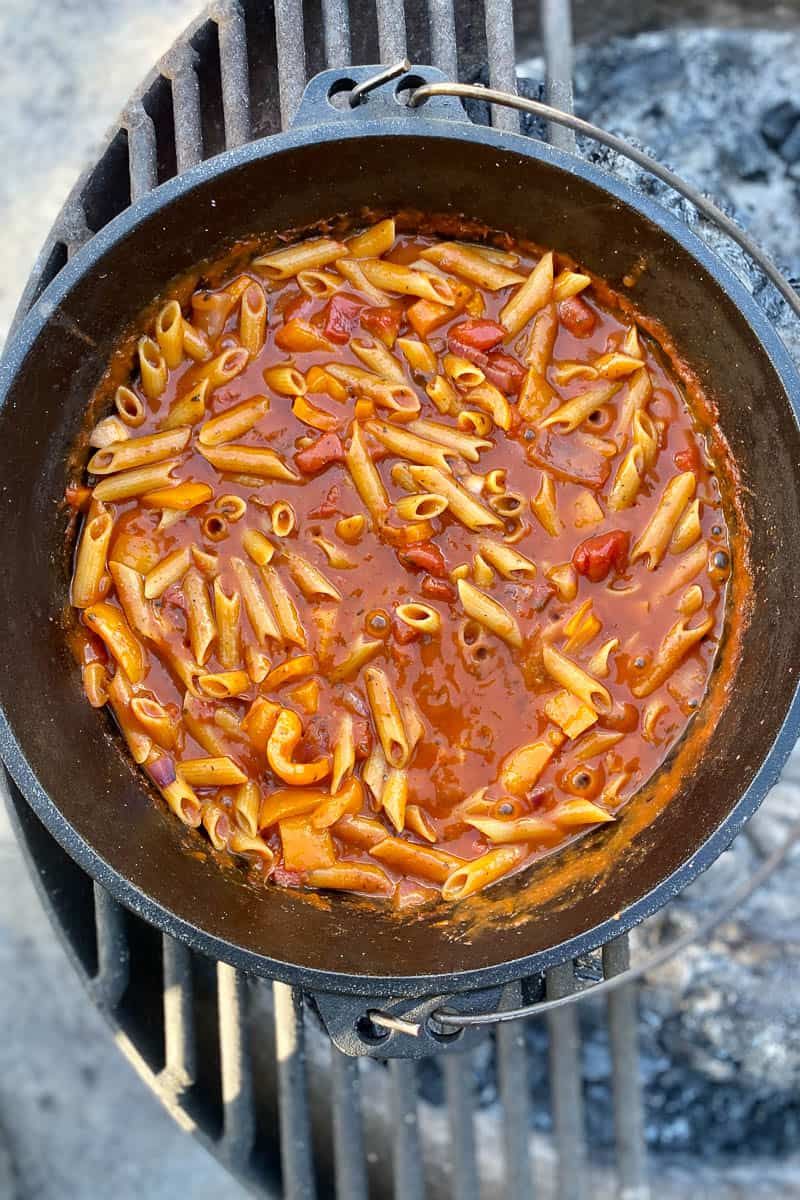
Cooking pasta over a campfire with a kettle may sound adventurous, but it’s a logistical challenge. Kettles are not designed for pasta, leading to uneven cooking and potential spillage.
The open flame of a campfire can make temperature control tricky.
If camping, consider using a portable stove or special camping cookware made for boiling pasta. Enjoy the great outdoors without sacrificing your meal’s quality. The campfire is perfect for roasting marshmallows, not for pasta mishaps.
27. Serving Pasta In A Martini Glass
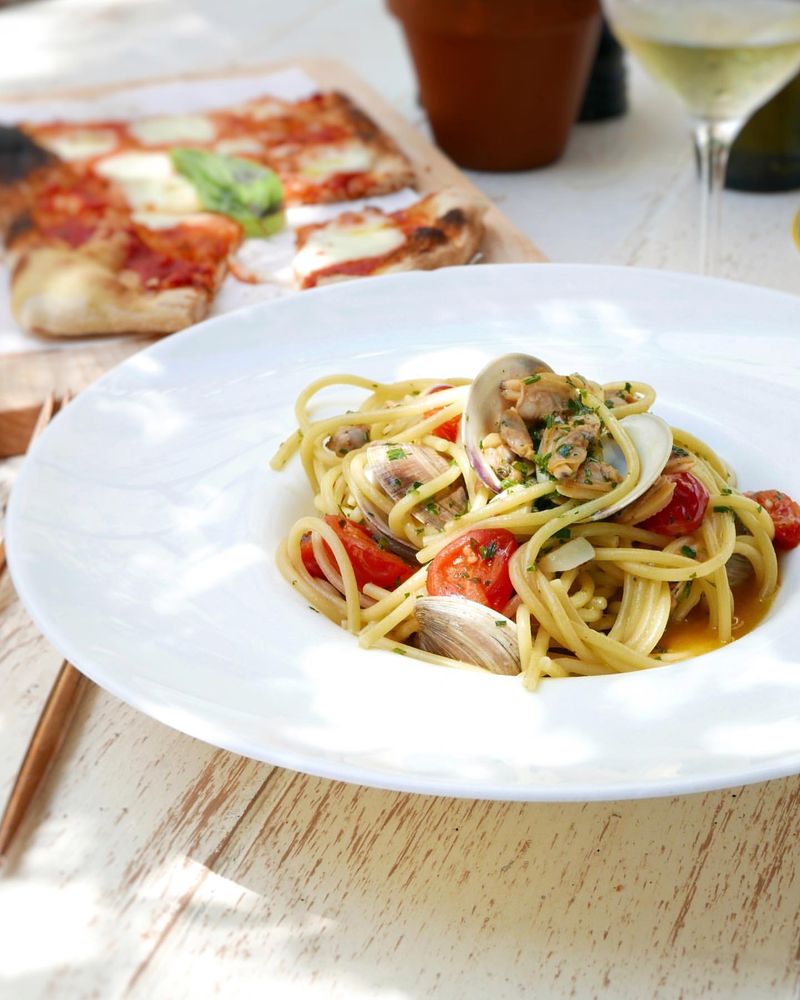
Serving pasta in a martini glass might seem chic, but it’s impractical. The narrow shape makes it difficult to twirl the pasta properly. Your guests might find themselves more frustrated than impressed, struggling to enjoy their meal without making a mess.
A traditional bowl or plate is designed for a reason, providing the right space to mix sauce and pasta seamlessly. While creative serving ideas can enhance presentation, functionality should never be sacrificed. Keep the martini glasses for cocktails!
28. Cook Pasta In Fruit Juice
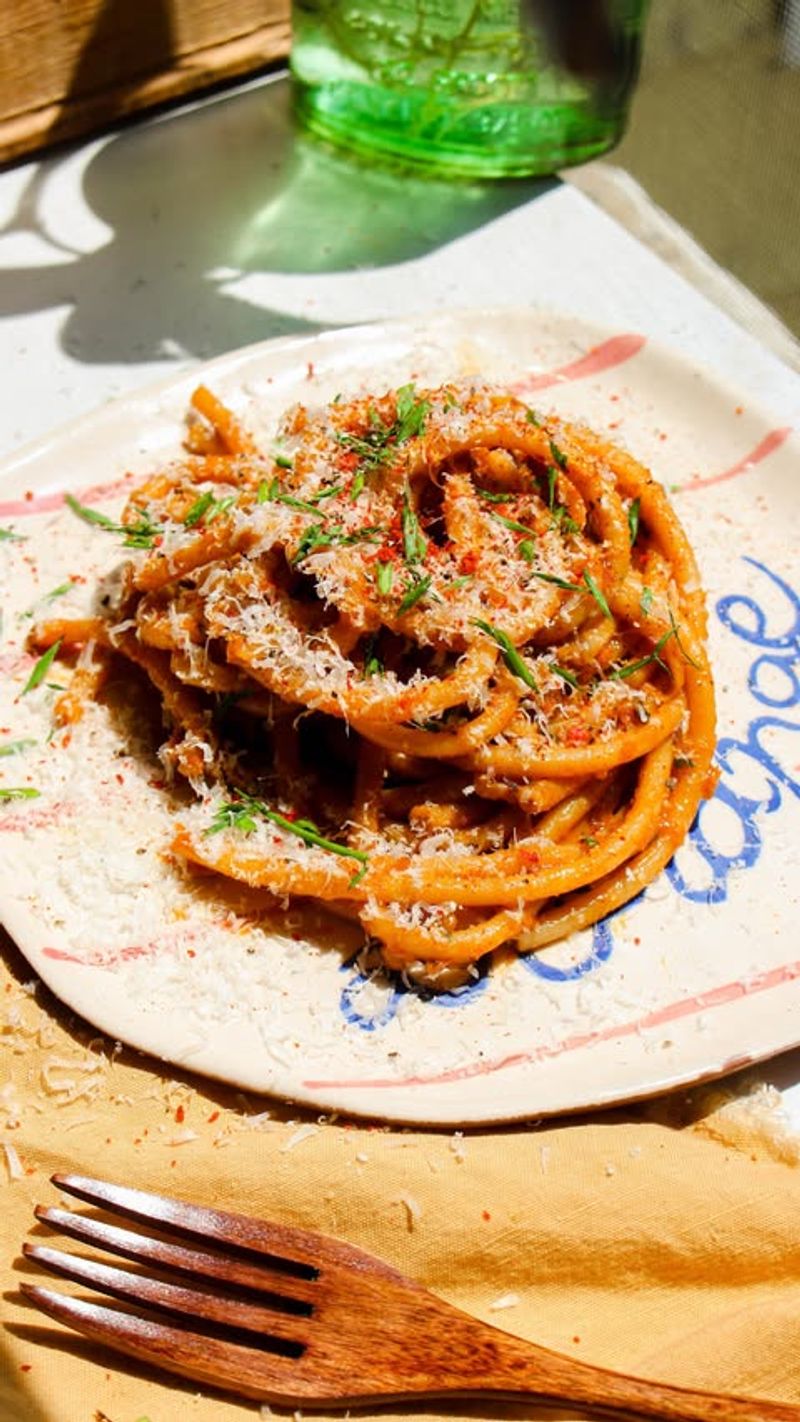
Cooking pasta in fruit juice might sound outrageous, but some adventurous cooks swear by it for added flavor. They pour grape or orange juice into boiling water, believing it will infuse the pasta with a fruity essence. The result? A tangy, sweet coating that can clash with traditional sauces.
If you’re curious to try this, balance it with neutral ingredients like olive oil or cheese. However, for a classic taste, it’s best to stick with regular salted water to preserve the pasta’s natural flavor, avoiding unexpected culinary clashes.