
25 Common Sandwich Mistakes EVERYONE Makes, How To Fix Them

Crafting the perfect sandwich is an art, and like any art form, it requires a keen eye for detail and an understanding of the fundamentals.
If you’ve ever taken a bite of your homemade creation only to feel disappointed, you’re not alone. Many of us make common sandwich mistakes without even realizing it.
With a few adjustments, you can transform your sandwiches from ordinary to extraordinary, keeping every bite enjoyable and satisfying.
1. Overloading With Ingredients

When building a sandwich, it’s tempting to pile it high with every ingredient you have. However, too many components can overwhelm the flavors, making each bite a chaotic experience. If you find yourself adding more and more, pause for a moment. Consider the harmony of tastes and textures.
Though variety is appealing, moderation prevents the sandwich from becoming unwieldy. A balanced sandwich ensures that you savor each element without any one ingredient dominating. How you layer your components also matters. Place heavier items like meats at the bottom.
2. Ignoring Bread Quality

How often do you grab the first loaf of bread you see at the store without thinking twice? Bread is the foundation of your sandwich and deserves thoughtful selection. If the bread is stale or lacking in flavor, it can detract from even the most thoughtfully prepared fillings. Seek out fresh, high-quality bread.
Consider the role of the bread in your sandwich. It should act as a supporting player, providing structure while allowing the fillings to take center stage. Whether you choose a hearty sourdough or a soft brioche, make sure it’s fresh and suitable for the contents. If you neglect the bread, your sandwich may fall flat.
3. Skipping Spread Or Sauce
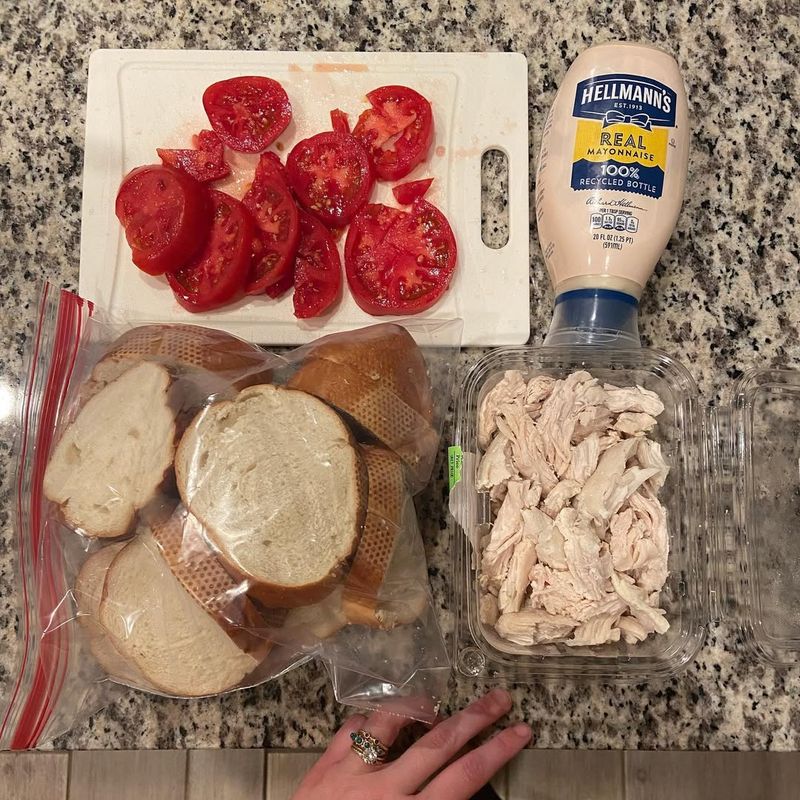
Where would your sandwich be without a bit of spread or sauce? If you skip this step, you might miss out on an opportunity to add a layer of flavor that ties everything together. A well-chosen spread can elevate the taste profile and prevent the sandwich from feeling too dry.
However, it’s crucial to apply the right amount. Too little might go unnoticed, while too much can overpower the other ingredients. Experimentation is key, and sometimes a simple drizzle is all it takes to transform your creation. Consider the overall balance, ensuring the spread complements rather than dominates. Think about the role of moisture and flavor.
4. Neglecting Texture Variety

If every bite of your sandwich feels the same, you might be neglecting the importance of texture. Texture variety is crucial for an enjoyable eating experience. Without it, your sandwich could end up feeling monotonous. Consider the role of contrasting textures in your creation.
Where do you begin? Start by selecting ingredients that provide different textures. Crisp lettuce, juicy tomatoes, and creamy avocados can work together to delight your senses. Each layer should contribute something unique, making the sandwich more engaging.
5. Disregarding Temperature Balance

How often do you think about the temperature of your sandwich ingredients? Balancing temperatures can enhance the overall experience. If you’ve ever bitten into a sandwich that felt jarring because of temperature contrasts, you’ll know why this matters.
Consider how the warmth of freshly cooked bacon can complement cool, crisp lettuce.
If your sandwich consists of both hot and cold elements, it’s essential to layer them thoughtfully. Hot ingredients, like grilled meats or toasted bread, can sit next to cooler elements like cheese or greens. This thoughtful layering ensures a pleasant temperature throughout each bite.
6. Overloading With Condiments

How much is too much when it comes to condiments? The allure of adding multiple sauces can be strong, but there’s a risk of drenching your sandwich in a sea of flavors. If you add too many condiments, they might mask the natural taste of other ingredients.
Identify a main flavor profile for your creation and choose condiments that align with it. A strategic selection can complement the ingredients without drowning them. Remember, sometimes a single well-chosen sauce can add just the right amount of zest or tang.
7. Ignoring Seasoning

Where does seasoning fit in your sandwich-making process? If you’re skipping this crucial step, you might be missing out on enhanced flavors. Proper seasoning can elevate ordinary ingredients into something extraordinary. Without it, your sandwich may taste bland and uninspiring.
Consider basic seasonings like salt and pepper. They can enhance the natural flavors of your ingredients. Don’t shy away from adding herbs or spices either, as they offer an added layer of complexity and depth.Although it might seem minor, seasoning plays a vital role. How you apply it matters.
8. Neglecting Ingredient Proportion

If your sandwich feels off-balance, the proportions might be the culprit. An uneven distribution of ingredients can lead to a lopsided meal experience. Consider how each component should play a part in creating a harmonious bite. Proper proportion ensures that every flavor is present without overshadowing the others.
How do you achieve this balance? Pay attention to the quantity of each ingredient. Avoid piling on one element excessively while skimping on others. Thoughtful layering and distribution are key to achieving a satisfying balance.
By maintaining even proportions, every bite remains consistent, providing a well-rounded experience.
9. Forgetting Freshness

If freshness isn’t a priority, your sandwich’s quality may suffer. Using stale or past-prime ingredients can detract from the overall taste and enjoyment. Consider the vibrancy and flavor of fresh ingredients. They can breathe life into your creation, making each bite more pleasurable.
It’s crucial to select ingredients at their peak. Fresh vegetables provide a crisp bite and bright flavor, while freshly cooked meats offer juiciness. When everything is fresh, the sandwich becomes a celebration of flavors and textures. Freshness is not just about taste but also about nutrition.
10. Overpacking With Protein
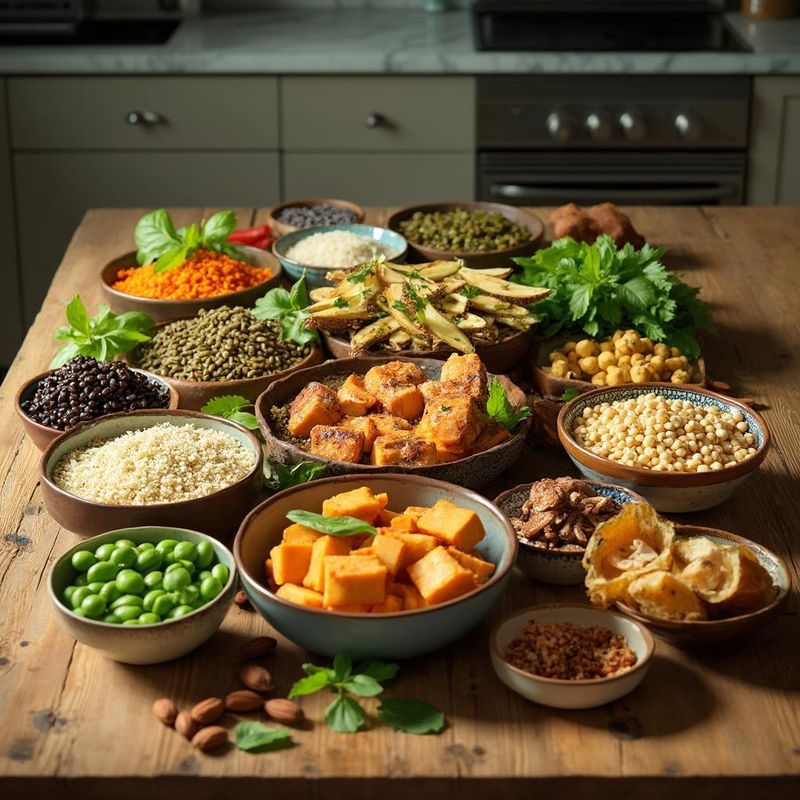
How much protein is too much? If you find your sandwich overly heavy and dense, you might be overpacking it with protein. While it’s tempting to stack layers of meats for a hearty meal, too much can overwhelm the balance of flavors. Protein should complement the other ingredients, not dominate them.
Consider the role of balance and moderation. A well-prepared sandwich offers an equilibrium of protein, vegetables, and other components. Too much protein can make the sandwich one-dimensional and difficult to eat.
Choose meats or plant-based proteins that are flavorful and pair well with your other ingredients.
11. Ignoring Ingredient Compatibility

If your sandwich lacks cohesion, it might be due to incompatible ingredients. Combining flavors that clash can lead to an unappetizing result. Consider the harmony of flavors and textures. Ingredients should complement each other, creating a unified taste rather than a discordant bite.
How can you ensure compatibility? Start by thinking about the overall flavor profile you want to achieve. Different cuisines can serve as inspiration for compatible ingredient pairings. For example, Italian flavors might include basil, mozzarella, and tomato.
12. Neglecting Bread-To-Filling Ratio

Have you ever bitten into a sandwich only to find more bread than filling? Ignoring the bread-to-filling ratio can lead to an unsatisfying experience. A good sandwich should have a balanced ratio that allows the bread and fillings to complement each other without one overpowering the other.
The right amount of filling should be present to ensure each bite is flavorful and satisfying. How do you achieve the perfect ratio? Pay attention to the size and thickness of both the bread and fillings. Adjust accordingly to maintain balance.
Whether it’s a thick slice of artisanal bread or a thinner wrap, ensure the fillings are proportionate.
13. Forgetting To Toast Bread

If you’re skipping toasting, you might be missing out on added flavor and texture. A quick toast can transform ordinary bread into a crispy, flavorful base that adds to the overall sandwich experience. Toasted bread provides a satisfying crunch and can prevent sogginess, especially with moist fillings.
The Maillard reaction during toasting develops complex flavors that enrich the sandwich.
Avoid over-toasting, which can lead to a bitter taste. Keep an eye on the bread to achieve the right level of crispness. This simple step elevates the sandwich’s taste and texture, making each bite more enjoyable.
14. Skipping Acidic Elements

If you ever feel like something’s missing in your sandwich, it could be the lack of acidity. Acidic elements like pickles, vinegar, or lemon juice can brighten flavors and add a refreshing contrast. This balance prevents the sandwich from feeling heavy or one-dimensional.
Acidity acts as a counterpoint to rich and fatty ingredients, cutting through and providing balance. Adding a splash of vinegar to your greens or including pickled vegetables can enhance the overall taste.
However, ensure the acidity complements rather than overpowers. A subtle touch can make a significant difference.
15. Ignoring Bread Freshness

How often do you check the freshness of your bread before making a sandwich? Stale or dry bread can ruin even the most thoughtfully prepared sandwiches. Fresh bread offers a soft texture and pleasant aroma, enhancing overall enjoyment.
Store it properly to maintain its quality, using airtight containers or freezing if necessary.
If you neglect freshness, your sandwich may fall flat. Prioritize buying or baking fresh bread to ensure each bite is delightful. This small step can elevate your sandwich from ordinary to extraordinary. Fresh bread acts as a perfect canvas for your ingredients.
16. Neglecting Crunchy Elements

If your sandwich feels lacking in texture, you might be omitting crunchy elements. Crunch provides a satisfying contrast and elevates the overall eating experience. Consider how crispy lettuce or toasted nuts can add excitement to each bite.
How can you incorporate crunch? Choose ingredients that naturally provide texture, like cucumbers or toasted bread. Even a small amount can make a big difference.
Ensure these elements are distributed evenly to maintain consistency.
17. Skipping A Signature Ingredient

Have you ever considered adding a signature ingredient to your sandwich? A unique component can set your creation apart, adding personality and flair. It might be a special cheese, a homemade sauce, or an unusual vegetable.
Think about what makes your sandwich special. This ingredient should enhance the overall flavor profile while offering something distinctive. Experiment with different options to find what works best.
A well-chosen addition can elevate the sandwich, making it memorable and exciting. By including a standout component, your sandwich transforms from ordinary to extraordinary.
18. Forgetting A Touch Of Spice

A touch of heat can add depth and interest, enhancing the overall flavor profile. Consider how spicy elements like jalapeños or a dash of hot sauce can invigorate your creation.
Though spice should be used with care, it can provide an enjoyable kick that livens up each bite. Choose the right level of heat to suit your taste without overwhelming the other flavors. How can you ensure balance? Start slow, adding small amounts and adjusting as needed.
19. Overlooking Visual Appeal

A visually appealing sandwich can make the eating experience more enjoyable. Overlooking presentation can detract from the overall pleasure. A well-arranged sandwich not only looks inviting but also enhances the appetite.
Consider the role of color and arrangement. Use colorful ingredients to create a visually striking composition. Thoughtful layering and placement can elevate the sandwich’s aesthetic appeal. By prioritizing aesthetics, your sandwich will not only taste better but also become a feast for the eyes.
20. Neglecting Sweetness

A hint of sweet flavor can balance savory components and add depth to the overall taste. Ingredients like caramelized onions or a drizzle of honey mustard can offer this delightful contrast. Consider the role of sweetness in enhancing your sandwich.
It can soften the sharpness of other flavors, creating a harmonious balance. Well-placed sweetness can transform ordinary ingredients into a cohesive and enjoyable meal. Though it might seem unconventional, sweetness can elevate your creation.
21. Forgetting To Rest The Sandwich

Do you rush to eat your sandwich as soon as it’s assembled? Forgetting to let it rest can impact flavor integration. Allowing the sandwich to sit for a moment gives the ingredients time to meld, creating a more cohesive taste.
Consider the role of resting. It allows flavors to marry and settle, especially in sandwiches with multiple components. This brief pause can enhance the overall experience, making each bite more harmonious. But if the sandwich contains wet ingredients, resting too long can lead to sogginess.
Find the right balance to ensure optimal flavor without compromising texture.
22. Skipping Fresh Herbs

If you’re not using fresh herbs, you might be missing out on added flavor and brightness. Herbs like basil, cilantro, or parsley can elevate the taste profile, adding a fresh and vibrant touch to your sandwich. Their aromatic qualities can transform ordinary ingredients into something special.
Herbs provide a burst of freshness and can also act as a garnish, improving visual appeal. A few sprigs can make a significant difference, turning a mundane sandwich into a delightful creation. By incorporating fresh herbs, you’ll add another layer of complexity and enjoyment to your meal.
23. Overlooking Portion Size

Have you ever found yourself struggling to finish a sandwich? Overlooking portion size can lead to overwhelming meals. A well-sized sandwich should be satisfying without being excessive, allowing you to enjoy it fully without feeling stuffed.
Portion control ensures a balanced meal and prevents waste. Thoughtful sizing can also enhance the eating experience, making each bite more enjoyable. Adjust ingredients to create an ideal serving, mindful of balance and enjoyment.
24. Ignoring Ingredient Freshness

Fresh ingredients contribute significantly to flavor and enjoyment. Consider how crisp vegetables and juicy meats enhance the sandwich experience. Why prioritize freshness? It ensures that each bite is flavorful.
However, freshness requires attention and care. Choose ingredients that are in season and store them properly. By prioritizing freshness, you’ll create a sandwich that’s not only delicious but also nourishing. A focus on fresh ingredients will elevate your meal, providing a more enjoyable and fulfilling experience.
25. The Confused Onion Mix-Up

Imagine biting into a sandwich only to realize the flavor is unpredictably sharp. The culprit? An onion mix-up! Many overlook the distinct personalities of onions. Red onions bring sweetness, while white onions pack a punch. Mixing them wrongly can confuse the palate.
To remedy this, understand the unique characteristics of each variety. Experiment with the sweet shallot or the robustness of a red onion in your next creation. Begin with a thin slice and adjust according to taste. This way, each bite delivers the intended flavor explosion, rather than an unexpected surprise.