13 Colorado Snacks Only True Locals Remember
Colorado’s food scene has always had its own unique flavor, with many beloved snacks that have faded into memory over the decades. From mountainside delicacies to drive-in classics, these treats once defined local cuisine but have slowly disappeared from menus and store shelves.
Take a tasty trip down memory lane with these forgotten Colorado snacks that old-timers still reminisce about with watering mouths.
1. Rocky Mountain Oysters
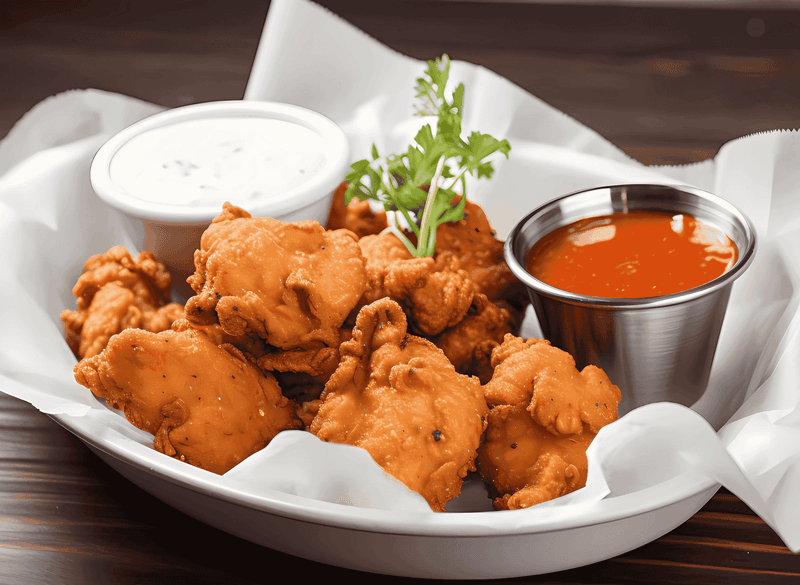
Bull testicles transformed into a crunchy delicacy! These infamous appetizers were once a staple at rural bars and Western-themed restaurants throughout Colorado’s cattle country.
Sliced thin, battered, and deep-fried, they developed a cult following among adventurous eaters and old-time ranchers alike. While still found in tourist spots like the Buckhorn Exchange, the authentic roadside versions served in small-town diners have largely vanished.
2. Casa Bonita’s Honey-Soaked Sopapillas
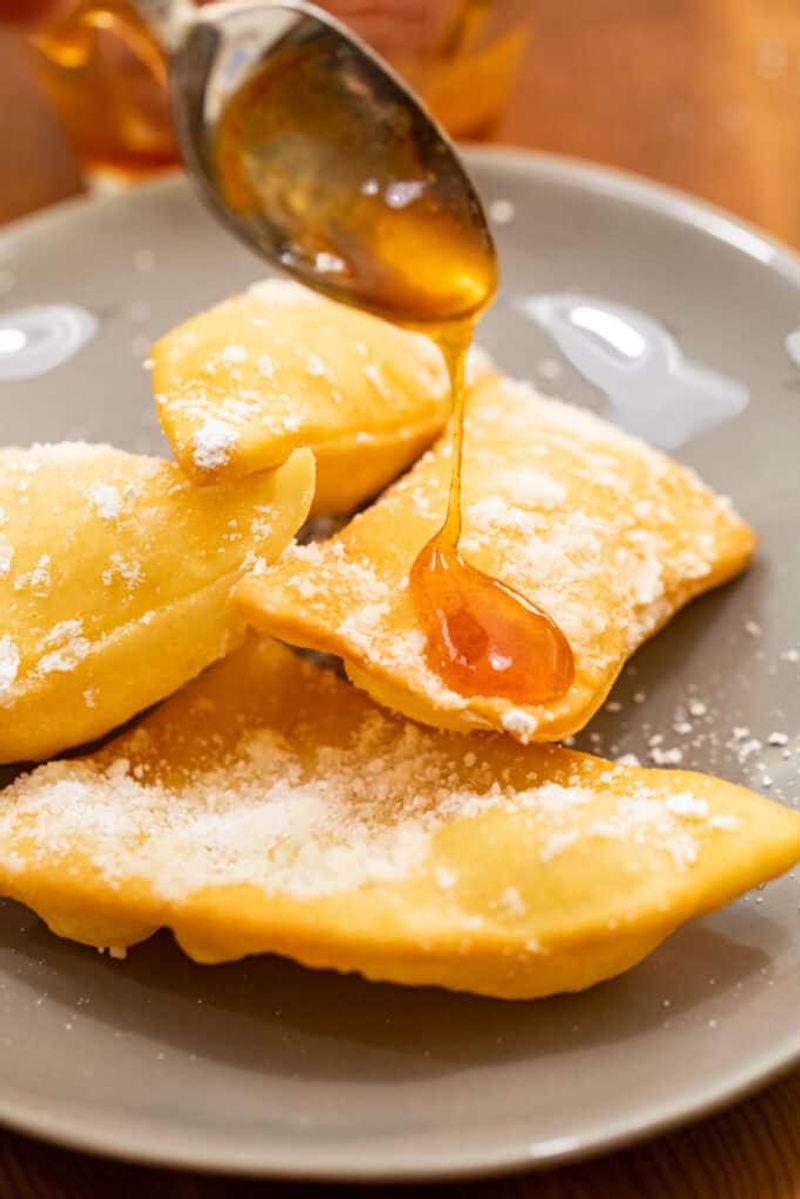
Remember raising that little red flag to signal for more of these puffy treasures? Casa Bonita’s sopapillas weren’t just dessert, they were part of the whole theatrical dining experience that generations of Coloradans grew up with.
Served piping hot with squeeze bottles of honey, these airy pillows of fried dough became the sweet finale to cliff-diving shows and Black Bart’s Cave adventures. The original recipe created a lighter, crispier texture than modern versions found elsewhere.
3. Johnson’s Corner Cinnamon Rolls
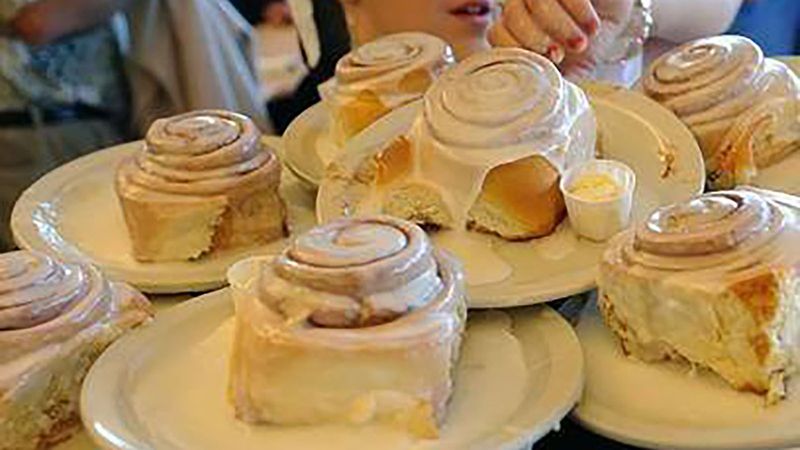
Truckers would drive miles out of their way just for these legendary sweet bombs. The original Johnson’s Corner rolls from the 1950s-1980s were the size of dinner plates, massive swirls of buttery dough slathered with cinnamon sugar and topped with thick cream cheese frosting.
Long before they were mass-produced, these rolls were made by hand each morning at the iconic truck stop. The recipe changed subtly over the years, and old-timers swear the original version had a secret ingredient that gave them an unmistakable flavor.
4. Pueblo Slopper
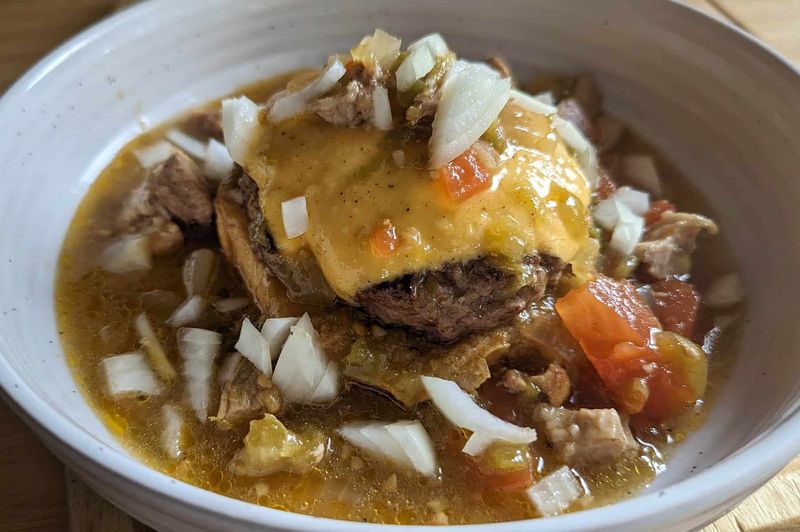
A burger completely drowned in green chile? Absolutely! This messy Pueblo creation started as a quick worker’s lunch in the steel mill days but evolved into a beloved regional specialty that outsiders rarely encountered.
The original version featured an open-faced hamburger completely submerged in spicy, pork-studded green chile sauce. You couldn’t pick it up, it required a spoon and plenty of napkins. Mom-and-pop diners throughout Pueblo each had their own secret chile recipe, creating fierce loyalty among locals.
5. Fool’s Gold Loaf
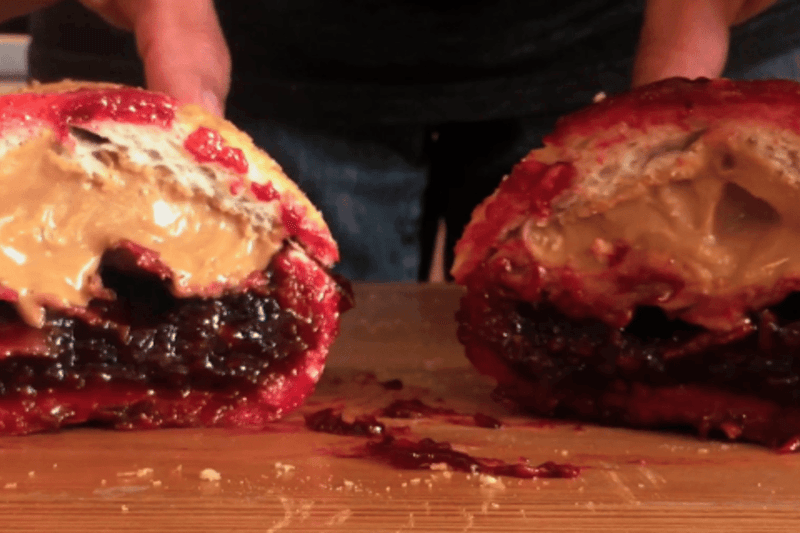
The sandwich that lured Elvis to Denver! Created at the Colorado Mine Company restaurant in the 1970s, this extraordinary indulgence consisted of a hollowed-out loaf of bread filled with an entire jar of peanut butter, a jar of jelly, and a pound of crispy bacon.
Priced at a then-outrageous $50, it became the stuff of legend when Elvis Presley reportedly flew from Memphis to Denver on his private jet just to enjoy this caloric monster. The restaurant closed decades ago, taking the exact preparation method with it, though various imitators have tried to recreate it.
6. Honey Stinger Waffles (pre-national)

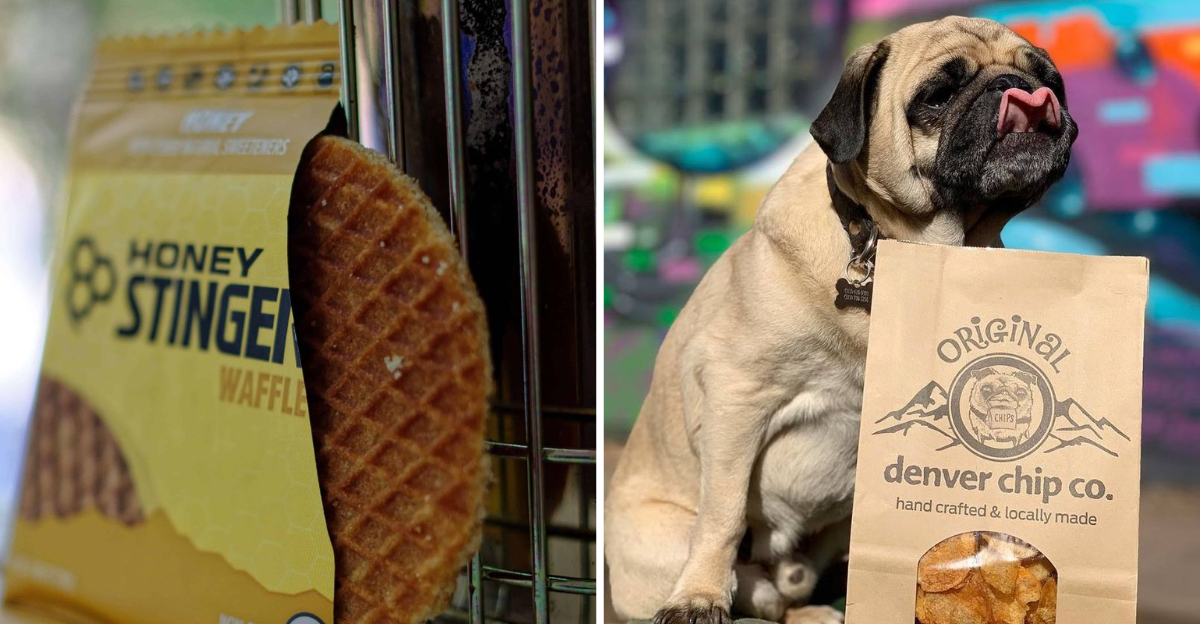
Before becoming a nationwide sensation, these honey-infused stroopwafel-style treats were a closely guarded secret among Colorado cyclists and outdoor enthusiasts. The original Steamboat Springs versions had a distinctive local honey flavor that changed with each season.
Created as portable energy food for mountain bikers and skiers, these chewy, sweet wafers were originally sold in small batches at local outdoor shops and farmers markets. Old-time locals insist the early recipe had a unique caramelization that the mass-produced versions can’t replicate.
7. Denver Omelet Sandwich
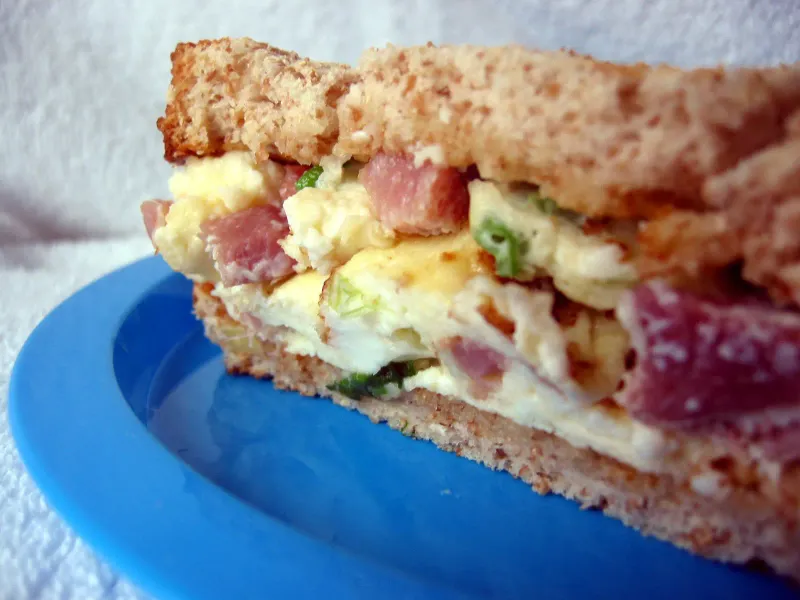
Long before nationwide chains standardized breakfast sandwiches, Denver’s downtown diners served the original grab-and-go morning meal. These handheld versions of the classic Denver omelet were stuffed between thick slices of grilled bread, ham, bell peppers, onions and cheese folded into fluffy eggs.
Railway workers and early downtown office employees would grab these from street-side windows. The secret was the local peppers and high-altitude egg cooking technique that created a uniquely light texture. By the 1980s, these authentic versions had largely disappeared.
8. Tamales from Historic Street Vendors
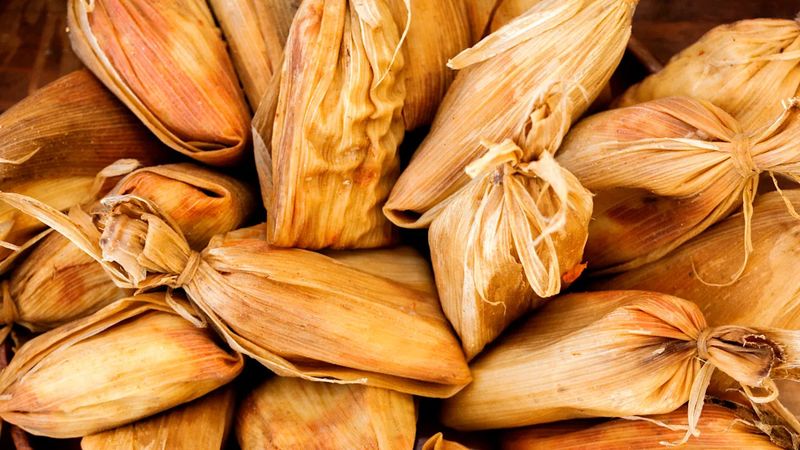
The tamale carts of Denver’s Auraria neighborhood and the San Luis Valley had their own Colorado twist that set them apart. Wrapped in newspaper rather than fancy packaging, these hand-crafted treasures featured local blue corn masa and fillings that changed with the seasons.
Street vendors would announce their presence with distinctive calls or bells. Regular customers knew exactly which days to find their favorite tamale maker. The masa-to-filling ratio was more generous than modern versions, and the wrappers were tied with colored string indicating the filling inside.
9. Mexican Hamburger
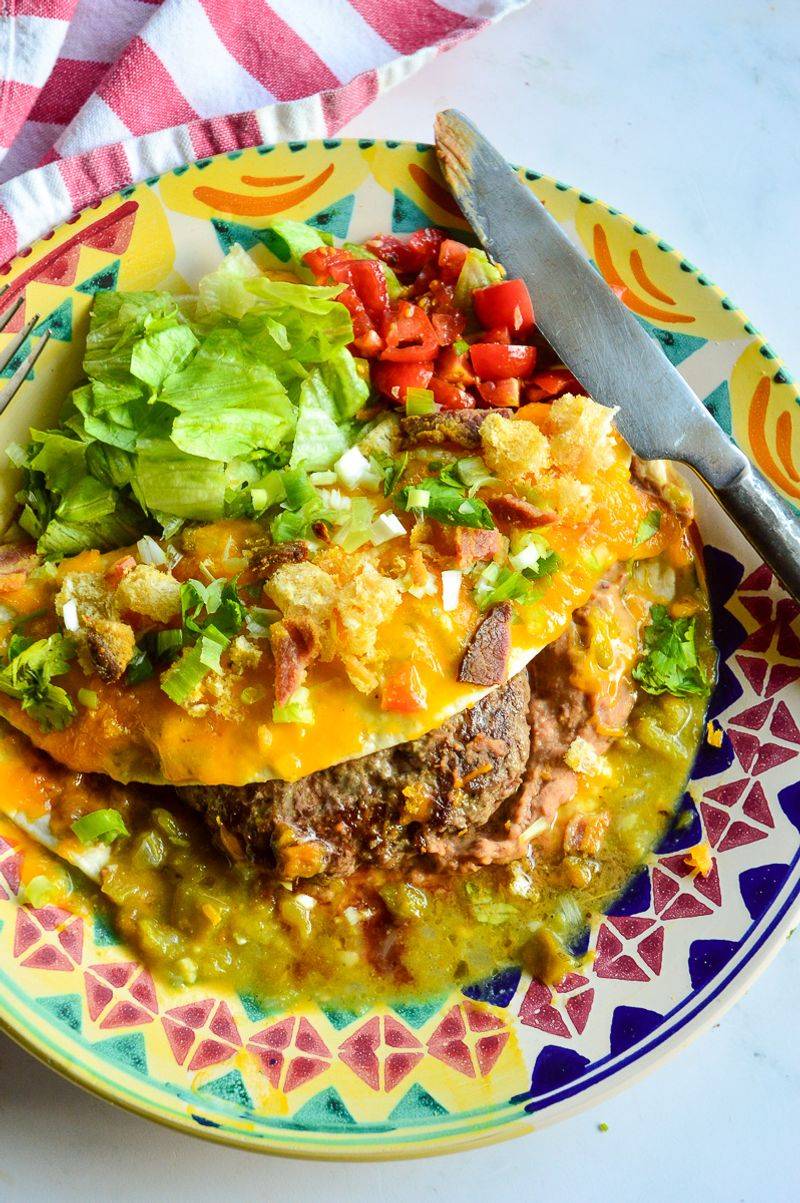
Uniquely Denver, this fusion creation wrapped a hamburger patty and refried beans inside a large flour tortilla, then smothered it in green chile sauce. Invented in the 1960s at Joe’s Buffet on Santa Fe Drive, this hefty meal became a working-class favorite.
The original version used a specific local chile pepper that gave it a distinctive flavor profile. Neighborhood joints each developed their own variation, leading to friendly rivalries about who made the best version. Sadly, most of these old-school restaurants have closed, taking their exact recipes with them.
10. Sopapillas from Auraria Bakeries
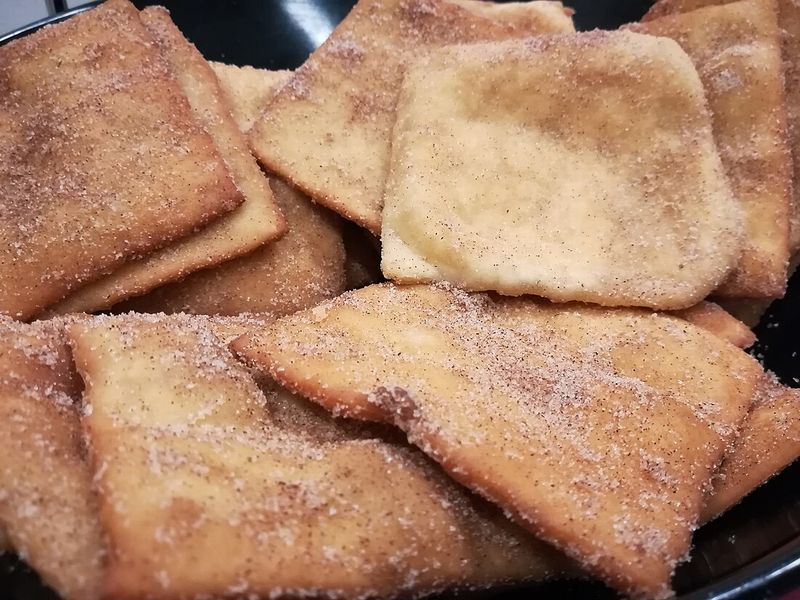
Before the Auraria campus displaced the historic neighborhood, family bakeries there produced sopapillas that were completely different from restaurant versions. These rectangular treats were less puffy and more bread-like, often served as sandwich carriers filled with beans, cheese, and chile.
Neighborhood children would buy them as after-school snacks, sprinkled with cinnamon sugar. The dough had a distinctive chewiness that came from techniques passed down through generations. When urban renewal projects cleared the neighborhood in the 1970s, these authentic recipes scattered with the families.
11. Classic Denver Drive-In Milkshakes
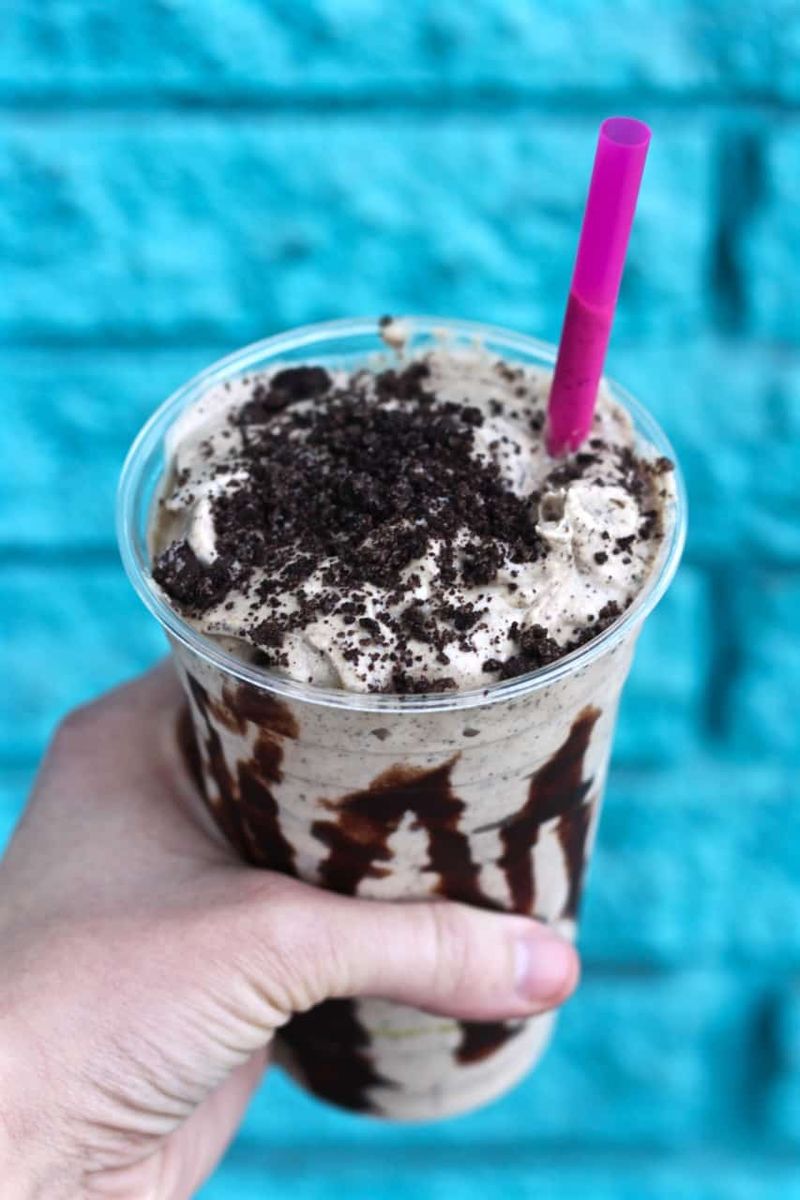
The high-altitude recipe for these frozen treats made them unlike shakes anywhere else in the country. Denver’s drive-ins of the 1950s and 60s, like the White Spot, Driftwood, and Scotty’s, served milkshakes in distinctive metal mixing cups with straws too thick for modern machines.
The secret was in the milk-to-ice-cream ratio and the mixing technique that accounted for Denver’s dry air. Cherry and chocolate-mint were uniquely Colorado flavors, often made with local dairy products. Car hops would bring these frosty delights right to your window on metal trays that hooked onto partially rolled-down car windows.
12. Early Denver Packaged Potato Chips
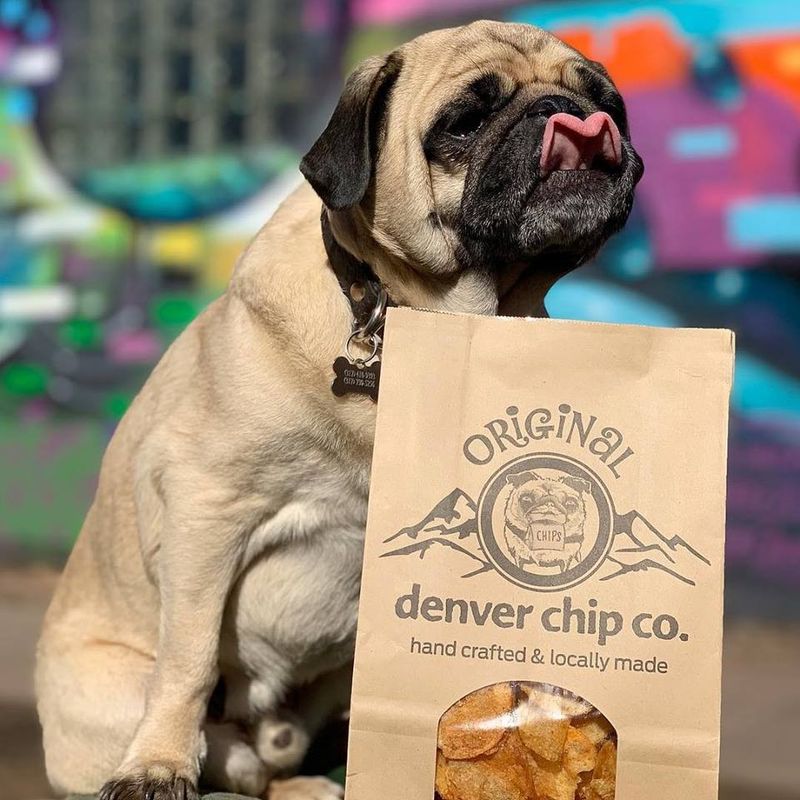
Before national brands dominated, Denver had several local potato chip companies that used distinctive Colorado mountain potatoes. Cross, Yukon Gold, and Hi-Low chips came in wax paper bags with colorful local designs and had a thicker, heartier crunch than modern versions.
The high altitude affected the cooking process, creating a unique taste profile. Many remember the delivery trucks that would bring fresh chips directly to neighborhood stores, often still warm from frying. The small batch production meant subtle flavor differences from bag to bag, something chip connoisseurs considered part of their charm.
13. Green Chile–Infused Savory Pastries

Colorado’s unique take on handheld pastries combined flaky dough with the state’s obsession with green chile. Small bakeries throughout southern Colorado and Denver’s Hispanic neighborhoods created these portable snacks that were neither empanadas nor traditional turnovers.
The distinctive half-moon pastries featured buttery crusts stuffed with diced pork, cheese, and roasted green chiles with seeds intact for extra heat. Grandmothers would make batches for special occasions and church festivals. As these neighborhood bakeries closed, the labor-intensive pastries became harder to find, with each baker taking their exact technique to the grave.