15 Classic Minnesota Dishes That Confuse Non-Locals
Minnesota cooking is quirky, comforting, and filled with dishes that rarely appear outside the state. The recipes trace back to Lutheran potlucks, Scandinavian traditions, and the inventive spirit of Midwestern families.
Many of them carry names that make visitors raise an eyebrow before the first bite. Others seem too unusual until you taste the warmth tucked into every serving.
These foods might confuse newcomers, but to Minnesotans they are home on a plate.
1. Hotdish
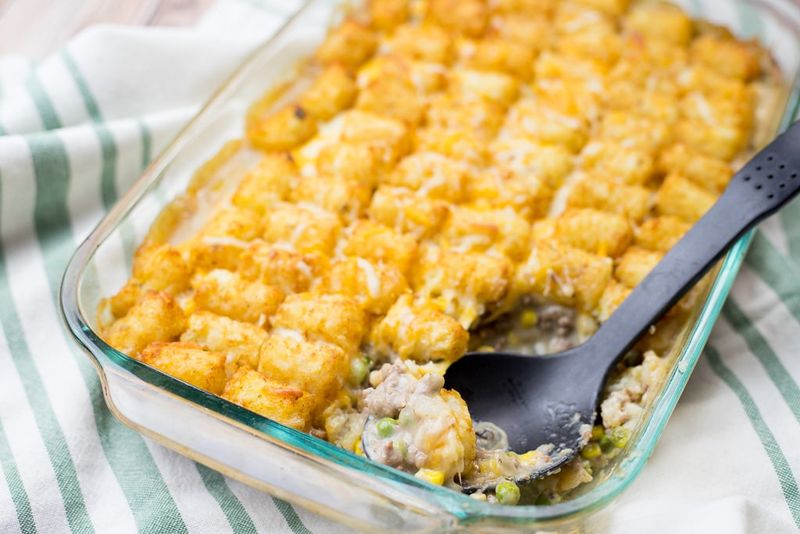
This one-dish wonder anchors countless church suppers and family tables. Ground beef or turkey, canned vegetables, cream soup, and a crunchy topping combine into a casserole. Cream of mushroom soup often appears, binding everything into a savory whole. The topping can be potato chips, tater tots, or even crackers depending on the family recipe.
Hotdish makes sense once you understand Minnesota winters. A single pan provides warmth, comfort, and efficiency, ensuring leftovers that reheat beautifully. Outsiders may find the combination odd, but locals know it as pure survival food turned tradition.
2. Lefse
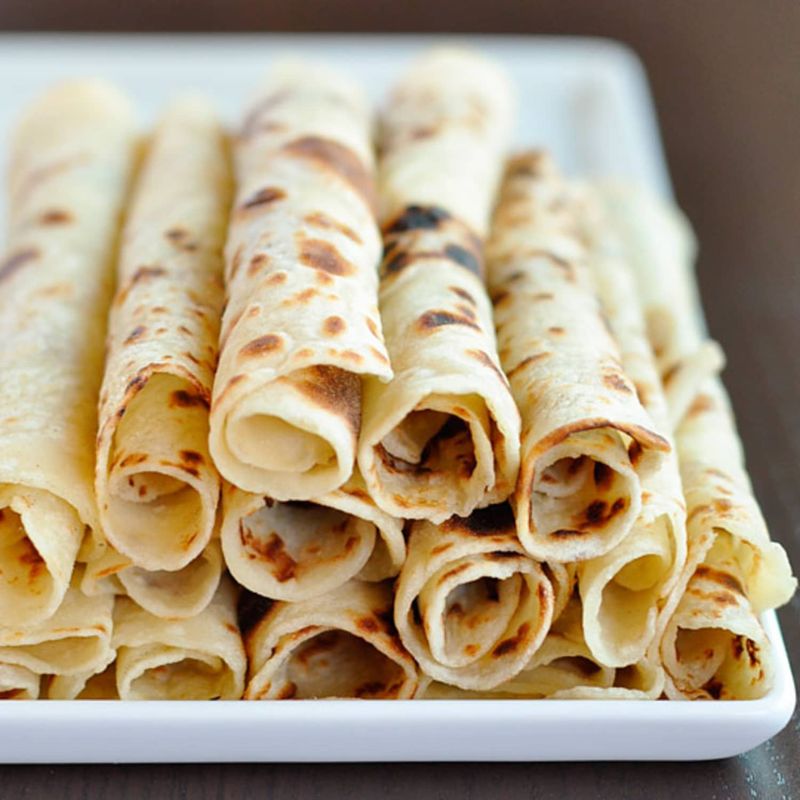
Soft, thin flatbread made with potatoes, lefse arrives warm from a griddle and sprinkled with sugar or slathered in butter. It’s rolled and eaten like a delicate wrap, though some prefer savory fillings. The texture sits somewhere between a tortilla and a crepe, soft yet substantial. Scandinavian immigrants brought it to Minnesota, where it remains tied to holiday tables.
Making lefse is a family affair, with rolling pins, griddles, and flour dust flying across generations. Visitors often puzzle at the ritual, but once they try a buttery, hot piece, the devotion makes sense.
3. Lutefisk
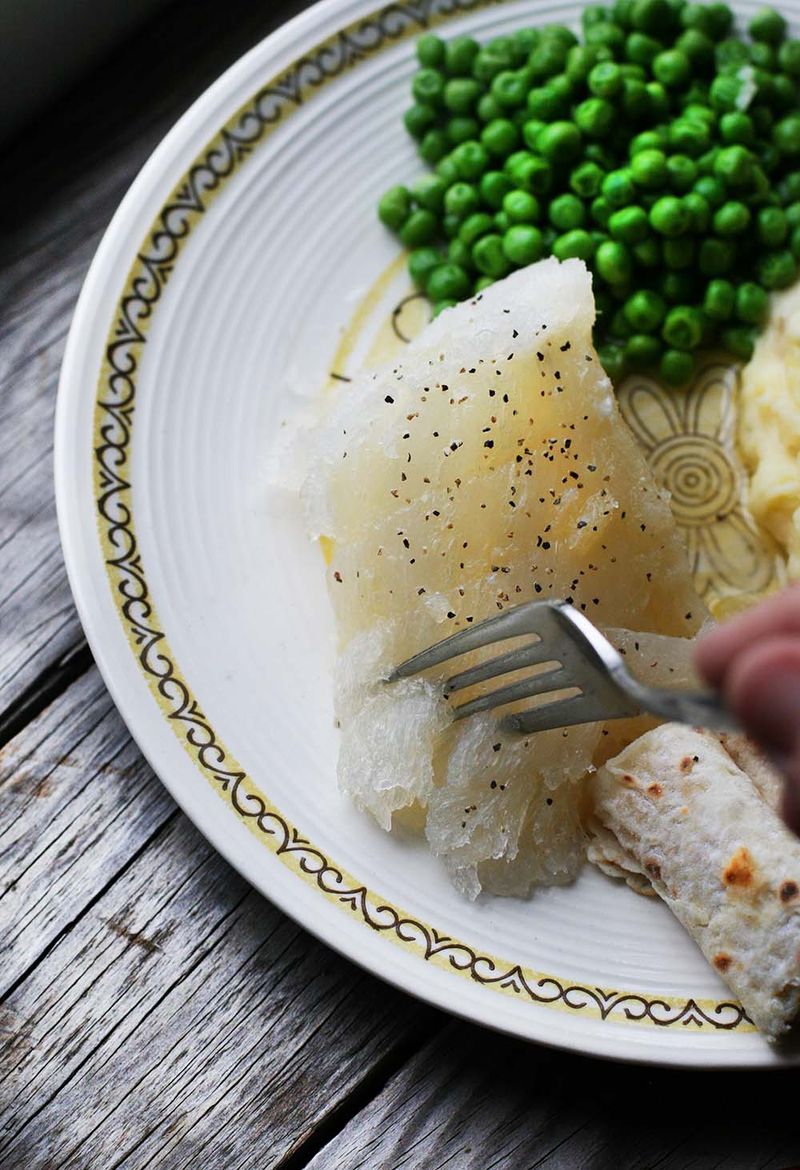
Few dishes generate stronger reactions than lutefisk. Whitefish is dried, then soaked in lye until it turns translucent and jelly-like. After rinsing, it’s boiled or baked and served with butter or cream sauce. The texture shocks many first-timers, slippery and gelatinous on the fork.
Norwegian settlers carried the recipe across the Atlantic, and church basements still host lutefisk suppers every winter. Outsiders often recoil, but to longtime Minnesotans, it’s heritage you taste once a year, more about identity than flavor.
4. Tater Tot Hotdish
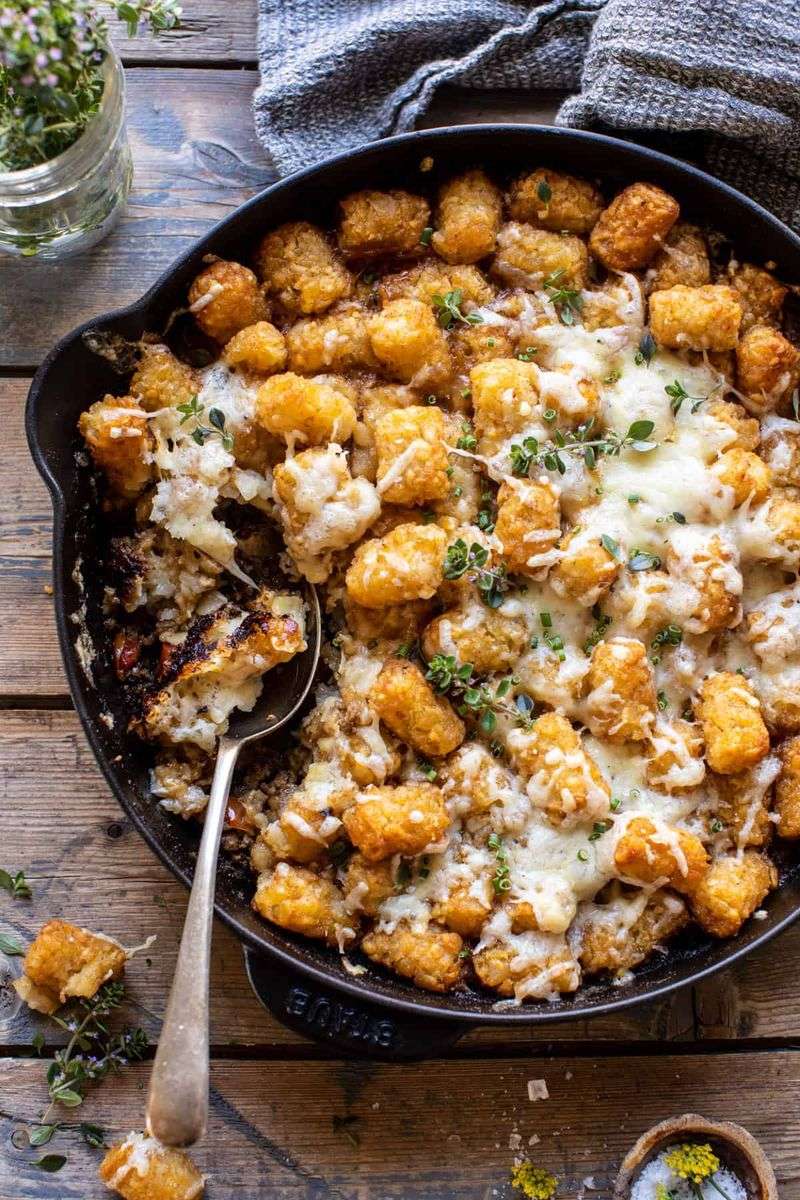
Take the hotdish concept and crown it with golden, crispy tater tots, and you have a Minnesota classic. Creamy filling hides beneath a crunchy layer, creating a contrast that defines comfort food. Corn, green beans, and beef or turkey provide bulk, while canned soup adds richness. It’s simple, filling, and unapologetically retro.
Kids grow up eating it at school cafeterias, potlucks, and weeknight dinners. Travelers might laugh at its plainness, but in Minnesota, this dish feels like childhood on a plate.
5. Walleye Sandwich
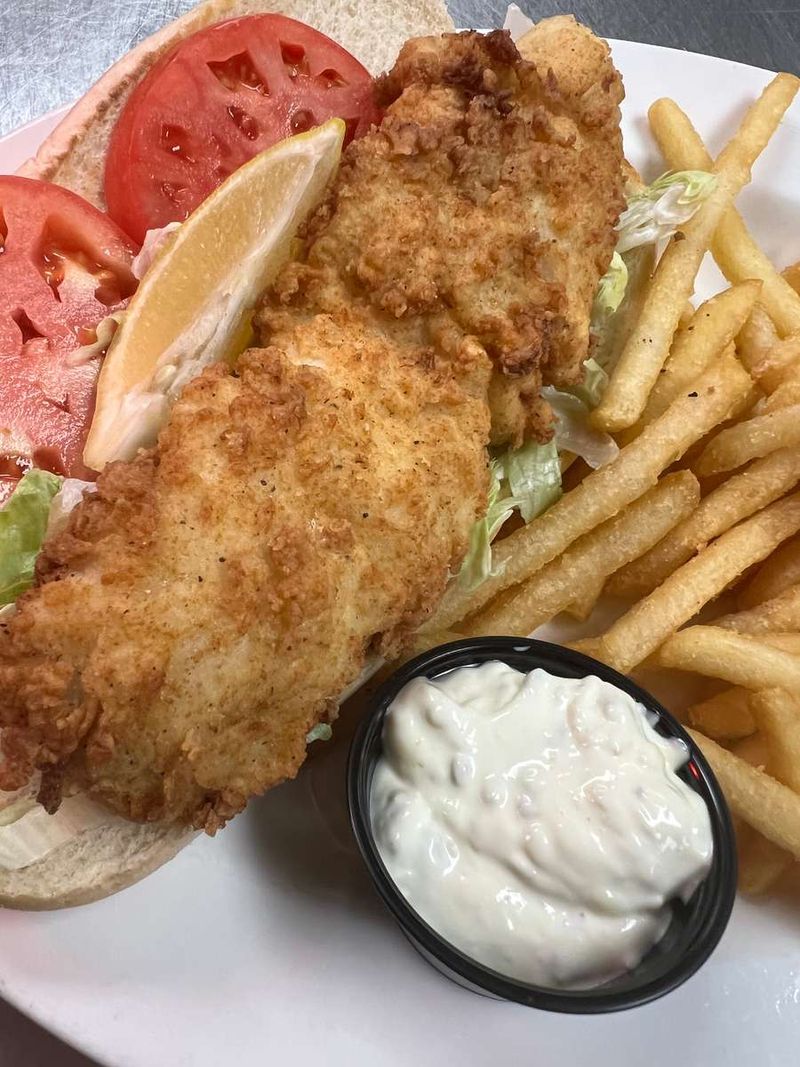
Minnesota’s favorite fish shows up fried, grilled, or broiled, tucked into a soft bun with tartar sauce and lettuce. The mild, flaky flesh pairs beautifully with buttery breading. Often caught fresh from northern lakes, walleye is a point of pride for locals. Restaurants across the state feature it during fishing season.
For visitors, the surprise lies in its everyday presence. Where other regions serve cod or haddock, Minnesotans swear walleye belongs on every menu. One bite proves why this freshwater catch earns loyalty.
6. Juicy Lucy
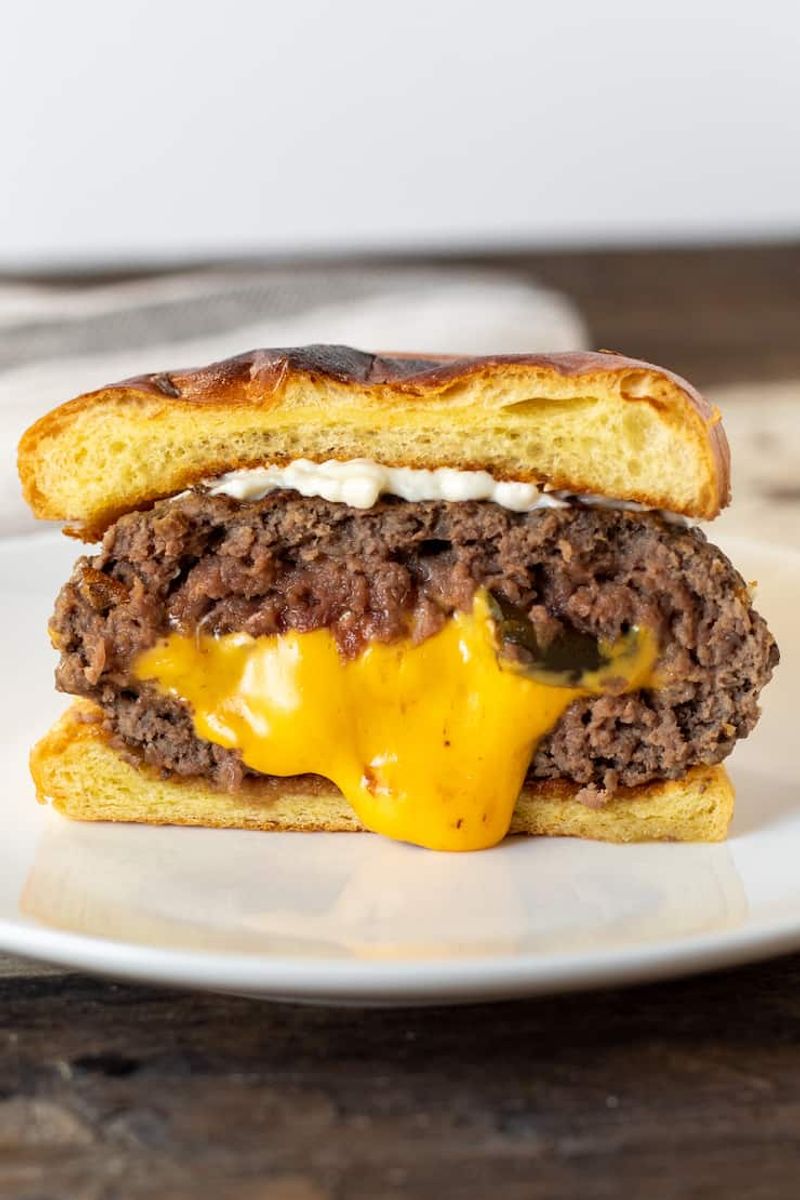
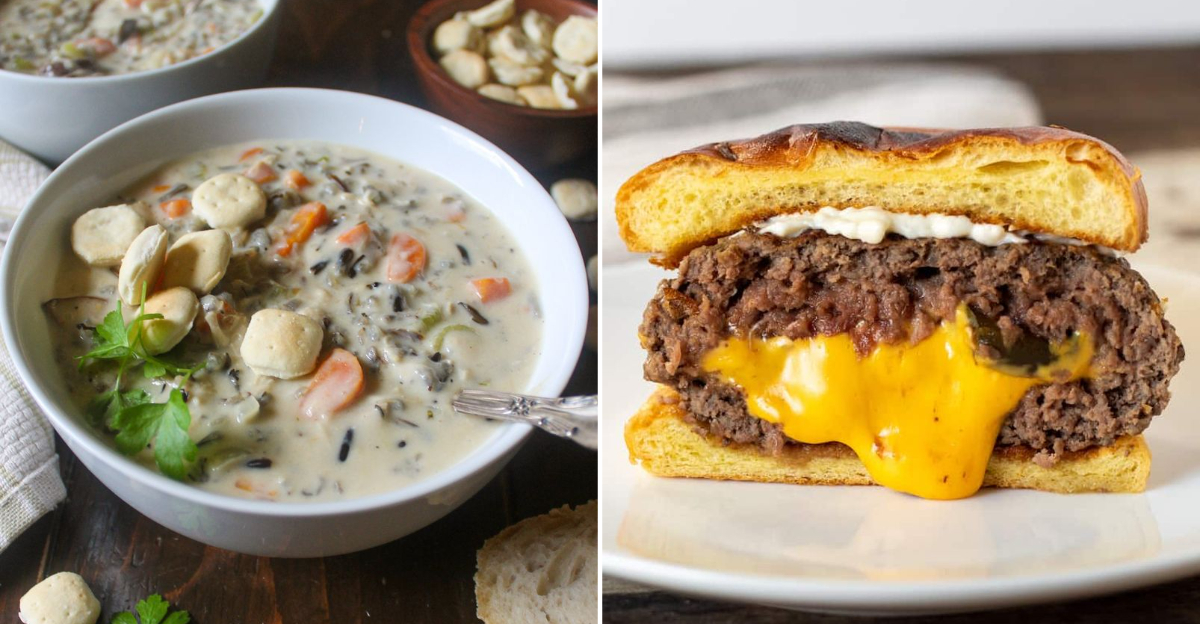
Inside-out cheeseburgers belong to Minnesota, no debate. A beef patty hides molten cheese inside, which bursts out with the first bite. American or cheddar are common fillings, but variations abound. Bars in Minneapolis battle for credit, each claiming the “original.”
Visitors often burn their tongues in excitement, a rite of passage for first-timers. Locals know to wait patiently for the cheese to cool, savoring the reward when gooey richness floods the bun.
7. Pickled Herring
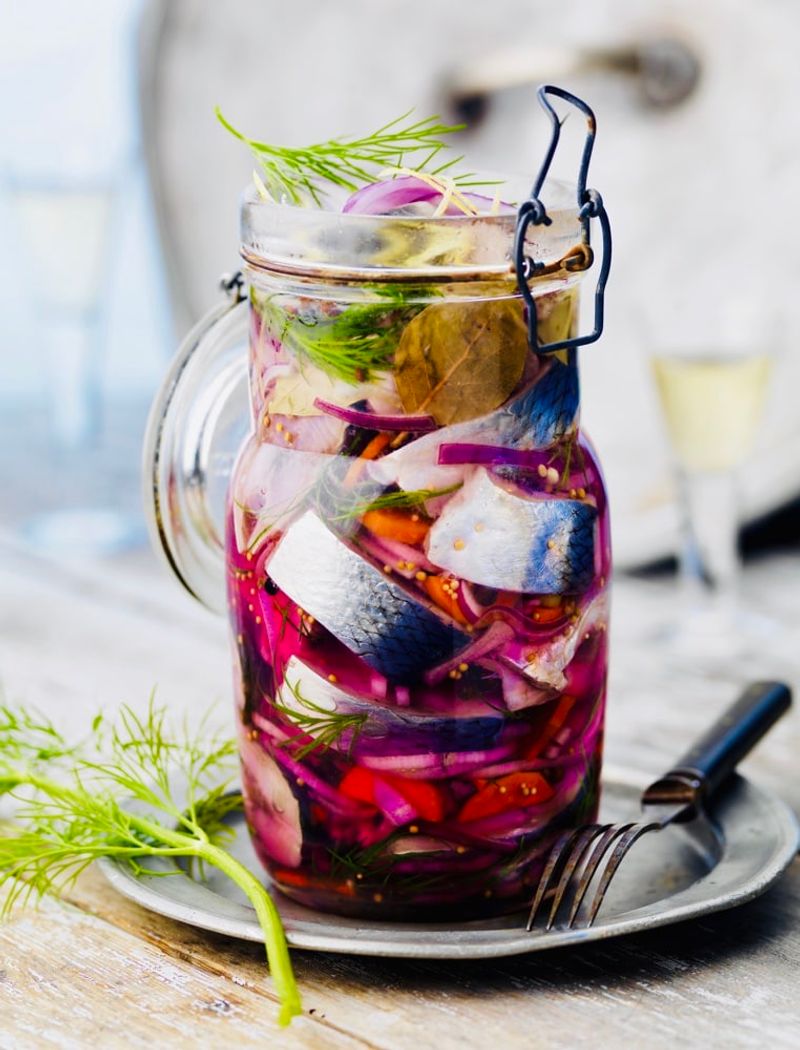
This Scandinavian staple surprises many who see it in jars at local markets. Pieces of herring are cured in vinegar brine with onions and spices. The fish is firm, tangy, and slightly sweet depending on the seasoning. Served chilled, it often appears on holiday buffets.
Minnesotans pair it with rye bread or crackers, while newcomers may hesitate. What feels strange to outsiders carries deep heritage for families tracing roots to northern Europe.
8. Bars (Dessert Squares)
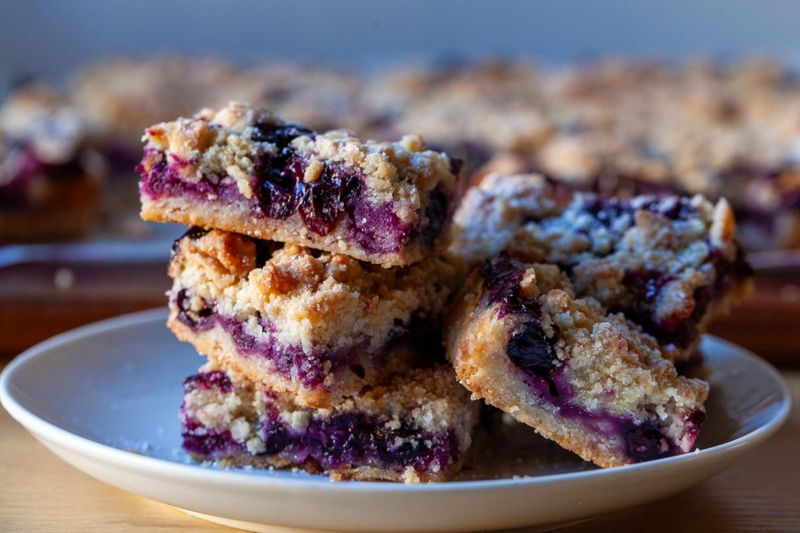
In Minnesota, dessert squares are simply called bars. Layers of chocolate, caramel, nuts, or oats are baked in pans, then cut into rectangles. Scotcheroos and seven-layer bars are two favorites, both impossibly rich. Recipes vary, but the goal is indulgence.
No church potluck table is complete without at least three kinds of bars. Non-locals wonder why cookies or brownies won’t do, but bars deliver more sweetness in every square.
9. Kringle
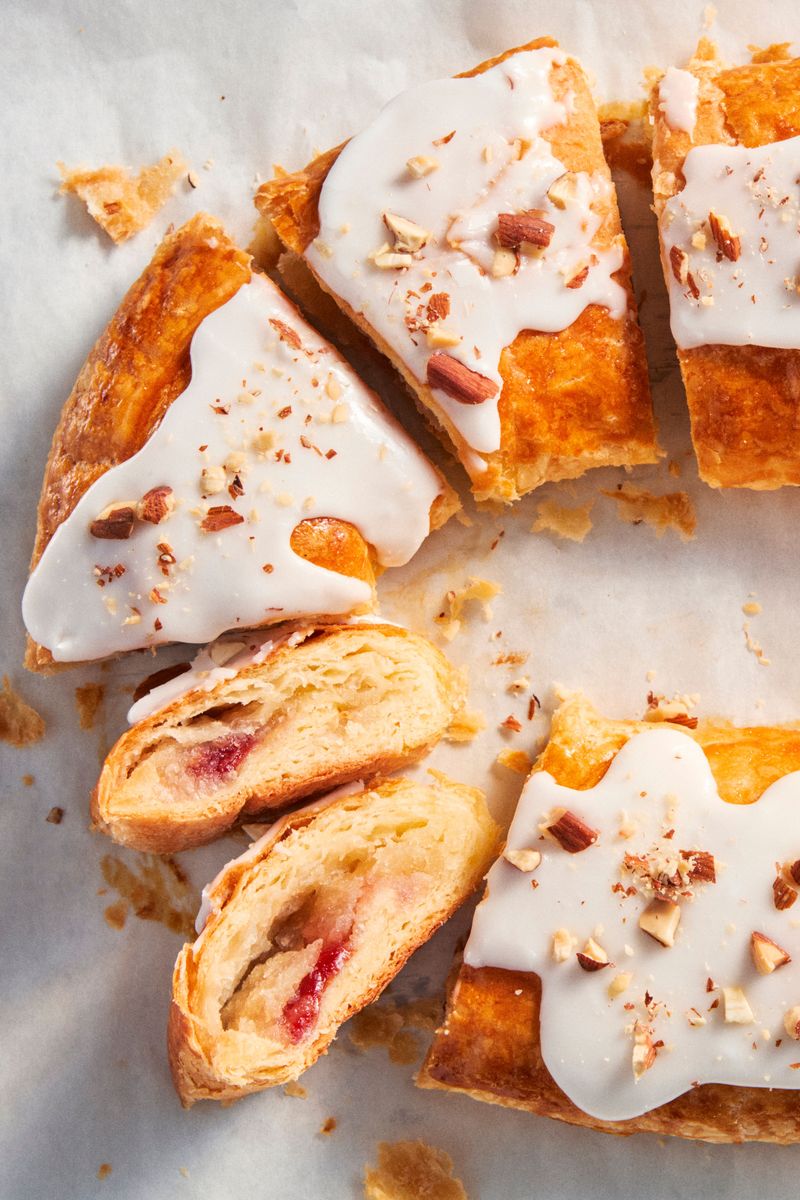
Though technically Danish, kringle has become a holiday tradition across Minnesota. Flaky pastry layers fold around almond paste, fruit, or sweet fillings, then finish with icing. The oval shape and glossy top look impressive on festive tables.
Stores sell them boxed, but homemade versions fill kitchens with buttery aroma. To an outsider, kringle feels extravagant for breakfast, yet locals happily slice it with morning coffee.
10. Wild Rice Soup
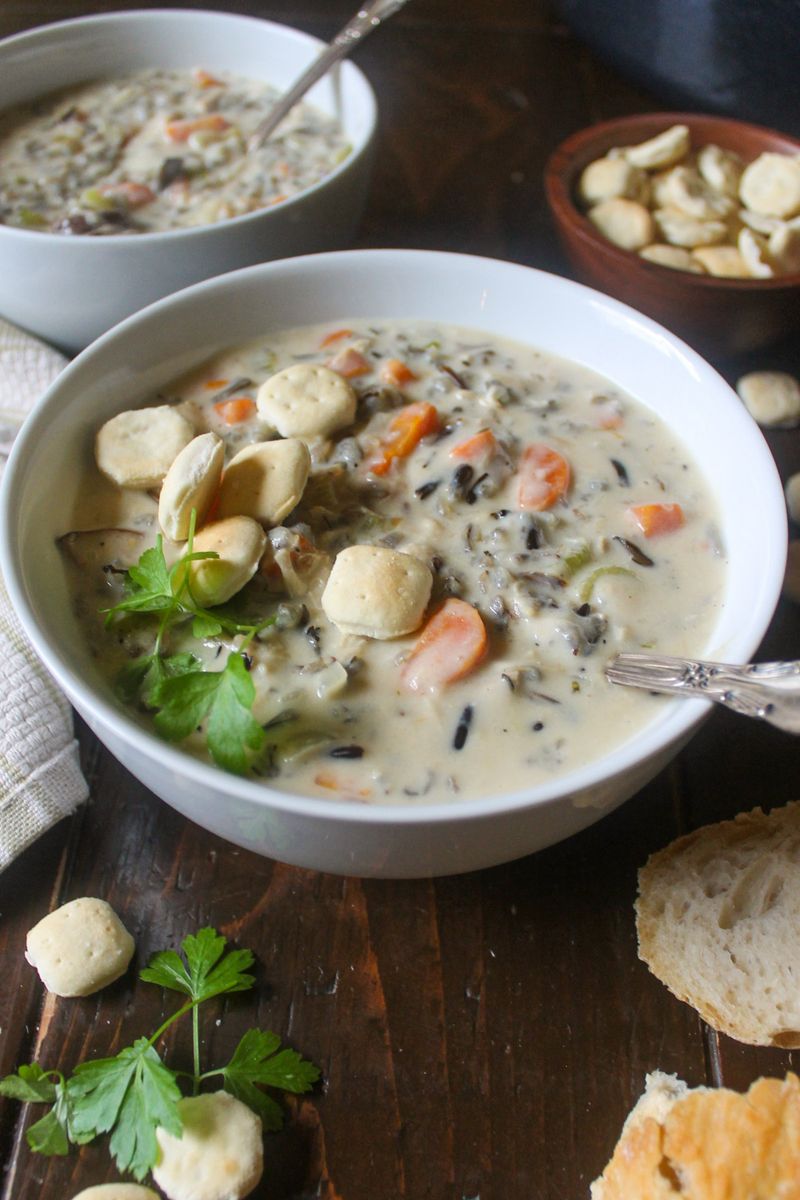
Hearty and earthy, wild rice soup blends the state’s official grain with cream, vegetables, and chicken or turkey. The rice provides nutty chewiness, making each bowl hearty enough for dinner. Carrots and celery brighten the base, while thyme or bay leaf adds depth.
Visitors might expect something lighter, but Minnesota winters demand heartiness. For locals, this soup embodies both comfort and pride in the land’s natural bounty.
11. Booya (Stew)
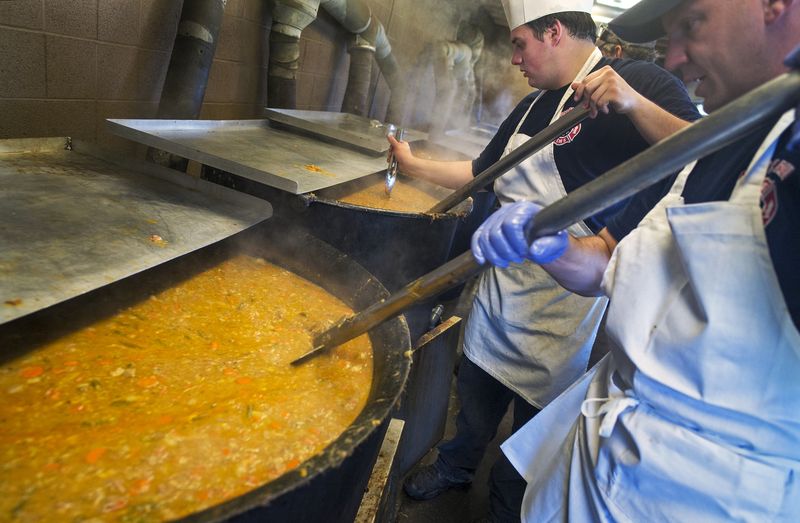
Booya is not just stew but a community event. Giant kettles simmer for hours, filled with beef, chicken, vegetables, and spices. Recipes vary wildly, sometimes including anything the cook has on hand. The result is a rich, meaty broth shared among hundreds.
Booya feeds festivals, fundraisers, and family gatherings. Outsiders may be puzzled by the name or the process, but one taste makes it clear why it’s celebrated.
12. Glorified Rice
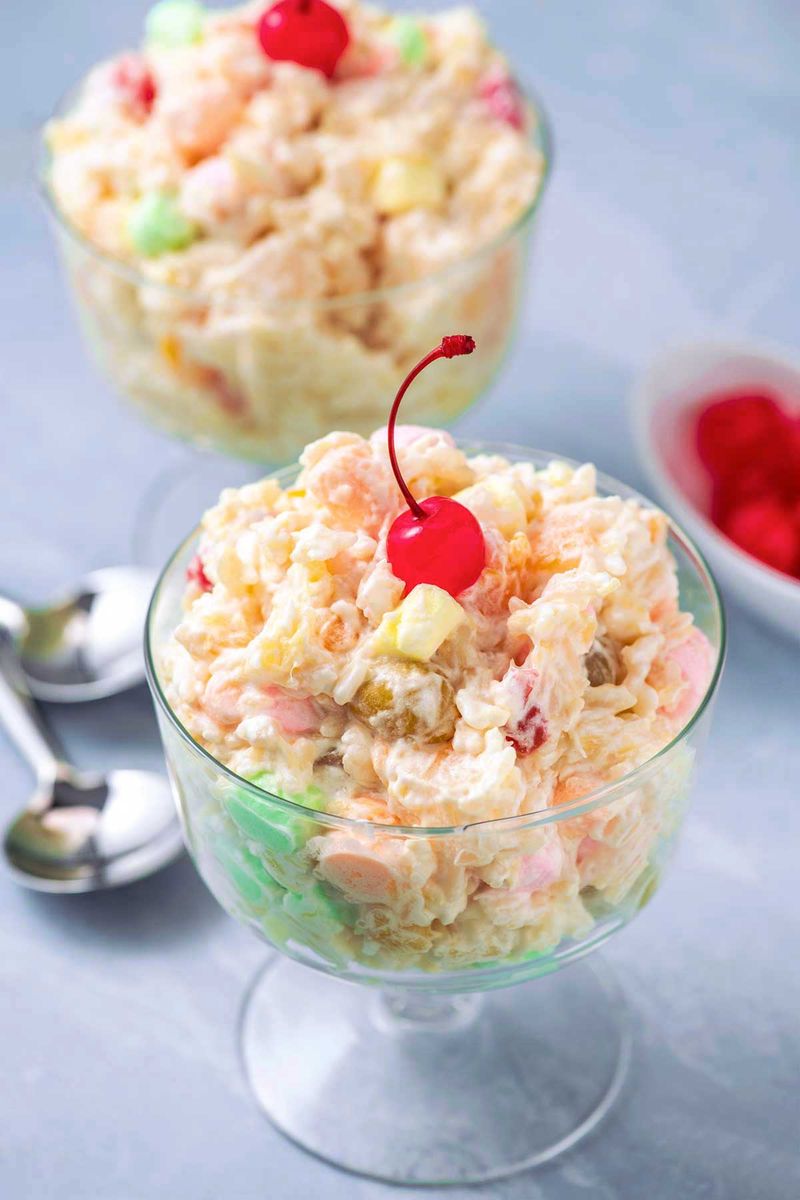
This dessert blends cooked rice with whipped cream, pineapple, and maraschino cherries. The texture is unusual, fluffy yet chewy. Sweetness comes from fruit and sugar, while the cream softens everything. It often appears in pastel bowls at potlucks.
To visitors, rice as dessert feels strange. For Minnesotans, glorified rice signals community meals where creativity and thrift meet celebration.
13. Kuchen
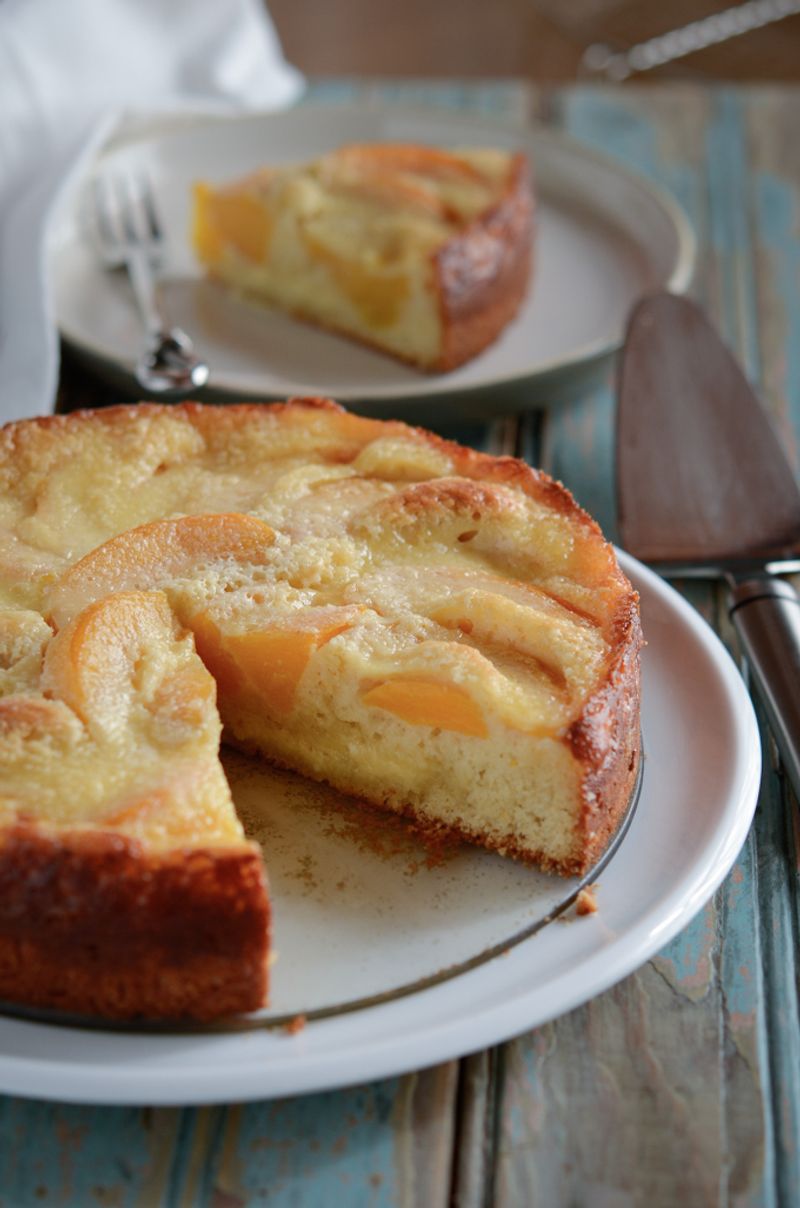
Kuchen, meaning “cake” in German, came to Minnesota with European immigrants. It’s a yeasted dough filled with custard, fruit, or streusel. Each region offers its own twist, from prune-filled to apple-strewn versions. The flavor is subtly sweet, perfect with coffee.
The dish connects generations to old-world kitchens. While non-locals might see it as a cousin to pie, Minnesotans prize kuchen as something all its own.
14. Oyster Stew
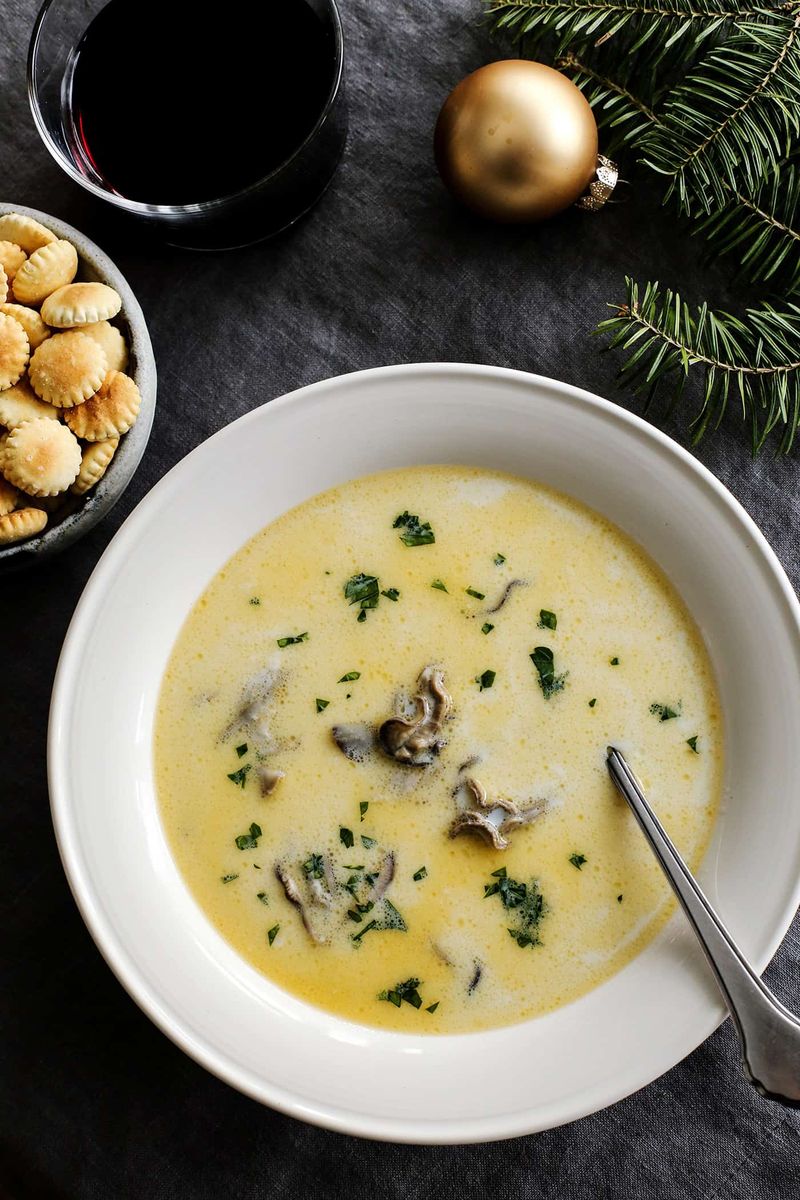
This Christmas Eve tradition puzzles many. Fresh oysters simmer in milk or cream, flavored simply with butter, salt, and pepper. The broth turns briny and rich, comforting in its plainness. Crackers often top the bowl.
The dish reflects Catholic immigrant customs, where seafood replaced meat during fasting. Outsiders might find it odd in a landlocked state, but locals keep the ritual alive.
15. Jell-O Salad
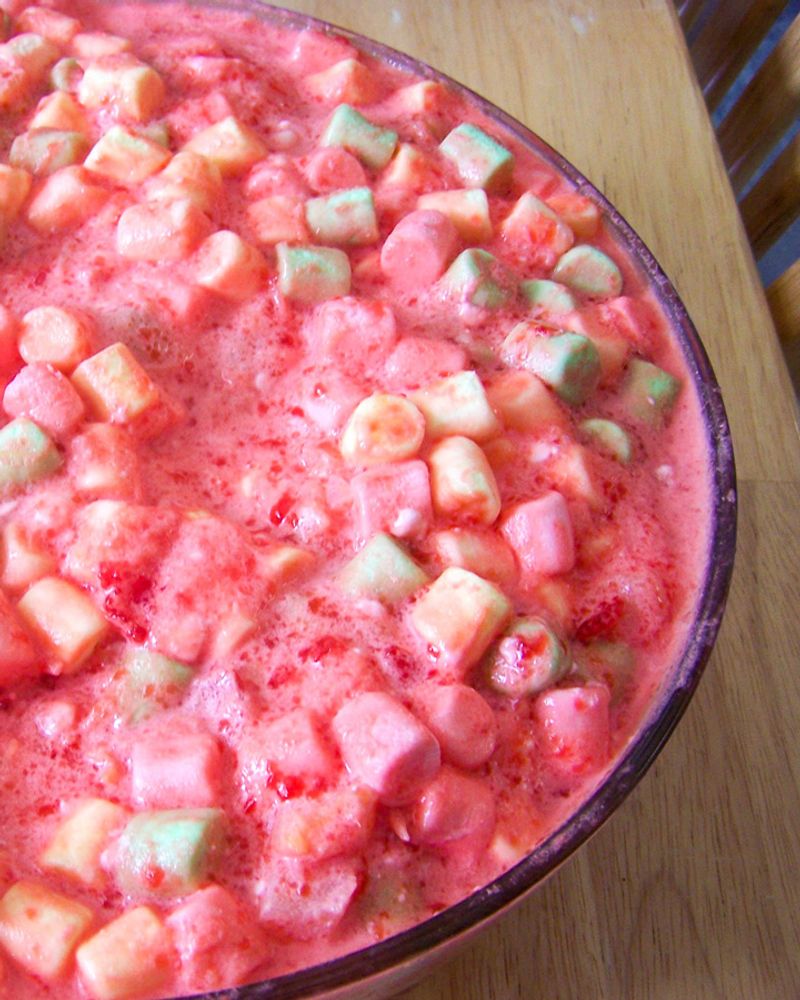
Few dishes inspire more jokes, yet Jell-O salad refuses to vanish. Gelatin suspends fruit, marshmallows, or even shredded carrots. Sometimes cream cheese or Cool Whip is folded in, creating pastel layers. The result wobbles on every plate.
While visitors find it baffling, Minnesotans see Jell-O salad as nostalgia. It carries memories of family reunions, potlucks, and Sunday suppers where no table felt complete without it.