The Most Common Mistakes Everyone Makes When Cooking With Cheese
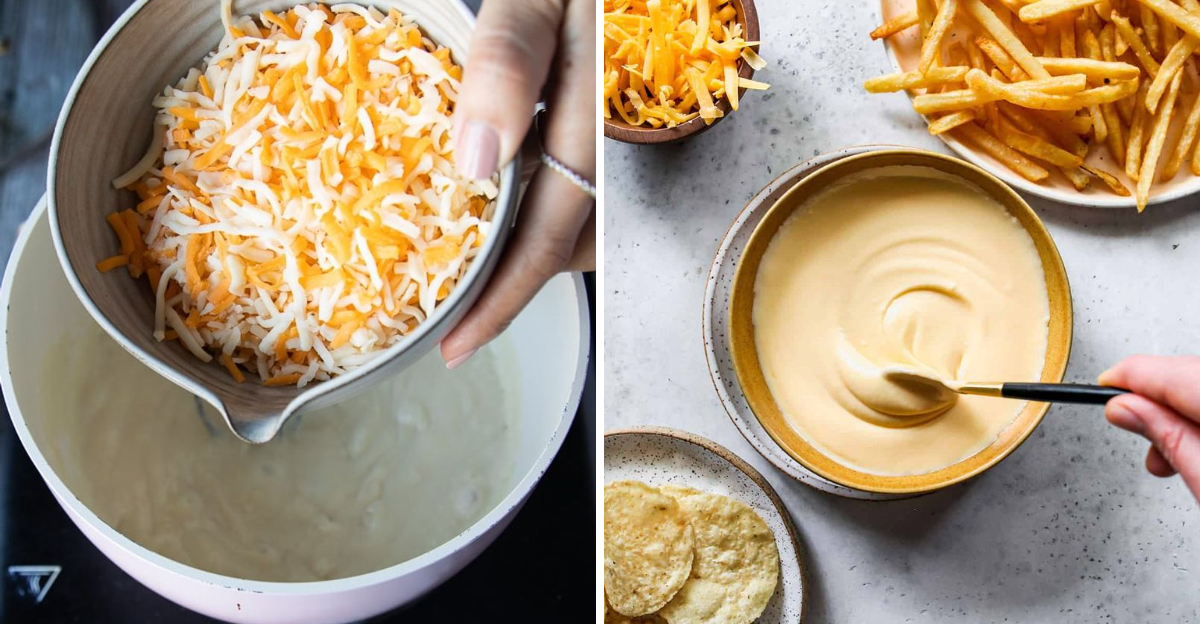
Cheese transforms ordinary dishes into extraordinary culinary experiences, but it’s surprisingly easy to mess up. Whether you’re making mac and cheese, pizza, or fondue, small mistakes can lead to rubbery textures, oily messes, or bland results.
Understanding the basics of how different cheeses behave when heated can dramatically improve your cooking and save you from these common kitchen disasters.
1. Using Cold Cheese Straight From The Fridge
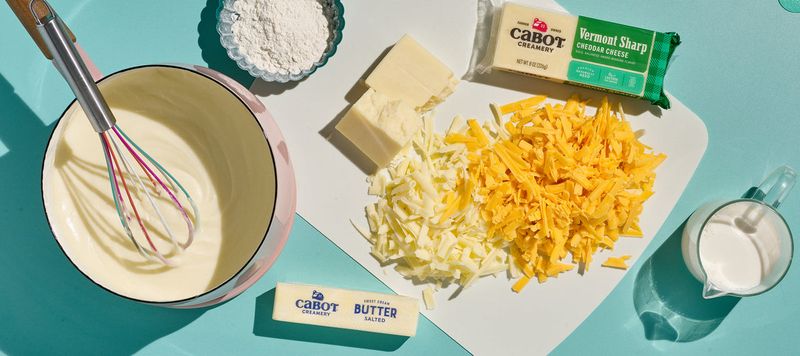
Grabbing cheese directly from refrigerator chaos is a recipe for disappointment. Cold cheese doesn’t melt evenly, creating those annoying clumps in your otherwise perfect sauce or that patchy layer on your pizza.
Room temperature cheese melts more uniformly and actually requires less heat to reach that dreamy, flowing consistency. For best results, pull your cheese out 30-60 minutes before cooking, depending on how it’s cut.
2. Shredding Cheese With The Wrong Tool
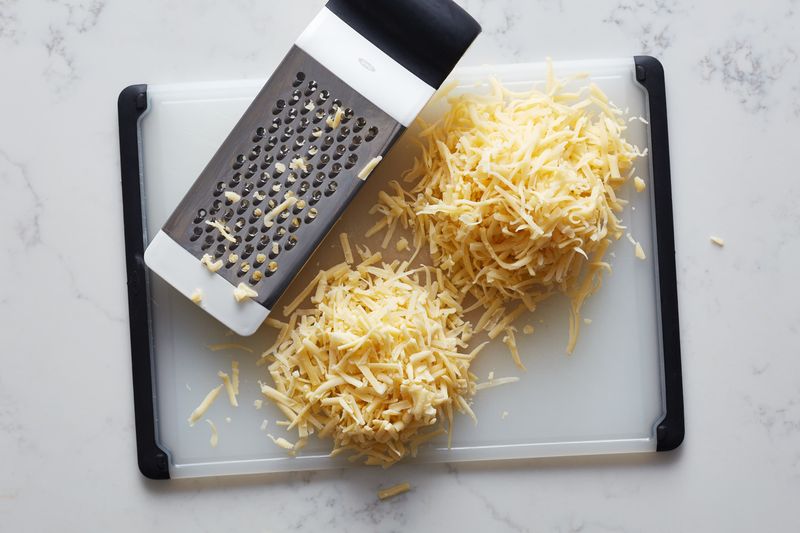
Hand graters aren’t created equal, folks! Using that rusty micro-grater on a block of cheddar will leave you with sweaty palms and cheese that melts too quickly, burning before your other ingredients cook.
Match your tool to your cheese type. Soft cheeses need freezing for 15 minutes before grating. Hard cheeses require sturdy box graters with large holes. Pre-shredded bagged cheese? That’s a separate mistake we’ll tackle shortly.
3. Buying Pre-Shredded Cheese For Melting Dishes
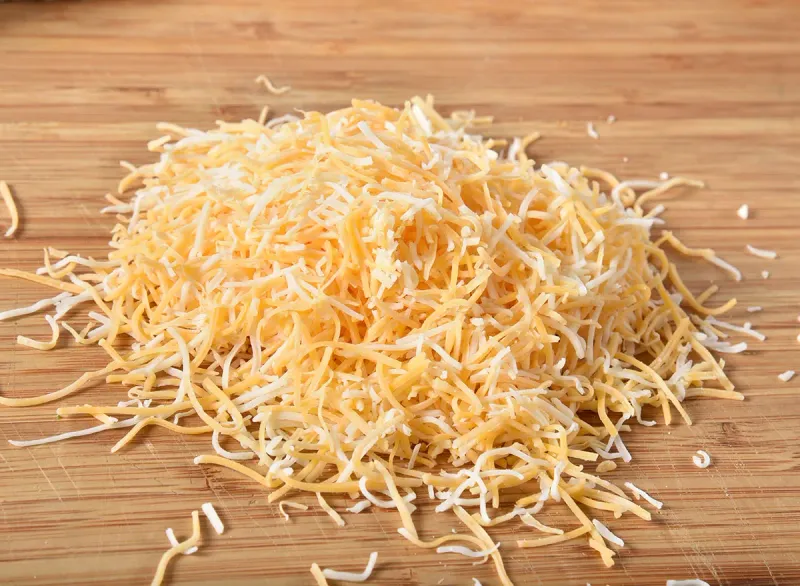
Those convenient bags of shredded cheese hide a dirty secret: anti-caking agents like cellulose, potato starch, and natamycin. These additives prevent the cheese from clumping in the package but also stop it from melting into that smooth, creamy texture you crave.
The coating creates a barrier between cheese particles, leading to grainy sauces and stringy, separated cheese pulls. Your mac and cheese deserves better! Take the extra two minutes to shred your own.
4. Cooking Cheese At Too High Heat
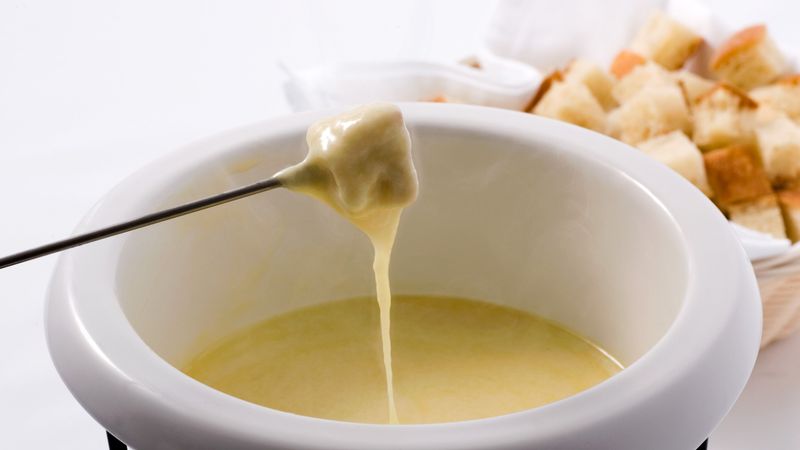
Cranking up the heat is the fast track to cheese disaster. Proteins in cheese tighten and separate from fats at high temperatures, creating that greasy, rubbery mess nobody wants to eat.
Most cheeses reach their melting sweet spot between 130°F and 180°F. Beyond that danger zone, even good cheese turns bad. Low and slow is the golden rule for cheese cooking – whether you’re making fondue, sauce, or grilled cheese.
5. Adding All The Cheese At Once
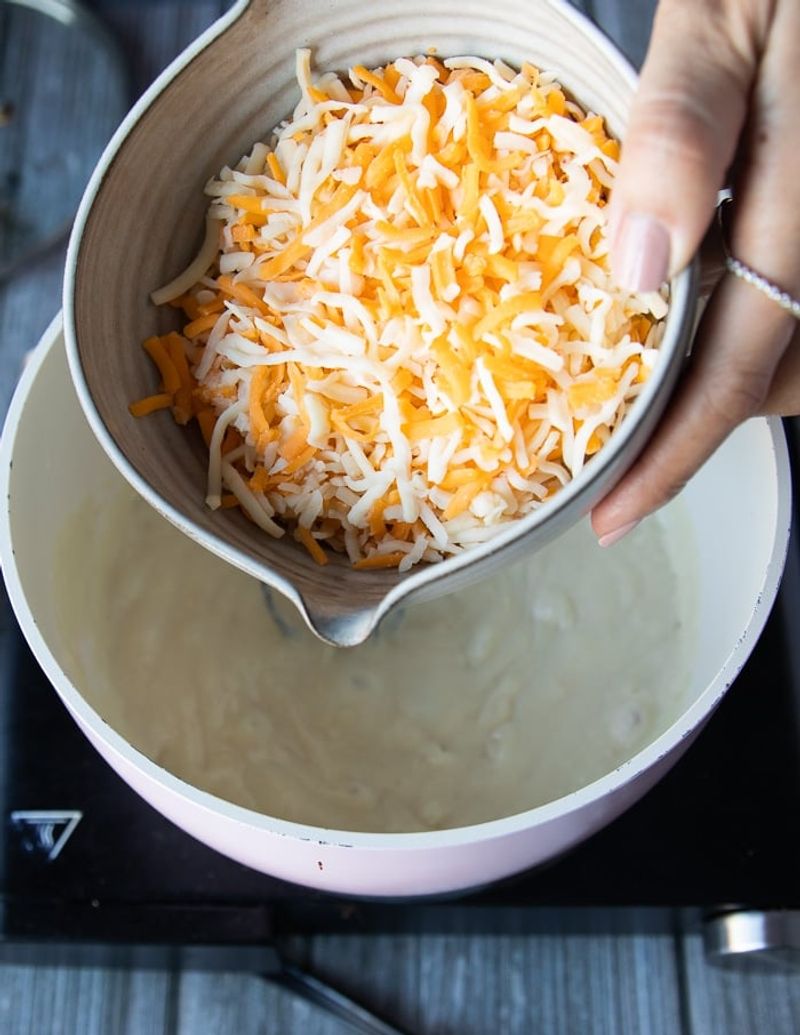
Dumping the entire mountain of shredded cheese into your pot creates a cooling effect that throws off cooking temperatures. The outer layer melts while the inner core remains solid, resulting in uneven texture and those dreaded cheese clumps.
Patience pays off here. Add cheese in small handfuls, stirring continuously until each addition completely melts before adding the next. This gradual approach maintains consistent temperature and allows the emulsifiers in cheese to work properly.
6. Forgetting To Add A Stabilizer To Cheese Sauces
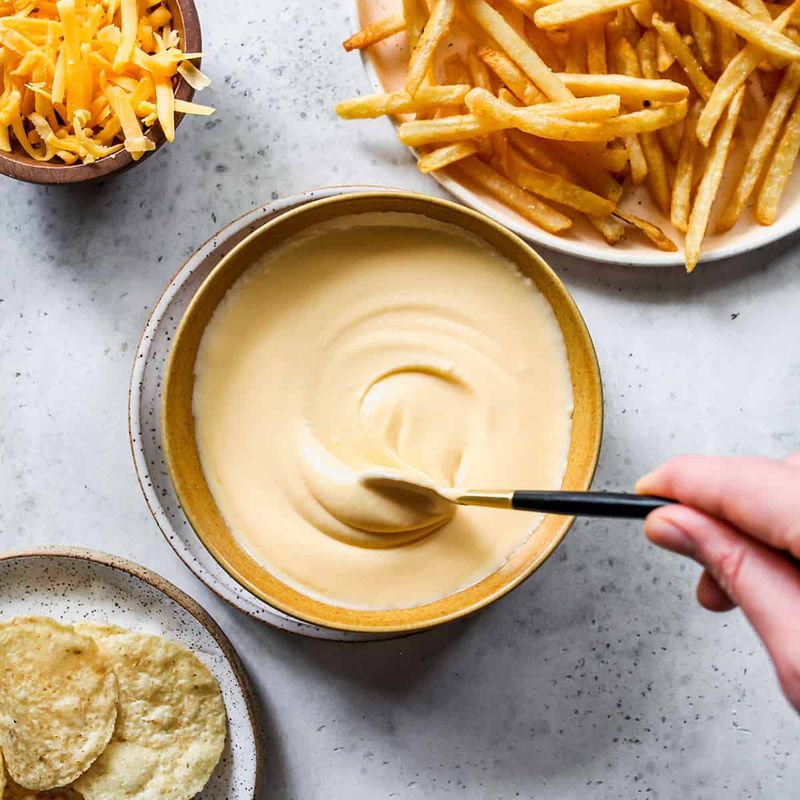
Naked cheese without a stabilizing friend often separates into an oily, clumpy disappointment. The proteins in cheese need something to bond with beyond themselves. A simple roux (butter and flour mixture) or cornstarch slurry creates the perfect liaison for cheese particles.
Sodium citrate, the secret weapon in processed cheese, works wonders in homemade sauces too – just a pinch transforms any cheese into velvety perfection. Even a splash of starchy pasta water can save a broken sauce.
7. Using The Wrong Cheese For The Job
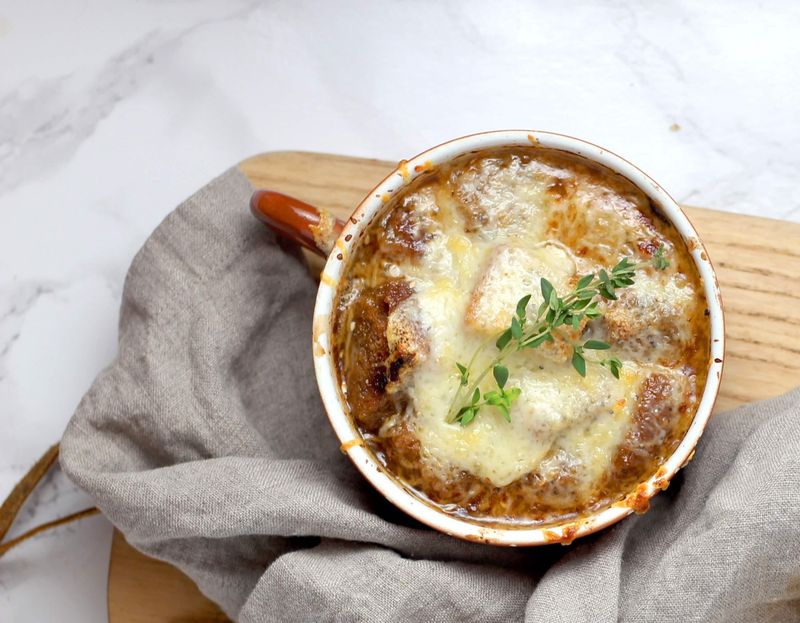
Mozzarella on French onion soup? Blue cheese in lasagna? These cheese mismatches can ruin otherwise perfect dishes. Each cheese has specific melting properties and flavor profiles that shine in certain applications.
High-moisture cheeses like mozzarella and fontina melt beautifully on pizza. Alpine-style cheeses like Gruyère and Emmental create silky fondue. Aged cheddar provides flavor but needs help melting smoothly. Research your cheese’s characteristics before cooking.
8. Neglecting The Cheese Rind
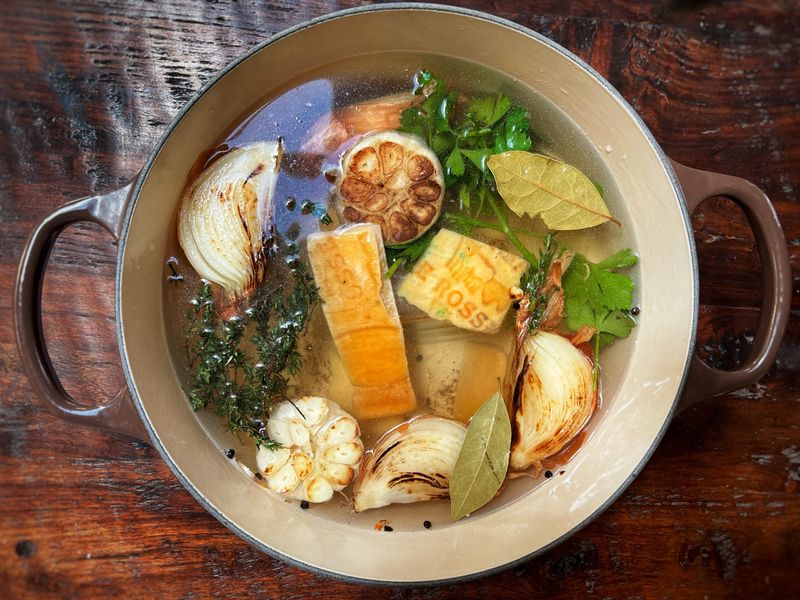
That hardened outer layer isn’t garbage – it’s flavor gold! Many natural rinds add incredible depth to soups, stews, and sauces. Parmesan rinds simmered in minestrone create umami magic that elevates the entire pot. Not all rinds are edible though.
Natural rinds (think Parmesan) and bloomy rinds (like Brie) can be culinary assets. Wax coatings and cloth wrappings need removal before cooking. Keep a rind collection in your freezer.
9. Ignoring Cheese’s Salt Content
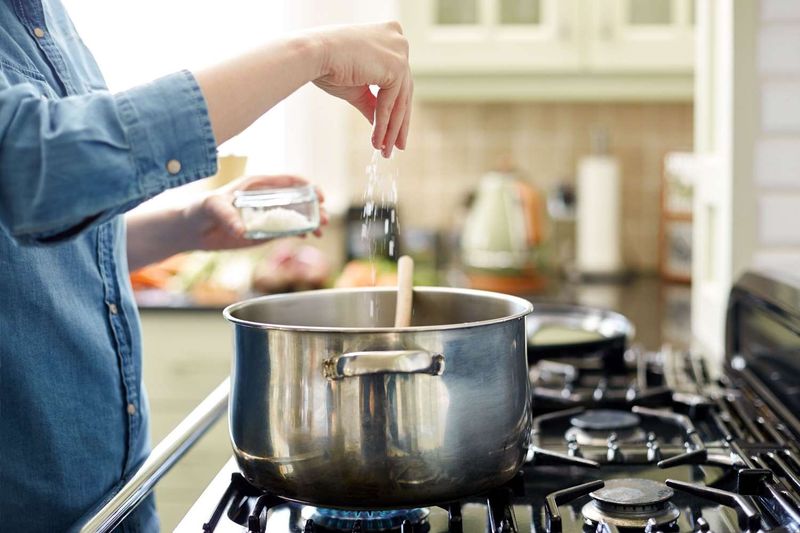
Cheese packs a significant sodium punch that many cooks forget to factor into their seasoning. Adding full salt measures to recipes already containing salty cheeses like Parmesan, feta, or blue cheese can quickly create a sodium overload.
Taste as you go when working with cheese-heavy dishes. Add salt gradually, especially when using multiple cheese varieties or aged cheeses, which tend to be saltier than their younger counterparts.
10. Overlooking Cheese Compatibility In Mixtures
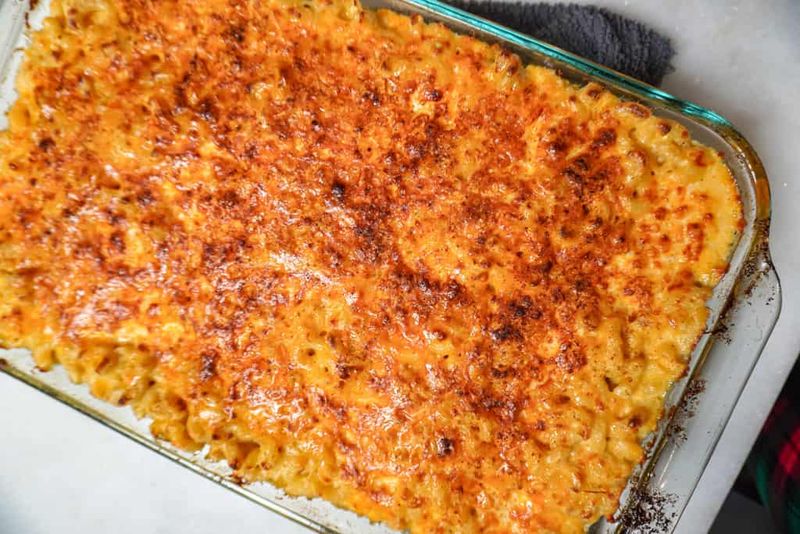
Throwing random cheeses together can create textural civil war in your dish. Some cheeses are team players, while others refuse to blend harmoniously. Hard and soft cheeses melt at different rates.
Mixing them requires careful timing – add the harder, aged varieties first, allowing them to partially melt before introducing softer types. Consider fat content too – low-fat cheese alongside full-fat varieties often separates during cooking.
11. Stirring Cheese Sauces Too Vigorously
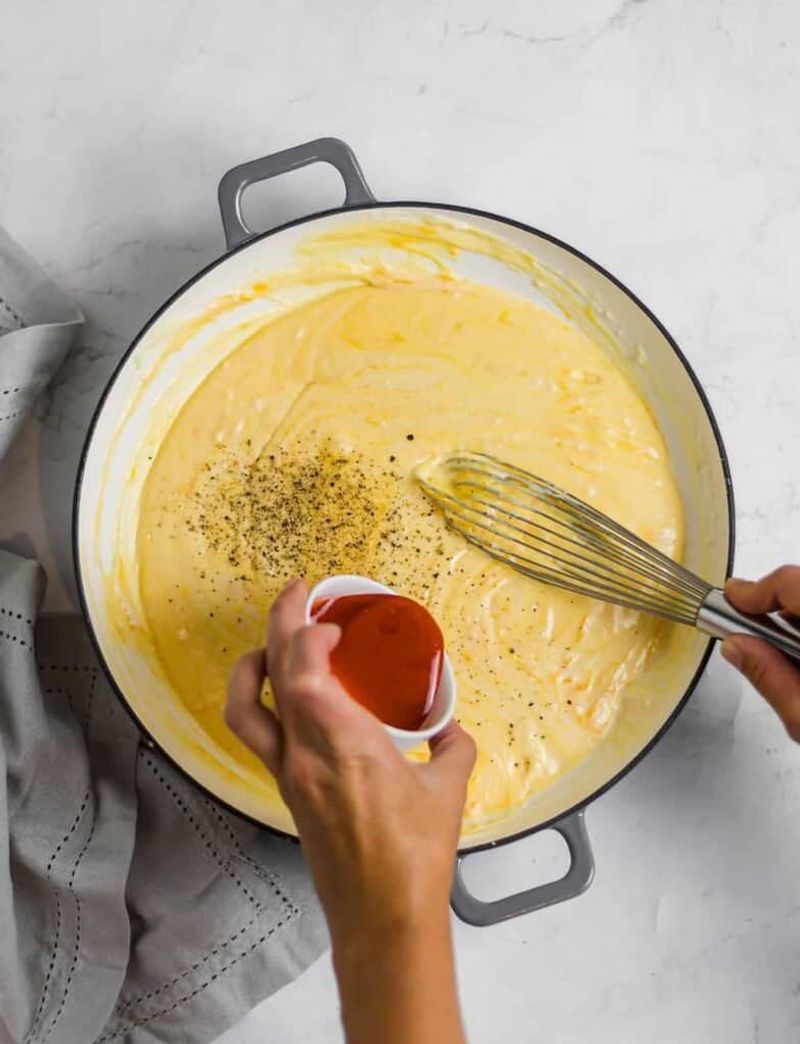
Aggressive stirring isn’t showing your cheese sauce who’s boss – it’s breaking the delicate emulsion you’re trying to create. Overworked cheese proteins tighten and separate from fats, resulting in grainy texture.
Gentle, consistent stirring with a wooden spoon or silicone spatula is the way to go. Whisks can incorporate too much air and break the sauce. Figure-eight motions work better than circular stirring, ensuring even heat distribution without protein damage.
12. Forgetting To Remove The Protective Rind On Certain Cheeses
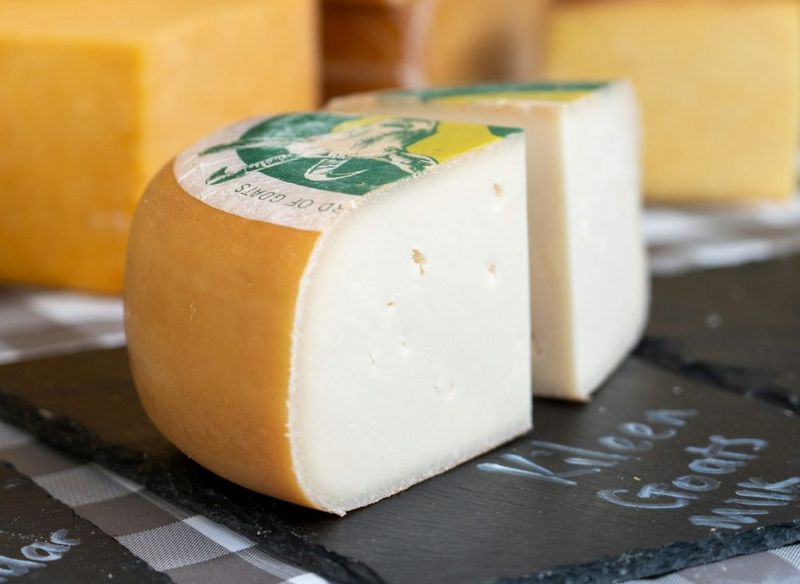
That waxy red coating on Gouda or the hard shell on Brie isn’t always meant for your stomach! Mistakenly cooking with inedible protective coverings creates waxy blobs in your otherwise perfect dish. Natural rinds (developed through aging) are generally edible and flavorful.
Man-made coverings like wax, cloth, or certain colored rinds need removal before cooking. When in doubt, ask your cheesemonger which parts are food and which are just packaging.
13. Adding Acidic Ingredients At The Wrong Time
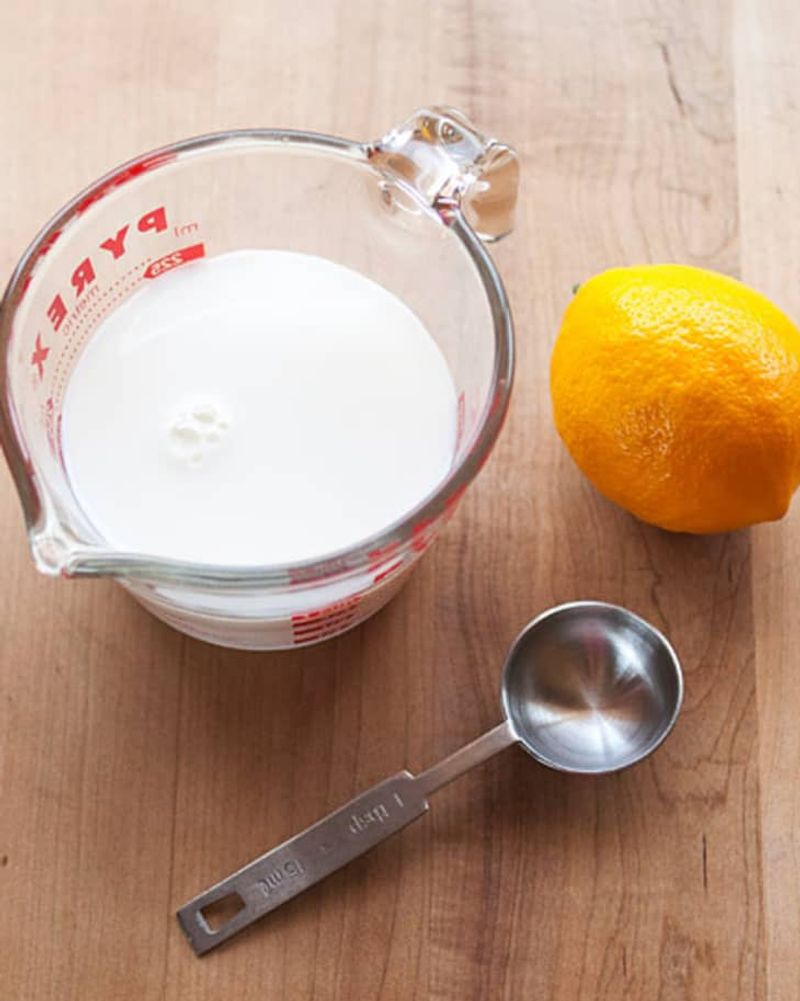
Tomatoes, wine, and lemon juice can transform your beautiful cheese sauce into a broken, curdled mess faster than you can say “mozzarella.” The acid causes protein molecules to tighten and separate from moisture.
Timing matters critically here. Add acidic ingredients early in the cooking process, allowing them to cook down before introducing cheese. Alternatively, add them after the cheese has fully melted and stabilized.
14. Serving Cheese Dishes At The Wrong Temperature
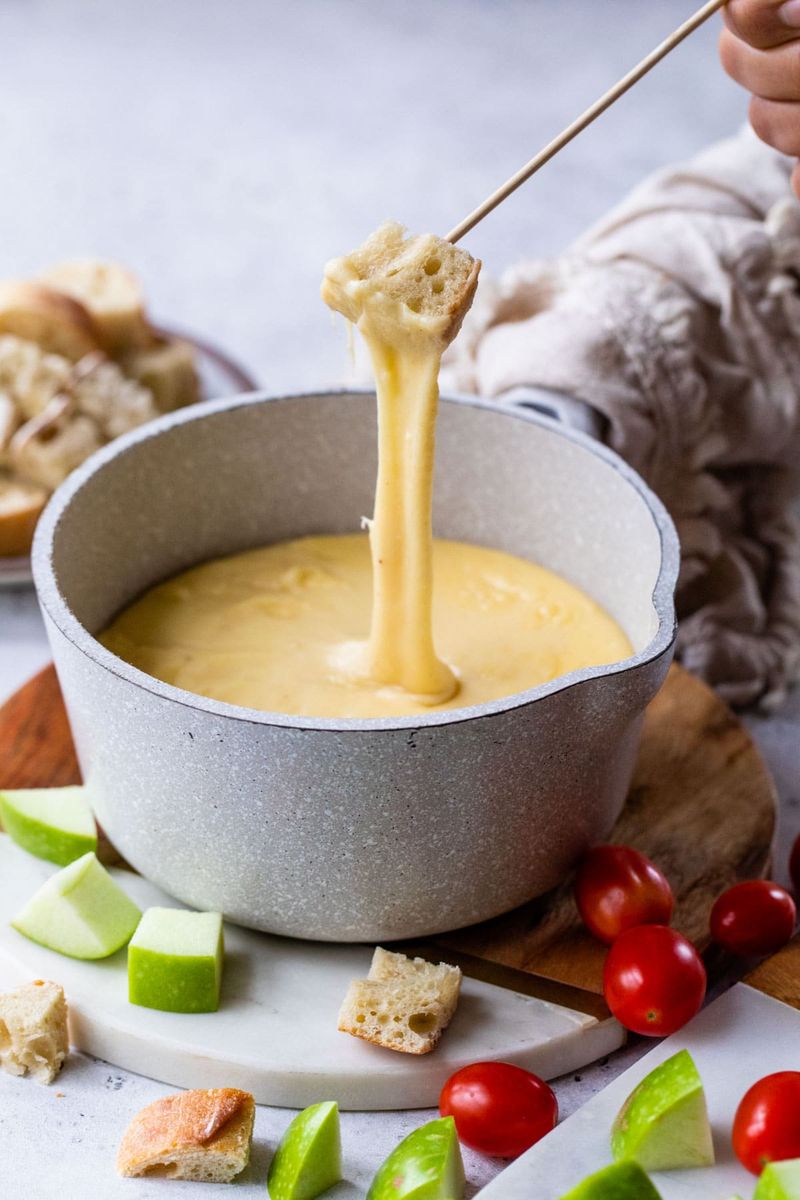
Timing the serving of cheese dishes can make or break your culinary reputation. Hot cheese dishes served lukewarm often develop an unappetizing skin or congeal into rubbery submission. Different cheese preparations have ideal serving windows.
Fondue needs a warming setup to maintain dippable consistency. Mac and cheese should rest briefly (3-5 minutes) after baking to set properly but served before it solidifies. Cold cheese plates require 30-60 minutes at room temperature for full flavor development.
15. Not Accounting For Cheese’s Moisture Loss When Cooking

Cheese loses significant moisture during cooking – up to 15% of its weight can evaporate! This shrinkage catches many cooks off guard, leaving dishes with less cheese presence than expected. High-moisture cheeses like mozzarella and ricotta are particularly prone to dramatic shrinkage.
For baked dishes, increase quantities by about 25% to compensate for moisture loss. With gratins and casseroles, consider adding cheese in layers rather than just on top. Fresh cheeses benefit from a brief pat with paper towels before cooking to remove excess moisture.