Cancer Tumors ‘Feed’ Off Popular Foods, Study Finds
New research has uncovered a startling connection between certain everyday foods and cancer growth. Scientists discovered that some popular items in our kitchens might actually provide fuel for tumor development.
What we eat could potentially impact cancer progression, making this information crucial for anyone concerned about their health.
1. Sugar-Loaded Sodas And Sweets
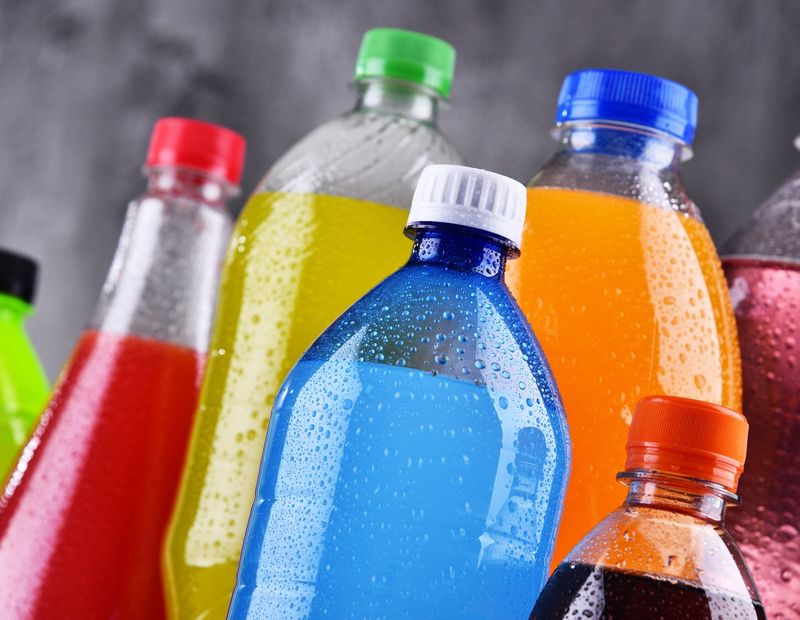
Ever wondered why doctors warn cancer patients about sugar? Cancer cells gobble up glucose like hungry teenagers at a buffet! They use this energy source to multiply rapidly.
Research suggests limiting sugary drinks and candies might help slow tumor growth. Swap that soda for water or unsweetened tea instead!
2. Processed Meats Like Bacon And Hot Dogs

Yikes! Those delicious bacon strips and juicy hot dogs contain nitrates and nitrites that transform into cancer-promoting compounds in your body. The World Health Organization classified processed meats as Group 1 carcinogens.
Limiting these weekend favorites might be a smart move for long-term health!
3. Refined White Flour Products

White bread, pasta, and pastries spike blood sugar levels faster than you can say “carbohydrates!” This glucose surge creates the perfect environment for cancer cells to thrive and multiply.
Whole grain alternatives provide fiber that slows digestion and helps maintain steadier glucose levels. Switch that white bread sandwich for whole grain goodness!
4. Alcohol In All Forms

That innocent-looking glass of wine might not be so innocent after all! Alcohol breaks down into acetaldehyde, a toxic compound that damages DNA and prevents repair.
Though red wine contains some beneficial compounds, the alcohol itself remains problematic. Moderation is key, consider limiting to occasional enjoyment rather than daily consumption.
5. Charred And Barbecued Meats

Holy smoke! Those delicious grill marks on your summer barbecue favorites contain heterocyclic amines and polycyclic aromatic hydrocarbons, compounds linked to increased cancer risk.
Don’t toss the grill yet! Marinating meat before cooking and avoiding excessive charring can significantly reduce these harmful compounds. Share this tip at your next cookout!
6. Trans Fat-Laden Snacks

Whoa there! Those tempting packaged cookies and microwave popcorn often harbor dangerous trans fats that trigger inflammation, a known cancer promoter.
Many countries have banned these artificial fats, but they still lurk in some products. Check those ingredient labels for “partially hydrogenated oils” and run the other way!
7. Farmed Salmon With Contaminants
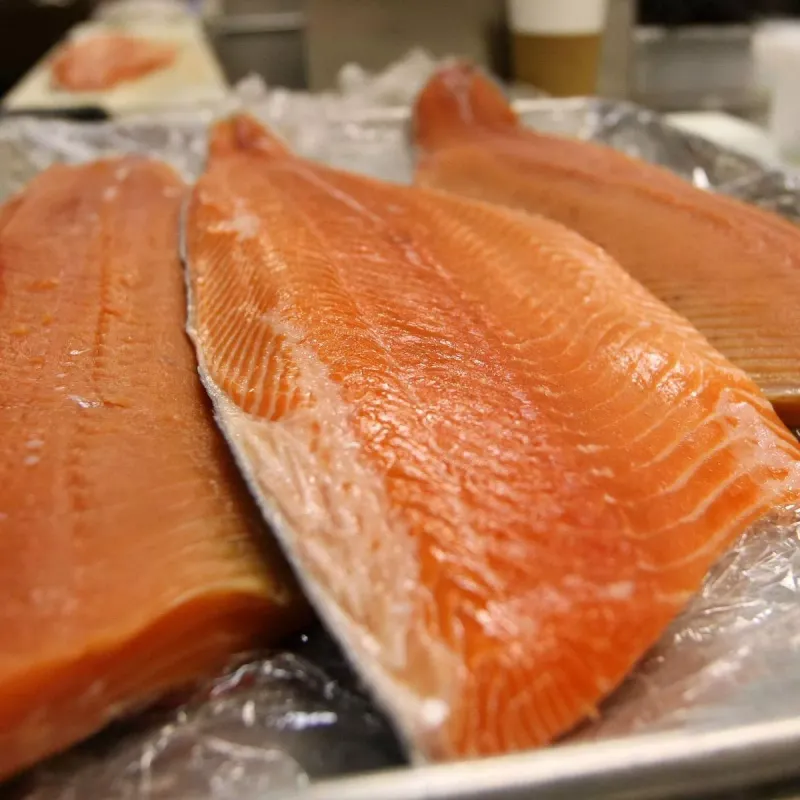
If you’re reaching for salmon thinking it’s always healthy, think again! Some farmed varieties contain PCBs and dioxins, environmental pollutants linked to several cancer types.
Wild-caught salmon typically contains fewer contaminants and more beneficial omega-3s. When budget allows, wild varieties offer a safer protein option for your cancer-prevention menu.
8. Ultra-Processed Frozen Meals
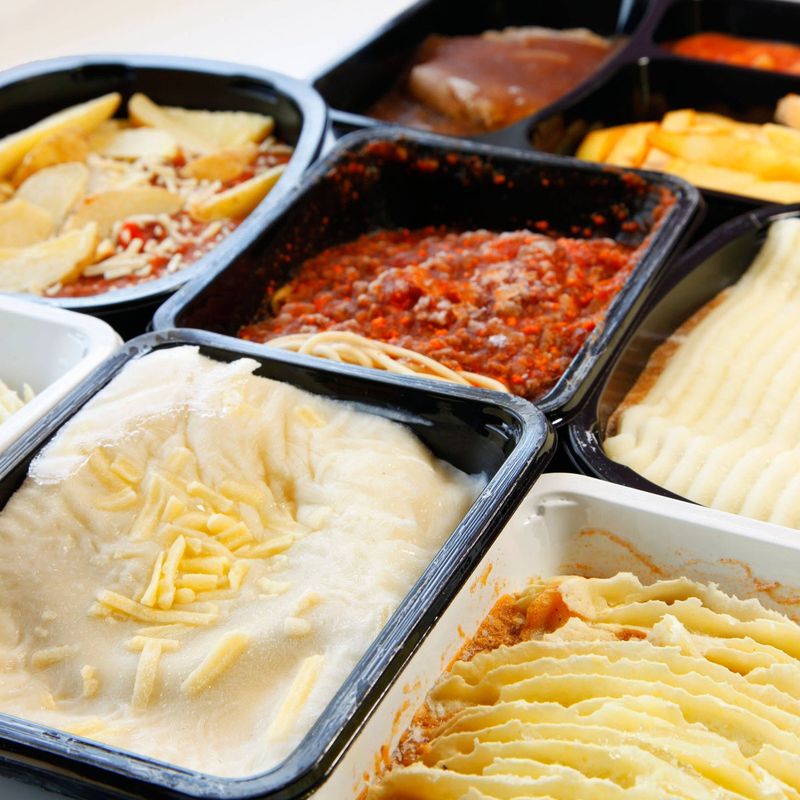
Zap! That convenient microwave dinner might save time but cost health points! Ultra-processed foods contain preservatives, artificial colors, and flavor enhancers that may disrupt normal cell function.
Studies show people consuming the highest amounts of ultra-processed foods face higher cancer rates. Batch-cook real foods on weekends to create your own healthier “fast food”!
9. Artificial Sweeteners In Diet Products
Surprise! Those zero-calorie sweeteners might help your waistline but potentially harm elsewhere. Some studies suggest certain artificial sweeteners may alter gut bacteria balance and promote inflammation.
Though research remains ongoing, moderation seems wise. Natural alternatives like small amounts of honey or fruit might satisfy your sweet tooth without concerning side effects.
10. Pesticide-Heavy Non-Organic Produce
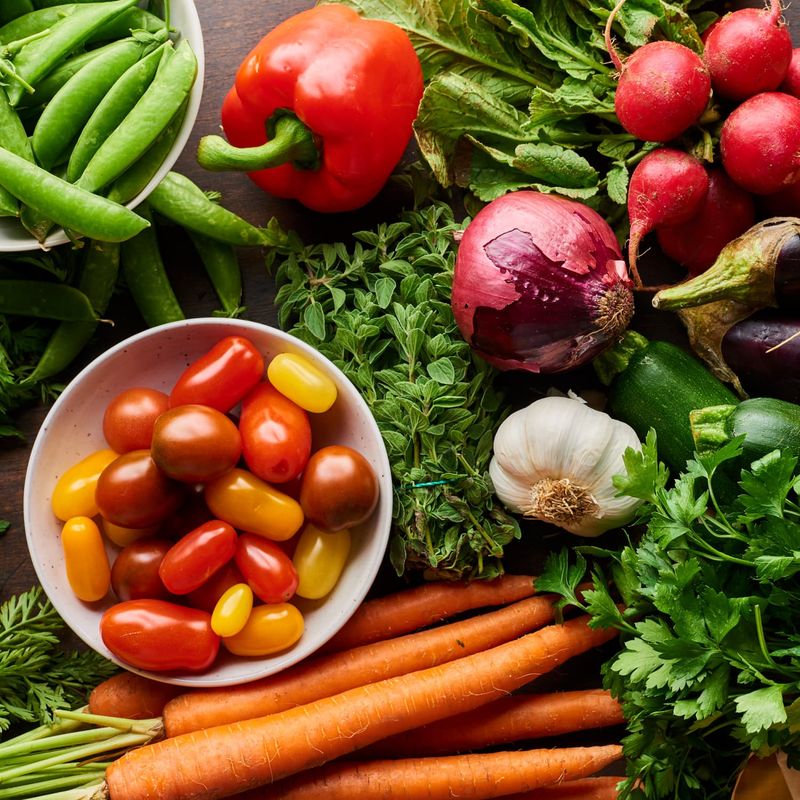
Pesticides don’t just kill bugs, they might harm humans too! Conventional fruits and vegetables often contain residues of chemicals linked to hormone disruption and cancer development.
Can’t afford all organic? Focus on the “Dirty Dozen” list of most contaminated produce. Thoroughly washing conventional produce helps reduce (though not eliminate) pesticide residues. Your cells will thank you!