18 Best Stone Fruits For A Healthier You According To Dietitians
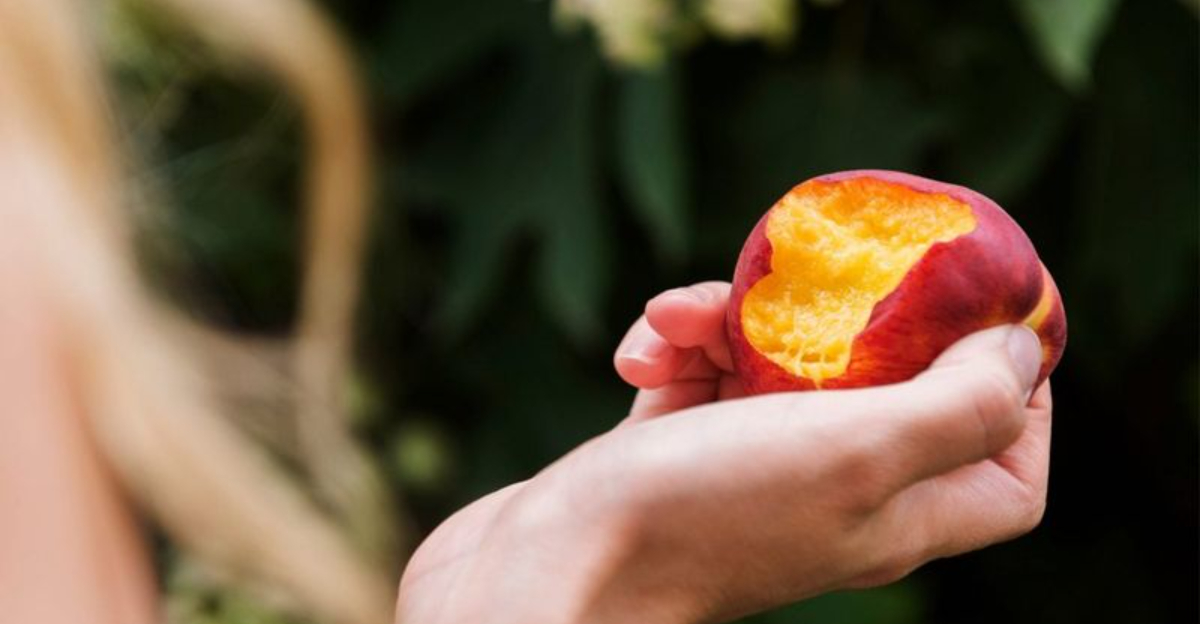
Stone fruits are summer’s juicy treasures packed with nutrients. These delicious fruits contain a hard pit or ‘stone’ in the center, giving them their name.
Dietitians love recommending them because they’re low in calories but high in vitamins, minerals, and fiber that can boost your health.
1. Juicy Peaches
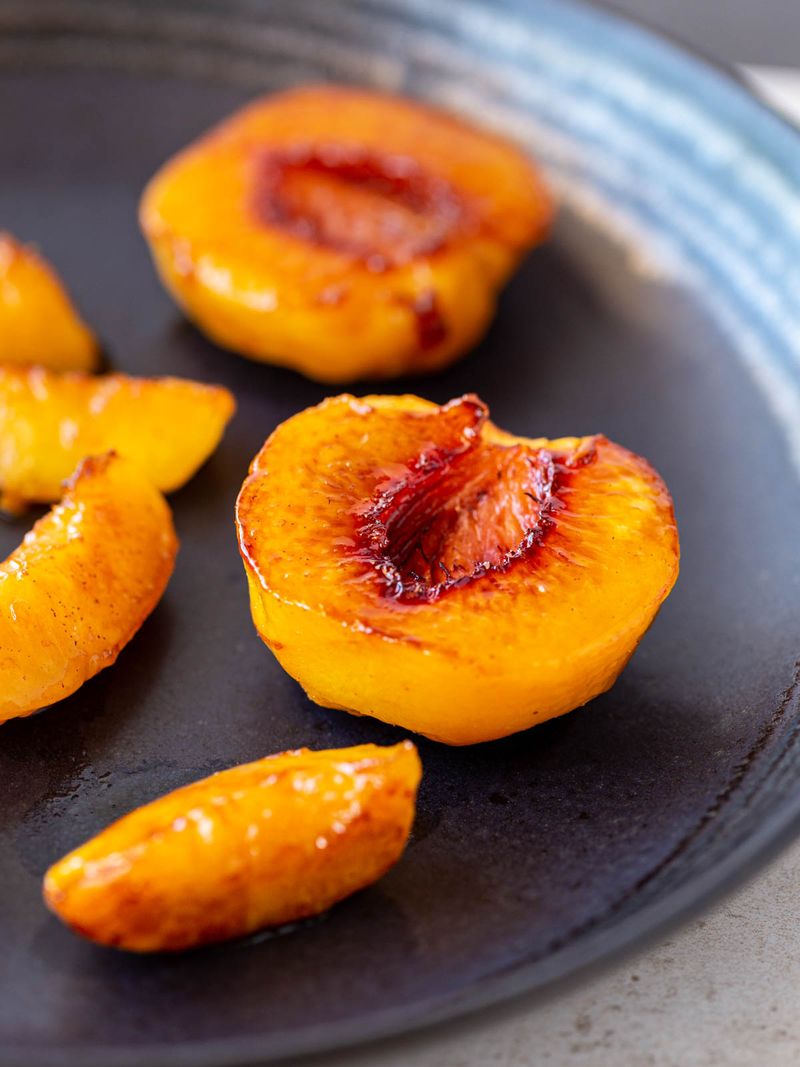
Peaches deliver a sweet punch of vitamin C and potassium. Their fuzzy skin adds extra fiber to your diet.
Dietitians recommend peaches for their antioxidant content that helps fight inflammation. One medium peach has only about 60 calories but provides plenty of nutrients.
2. Tangy Apricots
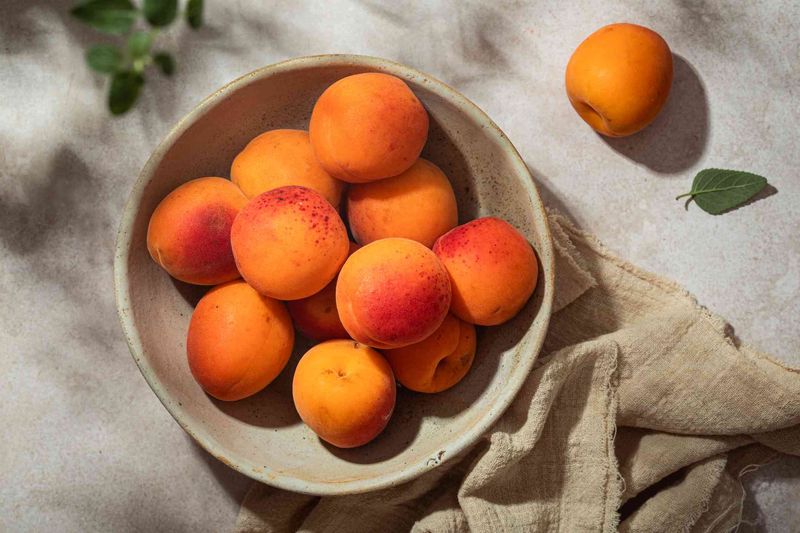
Tiny but mighty, apricots pack impressive amounts of vitamin A for eye health. Their small size makes them perfect for snacking.
Three fresh apricots contain just 50 calories. Nutritionists value them for their beta-carotene, which gives them their bright orange color and provides immune-boosting benefits.
3. Sweet Nectarines
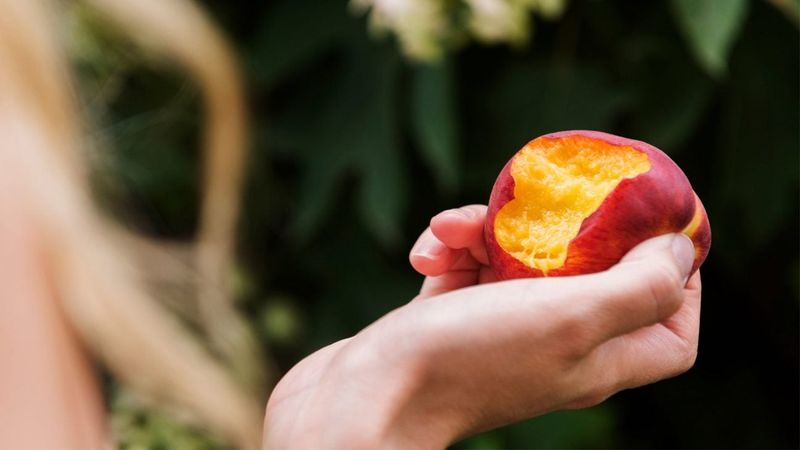
Think of nectarines as peaches without the fuzz! Their smooth skin contains more antioxidants than their fuzzy cousins.
Rich in vitamin C, nectarines support collagen production for healthy skin. Their natural sweetness makes them a smart alternative to processed desserts when you’re craving something sweet.
4. Versatile Plums
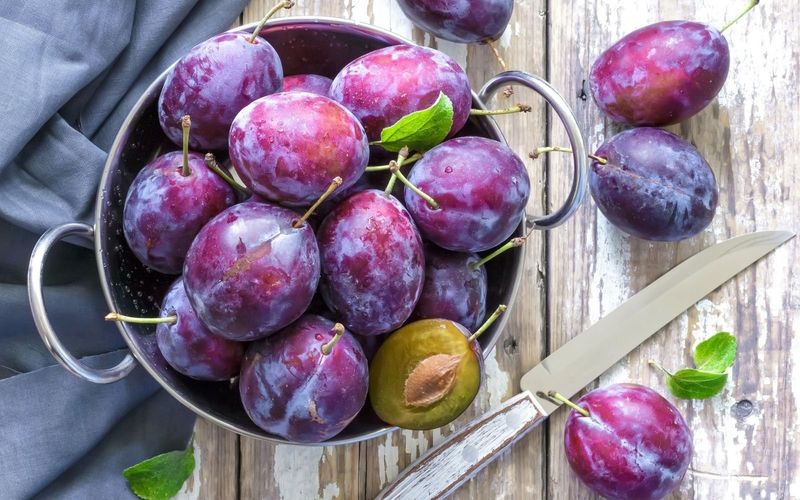
Available in multiple varieties from deep purple to yellow, plums offer diverse flavors. Their skin contains most of their nutrients, so eat them whole!
Plums contain unique phytonutrients called neochlorogenic and chlorogenic acid. These compounds help protect cells from damage and may reduce risk of age-related diseases.
5. Tart Cherries
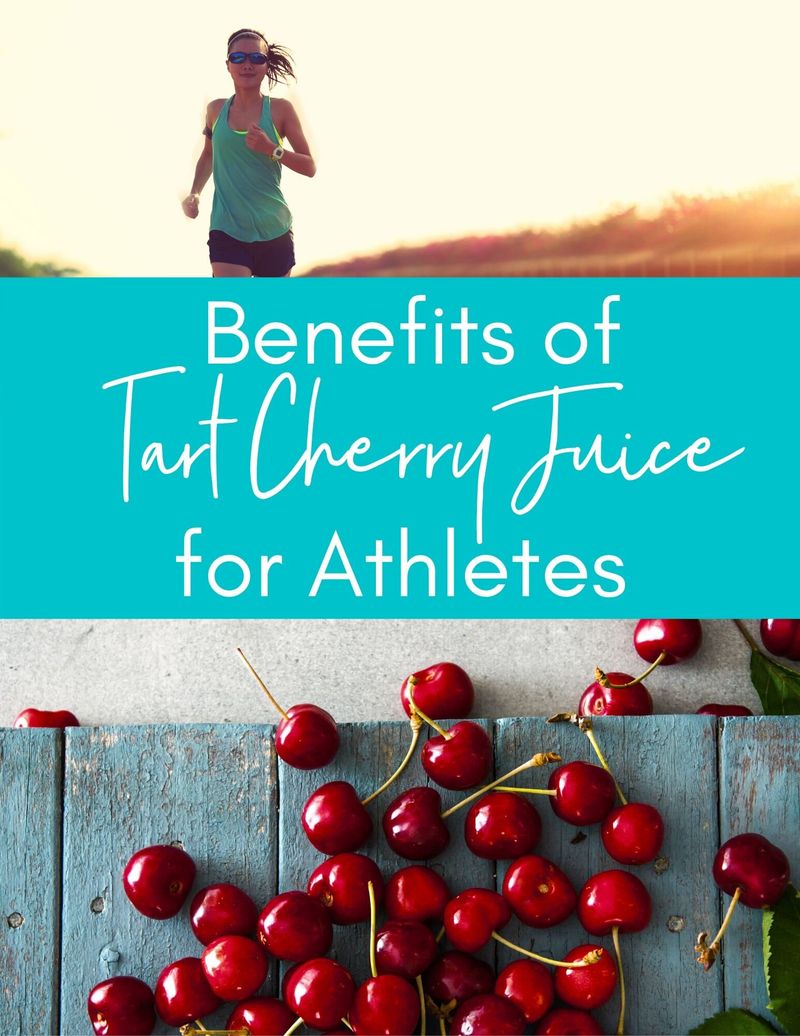
Athletes love tart cherries for their recovery benefits. Studies show they can reduce muscle soreness after exercise.
These ruby gems contain melatonin, which may help improve sleep quality. Their deep red color comes from anthocyanins, powerful antioxidants that fight inflammation throughout the body.
6. Sweet Cherries
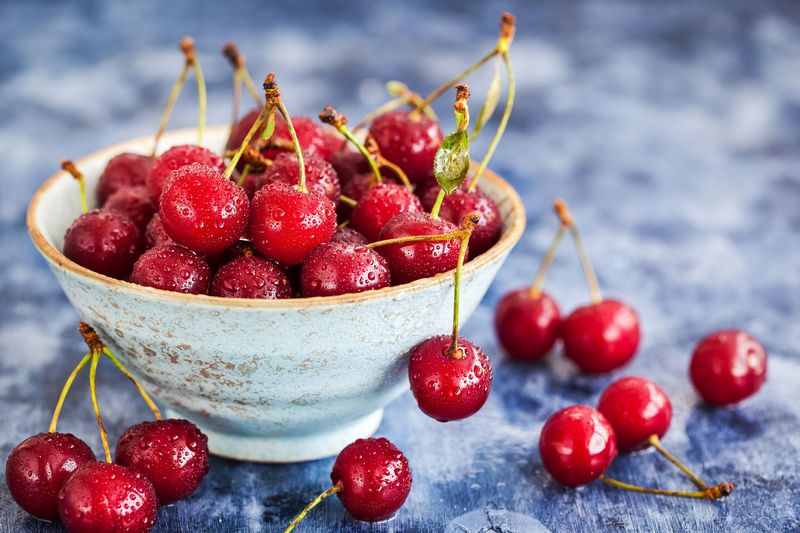
Darker than their tart cousins, sweet cherries contain more natural sugar. They make a perfect natural dessert option.
One cup provides 3 grams of fiber to support digestive health. Sweet cherries also contain quercetin, an antioxidant that may help lower blood pressure and reduce inflammation.
7. Exotic Lychees
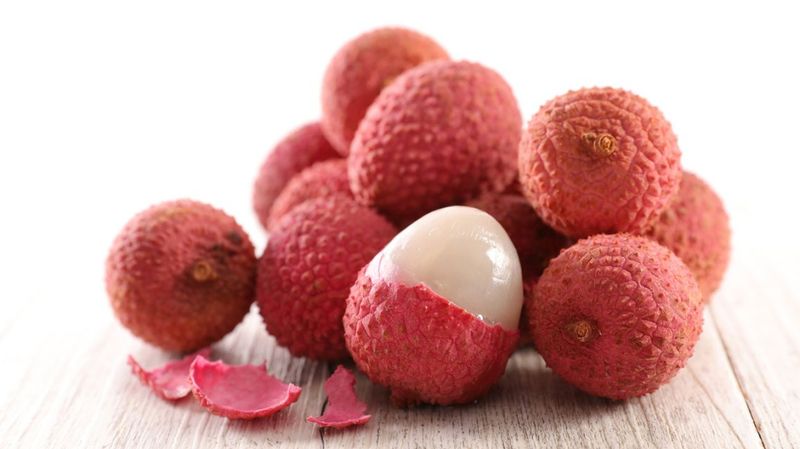
Though less common, lychees qualify as stone fruits with their central seed. Their translucent white flesh offers a floral, sweet flavor.
Rich in vitamin C, ten lychees provide 100% of your daily needs! They also contain good amounts of copper and potassium, important minerals for heart health.
8. Tropical Mangoes
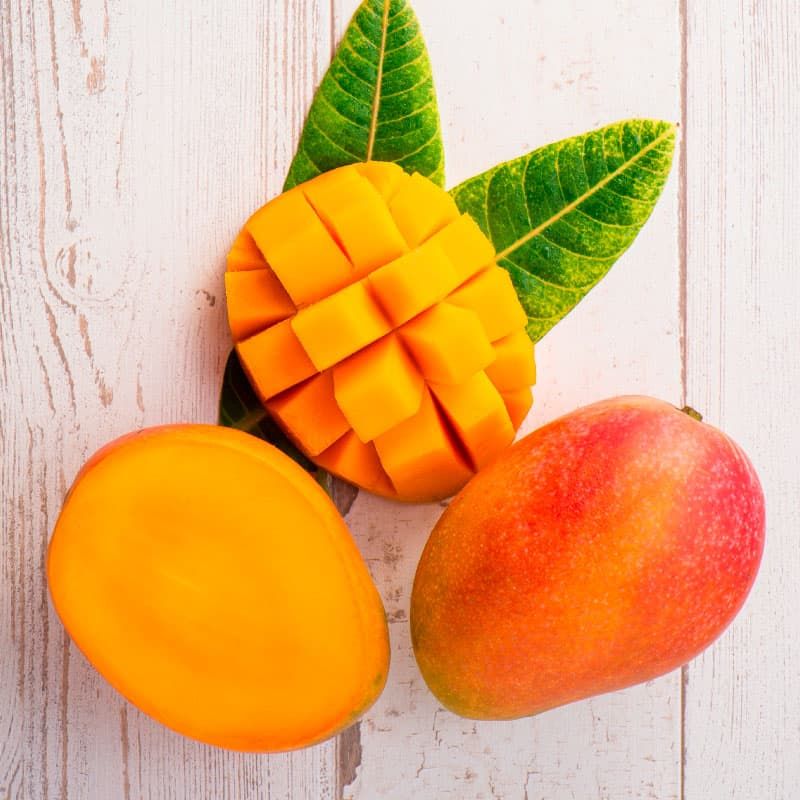
Surprise! Mangoes belong to the stone fruit family with their large central pit. One mango provides 100% of your daily vitamin C needs.
Their bright orange flesh signals high beta-carotene content. Dietitians recommend mangoes for their digestive enzymes that can help break down proteins and aid digestion.
9. Unique Pluots
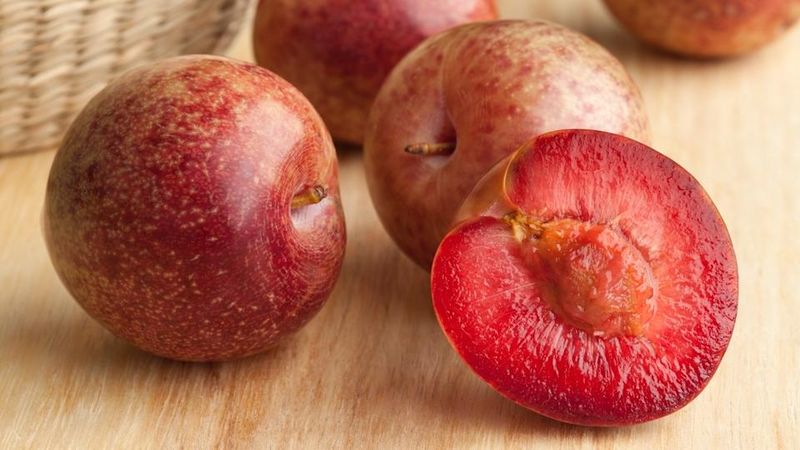
Pluots are hybrids – 75% plum and 25% apricot. This combination creates a super-sweet fruit with complex flavor notes.
Their higher sugar content comes with plenty of fiber, helping prevent blood sugar spikes. Nutritionists appreciate their concentrated amounts of antioxidants from both parent fruits.
10. Fragrant White Peaches
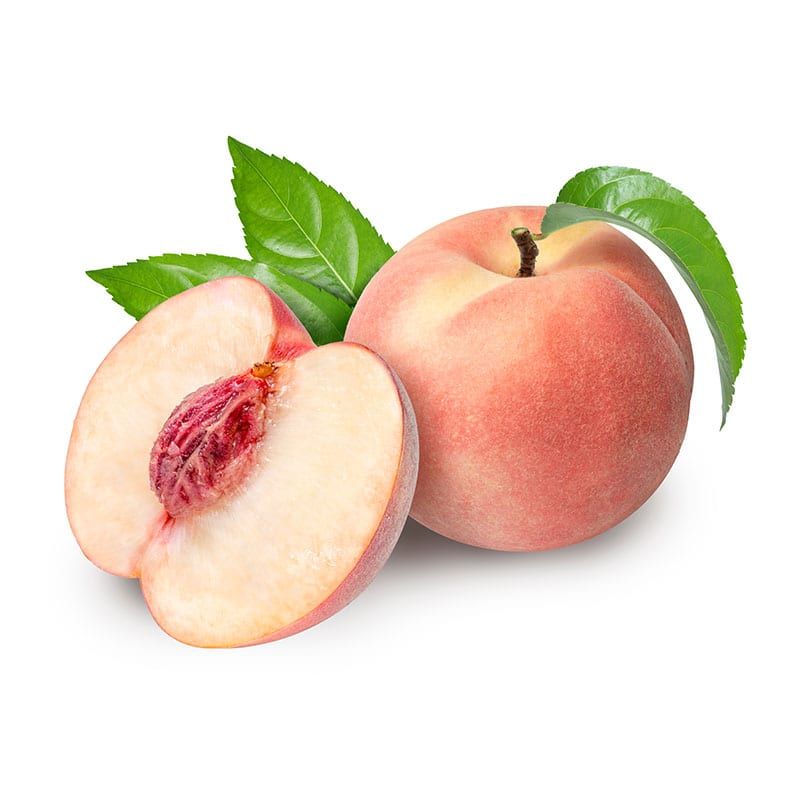
White peaches offer a delicate, floral flavor compared to yellow varieties. Their lower acidity makes them taste sweeter even with less sugar.
Packed with catechins, white peaches provide similar antioxidants to those found in green tea. Their pale flesh still delivers plenty of vitamin C and potassium for heart health.
11. Vibrant Apriums
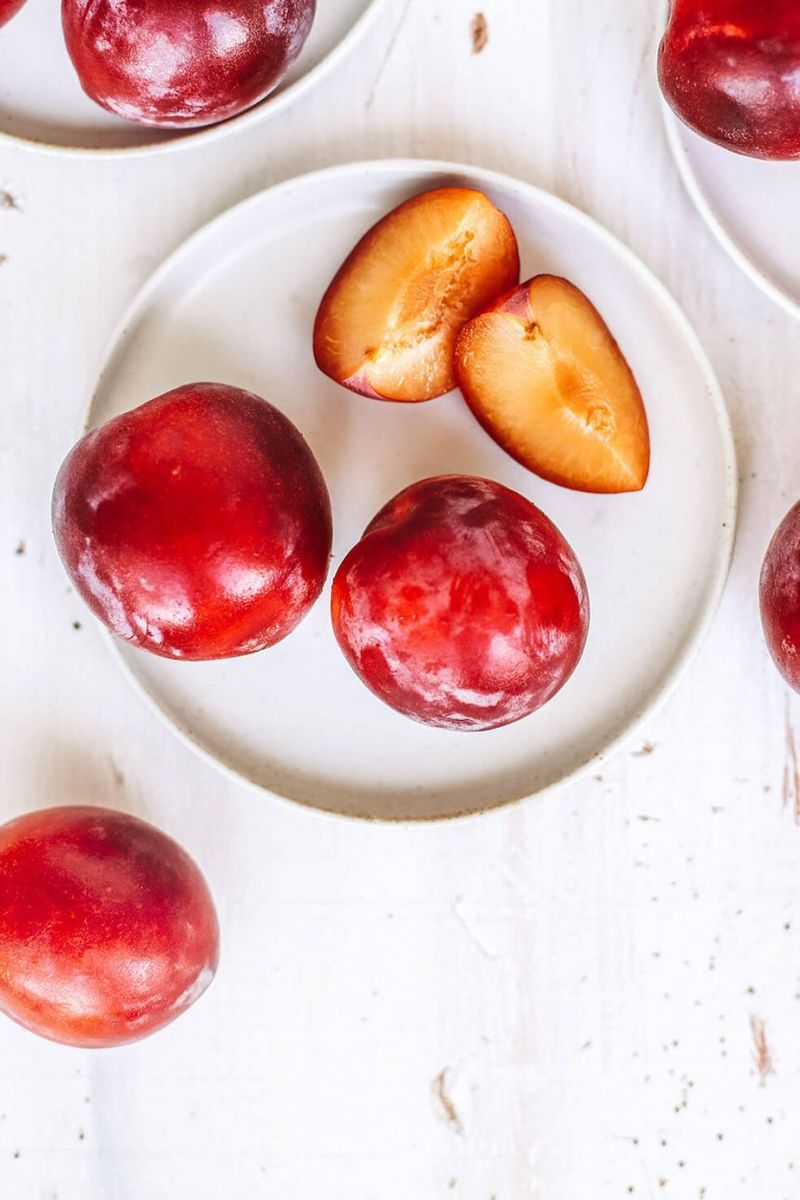
Apriums blend apricot (75%) and plum (25%) genetics. Their apricot-dominant nature gives them a velvety skin with extra-sweet flesh.
These specialty hybrids contain higher vitamin A levels than many other stone fruits. Their concentrated flavor means you need less to satisfy sweet cravings, helping with portion control.
12. Petite Mirabelle Plums
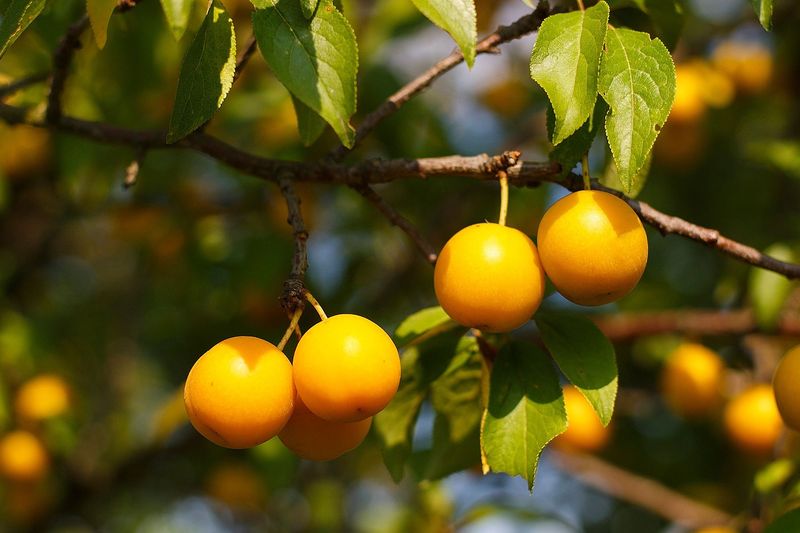
These tiny yellow plums pack concentrated sweetness in bite-sized packages. Popular in French cuisine, they’re perfect for preserving.
Despite their small size, mirabelles deliver impressive amounts of vitamins A and C. Their natural sweetness comes with a lower glycemic impact than larger plum varieties.
13. Velvet Apricots
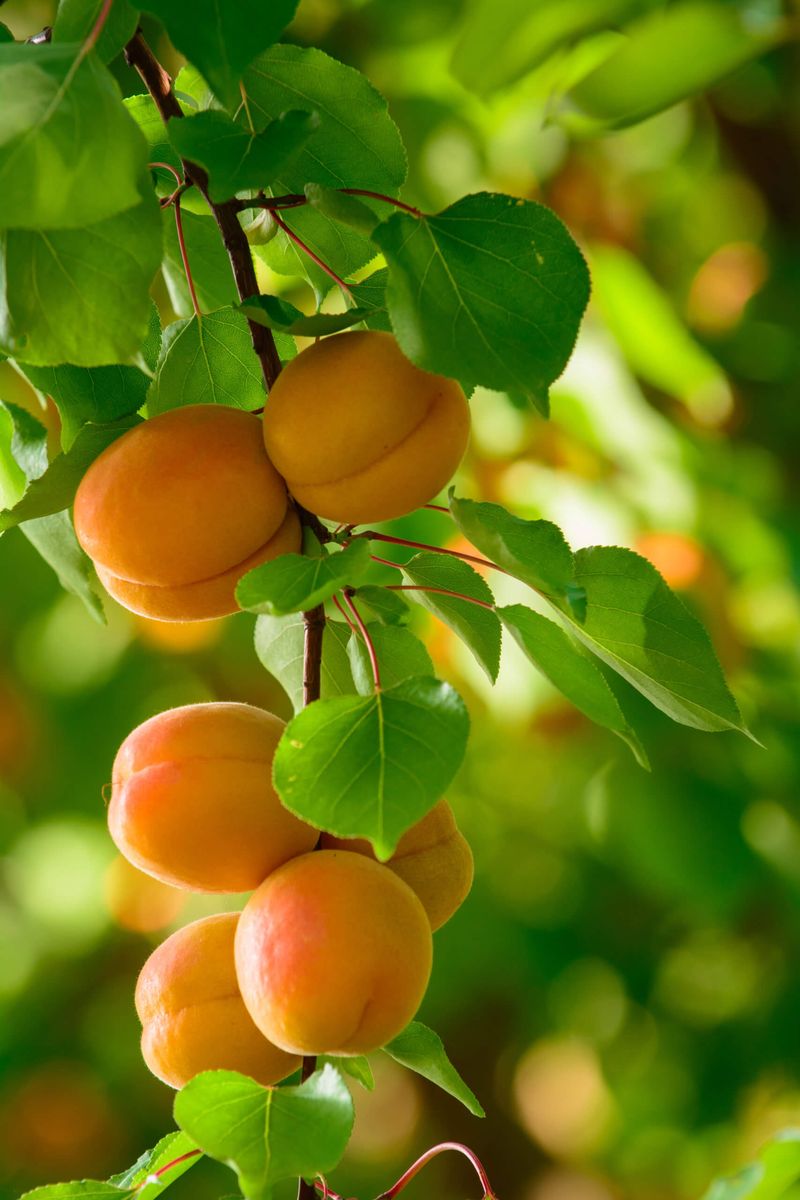
Velvet apricots feature fuzzy skin like peaches but with apricot’s distinct flavor. This specialty variety combines the best of both fruits.
Their unique texture houses impressive amounts of iron and potassium. Nutritionists recommend them for their concentrated beta-carotene content that supports immune function and skin health.
14. Juicy Pluerry
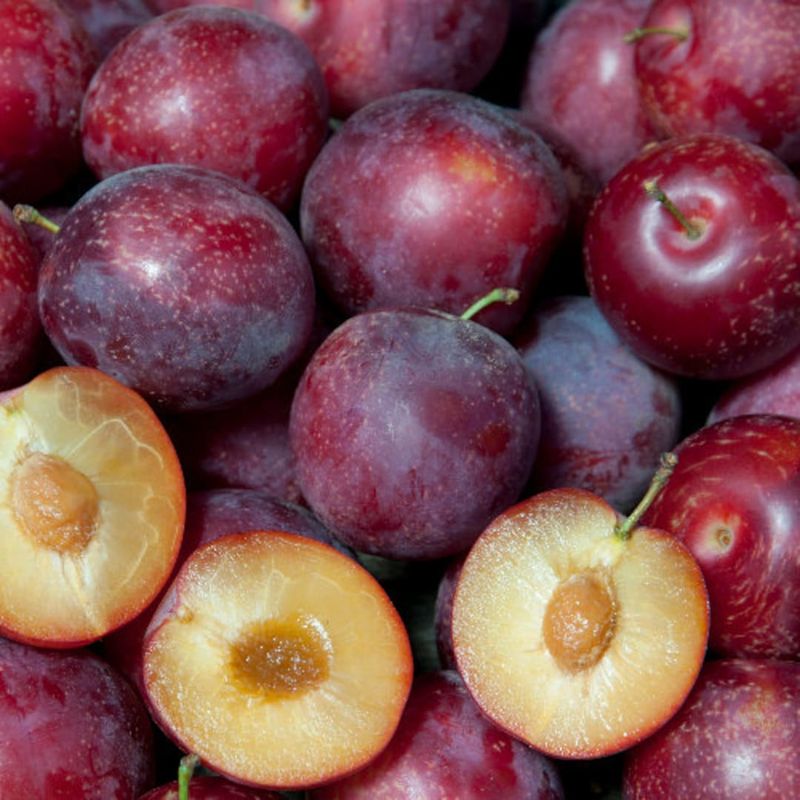
Pluerries combine plum and sweet cherry traits for a juicy, aromatic experience. Their cherry-like size makes them perfect for snacking.
Created through natural breeding methods, pluerries offer higher antioxidant levels than either parent fruit. Their balanced sweet-tart flavor satisfies cravings without added sugars.
15. Aromatic Yellow Nectarines
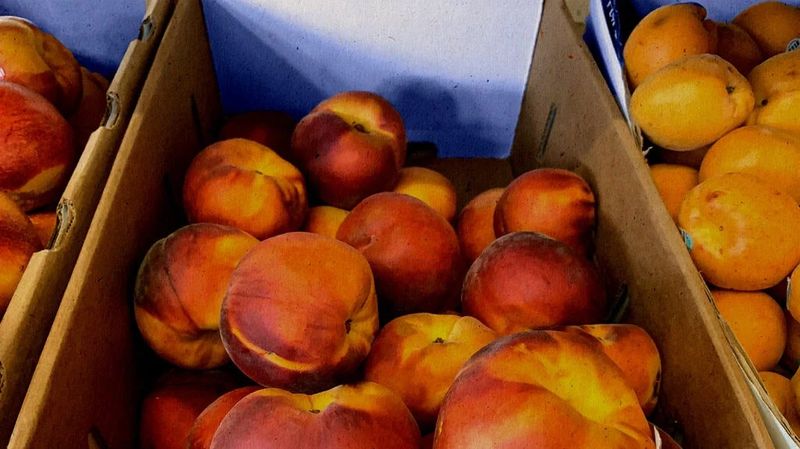
Yellow nectarines offer more tanginess than their white counterparts. Their bright flesh signals higher beta-carotene content.
One medium fruit provides about 15% of your daily vitamin C needs. Dietitians highlight their perfect balance of natural sugars and fiber that helps maintain steady energy levels.
16. Rare Green Plums
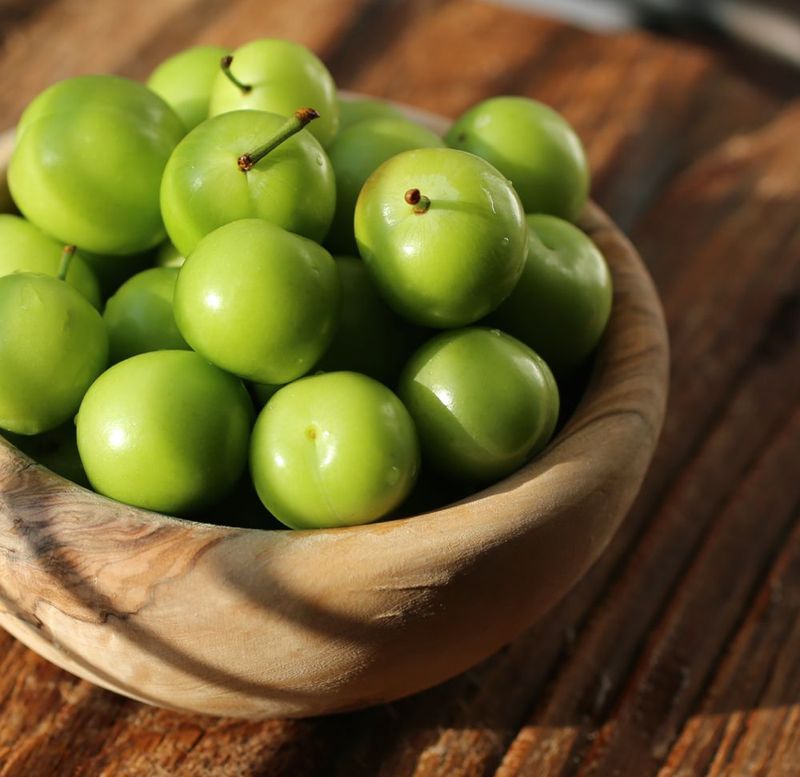
Typically harvested unripe, green plums offer a tart, crunchy experience. Popular in Middle Eastern cuisines, they’re often enjoyed with salt.
Their sourness comes from higher vitamin C content than ripe varieties. Green plums contain unique compounds that may help control blood sugar levels and support digestive health.
17. Velvety Donut Peaches
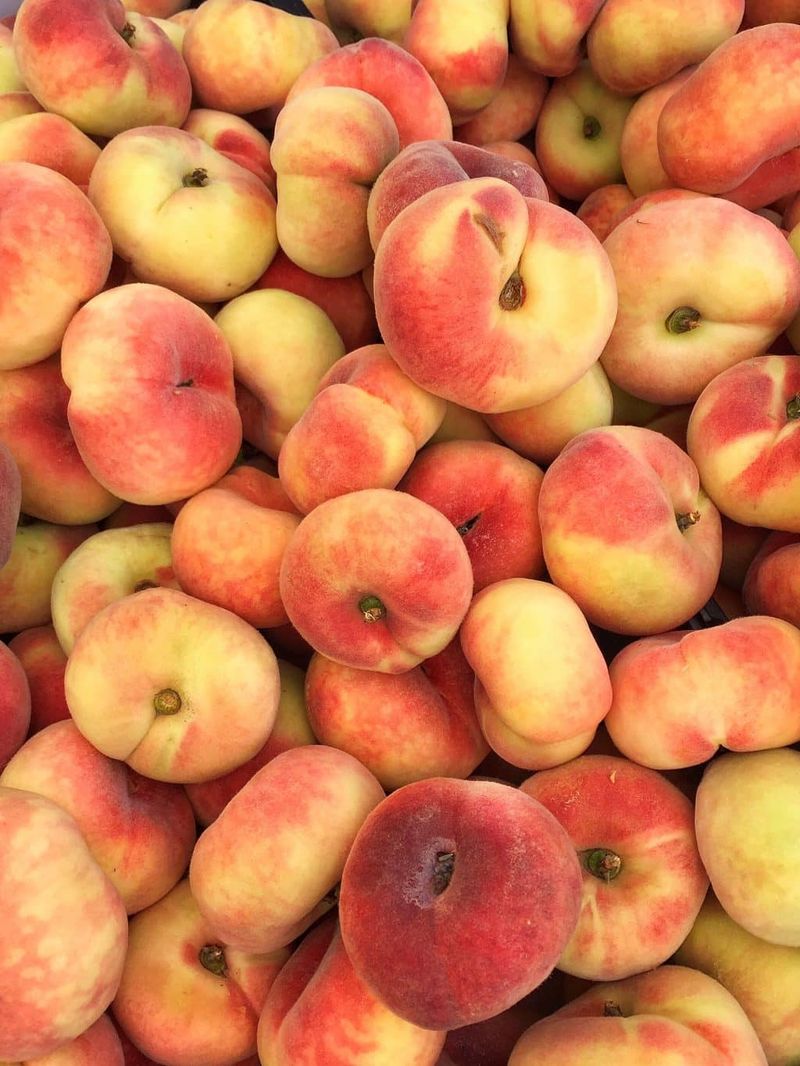
Also called Saturn peaches, these flat fruits have white flesh and a distinctive shape. Their thin skin means less peeling and more eating!
Sweeter than regular peaches, they contain less acid. Their unique shape isn’t just cute – it makes them perfect for children and portion control while still delivering key nutrients.
18. Rich Black Plums
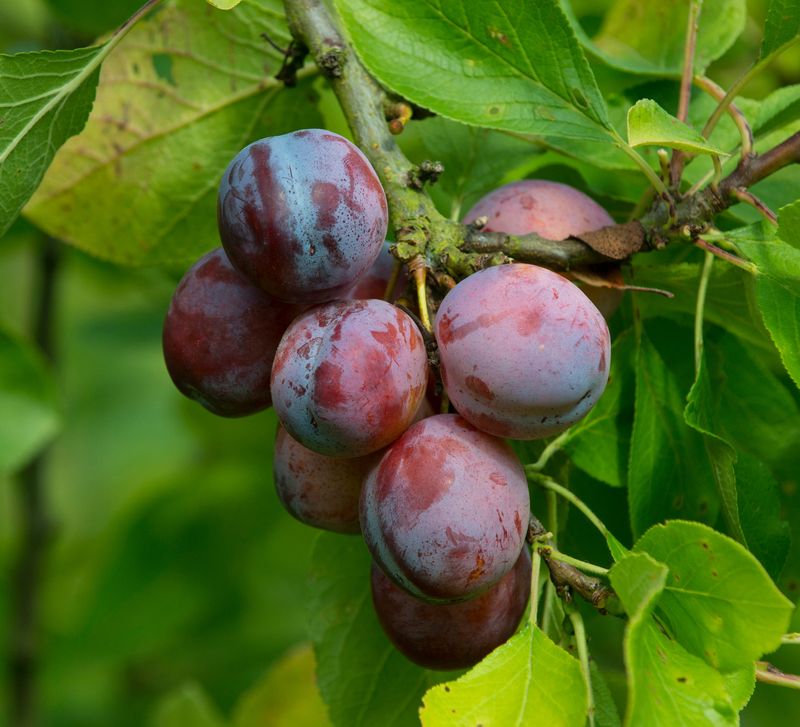
Black plums contain the highest antioxidant levels of all plum varieties. Their deep purple skin houses powerful compounds that fight oxidative stress.
Just one medium black plum provides 6% of your daily potassium needs. Their rich flavor comes with very few calories, making them a smart choice for weight management.