10 Traditional Amish Kitchen Habits You’ll Want To Borrow
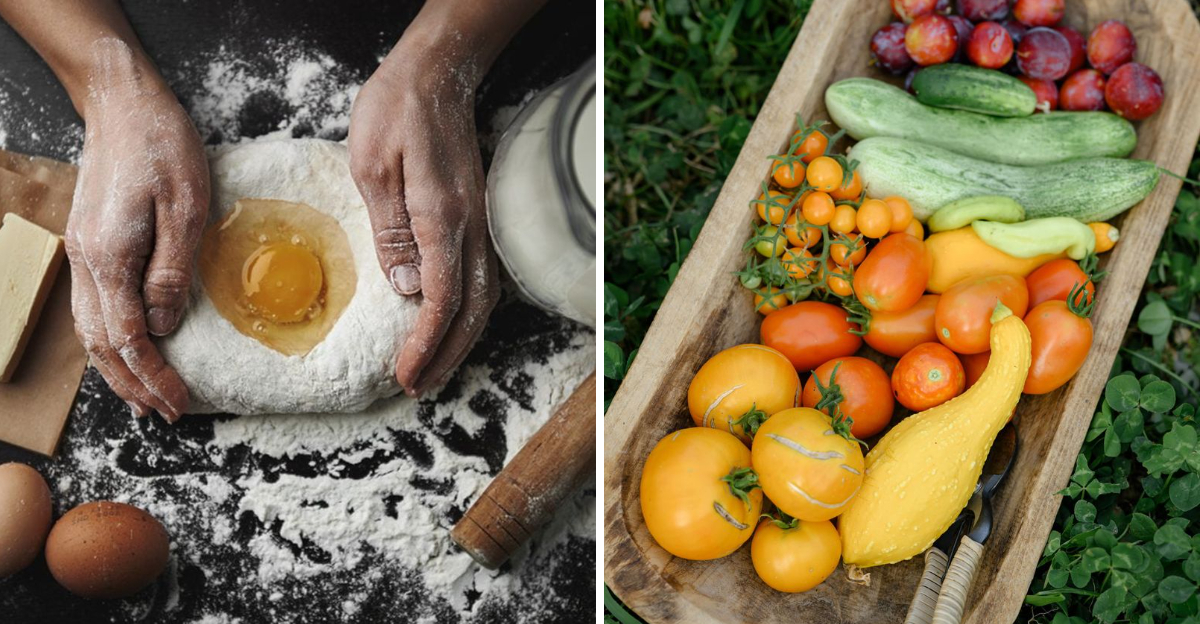
Stepping into an Amish kitchen is like traveling back to a simpler time, where food connects families and traditions run deep. Without electricity or modern gadgets, Amish cooks rely on time-tested methods passed down through generations.
Their approach to food isn’t just about eating—it’s about nurturing community, practicing thrift, and honoring their heritage through every meal they prepare.
1. Cooking From Scratch
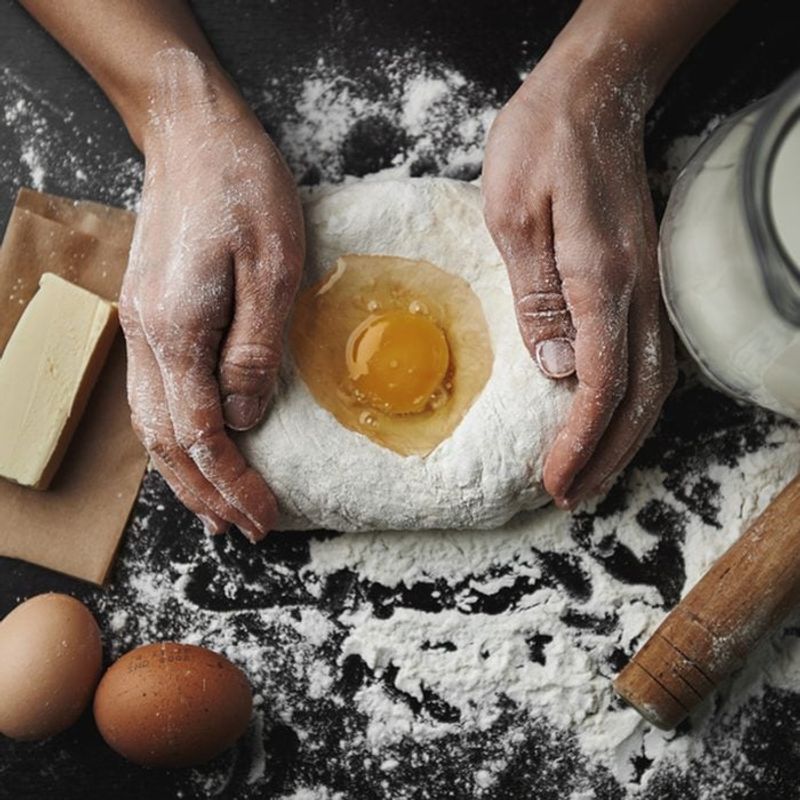
Forget boxed cake mixes and pre-made sauces! Amish kitchens buzz with the raw ingredients of life—flour dusting countertops, eggs straight from the henhouse, and vegetables with soil still clinging to their roots.
Every meal begins as separate ingredients rather than packages with ingredient lists longer than a summer day. This scratch cooking isn’t about following trends; it’s practical necessity turned art form.
2. Using Cast Iron Cookware
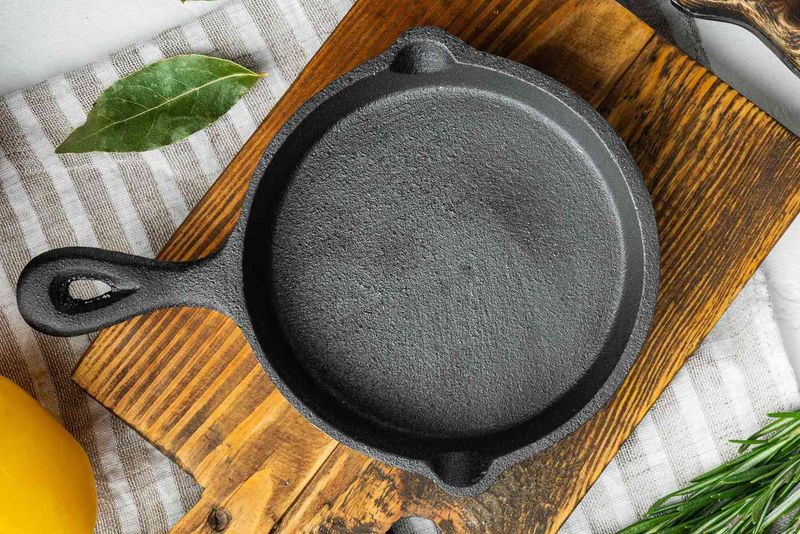
Heavy, black, and practically indestructible—cast iron reigns supreme in Amish kitchens. These heirloom skillets and dutch ovens, often older than their owners, carry the seasoning of countless meals within their pores.
Why such devotion to these weighty kitchen tools? Cast iron distributes heat perfectly without electricity, works on wood stoves, and improves with age—unlike today’s disposable cookware. Many pieces bear silent witness to generations of family meals.
3. Canning And Preserving
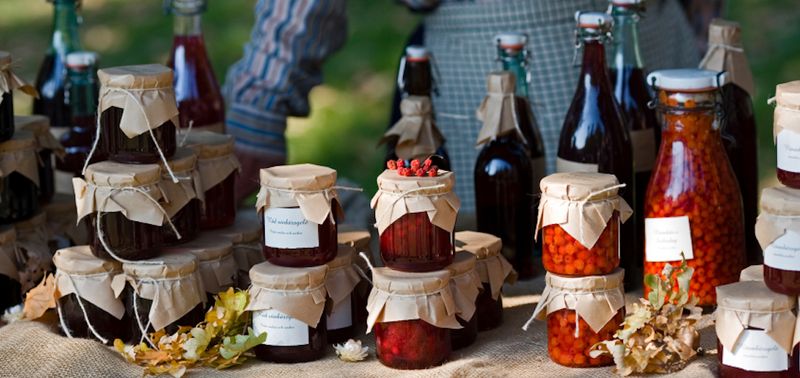
Summer’s abundance becomes winter’s salvation through the rhythmic clinking of glass jars in Amish kitchens. Rows of gleaming jars filled with jewel-toned fruits, vegetables, and relishes line root cellar shelves—edible stained glass windows of flavor.
Without freezers or supermarkets, Amish families preserve everything possible. Nothing goes to waste! Tomatoes become sauce, cucumbers transform into pickles, and berries cook down to jam.
4. Baking Fresh Bread Daily
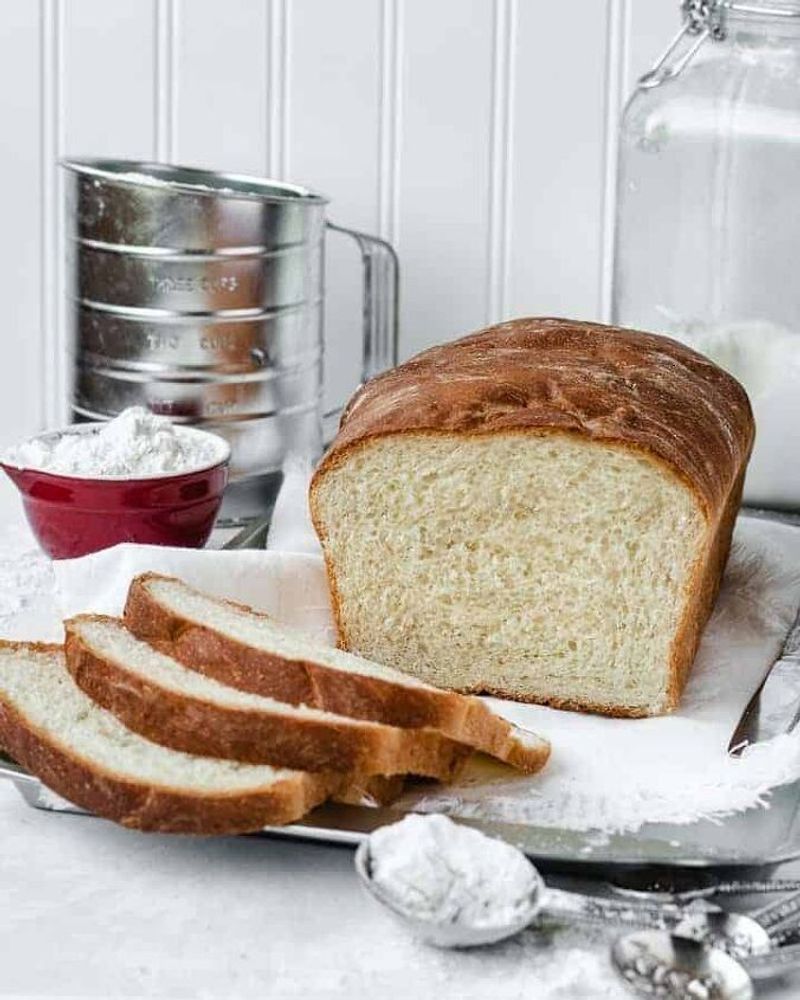
The heartbeat of an Amish kitchen is the daily bread ritual. Before dawn, while most still dream, dough rises under cloth covers—living, breathing entities requiring gentle hands and perfect timing.
Unlike store-bought loaves with mysterious ingredients, Amish bread contains only flour, water, salt, and yeast or sourdough starter maintained for decades. The rhythmic kneading isn’t just about texture; it’s meditation and prayer worked into each loaf.
5. Meal Planning Around Seasonal Ingredients
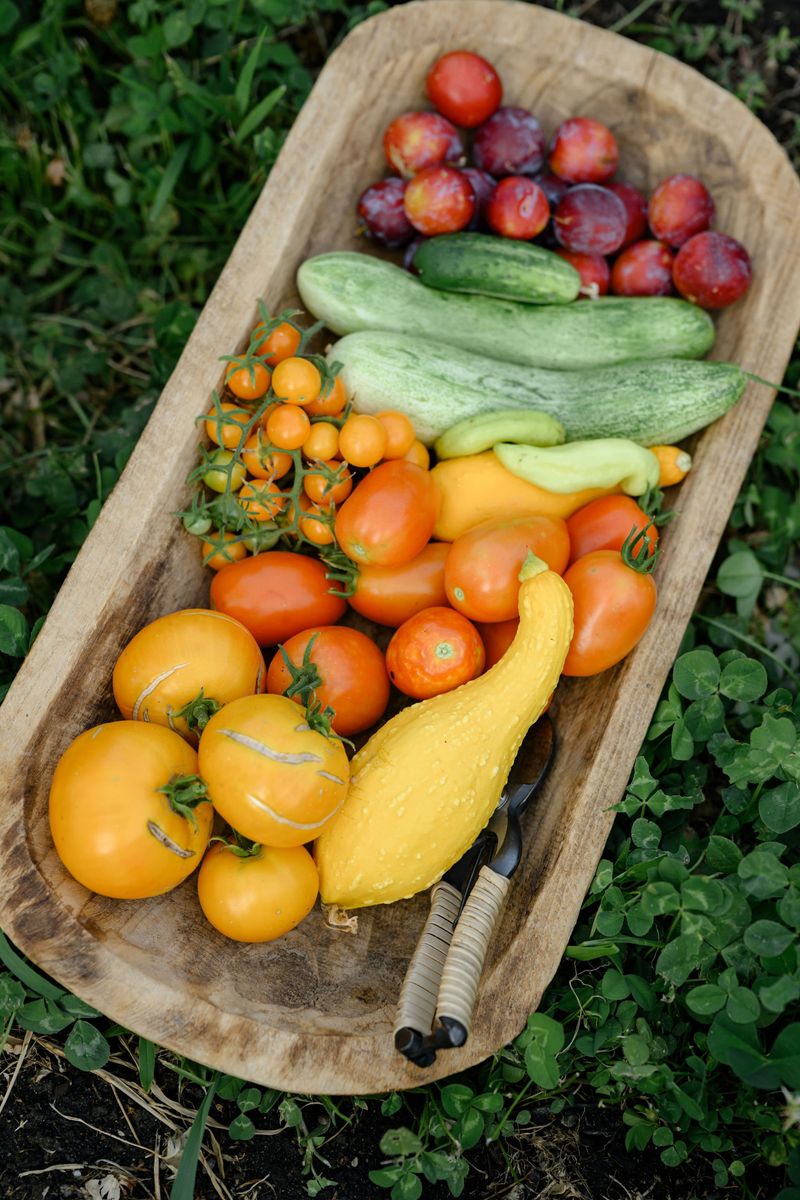
Strawberry shortcake in January? Unthinkable in Amish kitchens! Their meals dance in perfect rhythm with nature’s calendar, creating an eating pattern modern nutritionists now praise but Amish families never abandoned.
Spring brings tender greens and the first precious eggs after winter’s scarcity. Summer explodes with garden bounty eaten fresh daily. Fall harvest means root vegetables and preserved goods take center stage. Winter plates feature stored squash, canned goods, and preserved meats.
6. Minimal Use Of Processed Foods

Walk into an Amish pantry and you’ll notice what’s missing—colorful packages with marketing slogans and ingredient lists requiring a chemistry degree to decipher. Their shelves hold basics: flour, sugar, salt, and home-preserved goods.
Sugar comes in bulk sacks, not individual packets. Butter exists in hand-churned blocks, not plastic tubs with spreadability claims. This simplicity isn’t about health trends but practicality and tradition.
7. Using Wood-Burning Stoves
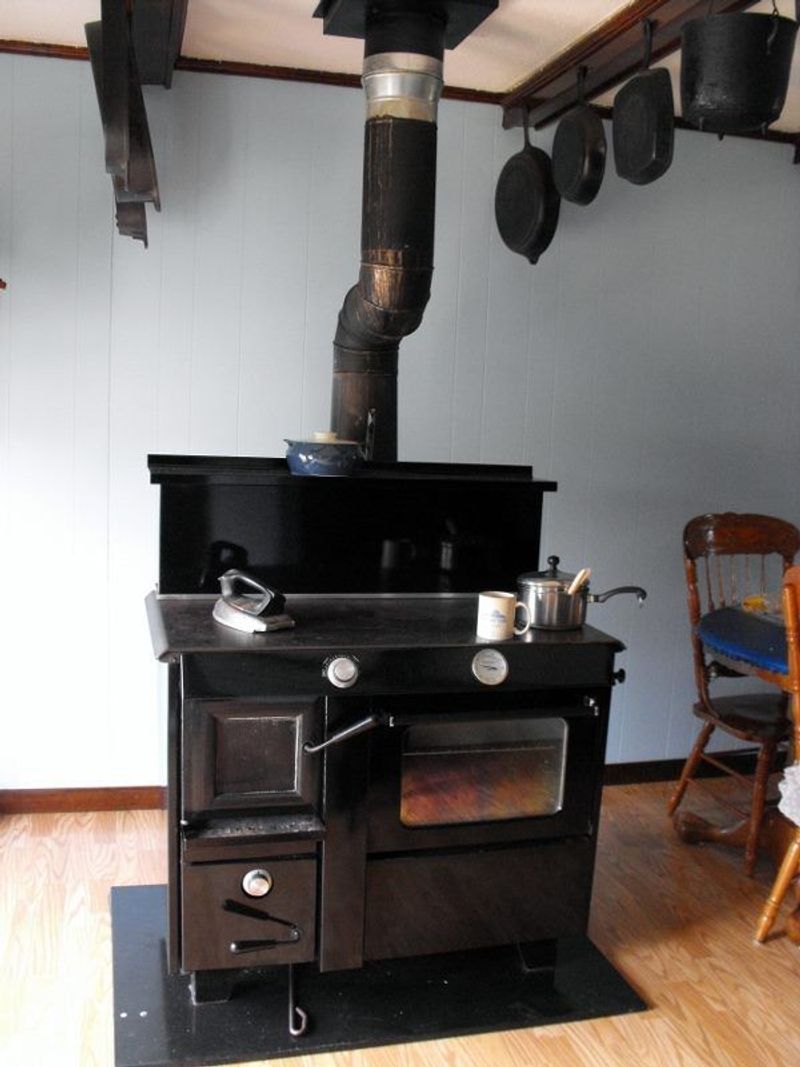
The massive iron beast dominating Amish kitchens isn’t just an appliance—it’s the household’s beating heart. These wood-burning stoves serve as cook surface, oven, water heater, and winter warmth all in one imposing package.
Cooking on these monsters requires genuine skill! No temperature dials here—just the cook’s experienced judgment of flame intensity and coal placement. Morning begins with stoking yesterday’s banked coals, feeding the hungry firebox with precisely split wood.
8. Making Their Own Butter And Cheese
Slap, slosh, slap—the rhythmic sound of cream transforming into butter echoes through Amish kitchens. Children often take turns cranking wooden churns until that magical moment when liquid suddenly separates into golden butter and tangy buttermilk.
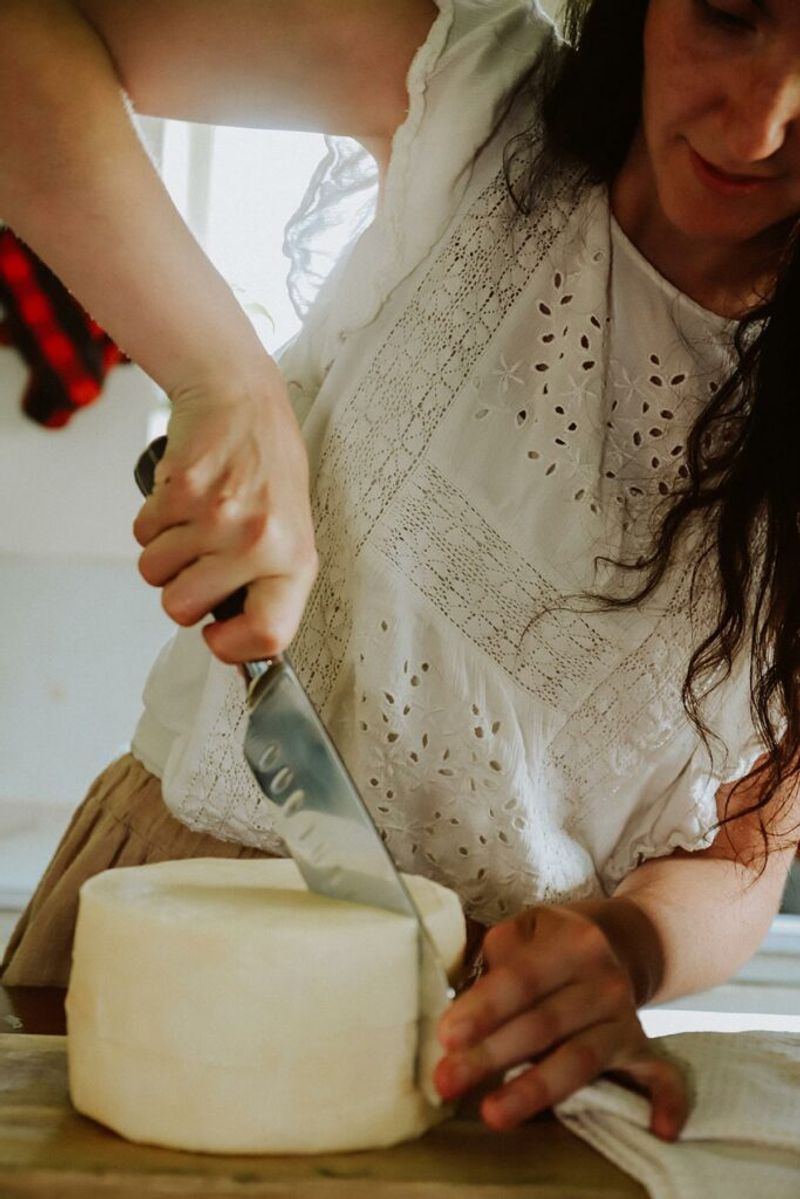
Fresh milk becomes science experiment and culinary treasure through these age-old processes. Cheese-making transforms ordinary milk into something that improves with patience—soft farmer’s cheese for immediate use or aged varieties stored in cool cellars.
9. Cooking In Large Quantities
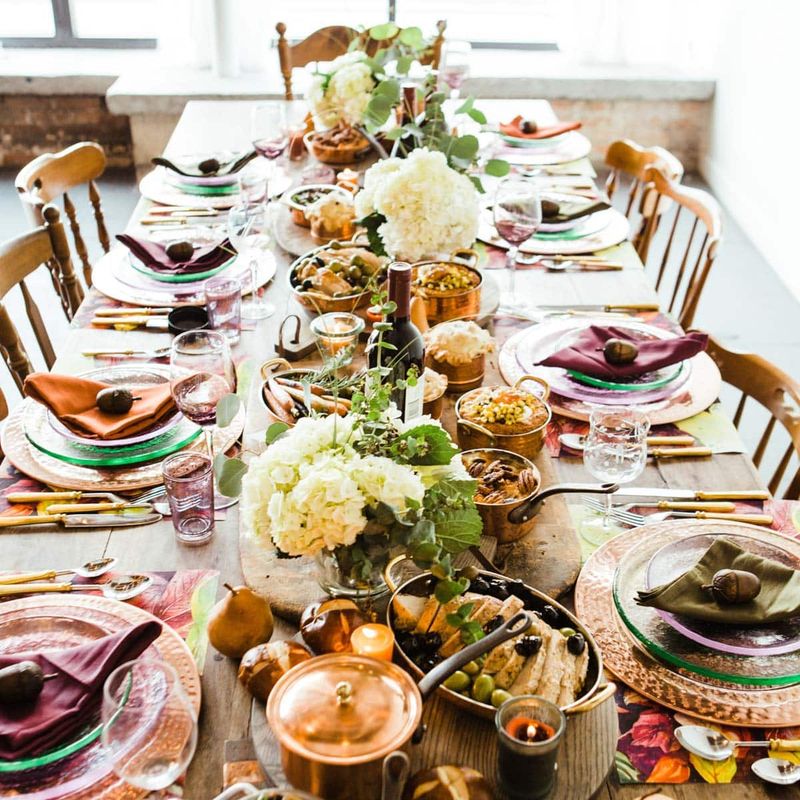
Small-batch cooking? Not in Amish kitchens where feeding families of 8-12 children plus farmhands is the daily norm! Soup pots resemble small bathtubs, and mixing bowls could double as infant bathing tubs.
This large-scale approach isn’t just about family size—it’s practical efficiency. Why heat the stove once when you can cook several meals simultaneously? Extra portions become tomorrow’s lunch or ingredients for new creations. Bread baking happens in six-loaf batches minimum.
10. Keeping Recipe Traditions Alive

Handwritten recipes on yellowed paper, stained with generations of splattered ingredients, represent Amish culinary heritage. Unlike our digital recipe searches, Amish cooking knowledge transfers primarily through observation and memory.
Young girls learn by doing—standing alongside mothers and grandmothers, absorbing techniques through their fingertips. Recipe measurements often sound charmingly imprecise: “a handful of this” or “enough flour until it feels right.”