The 6 Potato Types McDonald’s Uses For Its Fries
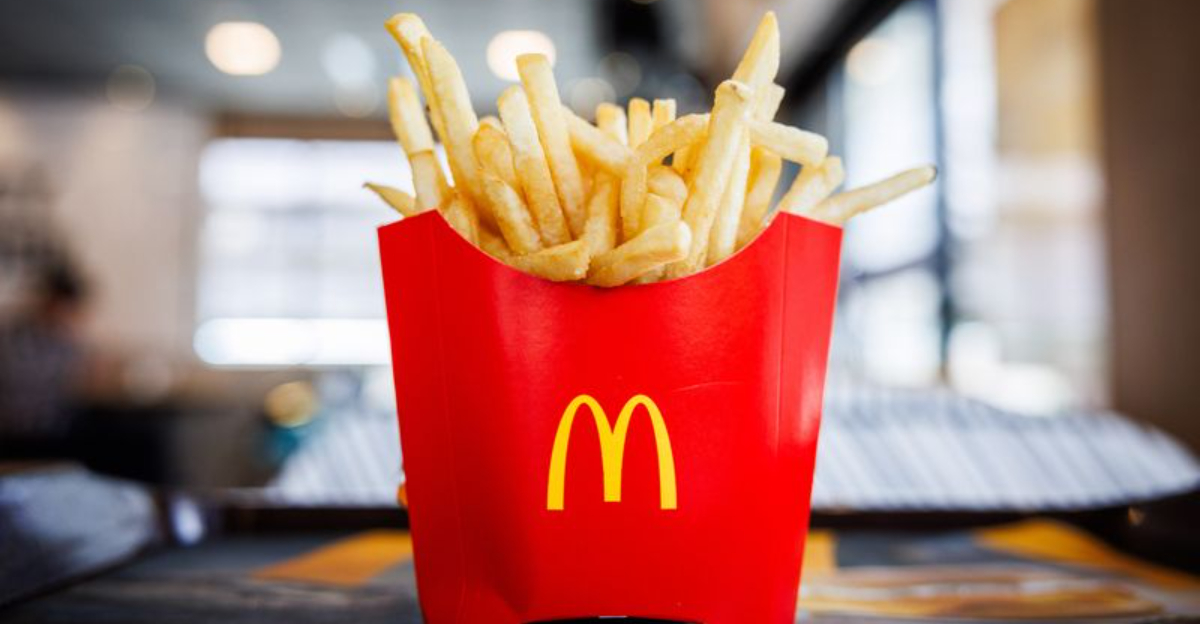
Ever wondered what makes McDonald’s fries so irresistibly crispy on the outside and fluffy on the inside? The secret lies in the special potato varieties they select.
McDonald’s doesn’t just grab any spud from the grocery store – they’re incredibly picky about which potatoes make the cut for their world-famous fries. Let’s peel back the layers on the six specific potato types that create those golden, salty sticks we can’t stop craving.
1. Russet Burbank
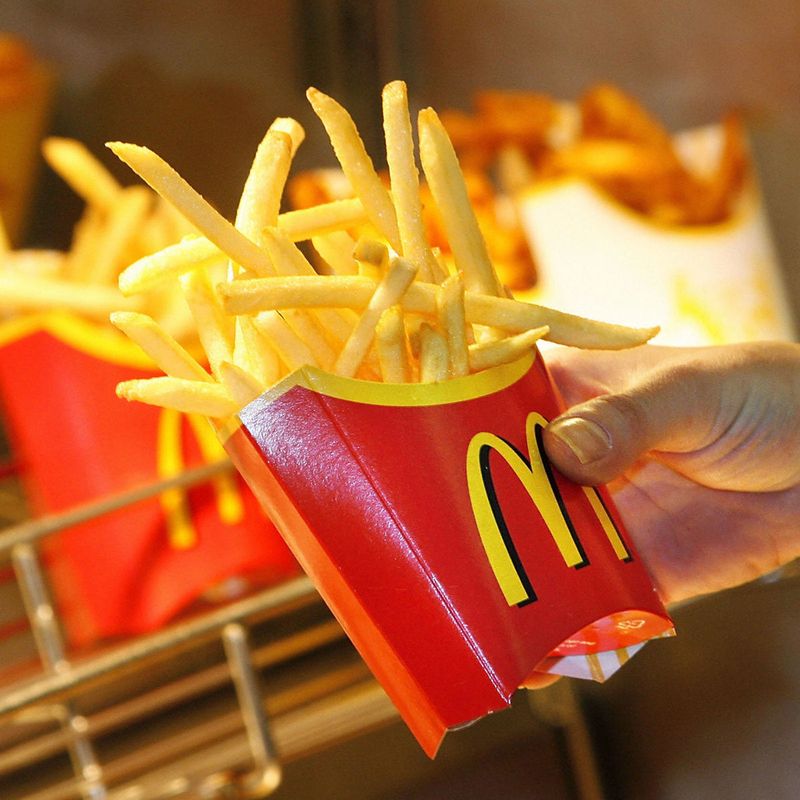
King of the french fry world! Russet Burbanks reign supreme in McDonald’s kitchens, accounting for nearly 70% of all potatoes transformed into those iconic golden sticks.
These oblong beauties pack the perfect starch-to-water ratio that creates that signature crispy exterior while maintaining a fluffy interior. McDonald’s loves them for their consistent frying performance and ability to stay crisp even after the drive-thru journey home.
2. Ranger Russet
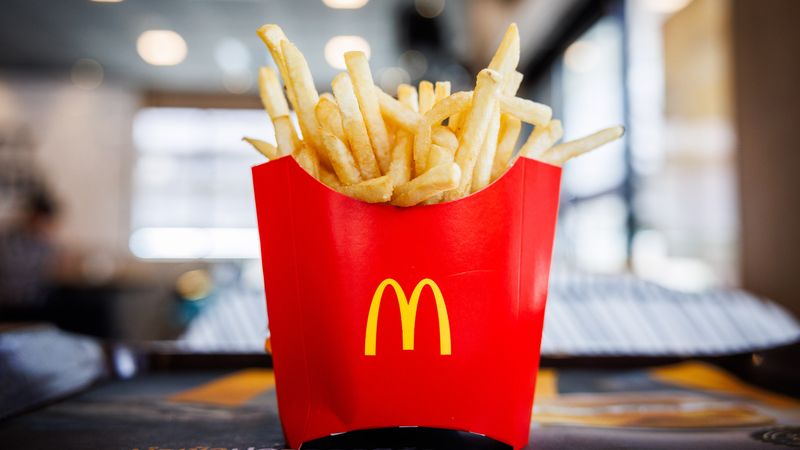
Straight as an arrow and built for fry perfection! Ranger Russets stand tall as McDonald’s reliable backup player when Burbanks run short. These elongated potatoes sport a distinctive cylindrical shape with minimal tapering – basically nature’s ready-made fry shape.
What makes Rangers special? Their extraordinarily high solids content creates exceptionally crispy fries with less oil absorption. Your taste buds might not detect the difference, but McDonald’s bean counters certainly appreciate the oil savings!
3. Umatilla Russet
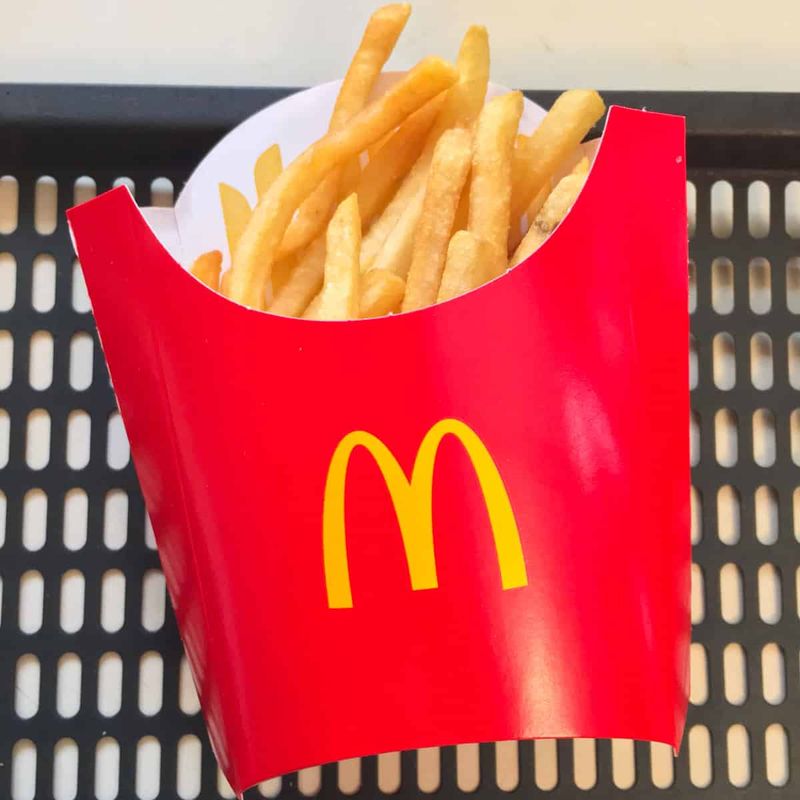
Holy hot oil, these are the overachievers of the potato world! Umatilla Russets burst onto the McDonald’s scene in the early 2000s and quickly proved they belonged in the french fry big leagues.
McDonald’s treasures them for their ability to maintain the perfect golden color without darkening after frying – a crucial quality when your brand is built on consistent, picture-perfect fries. The flesh contains just the right sugar levels to caramelize beautifully without burning, creating that mouthwatering golden hue we all recognize instantly.
4. Shepody
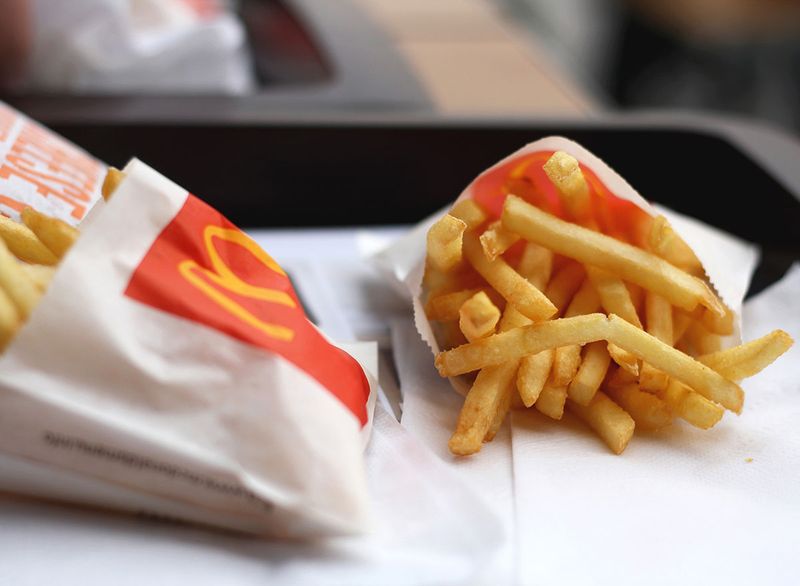
Canadian potato royalty at your service! Shepody potatoes crossed the border in the 1980s and never looked back, becoming McDonald’s go-to variety during certain seasons. These white-fleshed wonders mature faster than other varieties, making them perfect for regions with shorter growing windows.
What’s their superpower? Shepodies maintain remarkably low sugar levels during storage, preventing the dreaded browning that happens when sugars caramelize too quickly in hot oil.
5. Clearwater Russet
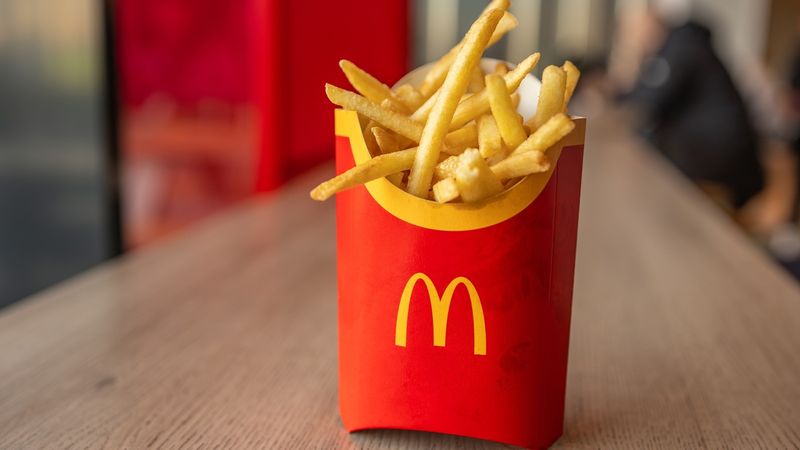
Move over, basic potatoes – the nutritional superstar has entered the building! Clearwater Russets joined McDonald’s potato roster more recently as the chain sought varieties with improved nutrition profiles.
These revolutionary russets contain less asparagine (the amino acid that creates acrylamide during frying) while maintaining that classic McDonald’s fry taste and texture. The real magic happens in the fryer, where Clearwaters achieve that perfect golden exterior without absorbing excessive oil.
6. Blazer Russet
Speed demon of the potato world! Blazer Russets earn their fiery name by maturing up to two weeks faster than traditional varieties, allowing McDonald’s to extend their fresh potato supply window.
These relative newcomers to the fast-food potato pantheon boast an impressively high percentage of perfect fry-sized tubers per plant. McDonald’s executives love them for their consistent size and shape, which means less waste and more perfect fries per potato. It’s basically potato efficiency engineering!