20 Foods That Are Frequently Confused With One Another
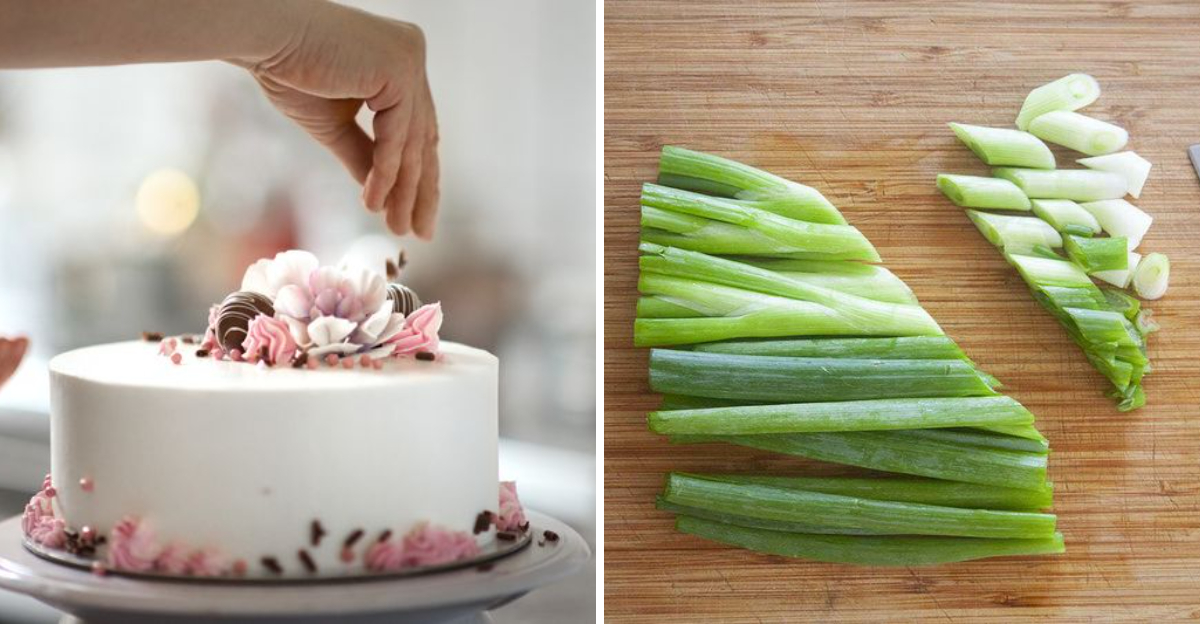
Ever grabbed the wrong ingredient while cooking or shopping? You’re not alone!
Many foods look nearly identical or have similar names but taste completely different. These mix-ups happen in kitchens everywhere and can turn your perfect recipe into an unexpected adventure.
Let’s clear up some common food confusion once and for all!
1. Sweet Potatoes Vs. Yams
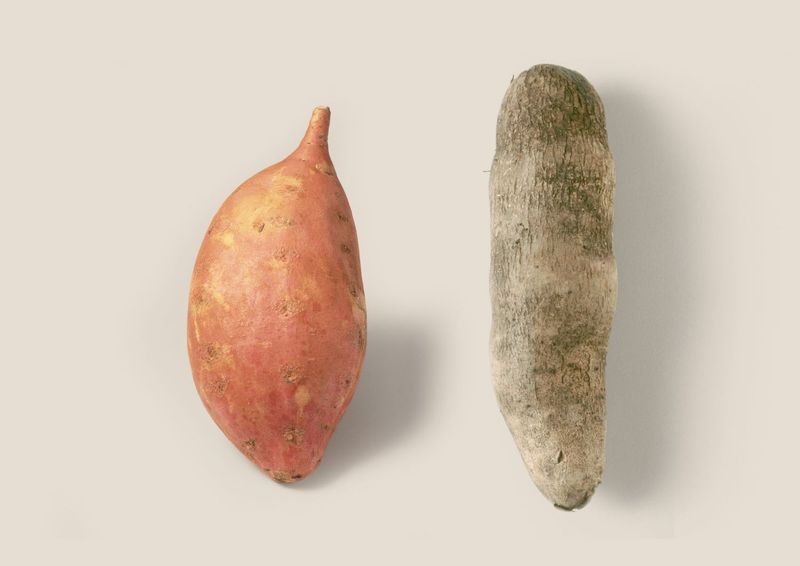
What you’re calling a yam at Thanksgiving is probably a sweet potato! True yams have rough, scaly skin and starchy, not sweet, flesh.
Sweet potatoes are orange or yellow inside with smooth skin. Actual yams are rarely found in American grocery stores and are common in African and Caribbean cooking.
2. Scallions Vs. Green Onions
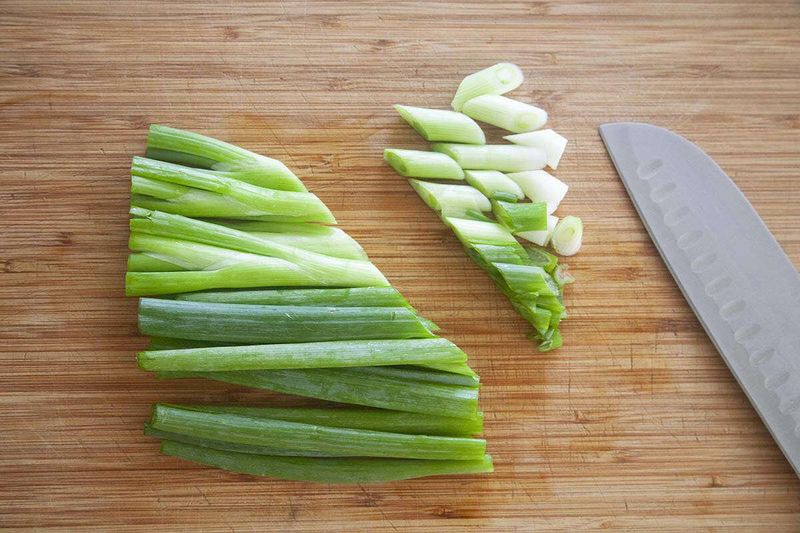
Plot twist: they’re actually the same thing! This duo goes by different names depending on your region. Both terms refer to immature onions harvested before the bulb fully develops.
Some people insist there are subtle differences, but botanically speaking, scallions and green onions are identical twins with different passports.
3. Macarons Vs. Macaroons
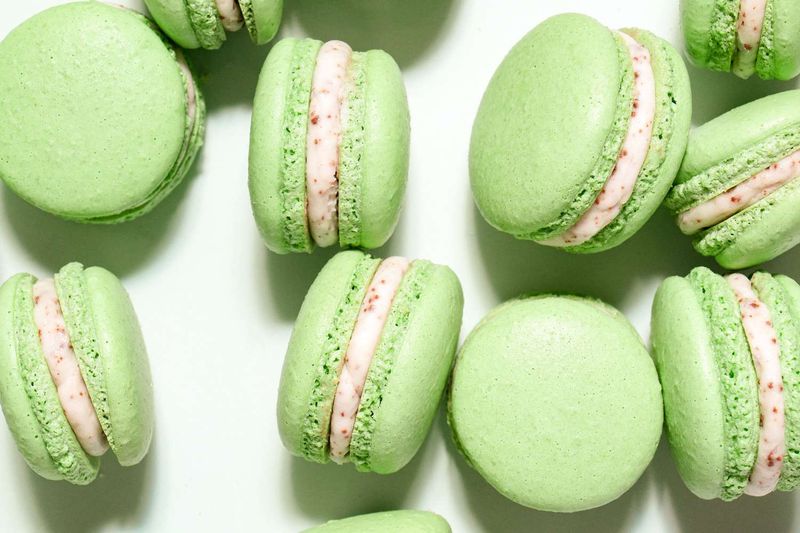
One letter makes all the difference! Macarons are delicate French sandwich cookies with smooth, colorful shells and creamy fillings.
Macaroons, on the other hand, are lumpy coconut cookies that are chewy and often dipped in chocolate. The pronunciation trip-up happens at fancy bakeries worldwide, leaving customers with unexpected treats!
4. Marzipan Vs. Fondant

Both create those fancy cake decorations, but they’re totally different beasts! Marzipan is a sweet almond paste with a distinct nutty flavor that can be eaten alone as candy.
Fondant is primarily sugar and water, forming a smooth, pliable icing that decorators use to create that perfect wedding cake look. Taste-wise, they’re worlds apart!
5. Gelato Vs. Ice Cream
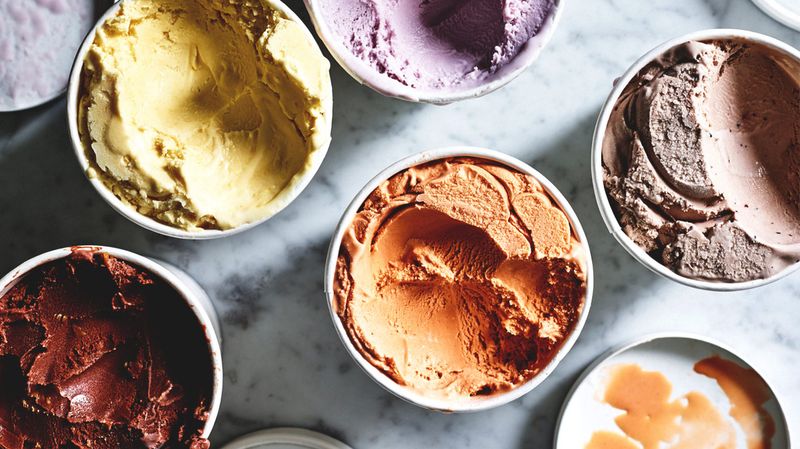
That fancy Italian dessert isn’t just ice cream with an accent! Gelato contains less fat and air than American ice cream, creating a denser, silkier texture.
It’s typically served slightly warmer than ice cream, which intensifies its flavor on your tongue. The churning process differs too, giving gelato its signature smooth, creamy personality.
6. Jam Vs. Jelly
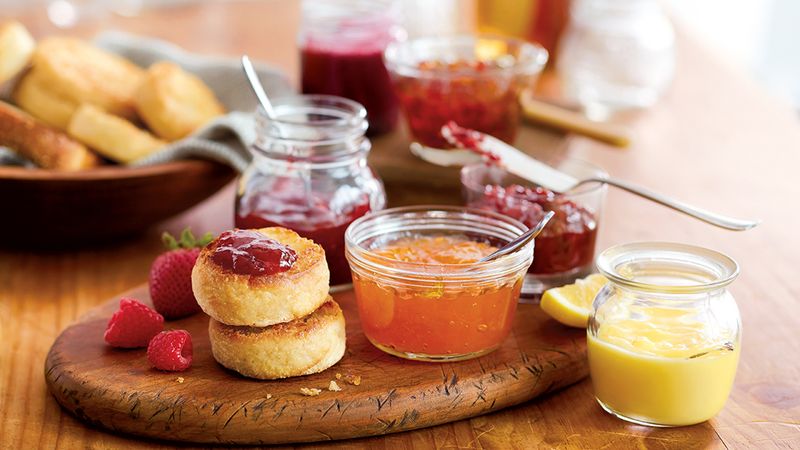
Can’t shake the feeling they’re the same? They’re actually breakfast spread cousins with different textures! Jam contains crushed fruit pieces, seeds and all, giving it that chunky character.
Jelly uses only strained fruit juice, resulting in that crystal-clear, wobbly spread. Next time someone asks for PB&J, you might want to clarify which “J” they prefer!
7. Shallots Vs. Small Onions
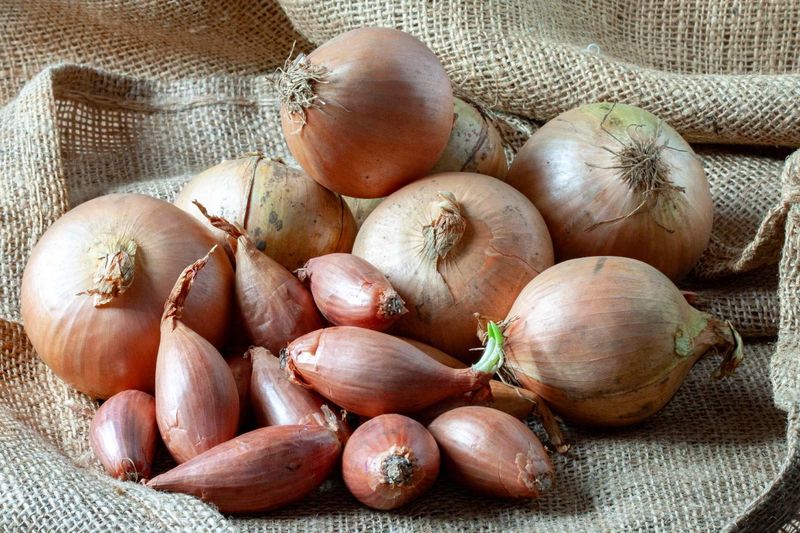
Small but mighty difference here! Shallots have a delicate, garlicky-onion flavor that’s milder and more complex than their onion cousins.
Their copper-purplish skin and elongated shape set them apart from mini onions. Chefs prize shallots for their subtle sophistication in sauces and dressings where regular onions might overpower the dish.
8. Soy Sauce Vs. Tamari
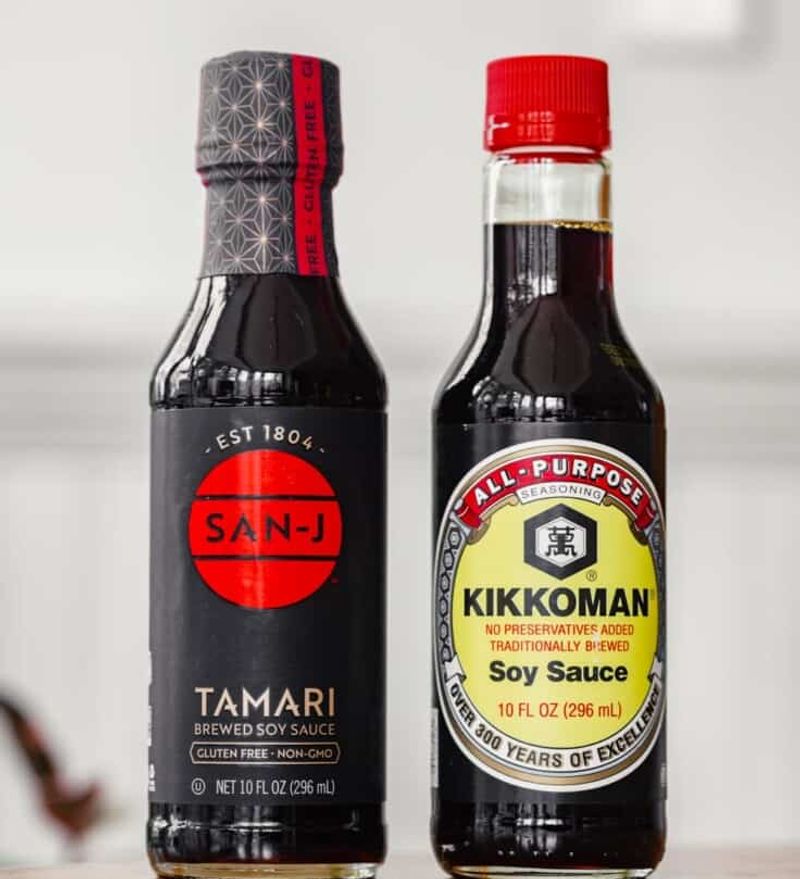
Not just interchangeable dark sauces! Traditional soy sauce contains wheat as a key ingredient, giving it that distinctive flavor profile we know and love.
Tamari is a Japanese variety made with little or no wheat, resulting in a richer, less salty taste. For gluten-sensitive folks, this distinction isn’t just culinary—it’s crucial for avoiding digestive drama!
9. Prawns Vs. Shrimp
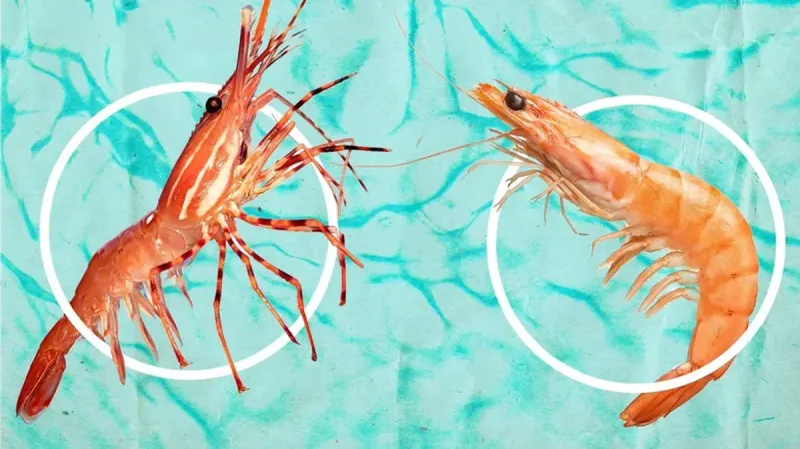
Size isn’t actually the defining factor here! Despite popular belief, these crustaceans are different species with subtle anatomical differences.
Prawns have branching gills and claws on three legs, while shrimp have plate-like gills and claws on two legs. In many restaurants, though, the terms get tossed around based mainly on size rather than biology.
10. Turnips Vs. Rutabagas
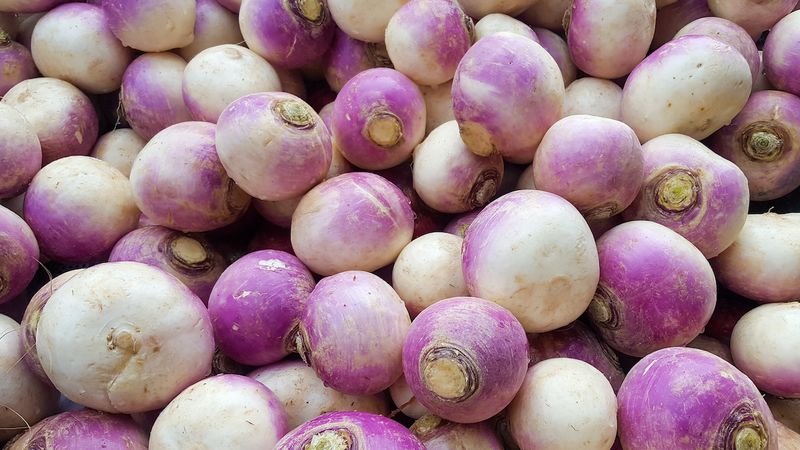
These root vegetables cause serious grocery store confusion! Turnips are smaller, with white flesh and a purple-tinged top, offering a spicy-sweet crunch when raw.
Rutabagas (sometimes called yellow turnips) are actually turnip-cabbage hybrids—larger, with yellowish flesh and a sweeter flavor when cooked. Your grandmother’s mystery root vegetable recipe might need clarification!
11. Farro Vs. Barley
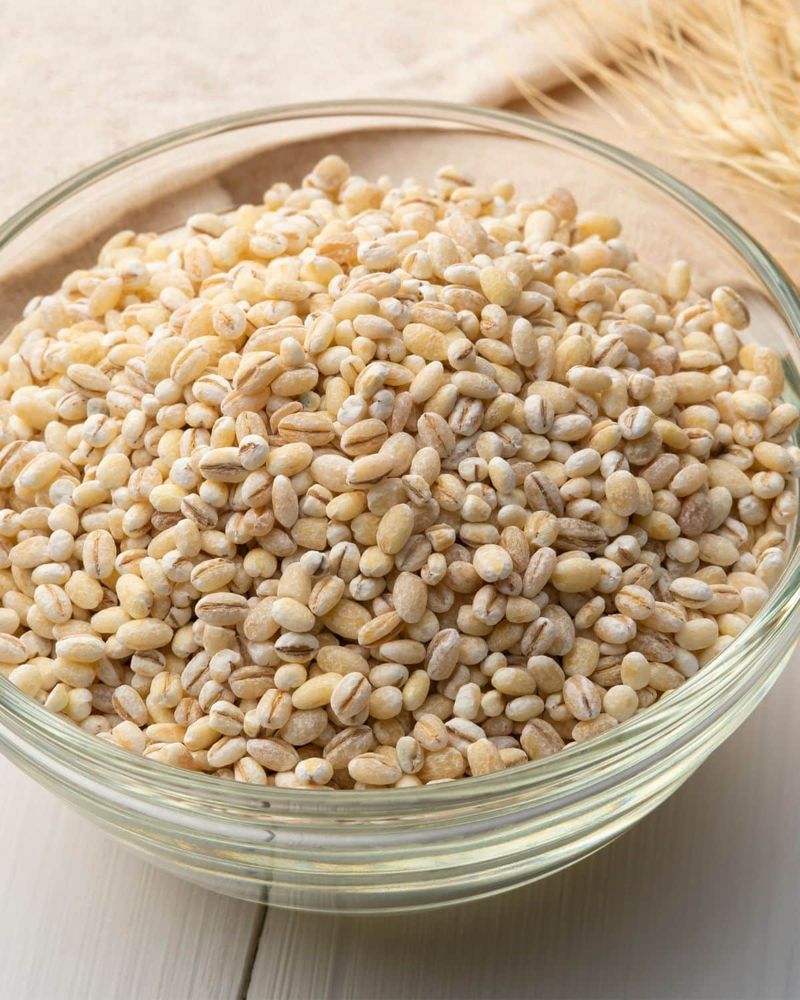
Ancient grain showdown! Farro has a nuttier flavor and chewier texture than its look-alike barley, though both create hearty additions to soups and salads.
Technically, farro refers to several wheat species (including emmer and spelt) while barley is its own distinct grain. Health food stores often place these pearled grains side-by-side, creating endless shopper confusion.
12. Mirin Vs. Rice Vinegar
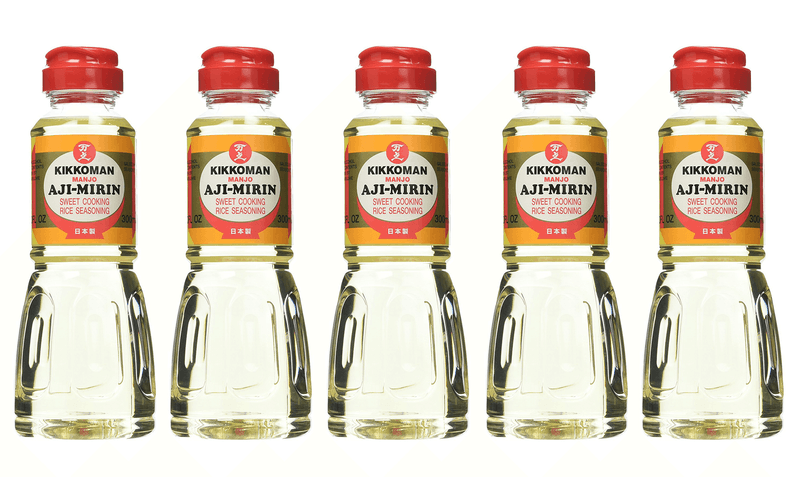
Both clear liquids for Asian cooking, but worlds apart in taste! Mirin is a sweet Japanese rice wine used for glazing and sweetening dishes.
Rice vinegar brings that distinctive acidic tang to stir-fries and sushi rice. Swapping these by mistake is a one-way ticket to flavor disaster—turning your sweet teriyaki into something startlingly sour or your tangy pickle into syrup!
13. Parsley Vs. Cilantro
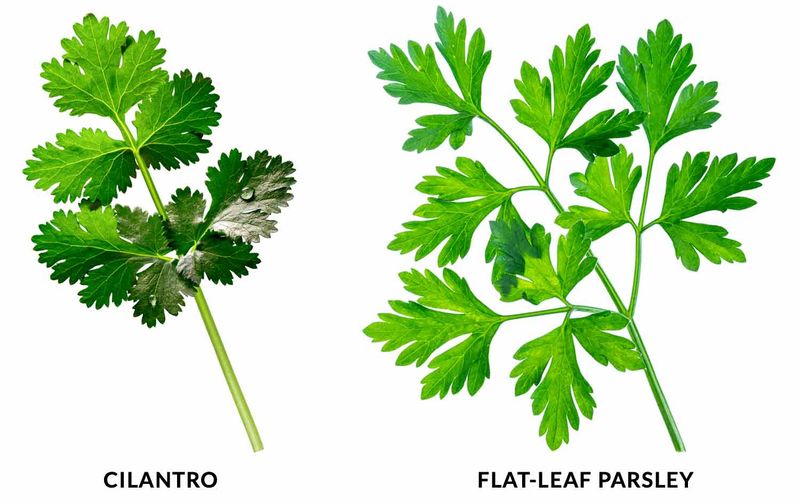
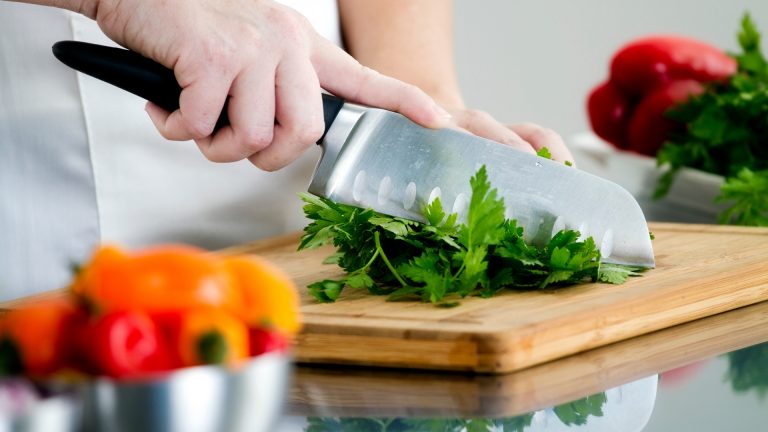
The herb mix-up that can ruin dinner! Though they look nearly identical with their bright green, ruffled leaves, their flavors couldn’t be more different.
Parsley offers a mild, fresh taste that complements without overwhelming. Cilantro packs that love-it-or-hate-it citrusy punch that some people genetically perceive as soapy. Check twice before chopping!
14. Portobello Vs. Cremini Mushrooms
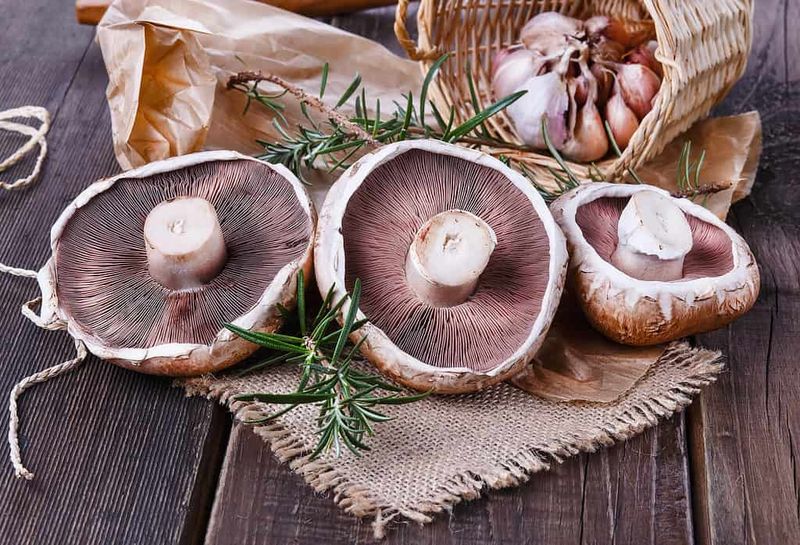
Surprise fungi fact: they’re actually the same mushroom at different life stages! Creminis (also called baby bellas) are the younger, smaller version.
Portobellos are fully mature creminis that have grown into those large, meaty caps perfect for grilling. It’s like comparing teenagers to adults—same identity, different capabilities in the kitchen.
15. Nectarines Vs. Peaches
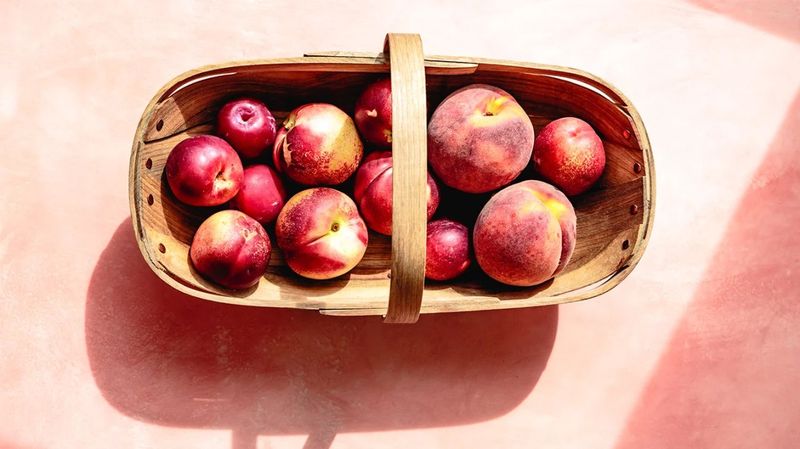
The fuzzy factor is the giveaway here! These summer fruits are actually genetic variants of the same species, with nectarines featuring a smooth, fuzz-free skin due to a recessive gene.
Their flavors are subtly different too—nectarines often bring a slightly more intense, sweet-tart punch. Bakers and jam-makers might prefer one over the other for texture reasons.
16. Baking Soda Vs. Baking Powder
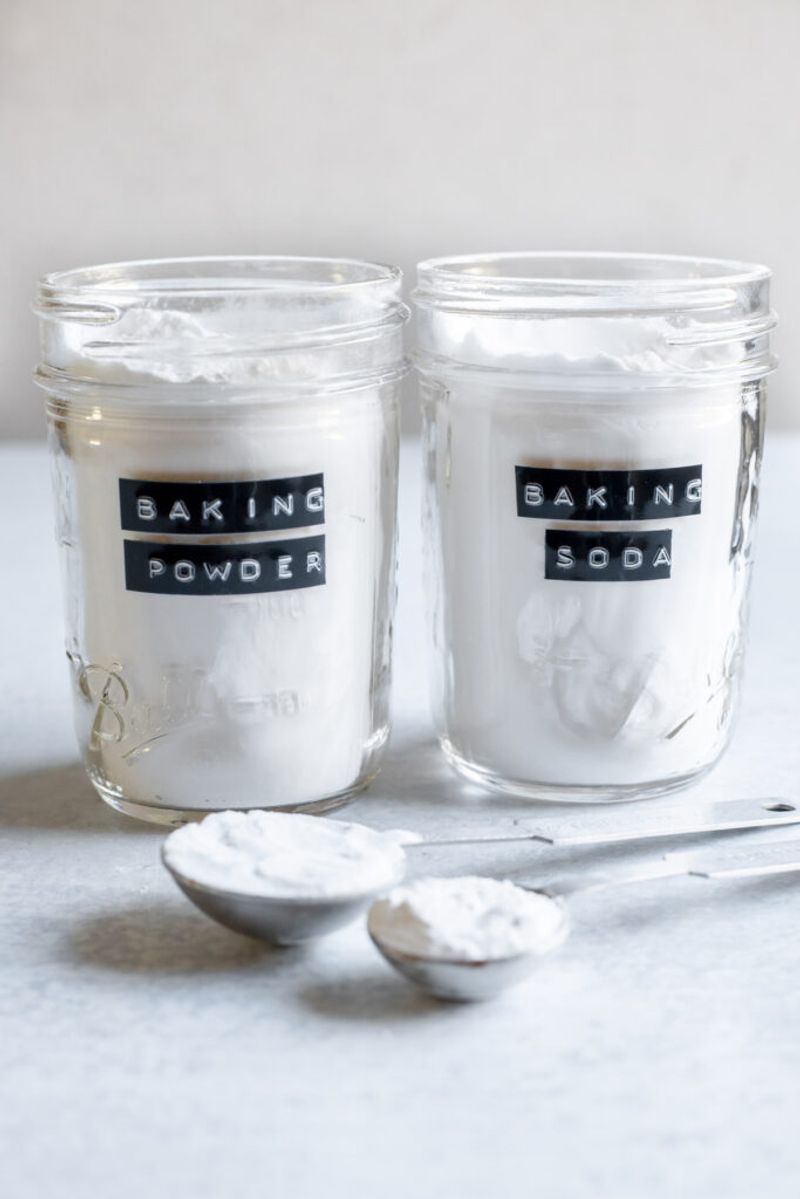
The white powders that launch a thousand baking disasters! Baking soda is pure sodium bicarbonate, requiring an acid (like buttermilk) to create leavening action.
Baking powder contains baking soda plus cream of tartar and cornstarch, making it self-rising with just moisture and heat. Using the wrong one can leave your pancakes flat as frisbees or bizarrely bitter.
17. Zucchini Vs. Cucumber
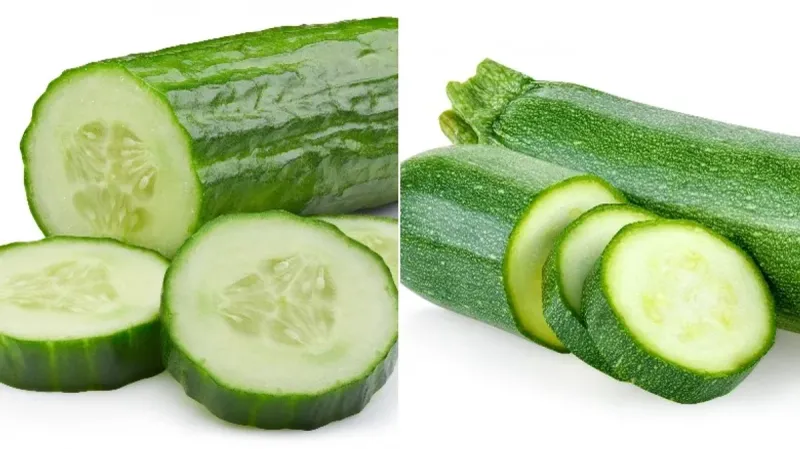
Green cylindrical confusion in the produce aisle! Though they look similar, cucumbers have a watery, crisp interior perfect for salads and are typically eaten raw.
Zucchini has a firmer texture with tiny seeds and is usually cooked. Bite into a raw cucumber expecting zucchini, and you’ll get a juicy surprise—try that in your stir-fry and watch the soggy results!
18. Condensed Milk Vs. Evaporated Milk
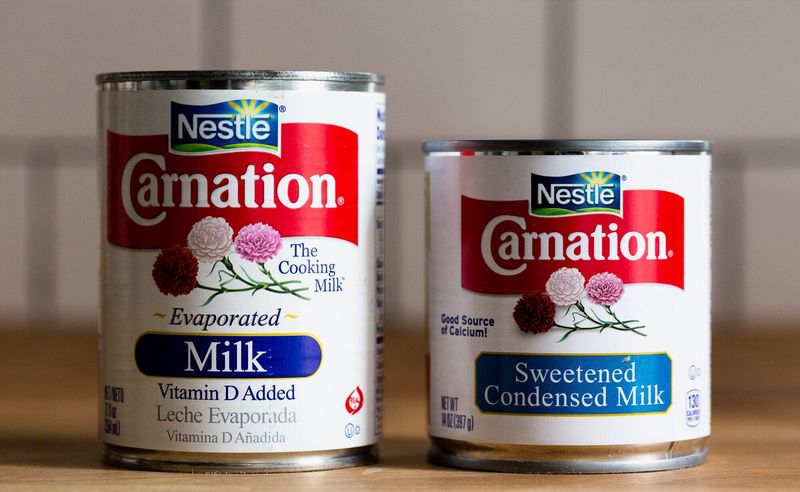
Both come in nearly identical cans, but they’re definitely not twins! Condensed milk is thick, syrupy-sweet, and perfect for desserts because of added sugar.
Evaporated milk is unsweetened concentrated milk that works beautifully in savory dishes. The catastrophic kitchen mix-up of these two has ruined many a macaroni and cheese or key lime pie!
19. Chives Vs. Green Onion Tops
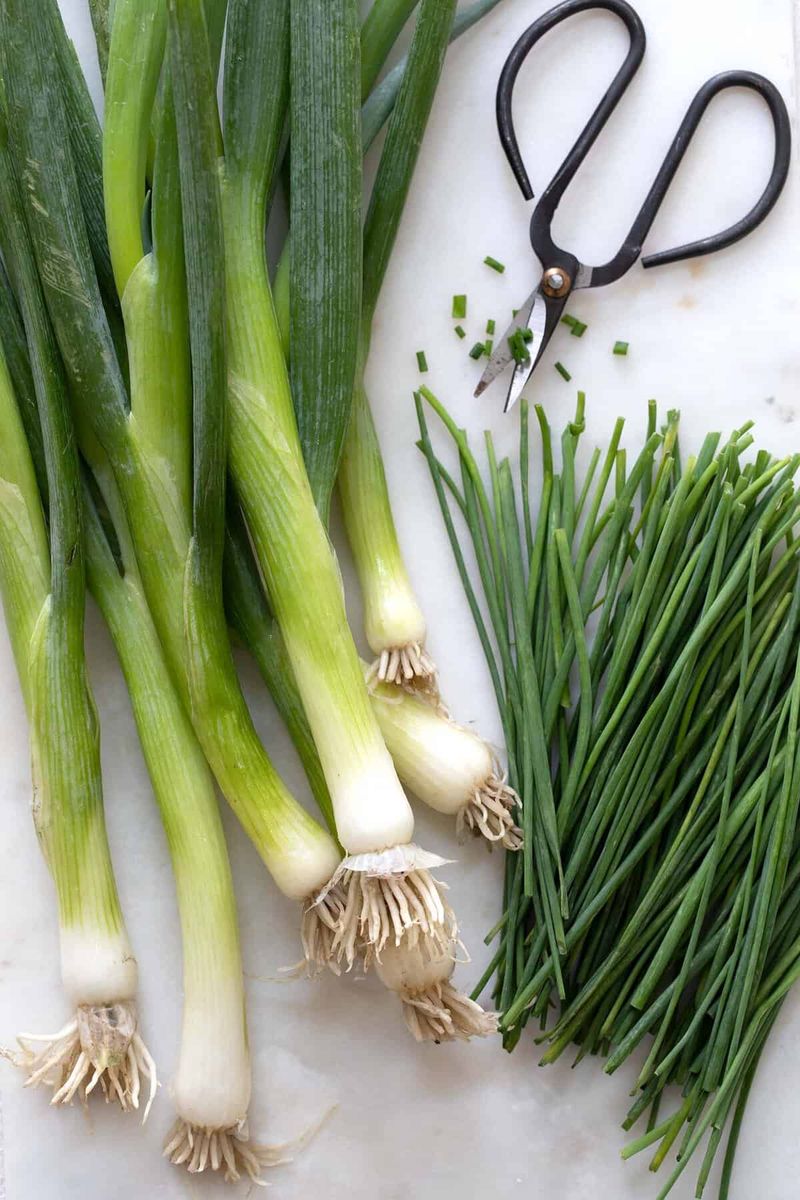
The slender green impostors! Chives are their own herb species related to onions and garlic, with hollow, tubular leaves and a delicate onion flavor.
Green onion tops are just the upper portion of immature onions. Chives are typically more expensive and milder—a garnish rather than an ingredient. The mix-up happens in both grocery stores and gardens!
20. Vanilla Extract Vs. Vanilla Essence
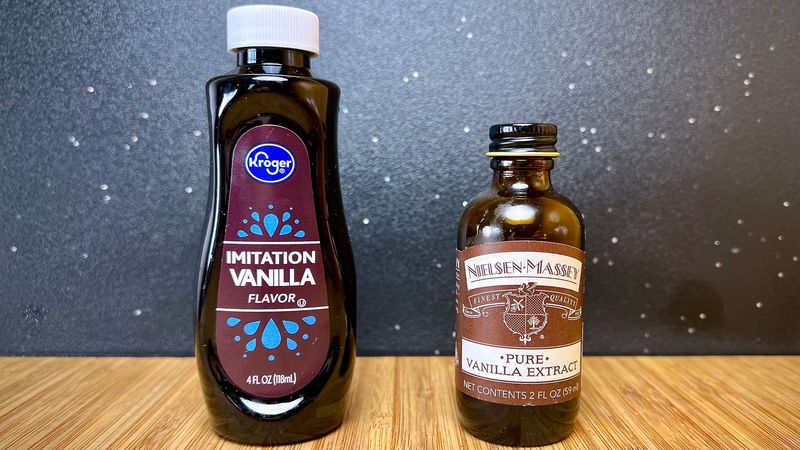
Not just a fancy name difference! Vanilla extract is the real deal—made by soaking vanilla beans in alcohol to draw out complex flavors. Vanilla essence (or imitation vanilla) is artificially created using synthetic vanillin.
The price difference is substantial, and while they smell similar, extract delivers a richer, more nuanced flavor in baked goods.