15 Foods That Were Banned From The White House
Even U.S. Presidents have their food rules, and sometimes, that means banning certain items from the nation’s most famous home.
Whether it was for health, politics, personal taste, or tradition, these banned foods tell surprising stories. This list covers 15 foods that were, at some point, banned or strictly avoided in the White House.
1. Broccoli
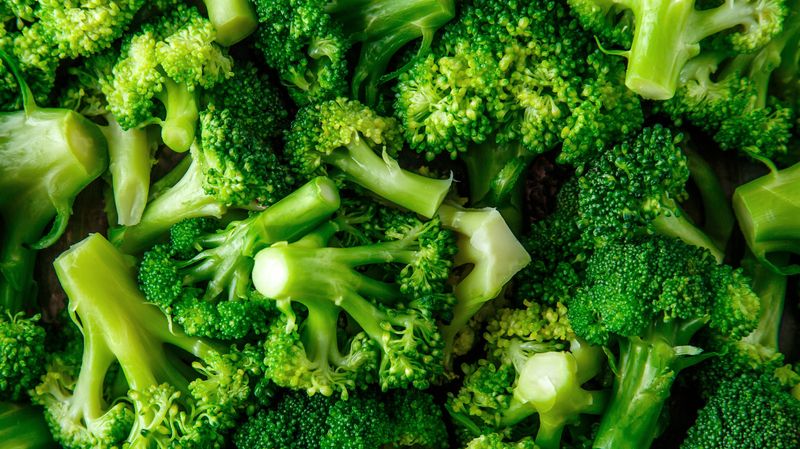
President George H. W. Bush famously declared his hatred for broccoli and banned it from Air Force One and the White House. He claimed to have been forced to eat it his whole life and was done with it as president.
Truckloads of broccoli were delivered in protest, but none of it made it onto his plate. It became one of the most talked-about food bans in presidential history.
2. Alcohol (During Prohibition)
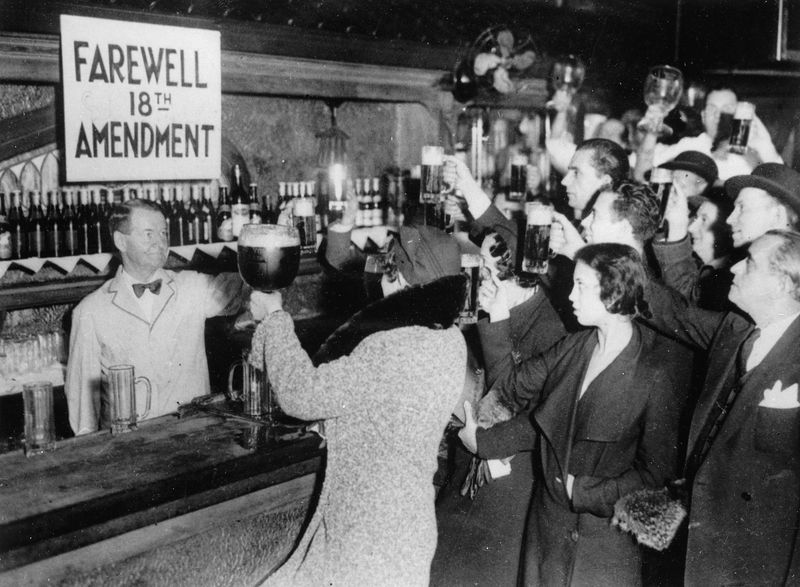
During the 1920s, Prohibition banned alcohol across the country, including inside the White House. President Harding supported the law and reportedly dumped his private liquor supply.
Guests were served tea or fruit punch at state dinners instead of wine. Still, some presidents, like Coolidge, were rumored to enjoy the occasional secret sip.
3. Fried Foods
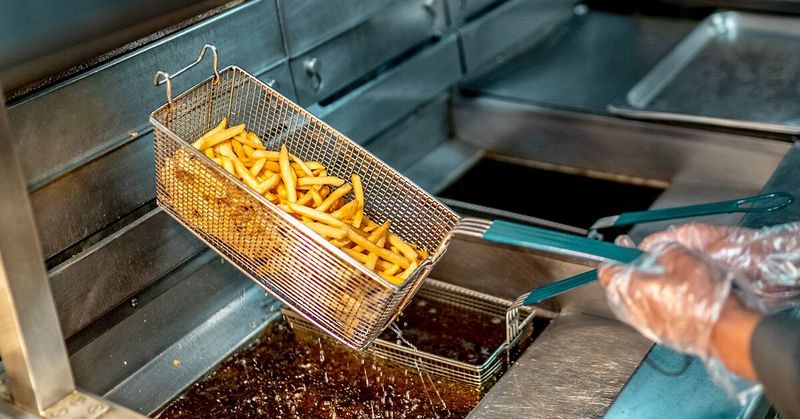
Some First Ladies pushed for lighter, healthier meals by removing fried foods from the menu. Michelle Obama, in particular, focused on promoting clean eating during her time in the White House.
Fried chicken, fries, and similar dishes were replaced with grilled options and whole grains. It was part of a larger effort to set a national example for healthy living.
4. Coffee (Briefly Under President Taft’s Doctor)
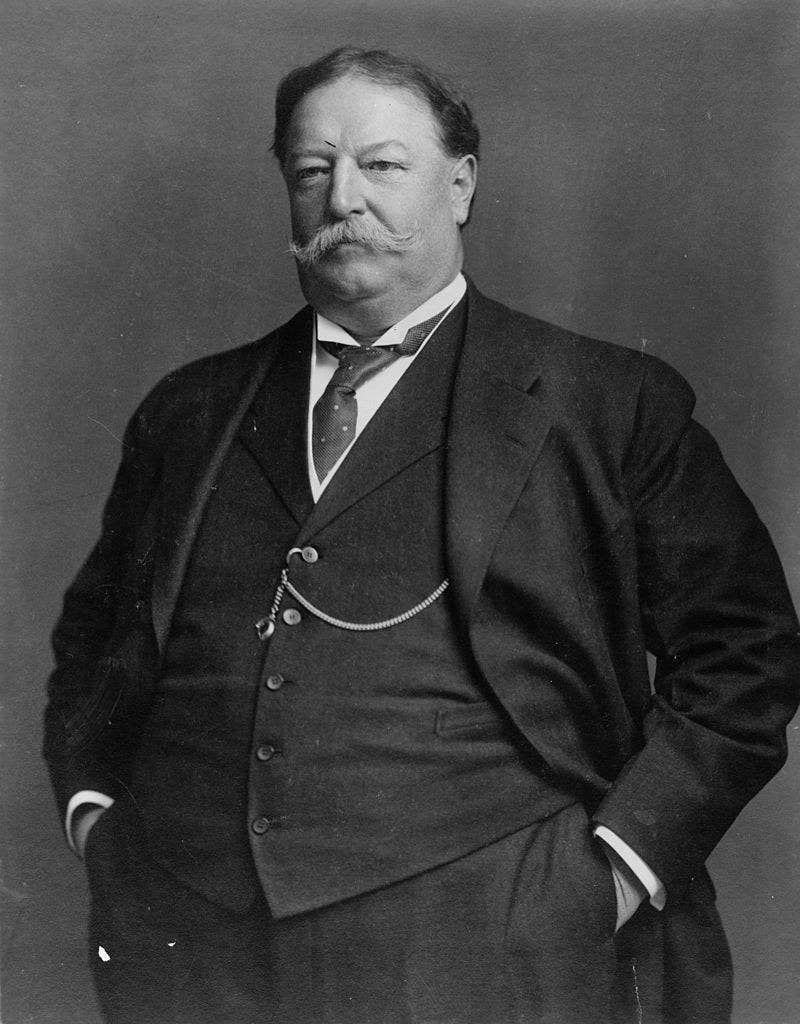
President William Howard Taft’s doctor once advised him to give up coffee due to health concerns. Known for his large size and poor sleep, Taft briefly cut it out.
During this time, official meals were served without the usual after-dinner brew. Eventually, coffee made its way back, as few could resist it for long.
5. Ice Cream (Under Rationing Policies)
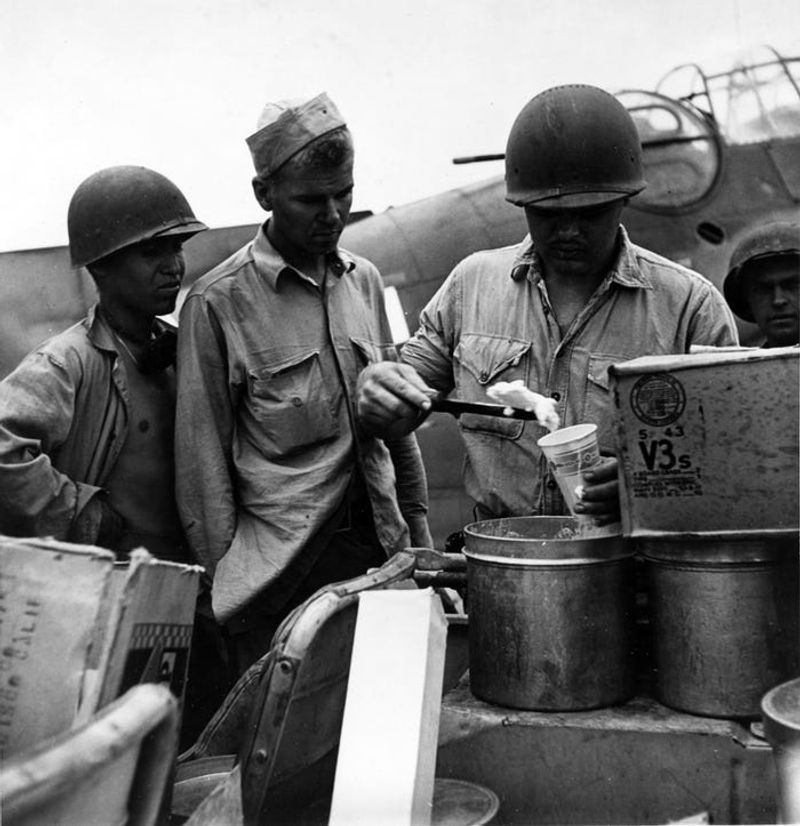
During World War II, rationing laws affected everyone—including the White House. Ingredients like milk, sugar, and cream were limited, leading to a pause in ice cream service.
Desserts became simpler and smaller, with sherbets and fruit-based treats served instead. It was a symbolic way of sharing the nation’s sacrifices.
6. Processed Snacks
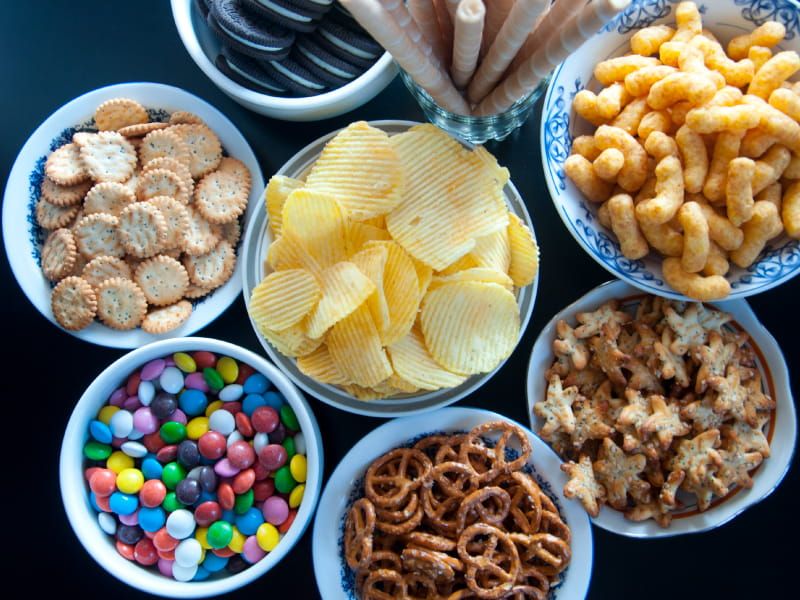
Many modern First Ladies have worked to remove processed snacks from official menus and children’s events. Chips, packaged cookies, and sugary bars were swapped for healthier options.
The goal was to encourage fresh fruits, nuts, and homemade treats. This change reflected broader public health goals during administrations from Clinton to Obama.
7. Fast Food
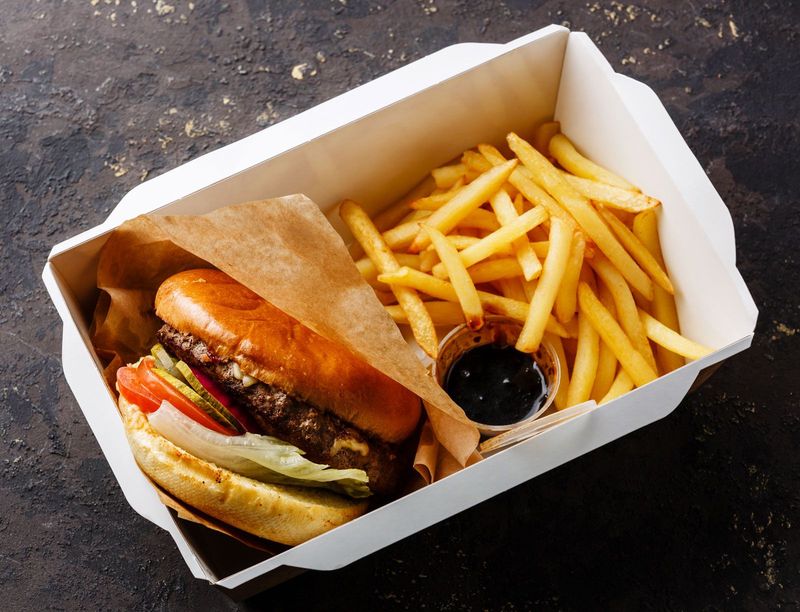
While some presidents famously enjoyed it, fast food has often been kept off formal menus. First Ladies, chefs, and nutritionists have all pushed back against its presence.
There were times when McDonald’s burgers and pizza were brought in quietly, but official functions stuck to more traditional fare. The White House kitchen prefers scratch-made meals.
8. Garlic
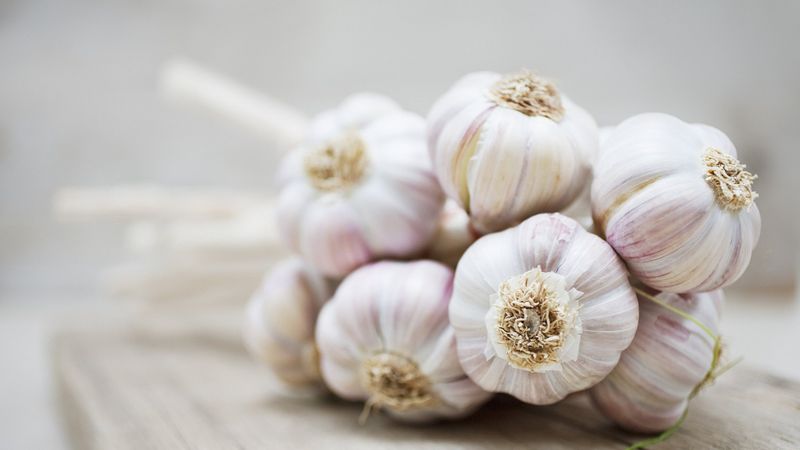
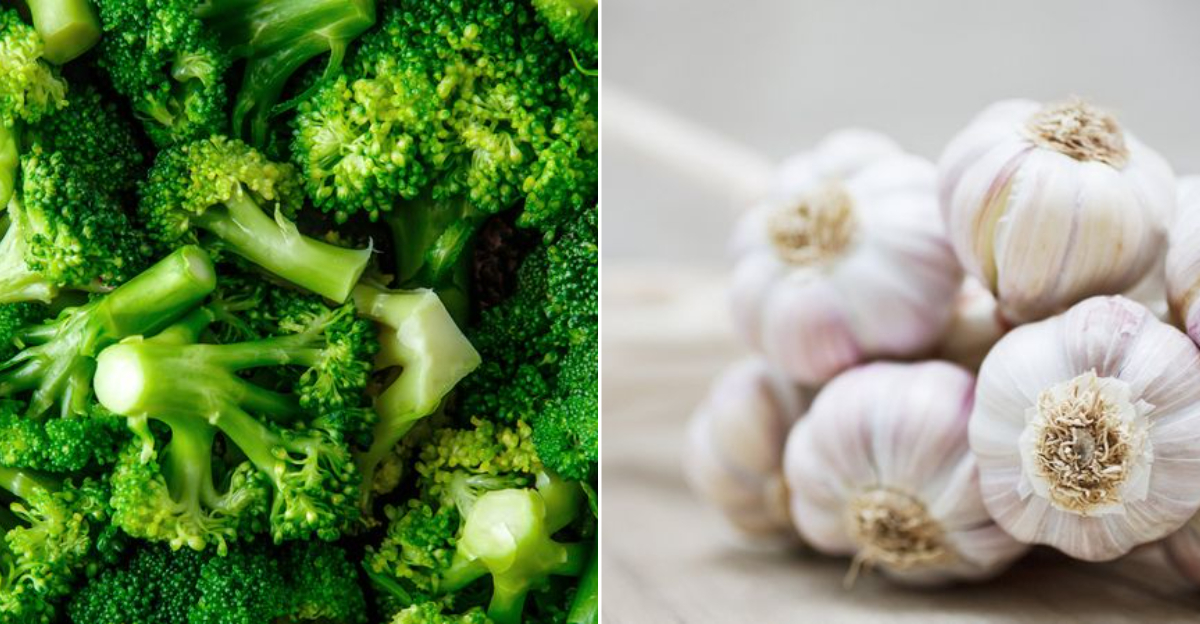
Some state dinners have specifically left out garlic to avoid offending guests’ palates or causing strong aftertastes during speeches. It’s a strategic omission, not a personal ban.
Garlic-heavy dishes were swapped for milder herbs like thyme or parsley. Breath-friendly menus are a quiet but important part of diplomacy.
9. Soda
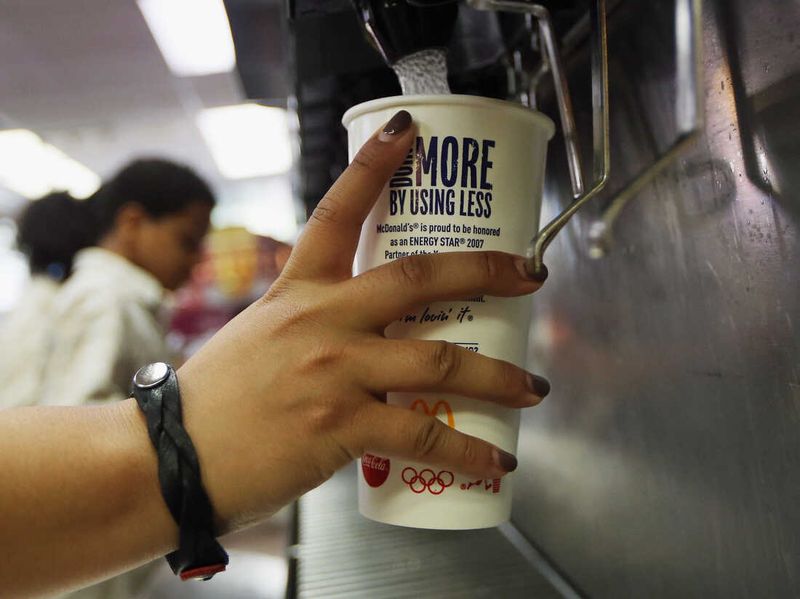
Soda has been frowned upon during several health-focused administrations. Presidents or First Ladies occasionally removed it from vending machines and lunch offerings.
Sparkling water, fruit juice, or flavored seltzers took its place. The move was often part of a broader wellness initiative rather than a hard ban.
10. Red Meat
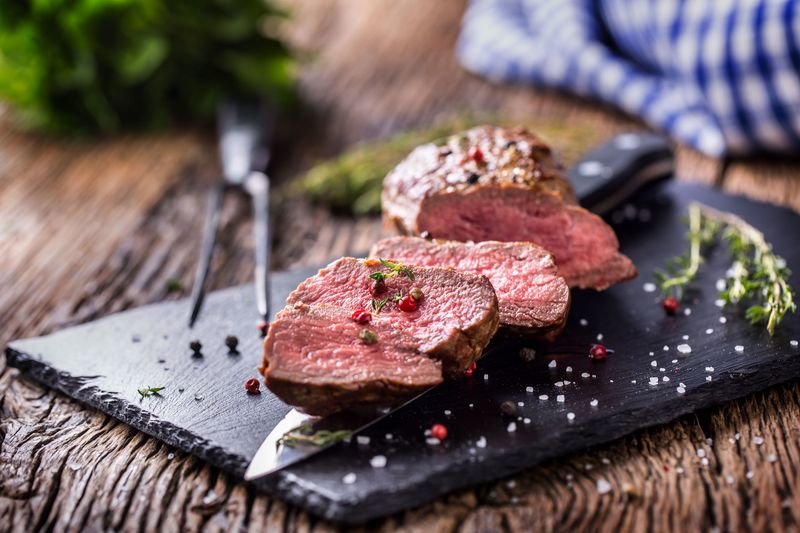
Lean proteins like chicken and fish were encouraged during certain years while red meat was reduced. Some menus completely skipped beef for health and environmental reasons.
This didn’t mean steak vanished forever—it just appeared less often at formal meals. Celebrations sometimes brought it back, but it wasn’t a daily feature.
11. Pork
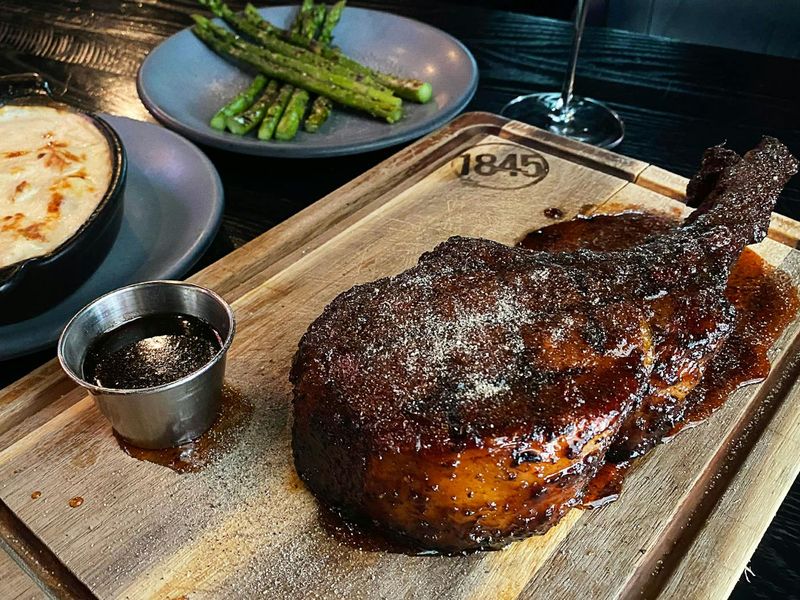
Whether for health, religious respect, or personal preference, pork has occasionally been omitted from White House menus. Some events kept it off the table to avoid offending guests.
Chefs often substituted turkey bacon or chicken sausage when needed. It was less about banning and more about choosing flexible, inclusive menu options.
12. Shellfish
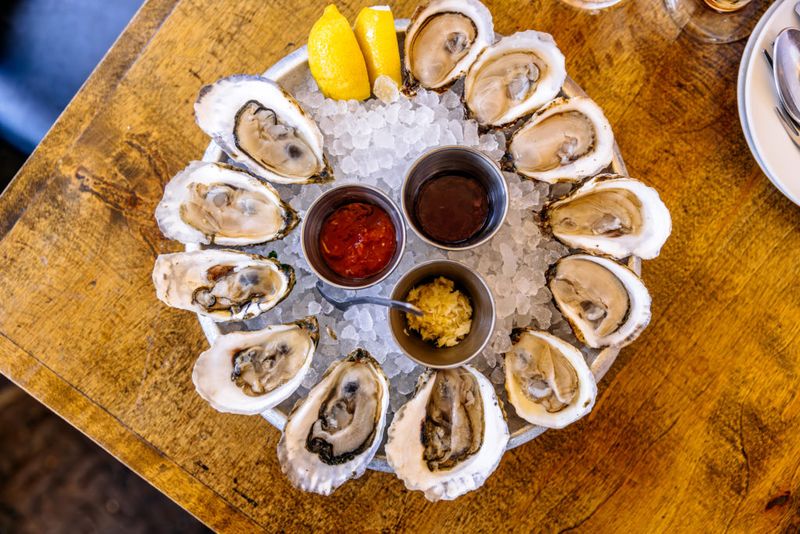
Because of allergy concerns and the high risk of foodborne illness, shellfish is sometimes avoided at official events. Not everyone can handle oysters or shrimp.
Menus often steer clear of it to prevent diplomatic or medical mishaps. Even when fresh, it’s considered a risky food to serve on a global stage.
13. Foie Gras
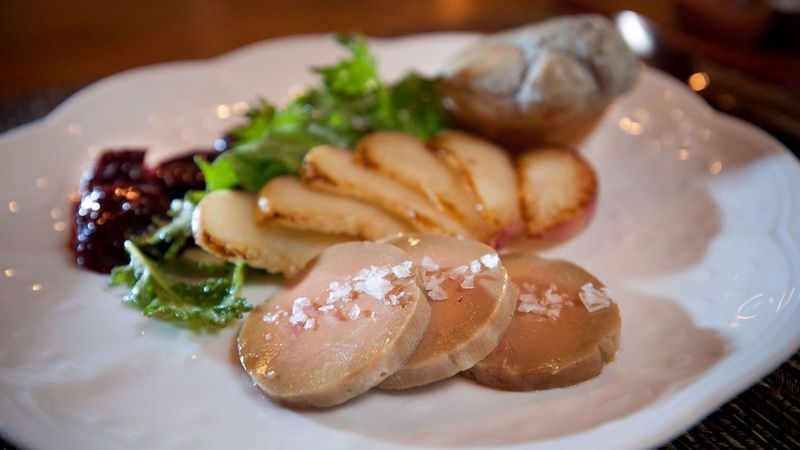
Ethical concerns over the production of foie gras have led some chefs and First Ladies to ban it from the kitchen. The dish, made from fattened duck liver, is controversial.
Its removal sent a message about humane food practices. Though still served elsewhere, it has been left off White House menus under more progressive administrations.
14. Caffeinated Beverages (At Certain State Events)
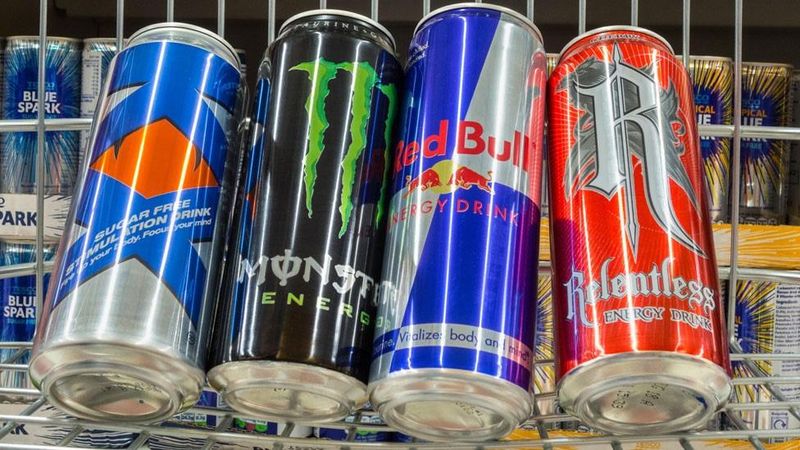
Some formal dinners and late-night events avoid serving caffeinated drinks like coffee or cola. The goal is to help guests wind down, not perk up.
Decaf coffee and herbal teas are popular substitutes. It’s a small detail, but one that reflects thoughtful hosting.
15. Junk Food
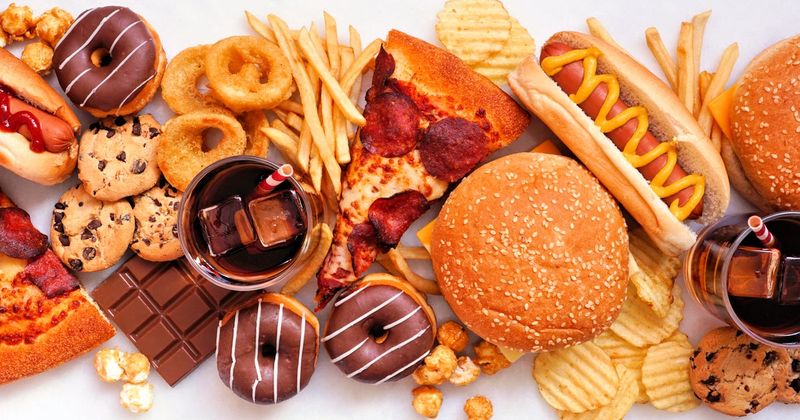
Presidents may sneak a candy bar now and then, but junk food has been steadily cut from official functions. It’s rarely served at public events or school visits.
Instead, menus feature whole foods, seasonal ingredients, and balanced flavors. The shift supports a national message of wellness and moderation.